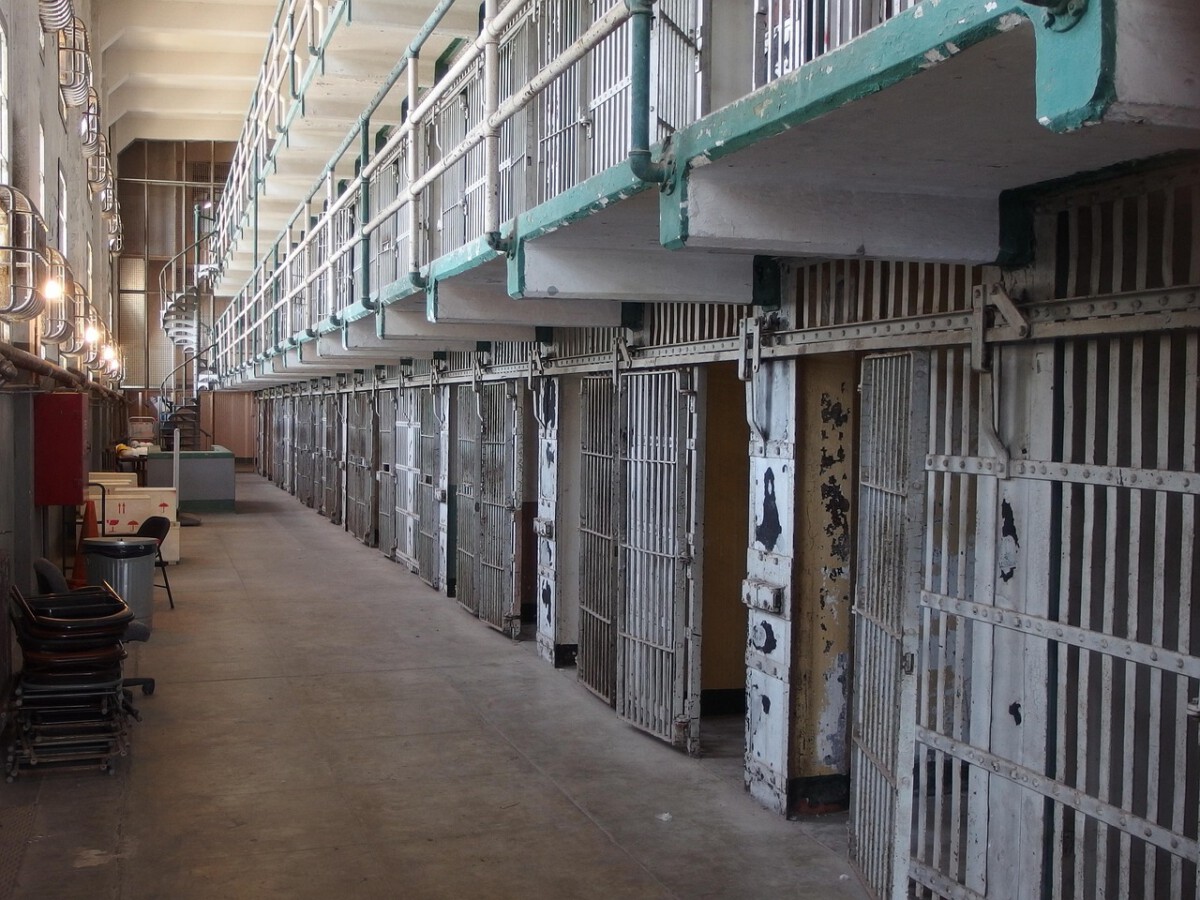


Disasters Don’t Wait for Better Wi-Fi (Image Credits: Pixabay)
Amid the roar of wind and rain battering coastal facilities, the isolation deepens for those inside, where even basic learning tools feel worlds away.
Disasters Don’t Wait for Better Wi-Fi
Picture this: a massive hurricane barrels toward Florida’s prisons, leaving over 1,200 people trapped in flood-prone buildings as staff flees. It’s not just a weather event; it’s a stark reminder of how outdated systems fail the most vulnerable. In moments like these during Hurricane Milton, the lack of digital access turns potential lifelines into dead ends.
Prisons often operate in analog mode, with limited tech that crumbles under pressure. Without reliable digital education programs, inmates miss out on real-time updates, skill-building, or even simple communication that could prepare them for crises. Recent reports highlight how these gaps widen during emergencies, turning education into an afterthought.
Yet, the real tragedy lies in the everyday toll. Digital exclusion doesn’t just hit during storms; it shapes entire futures, keeping people locked out of jobs and reintegration once released.
The Hidden Cost of No Screens Behind Bars
Let’s face it, in a world run by apps and online courses, prisons still rely on dusty textbooks and occasional videos. This setup leaves inmates playing catch-up in a digital economy that demands coding basics or virtual job hunts. Studies show vocational training with tech boosts employment rates by up to 205%, but without devices, that’s just a pipe dream.
Take reentry: formerly incarcerated folks struggle with everything from signing up for benefits online to using ride-share apps. Organizations are stepping in with device donations and classes, but why wait until release? Inside, programs could build those skills early, cutting recidivism and saving taxpayer dollars – around $13,000 per person in reduced reoffending costs.
Still, barriers persist. Security fears block internet access, even for monitored learning. It’s time to rethink rules that prioritize control over growth.
Real Stories from the Inside Out
One returning citizen shared how prison left him clueless about smartphones, turning simple tasks like emailing family into overwhelming hurdles. Multiply that by thousands, and you see the scale. In states like California, expanded education pushes hit walls of “no tech” policies, stalling progress despite available funding.
Connecticut’s programs, for instance, face space shortages for eager learners, with thousands waiting for college spots. Add digital tools, and capacity could explode through online modules tailored for secure environments. It’s not rocket science; it’s about equity in a connected age.
These tales aren’t isolated. They echo across the U.S., where the digital divide mirrors broader inequalities, hitting marginalized groups hardest.
Tech Solutions That Actually Work in Lockup
Secure tablets have changed the game in some facilities, offering offline content for education without full internet risks. Vocational courses on these devices teach trades like welding or IT support, prepping inmates for real jobs. Imagine scaling that nationwide – returns could hit $3 for every dollar invested.
But implementation varies wildly. Some prisons partner with nonprofits for digital libraries, while others lag. A mixed-methods study post-pandemic underscores how COVID forced adaptations, yet equity issues linger without dedicated funding.
- Provide locked-down devices for coursework only.
- Train staff on digital facilitation to ease fears.
- Integrate reentry apps that bridge prison-to-street transitions.
- Fund pilot programs in high-need states like Florida.
- Measure success through employment and recidivism metrics.
Why Hurricanes Make the Case Urgent
Events like Hurricane Helene and Milton didn’t just flood cells; they spotlighted systemic neglect. Inmates left without updates or evacuation plans suffered needlessly, all while digital alerts could have informed safer protocols. Prisons in storm-prone areas need resilient tech to handle such chaos.
Beyond weather, these incidents reveal deeper flaws. Poor digital skills mean ex-inmates can’t access disaster aid online or navigate job markets post-release. Bridging this divide isn’t optional; it’s essential for public safety and compassion.
Governments have the blueprint from trusts like Prisoners’ Education, pushing for boosted digital learning. Ignoring it risks more cycles of failure.
Steps Forward: Policy Tweaks That Stick
Start with federal incentives for states to equip prisons with basic tech infrastructure. Echoing calls from experts, allocate funds for secure networks that support education without compromising safety. It’s doable – some U.K. models already show how.
Community involvement matters too. Reentry groups providing phones and training prove the model works on the outside; extend it inward. Track outcomes to refine approaches, ensuring every dollar counts.
| Approach | Benefit | Challenge |
|---|---|---|
| Secure Tablets | Offline Learning | Initial Cost |
| Staff Training | Better Oversight | Time Investment |
| Partnerships | Shared Resources | Coordination |
Key Takeaways
- Digital access in prisons cuts recidivism and boosts jobs – proven by meta-analyses.
- Disasters like hurricanes amplify risks for tech-deprived inmates.
- Simple policy shifts, like device pilots, can close the gap fast.
In the end, bridging this digital divide isn’t about gadgets; it’s about unlocking human potential, even in the toughest spots. When prisons evolve, everyone wins – from safer streets to stronger communities. What steps do you think should come next? Share in the comments.