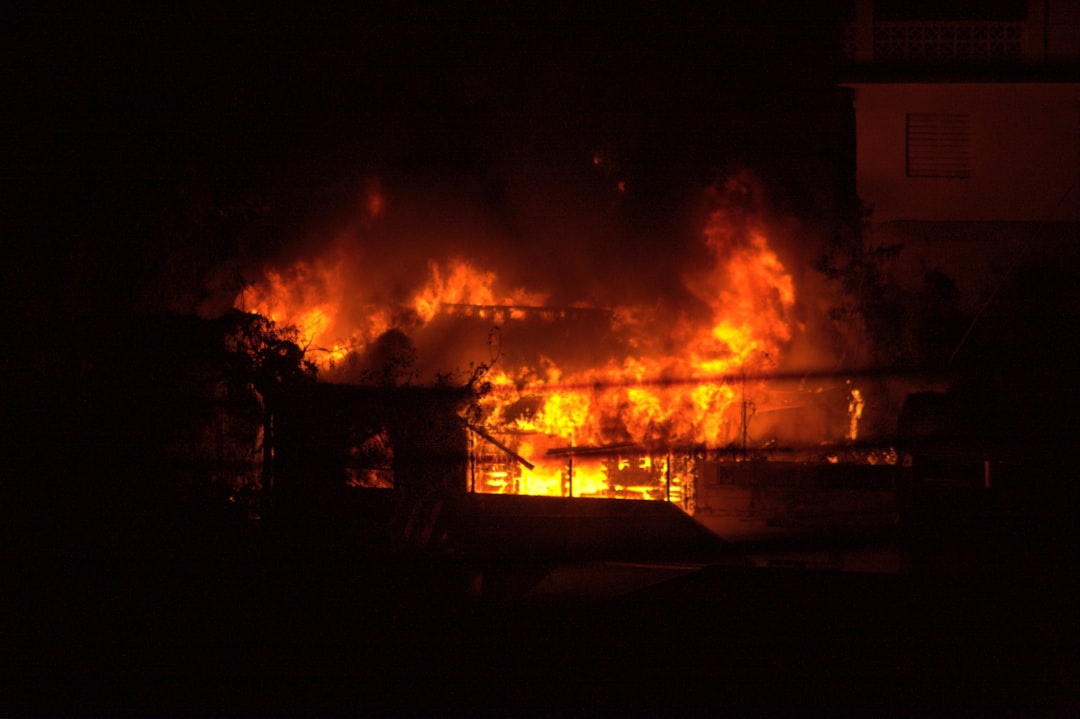


A Night That Started with Flames (Image Credits: Unsplash)
Fanwood, New Jersey – Smoke curled through the night air on a summer morning, turning a peaceful neighborhood into a scene of chaos and loss.
A Night That Started with Flames
Imagine waking up to the crackle of fire next door. That’s exactly what happened in Fanwood back in July, when a blaze tore through an 82-year-old woman’s home. First responders arrived to find the house engulfed, and inside, Virginia Cranwell lay motionless.
Her neighbor rushed in, or so he said, suffering burns in the process. At the time, folks on the street praised him as a brave soul. Little did they know, the story was far from over.
Months later, that same man faced handcuffs, accused of starting the fire that claimed her life. It’s the kind of plot twist that leaves everyone questioning what they thought they knew.
The Man Behind the Mask
William Ahle, 70, wasn’t just any neighbor. A retired sergeant from the Union County Jail, he carried an air of respect in the community. Walking his dog that fateful night, he spotted the flames around 1:30 a.m. and claimed he bolted inside to help.
Hospitals treated his burns, and locals rallied around him. One resident even called him a hero, shocked at the risks he took. Yet, investigators dug deeper, uncovering a web of inconsistencies.
By December, the narrative flipped. Ahle now stands charged with murder, arson, and burglary. Prosecutors believe he set the fire intentionally, turning a quiet act of supposed kindness into something sinister.
Clues That Didn’t Add Up
The fire’s origin puzzled experts from the start. Arson investigators pored over the wreckage, finding evidence of deliberate ignition. Cranwell’s death was ruled a homicide, not just smoke inhalation.
Ahle’s story began to crack under scrutiny. Why was he there so early? What about signs of forced entry suggesting burglary? These questions mounted, leading to a SWAT raid on his home one chilly morning.
Neighbors watched in disbelief as agents stormed in. The man they’d toasted as a savior was led away in cuffs. It’s a reminder that sometimes, the closest people hide the darkest motives.
Life on Kempshall Terrace
This street in Fanwood feels worlds away from such drama. Tree-lined and suburban, it’s where families walk dogs and chat over fences. Cranwell had lived there for decades, a fixture in the community.
Her daughter, Yvonne McManus, got the frantic call that night. She rushed over, hugging Ahle amid the ashes, grateful for his effort. Now, she’s left grappling with betrayal.
Locals still whisper about it. One said it “doesn’t make any sense,” echoing the shock rippling through the block. Quiet nights like these now carry an undercurrent of unease.
Charges and the Road Ahead
Ahle’s arrest came swiftly after months of investigation. He faces first-degree murder, felony murder, arson, and more. Bail was set high, and he’s pleaded not guilty so far.
The Union County Prosecutor’s Office pieced together a timeline pointing to Ahle. They allege he entered Cranwell’s home through an open garage, sparking the blaze to cover his tracks.
Court dates loom, promising more revelations. For now, the case tests trust in a place where neighbors once felt safe.
Lessons from the Ashes
Tragedies like this expose vulnerabilities we ignore. Elderly folks living alone can be targets, and fires destroy evidence fast. Communities often rally in crisis, but vigilance matters too.
Here’s a quick look at key elements in such cases:
- Arson signs: Unusual burn patterns or accelerants.
- Neighbor disputes: Hidden tensions that simmer.
- Investigation depth: Months of forensics to uncover truth.
- Community impact: Shattered trust takes time to rebuild.
- Legal hurdles: Proving intent in fire-related homicides.
Key Takeaways
- Initial heroes can hide culprits; always verify stories.
- Fires demand thorough probes to prevent miscarriages of justice.
- Support victims’ families through the twists and turns.
In the end, this story warns us that smoke can obscure more than just flames – it can veil intentions too. What do you think about this case? Share your thoughts in the comments below.