

A Surge Ahead of Schedule (Image Credits: Unsplash)
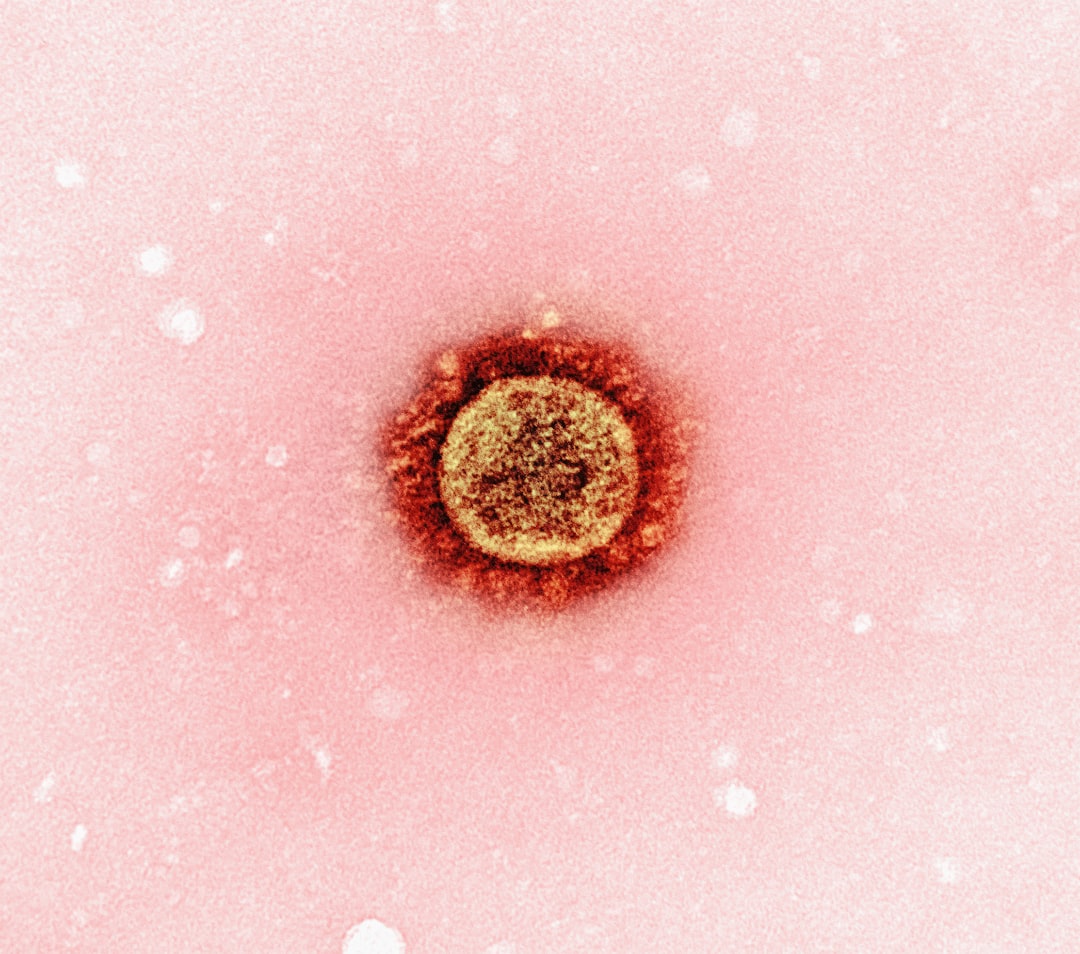
Health officials in California are monitoring a sharp uptick in norovirus infections this winter, driven by an emerging variant that could extend the season’s typical discomfort.
A Surge Ahead of Schedule
Norovirus outbreaks have arrived earlier than expected across the state, with wastewater surveillance revealing higher levels than in recent years. This highly contagious virus, often dubbed the winter vomiting bug, typically peaks between November and April but has shown signs of acceleration this season. Reports indicate that clinical tests in the West returned positive for the pathogen in over 13% of cases by late November, surpassing historical norms.
Experts attribute part of this rise to increased social gatherings and travel during the holidays, which facilitate rapid spread. The virus thrives in close quarters, such as schools, nursing homes, and cruise ships, where one infected person can quickly sicken dozens. State health departments have noted clusters in the Bay Area and Los Angeles, prompting calls for heightened vigilance among residents.
While most cases resolve within a few days, the volume of illnesses strains healthcare resources and disrupts daily life for many families.
The Role of the New GII.17 Variant
A relatively new strain, known as GII.17, has overtaken the long-dominant GII.4 as the primary culprit behind infections nationwide, including in California. This shift raises concerns because many immune systems lack familiarity with the newcomer, potentially leading to broader outbreaks. Infectious disease specialists warn that such changes in viral strains can boost illness rates by up to 50% compared to previous seasons.
The variant’s emergence mirrors patterns seen in past years when new norovirus types caused spikes in hospitalizations. Unlike respiratory viruses, norovirus targets the gastrointestinal tract, producing intense symptoms like vomiting, diarrhea, and stomach cramps. In California, where population density varies widely, urban centers face the greatest risk of rapid transmission.
Monitoring efforts by the Centers for Disease Control and Prevention track these developments closely, emphasizing the need for ongoing genomic surveillance to stay ahead of the curve.
Prevention Strategies That Work
Combating norovirus requires straightforward but diligent habits, starting with thorough handwashing using soap and water for at least 20 seconds. Alcohol-based hand sanitizers offer little protection against this resilient virus, so they cannot serve as a sole defense. Cleaning high-touch surfaces with bleach-based solutions helps eliminate lingering contaminants in shared spaces.
Individuals should avoid preparing food for others while symptomatic and for at least 48 hours after recovery to prevent accidental spread. During outbreaks, staying home from work or school curtails community transmission. Health authorities recommend isolating laundry and utensils used by sick household members to minimize cross-contamination.
These measures, though simple, prove effective in breaking the chain of infection, especially in vulnerable settings like long-term care facilities.
Looking Ahead to a Challenging Season
As winter progresses, California residents can anticipate continued pressure from norovirus unless preventive actions gain traction. The combination of the new strain and seasonal factors suggests this could rank among the more active years for the virus. Public health campaigns urge early symptom recognition – fever, nausea, and dehydration – to seek supportive care promptly.
Though vaccines remain unavailable, research into norovirus immunology advances steadily, offering hope for future tools against it.
Key Takeaways
- Norovirus spreads easily through contaminated food, water, and surfaces; handwashing is essential.
- The GII.17 strain may cause more cases due to limited prior immunity in the population.
- Outbreaks peak in cooler months, but this season started unusually early in California.
In the face of this seasonal foe, proactive steps can safeguard communities and keep holiday plans intact. How are you preparing for winter illnesses in your area? Share your thoughts in the comments.