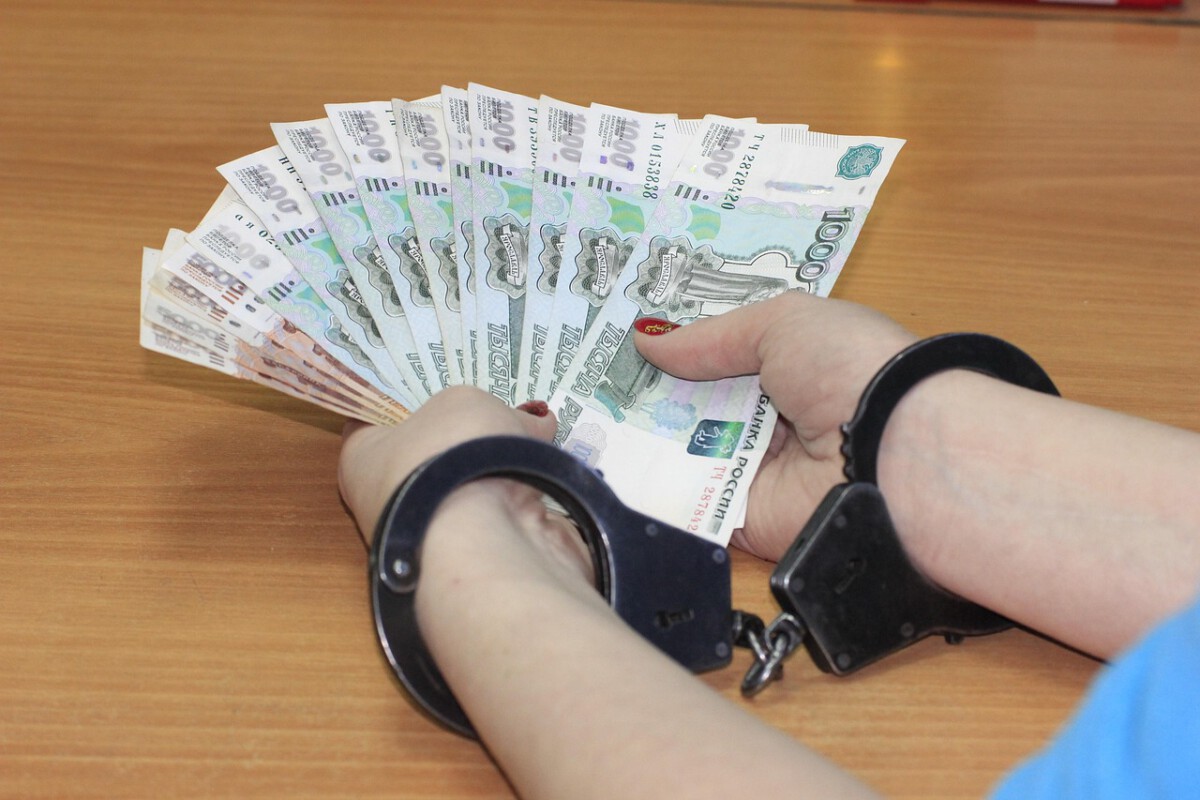


The Erosion of Public Trust (Image Credits: Pixabay)
In a world grappling with geopolitical tensions and economic pressures, corruption quietly erodes the foundations of societies, turning everyday governance into a breeding ground for unrest.
The Erosion of Public Trust
A single act of bribery can unravel years of institutional credibility, leaving citizens disillusioned and prone to upheaval. Governments that tolerate corruption signal to their people that fairness is optional, fostering a deep-seated cynicism toward authority. This loss of faith often manifests in widespread protests, as seen recently in Bulgaria, where mass demonstrations over graft forced the prime minister to announce his government’s resignation before a no-confidence vote. Such events highlight how corruption transforms routine discontent into explosive social movements. Ultimately, when leaders prioritize personal gain over public welfare, the social contract frays, paving the way for broader instability.
Experts have long warned that this disillusionment creates fertile ground for radicalization. People who feel cheated by the system become more susceptible to extremist narratives promising quick fixes. In regions already strained by poverty or inequality, corruption amplifies these vulnerabilities, turning isolated grievances into collective fury. The United Nations has emphasized this dynamic, noting that corruption not only undermines governance but also hinders recovery from conflicts. As a result, nations trapped in this cycle struggle to rebuild trust, perpetuating a loop of suspicion and volatility.
Corruption as a Conflict Trigger
Consider the stark reality: corruption has toppled regimes and ignited wars by diverting resources meant for defense and development into private pockets. In fragile states, officials who siphon funds from essential services like healthcare or infrastructure leave populations vulnerable to crises that spark violence. The United Nations Secretary-General António Guterres captured this peril when he stated, “Corruption breeds disillusion with government and governance… Corruption can be a trigger for conflict.” His words underscore how graft escalates tensions in conflict zones, where it thrives amid chaos and blocks peace efforts. Recent analyses from International Anti-Corruption Day 2025 further reveal how such practices deepen risks like regional destabilization and domestic strife.
This trigger effect extends beyond immediate hotspots. When corrupt networks infiltrate security forces, they weaken a nation’s ability to maintain order, inviting insurgencies or foreign interference. Historical patterns show that high-corruption environments correlate with prolonged instability, as resources for peacekeeping dwindle. In 2025 rankings, countries scoring low on transparency indices faced heightened unrest, illustrating the direct link. Addressing this requires robust anti-corruption measures to sever the chain before it leads to outright breakdown.
Economic Fallout and Social Fractures
Corruption drains economies, stifling growth and widening inequality, which in turn fuels social divisions ripe for exploitation. Businesses hesitate to invest in corrupt settings, leading to job losses and rising poverty that breed resentment. This economic sabotage hits the poorest hardest, as Guterres described it as a “tax on the poor” during a recent UN event. Societies fractured by such disparities see increased crime and migration, further straining resources and heightening tensions. The 2025 Corruption Perceptions Index highlighted nations like those in the top 10 most corrupt list, where these issues compounded into measurable instability.
Beyond finances, corruption corrupts social norms, normalizing dishonesty and eroding community bonds. When elites amass wealth unchecked, public anger simmers, often boiling over into riots or demands for radical change. Posts on social media platforms in 2025 echoed this sentiment, with users decrying how graft leads to unemployment, inflation, and capital flight in affected countries. These fractures weaken social safety nets, making populations more volatile. Rebuilding demands transparent reforms to restore equity and calm.
Paths to Breaking the Cycle
International bodies are intensifying efforts to dismantle corrupt systems through stronger rule-of-law initiatives. The United Nations Office on Drugs and Crime has outlined strategies for integrating anti-corruption into peacekeeping, emphasizing integrity in post-conflict recovery. Events like Anti-Corruption Day 2025 spotlighted global risks, urging nations to curb illicit financial flows that sustain graft. Collaborative approaches, including sanctions and transparency tools, offer hope for vulnerable regions. By prioritizing these measures, the international community can mitigate corruption’s destabilizing reach.
At the national level, whistleblower protections and independent oversight have proven effective in curbing abuses. Countries that bolster judicial independence see reduced instability, as accountability deters would-be offenders. Yet challenges persist, particularly in politically charged environments. Success stories from less corrupt nations demonstrate that sustained political will can reverse trends. The key lies in viewing anti-corruption not as an option, but as essential for enduring peace.
Key Takeaways
- Corruption erodes trust, sparking protests and conflicts worldwide.
- It acts as an economic “tax on the poor,” widening inequalities and social divides.
- Global initiatives like UN programs provide tools to interrupt this cycle and foster stability.
Corruption’s shadow looms large, but targeted actions can illuminate a path to stability – reminding us that integrity in governance safeguards not just economies, but lives. What steps do you believe are most urgent in fighting this global challenge? Share your thoughts in the comments.