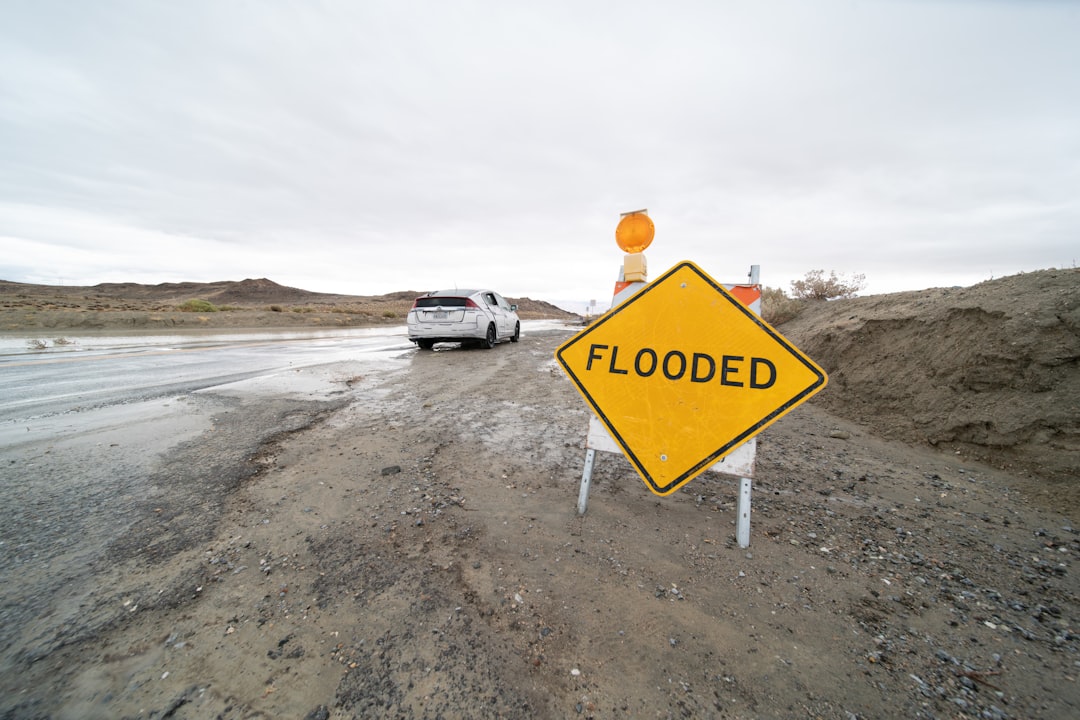


Shifting Weather Dynamics Signal Wet Holidays (Image Credits: Unsplash)
California residents and travelers prepare for a shift in weather patterns that could deliver substantial rain and snow during the Christmas period, potentially complicating holiday plans across the state.
Shifting Weather Dynamics Signal Wet Holidays
Forecasters have identified a series of incoming storms, driven by an atmospheric river, that may arrive in California starting late this week and persist through Christmas. The National Weather Service notes that about one in five projections points to a particularly intense event, with rainfall exceeding four inches in some areas. Snow accumulation in higher elevations, such as the Sierra Nevada, could reach several feet, transforming mountain passes into challenging terrains. This pattern marks a departure from the recent dry spell that has gripped much of the state since late November. Officials emphasize that while exact details remain fluid, the overall outlook favors wetter conditions than anticipated.
Bay Area communities, in particular, face the onset of these storms as early as Sunday, with potential extensions into the new year. Southern regions like Los Angeles may see similar impacts, though the precise trajectory of the atmospheric river will determine the severity. Meteorologists advise monitoring updates closely, as small changes in storm paths could alter rainfall distributions significantly. The service’s guidance underscores readiness, stating that even moderate precipitation could lead to noticeable effects on daily life and travel.
Heightened Risks of Flooding and Landslides
Recent fire-scarred landscapes across California amplify concerns for flash flooding and mudslides during this forecasted wet period. Areas previously affected by wildfires, including parts of Los Angeles County, remain vulnerable to rapid water runoff that could overwhelm streams and roadways. Historical precedents, such as last month’s storms that prompted evacuations and claimed lives, highlight the dangers of saturated soils giving way on slopes. The combination of heavy rain and existing burn areas creates a perfect setup for debris flows, which move quickly and pose severe threats to nearby infrastructure and homes.
Northern and central regions may experience urban flooding in low-lying zones, while coastal spots contend with high surf and erosion. The weather service warns that roadways and low-water crossings could become impassable, stranding motorists in unexpected downpours. Landslide risks extend to hilly neighborhoods, where residents should watch for signs like cracking ground or shifting utilities. These hazards not only endanger lives but also strain emergency response teams during peak holiday travel times.
Travel Disruptions Loom for Holiday Goers
Major highways and airports in California could see delays or closures as the storms unfold, affecting millions planning Christmas gatherings. Snow in the Sierra Nevada threatens routes like Interstate 80, a key corridor for cross-state travel, with potential whiteout conditions reducing visibility to near zero. Airlines have already issued advisories for possible flight cancellations, particularly at hubs like San Francisco International and Los Angeles International. Ground transportation faces equal challenges, from flooded roads in the valleys to icy overpasses in the mountains.
Coastal drives along the Pacific Coast Highway may encounter closures due to rockslides or overflow from swollen creeks. Public transit systems in urban centers could experience service interruptions from water accumulation on tracks or stations. Travelers are urged to check real-time updates from the California Department of Transportation and adjust itineraries accordingly. Even short commutes might turn hazardous, prompting officials to recommend avoiding unnecessary trips during peak storm hours.
Essential Preparation Steps for Residents
Local authorities recommend assembling emergency kits with essentials like flashlights, non-perishable food, and medications to weather potential power outages or isolations. Clearing gutters and storm drains around properties helps mitigate localized flooding, especially in fire-affected zones. For those in landslide-prone areas, securing outdoor items and knowing evacuation routes proves crucial. The weather service suggests signing up for alert systems to receive timely warnings via text or app notifications.
Vehicle preparation includes checking tires for snow chains in mountainous regions and ensuring full fuel tanks to avoid stranding. Communities should coordinate with neighbors for mutual support, particularly for vulnerable populations like the elderly. Stocking up on sandbags for doorways offers a simple barrier against rising waters. These proactive measures can significantly reduce the impact of the approaching weather event.
- Monitor forecasts daily from reliable sources like the National Weather Service.
- Avoid driving through flooded areas; turn around and seek alternate routes.
- Secure loose outdoor objects to prevent them from becoming projectiles in high winds.
- Have a family emergency plan that includes communication strategies if separated.
- Stay informed about local evacuation orders through official channels.
Key Takeaways:
- Expect at least some rain statewide, with stronger storms possible in one-fifth of projections.
- Mountain snow could snarl Sierra passes, while valleys face flood threats.
- Travel plans may require flexibility; check updates before departing.
As California navigates this festive yet potentially stormy season, staying vigilant offers the best defense against nature’s unpredictability. What steps are you taking to prepare for the holidays? Share your thoughts in the comments below.