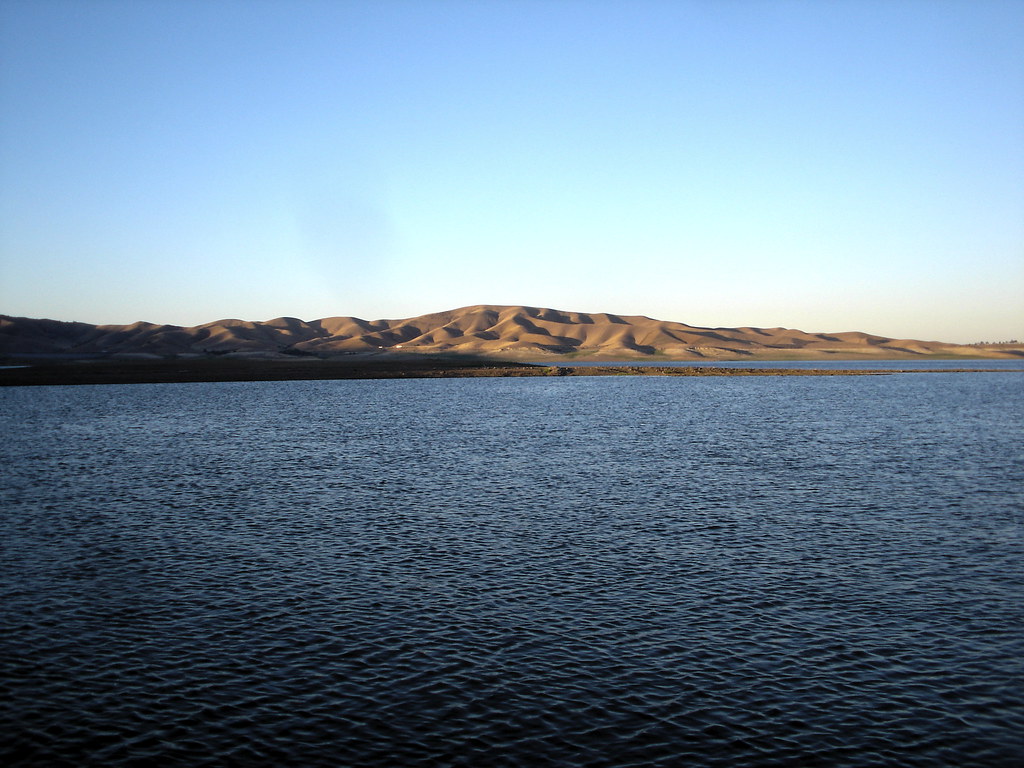

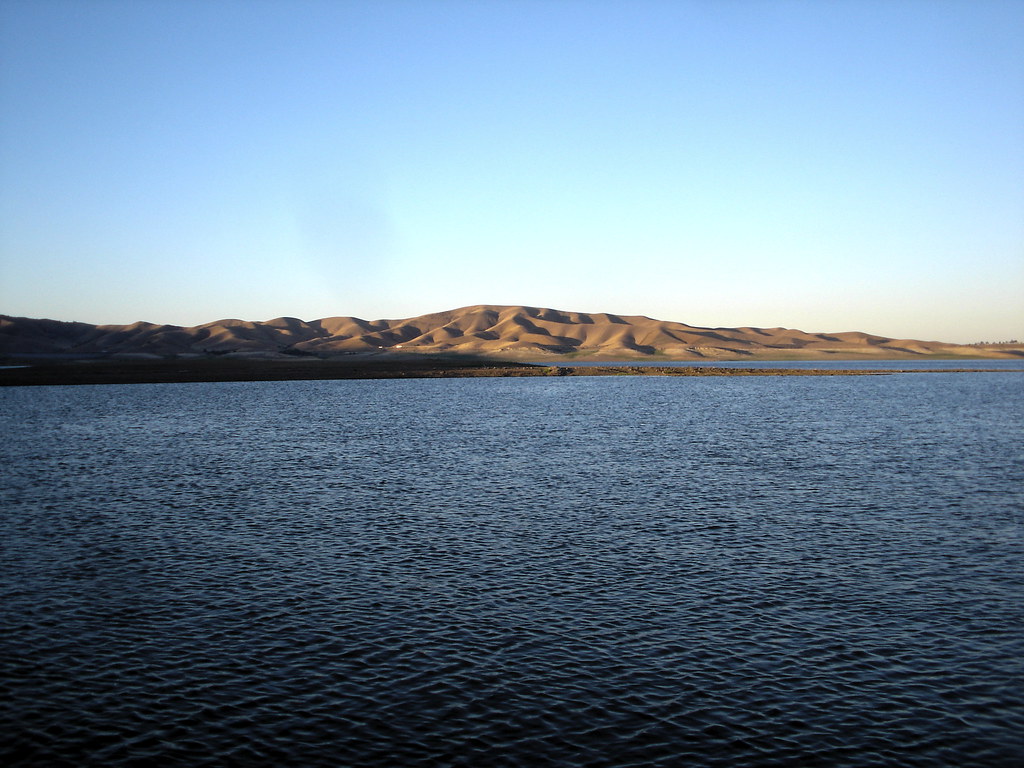
A Bold Move in Long-Standing Water Wars (Image Credits: Flickr)
California – Federal officials under the Trump administration have ignited controversy by advancing a proposal to increase water pumping from the Sacramento-San Joaquin River Delta, drawing sharp rebukes from state leaders concerned about ecological and supply repercussions.
A Bold Move in Long-Standing Water Wars
The initiative represents the latest chapter in California’s protracted battles over water allocation, where federal priorities often clash with state and environmental interests. Proponents argue that ramping up diversions to Central Valley agriculture could bolster food production amid ongoing droughts. However, the plan overrides objections from California authorities, who warn of broader consequences for urban water users and delicate ecosystems.
Details emerged in recent announcements, outlining enhanced pumping operations that could siphon billions more gallons southward each year. This approach echoes past efforts to prioritize farming over other needs, but critics contend it ignores scientific assessments of the delta’s fragility. State water managers have long emphasized the need for balanced strategies that protect both human and natural resources.
Voices of Opposition Echo Across the State
Democratic lawmakers quickly labeled the federal decision a misguided political maneuver, highlighting its potential to exacerbate water shortages for millions in Southern California. They pointed to the delta’s role as a vital hub, where increased pumping might disrupt flows essential for coastal cities and inland communities alike. Figures like Senator Jerry McNerney described it as a threat to long-term sustainability, urging a reevaluation based on evidence rather than expediency.
The backlash extends beyond politics, with environmental groups and local officials uniting in condemnation. They argue that the plan disregards protections for endangered species and undermines decades of collaborative water management. As one spokesperson noted, such actions could invite legal challenges and further strain interstate relations over this precious resource.
Ecological and Economic Ripples
At the heart of the debate lies the delta’s intricate web of waterways, home to endangered fish like the delta smelt and chinook salmon. Heightened pumping risks entraining these species into massive intake systems, potentially decimating populations already under pressure from climate change and habitat loss. Biologists have warned that bypassing federal safeguards could trigger irreversible declines in biodiversity.
Economically, the fallout might hit hardest in urban areas dependent on delta exports for drinking water and hydropower. Farmers in the Central Valley stand to gain short-term, yet experts predict diminished reservoir levels could lead to cutbacks during dry spells. The following outlines key concerns raised by stakeholders:
- Reduced water deliveries to Southern California, affecting over 20 million residents.
- Heightened salinity in the delta, harming agriculture and fisheries.
- Potential violations of state environmental laws, sparking costly litigation.
- Undermined resilience against future droughts or extreme weather events.
- Shifted priorities away from habitat restoration projects funded by voters.
Looking Ahead: Paths to Resolution
As tensions rise, calls for dialogue between federal and state entities grow louder, with some advocating for technology-driven solutions like improved fish screens or alternative storage. The plan’s implementation remains mired in reviews, offering a window for adjustments that incorporate broader input. Ultimately, resolving these conflicts demands a commitment to science over short-term gains.
In the end, this water diversion saga underscores the high stakes of managing California’s lifeline amid competing demands. What steps should policymakers take to safeguard both the environment and communities? Share your thoughts in the comments below.
Key Takeaways
- The federal plan prioritizes agricultural pumping at the expense of ecological balance.
- State officials foresee risks to water supplies and endangered species.
- Collaboration could mitigate harms and promote sustainable practices.