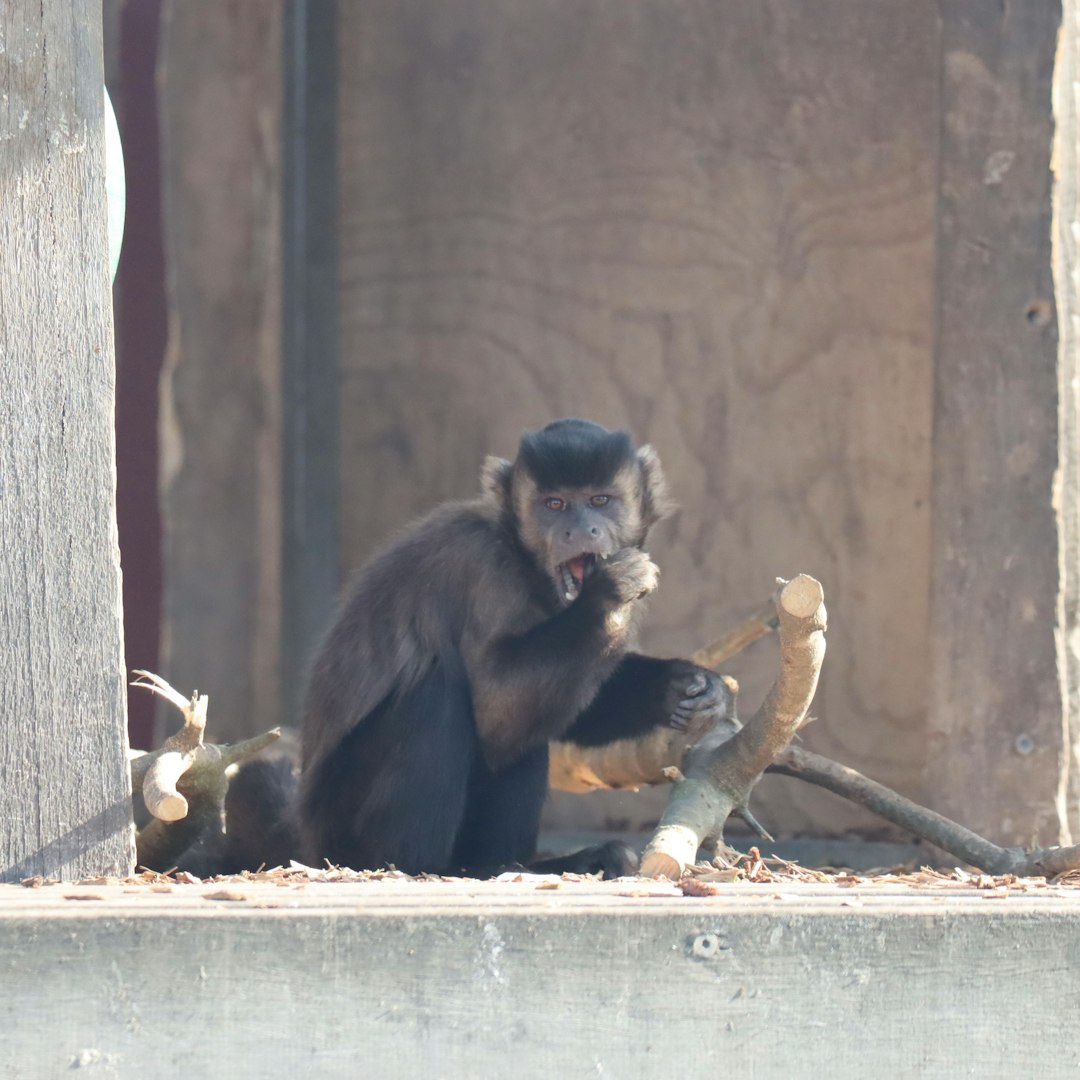


A Surge of New Life in the Primate Exhibits (Image Credits: Unsplash)
Los Angeles – The Los Angeles Zoo marked a significant milestone in conservation efforts this year with the arrival of five great ape infants over the past four months.
A Surge of New Life in the Primate Exhibits
The zoo’s great ape population expanded dramatically in 2025, welcoming a western lowland gorilla, an orangutan, and three chimpanzees into its family. This cluster of births represented a rare and celebrated event for the facility, which has long focused on breeding programs to bolster endangered species. Staff members expressed quiet excitement as each newborn took its first breaths, signaling progress in their long-term initiatives. The gorilla baby, born as a sibling to an existing young one named Angela, arrived to parents N’djia and Kelly, adding to the troop’s dynamics. These arrivals not only thrilled visitors but also advanced the zoo’s role in global wildlife preservation.
Behind the scenes, the births required round-the-clock monitoring to ensure the health of both mothers and infants. Keepers observed natural behaviors closely, intervening only when necessary to support bonding. The chimpanzees integrated quickly into their group, while the orangutan infant clung to its mother in a display of typical species traits. This boom highlighted the zoo’s success in creating environments that mimic wild habitats as closely as possible. Overall, the event underscored the delicate balance between human oversight and animal autonomy in captivity.
The Science of Successful Breeding
Years of meticulous planning preceded this baby boom, involving genetic matching and health assessments to pair compatible individuals. Zoo biologists collaborated with national associations to select breeding pairs that would enhance genetic diversity among great apes. Hormonal cycles were tracked, and diets adjusted to optimize fertility for the females involved. Environmental enrichments, such as varied climbing structures and foraging opportunities, encouraged natural mating behaviors. These efforts paid off, resulting in healthy pregnancies that progressed without major complications.
One key aspect involved simulating seasonal changes to align with the apes’ reproductive rhythms, a technique refined over multiple breeding seasons. Veterinary teams conducted non-invasive checkups to monitor fetal development, ensuring timely preparations for births. The process demanded patience, as not every pairing succeeded on the first attempt. Still, the zoo’s persistence led to this fruitful outcome, with each birth contributing valuable data to broader conservation strategies. This scientific approach transformed potential challenges into tangible successes for the species.
Caring for the Newest Residents
Daily routines at the zoo now include specialized care for the infants, starting with early morning feedings and medical distributions. A dedicated team, led by experienced keepers like Tania Prebble, ensures that medications and nutrients reach the great apes while they rest. Mothers nurse their young instinctively, but supplemental formulas stand ready if needed. Social interactions within the troops help the babies learn essential skills, from grooming to play. Visitors can witness these developments during scheduled observation times, fostering public appreciation for the species.
Challenges arise in managing group dynamics, particularly as the newborns grow and assert themselves. Keepers rotate exhibits to prevent overcrowding and reduce stress, drawing on behavioral studies to anticipate needs. Enrichment activities, such as puzzle feeders, keep both adults and juveniles engaged. The zoo also educates the public on threats facing great apes in the wild, like habitat loss, to amplify the impact of these captive successes. Through these measures, the facility sustains a thriving community of primates.
Broader Implications for Conservation
This baby boom extends beyond the zoo’s fences, supporting international efforts to protect great apes from extinction. The newborns serve as ambassadors for their wild counterparts, many of which face dwindling populations due to poaching and deforestation. By maintaining a genetically robust captive group, the L.A. Zoo contributes to reintroduction programs and research that inform field conservation. Partnerships with global organizations allow for the exchange of expertise, strengthening overall strategies. The event reminds us of the critical role zoos play in safeguarding biodiversity.
Future plans include expanding habitats to accommodate the growing families, ensuring space for continued development. Researchers will study the infants’ growth to refine breeding protocols further. Public programs highlight the zoo’s achievements, encouraging donations and advocacy. These steps build momentum for long-term survival of great apes. For more details on the zoo’s initiatives, see the Los Angeles Times coverage.
Key Takeaways
- The L.A. Zoo achieved five great ape births in four months through targeted breeding and health management.
- Genetic diversity and habitat simulation were central to the planning process.
- These arrivals bolster conservation by providing a safety net for endangered species.
The L.A. Zoo’s great ape baby boom stands as a testament to dedicated planning and the power of collective action in wildlife preservation. What do you think about these conservation successes? Tell us in the comments.