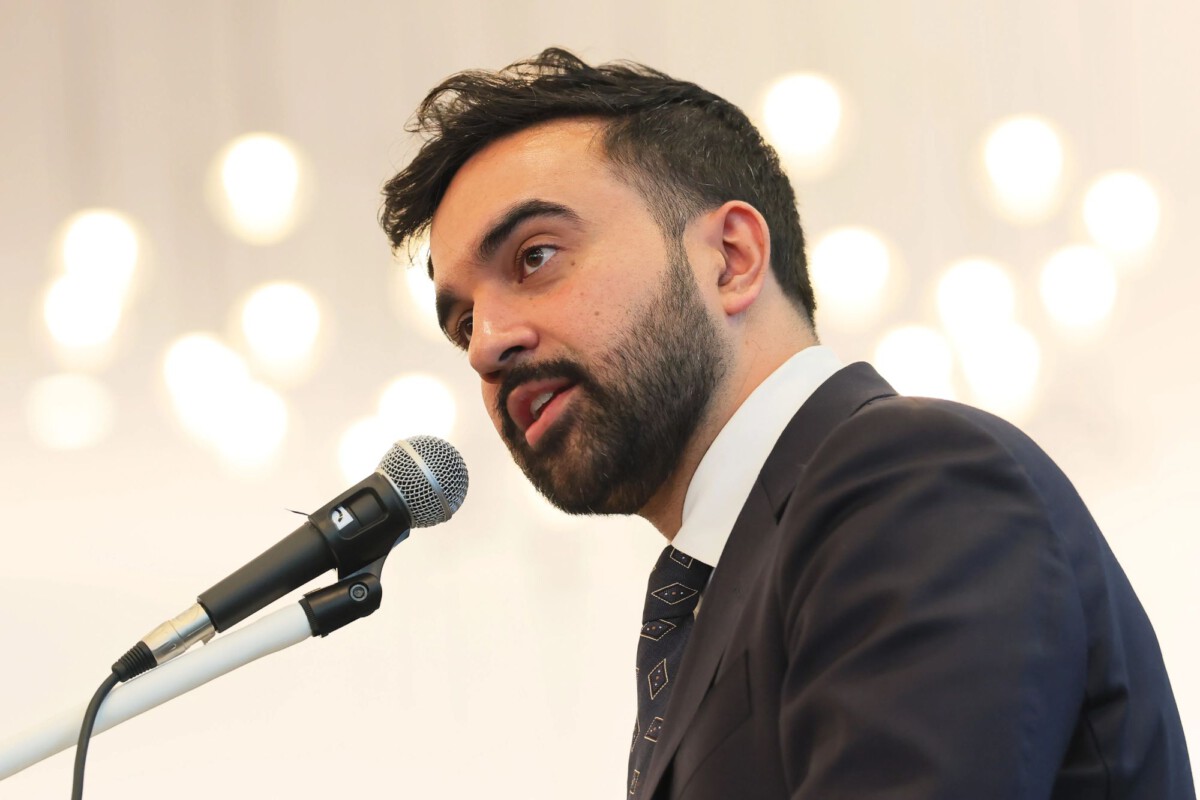


A Bold Shift Toward Civilian-Led Responses (Image Credits: Nypost.com)
New York City – Mayor-elect Zohran Mamdani’s ambitious blueprint for reshaping public safety has ignited debates among law enforcement leaders who fear it undermines established crime-fighting approaches.
A Bold Shift Toward Civilian-Led Responses
Mamdani’s proposal centers on creating a Department of Community Safety, which would deploy mental health professionals and social workers to handle certain 911 calls instead of police officers. This initiative draws inspiration from models in other cities, where non-police teams address crises involving mental health or low-level disturbances. Supporters argue that such a system could reduce unnecessary police interactions and foster community trust. However, implementation would require significant funding, estimated in the billions, raising questions about fiscal priorities in a city still recovering from recent challenges. Critics within law enforcement circles contend that diverting resources from the New York Police Department could weaken overall response capabilities.
The plan also involves training dispatchers to triage calls and determine the appropriate responder, a process that has drawn sharp scrutiny. Law enforcement officials expressed concerns that this could lead to delays in critical situations where armed intervention proves necessary. Mamdani’s team maintains that clear protocols would minimize risks, but early discussions reveal deep divisions. As the City Council introduced a bill to establish this agency last week, stakeholders on both sides prepared for prolonged negotiations. The proposal reflects Mamdani’s long-standing advocacy for alternatives to traditional policing, a stance that propelled his campaign but now tests his ability to build consensus.
Appointments Fuel Concerns Among Police Ranks
Mamdani’s selection of committee members with histories of anti-law-enforcement activism has amplified worries about the direction of his administration. For instance, he appointed a former convict and activist to his public safety transition team, signaling a preference for reform-minded voices over conventional expertise. This move comes amid reports of police officers leaving the force at elevated rates, a trend some attribute to the political climate surrounding defunding discussions. Mamdani has distanced himself from past “defund the police” rhetoric following tragic events, such as the death of an officer earlier this year, yet his choices continue to provoke backlash. Law enforcement unions have voiced fears that these appointments prioritize ideology over practical crime reduction.
Despite reappointing the current police commissioner, known for expanding surveillance efforts, Mamdani’s criticism of such tactics creates an inherent tension. The commissioner previously oversaw a network of monitoring tools that Mamdani once decried as overreach. This apparent contradiction highlights the complexities of balancing reform with continuity. Police leaders worry that mixed signals could erode morale and hinder recruitment efforts. As Mamdani prepares to take office, these dynamics underscore the challenges of aligning his vision with the realities of departmental operations.
Broader Implications for Crime and Community Safety
Proponents of Mamdani’s approach highlight potential benefits, such as freeing up police for serious crimes while addressing root causes like mental health issues. Cities that adopted similar models reported fewer escalations in non-violent encounters, providing a data point for New York’s experiment. Yet, opponents point to rising concerns over global threats and local violence, including recent attacks that strained resources. A New York Post column recently warned that Mamdani’s focus on restructuring might leave the city vulnerable amid escalating antisemitism and terrorism risks. These critiques emphasize the need for robust, coordinated strategies that integrate rather than isolate law enforcement.
To illustrate key differences, consider the following comparison of response models:
| Traditional Policing | Mamdani’s Proposal |
|---|---|
| Police respond to most 911 calls | Civilian teams handle mental health and low-risk incidents |
| Focus on enforcement and arrests | Emphasis on de-escalation and social services |
| Funded through existing NYPD budget | Requires new $1.1 billion allocation |
This table reveals stark contrasts that could reshape daily operations across the city. While Mamdani’s allies push for swift adoption, law enforcement advocates call for pilot programs to test efficacy before full rollout. The ongoing debate reflects broader national conversations about policing in urban centers.
Navigating the Path Forward
As Mamdani assembles his team and refines details, collaboration emerges as the critical factor for success. Recent City Council actions, including the community safety bill, indicate momentum toward change, but amendments may address enforcement concerns. Experts suggest that hybrid models, blending civilian and police responses, could bridge divides. Mamdani’s past experiences, from campaigning on these issues to confronting real-world crises, position him to mediate effectively. Ultimately, the effectiveness of these reforms will depend on measurable outcomes in crime rates and public confidence.
Key Takeaways
- Mamdani’s Department of Community Safety aims to redirect non-violent calls to specialized teams, potentially easing police burdens.
- Appointments of reform activists have heightened tensions with traditional law enforcement groups.
- Balancing innovation with proven tactics remains essential amid New York’s complex safety landscape.
In a city as dynamic as New York, Mamdani’s reforms offer a chance to innovate public safety, but only if they incorporate input from all stakeholders to avoid unintended consequences. What aspects of these plans do you find most promising or concerning? Share your thoughts in the comments.