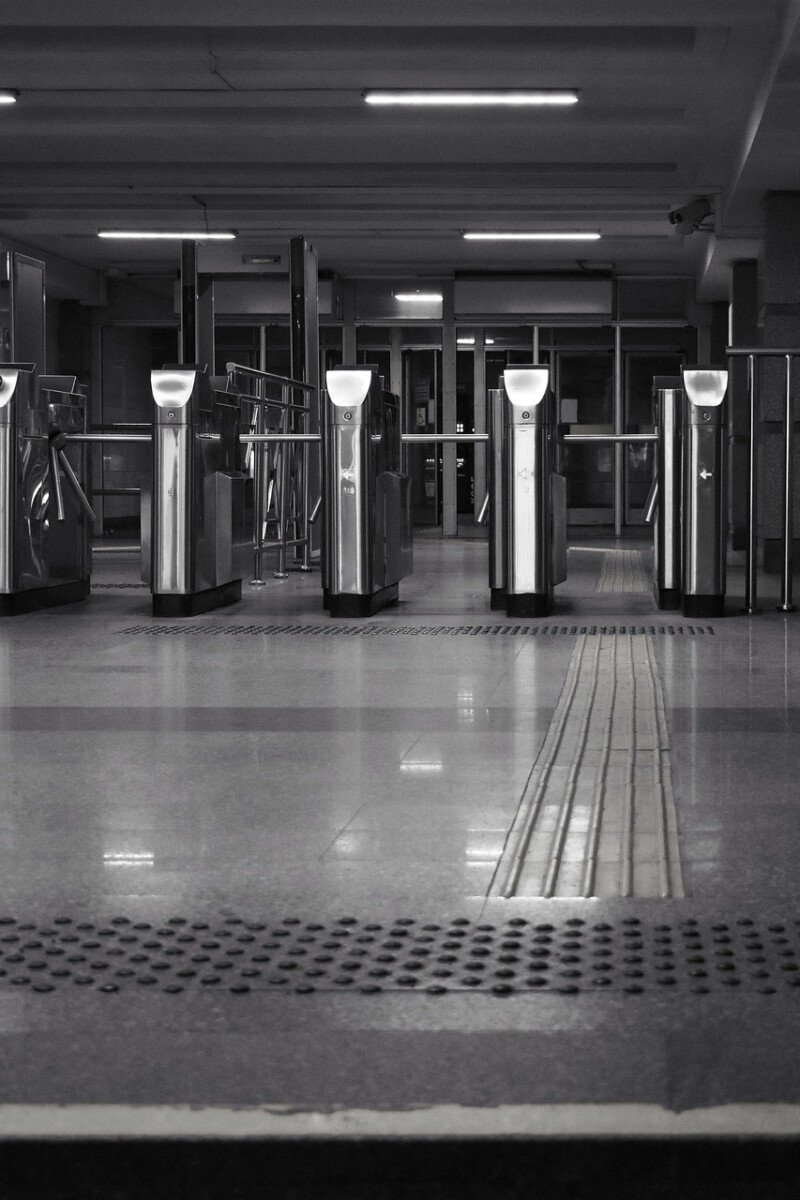


A Bold Move in the Battle Against Revenue Drain (Image Credits: Pixabay)
New York City – The Metropolitan Transportation Authority continues its push to curb widespread fare evasion in the subway system, rolling out innovative barriers amid ongoing concerns over mounting losses.
A Bold Move in the Battle Against Revenue Drain
The MTA reported nearly $1 billion in losses from fare evasion across subways and buses in 2024, a figure that prompted swift action from agency leaders. Officials unveiled a $7.3 million initiative to install metal fins and extended paddles on turnstiles at dozens of stations. These modifications aim to block riders from squeezing through or jumping over the gates, a common tactic that has frustrated enforcement efforts.
Installation began in mid-December 2025 at high-traffic locations, with plans to expand citywide. Early deployments targeted stations where evasion rates exceeded 20 percent, based on internal data tracking. The agency selected designs from multiple vendors after pilots showed promise in reducing unauthorized entries by up to 15 percent in test environments.
Yet, videos circulating online quickly highlighted vulnerabilities, as some riders navigated around the fins with relative ease. This has fueled skepticism among commuters and watchdogs alike, questioning whether the investment will deliver lasting results.
Evolution of Enforcement Strategies
Prior to the fins, the MTA relied on a mix of personnel and technology to address the issue. Gate guards patrolled over 200 stations by early 2025, contributing to a 26 percent drop in subway evasion compared to the previous year. Bus fare enforcement teams boarded thousands of vehicles, issuing summonses and educating riders on payment options.
The new barriers represent an escalation, drawing inspiration from similar setups in other global cities. Officials emphasized a data-driven approach, analyzing ridership patterns and evasion hotspots to prioritize installations. For instance, fins now protrude outward from turnstiles, creating a physical deterrent without fully replacing the traditional revolving gates.
Complementing these changes, the MTA introduced sensors on buses to monitor boarding compliance in real time. These tools alert operators to potential skips, integrating with broader surveillance systems. Still, critics argue that such measures overlook root causes like affordability and accessibility.
- Targeted stations see initial 10-15% reduction in evasion attempts.
- Cost breakdown: $7.3 million covers materials, labor, and monitoring for 50+ sites.
- Integration with existing guards enhances overall deterrence.
- Future expansions may include wider gates for strollers and bikes.
- Public feedback surveys guide adjustments to designs.
Challenges and Public Backlash
While the MTA touts the fins as a step forward, early feedback reveals mixed outcomes. Riders reported minor inconveniences, such as slower passage during peak hours, but others expressed frustration over perceived overreach. One demonstration even led to a minor incident where a fin grazed a commuter, underscoring safety concerns in crowded settings.
Fare evasion remains a persistent problem, with estimates suggesting up to 400,000 daily non-payers across the network. The agency attributes much of the surge to post-pandemic habits, though economic pressures play a role. Enforcement alone, officials note, cannot solve systemic issues like rising living costs that deter some from paying.
Lawmakers have weighed in, with some calling for alternative solutions such as fare-free zones or subsidized passes. The state budget recently prohibited facial recognition for evasion crackdowns, shifting focus to behavioral analytics instead. This decision reflects broader privacy debates in urban transit.
Looking Ahead: Measuring Success
As the fins settle into daily operations, the MTA plans quarterly audits to assess their impact. Preliminary data from pilot stations indicate a modest uptick in paid rides, but long-term trends will determine scalability. Agency executives remain optimistic, viewing the barriers as part of a multifaceted strategy that includes education and outreach.
The broader implications extend to funding: Recovered revenue could bolster infrastructure upgrades and service reliability. For now, the initiative tests the balance between security and user experience in one of the world’s busiest transit networks.
Key Takeaways
- Fins target physical evasion tactics, potentially saving millions in lost fares.
- Combined with guards and tech, they form a layered defense against non-payment.
- Ongoing evaluations will refine approaches amid public scrutiny.
Ultimately, curbing fare evasion demands innovation tempered by empathy for riders’ realities. As New Yorkers adapt to these changes, the true test lies in whether they foster a fairer system for all. What measures would you support to tackle this issue? Share your thoughts in the comments.