

The Chaotic Scene at an Apartment Complex (Image Credits: Unsplash)
Los Angeles – A federal jury delivered a swift acquittal Friday to a South Los Angeles tow truck operator accused of unlawfully seizing a government vehicle amid a tense immigration enforcement operation.
The Chaotic Scene at an Apartment Complex
Federal agents from Immigration and Customs Enforcement descended on a downtown apartment building in mid-August, targeting individuals for deportation. The operation drew immediate attention when a popular TikTok influencer, known for chronicling such raids, began live-streaming the events. As agents moved to detain the influencer, Tatiana Mafla-Martinez, one of their unmarked SUVs blocked access to the complex’s driveway, creating an unexpected obstacle.
Bobby Nunez, a 33-year-old tow truck driver patrolling the area, spotted the obstruction and decided to act. He hooked the vehicle and began towing it away, an action captured on video that quickly spread across social media. Witnesses later described the moment as surreal, with Nunez reportedly recording the agents on his phone while agents pursued him on foot. The SUV contained keys and a weapon stored in a secure compartment, heightening the stakes of the encounter.
Federal Response and the Ensuing Arrest
Authorities viewed Nunez’s intervention as more than a routine tow. They alleged he knowingly stole government property, a felony that carried potential prison time. Investigators used social media platforms, including TikTok, to identify and locate Nunez shortly after the incident. Federal agents arrested him in early September, releasing video footage of the pursuit to underscore the disruption caused.
The charge stemmed from the vehicle’s status as federal property, even though it bore no official markings. Prosecutors argued that Nunez’s laughter during the tow indicated intent to interfere with official duties. Nunez maintained that he followed standard procedure for removing illegally parked vehicles, unaware of the SUV’s connection to law enforcement. This defense set the stage for a closely watched trial.
Key Moments from the Four-Day Trial
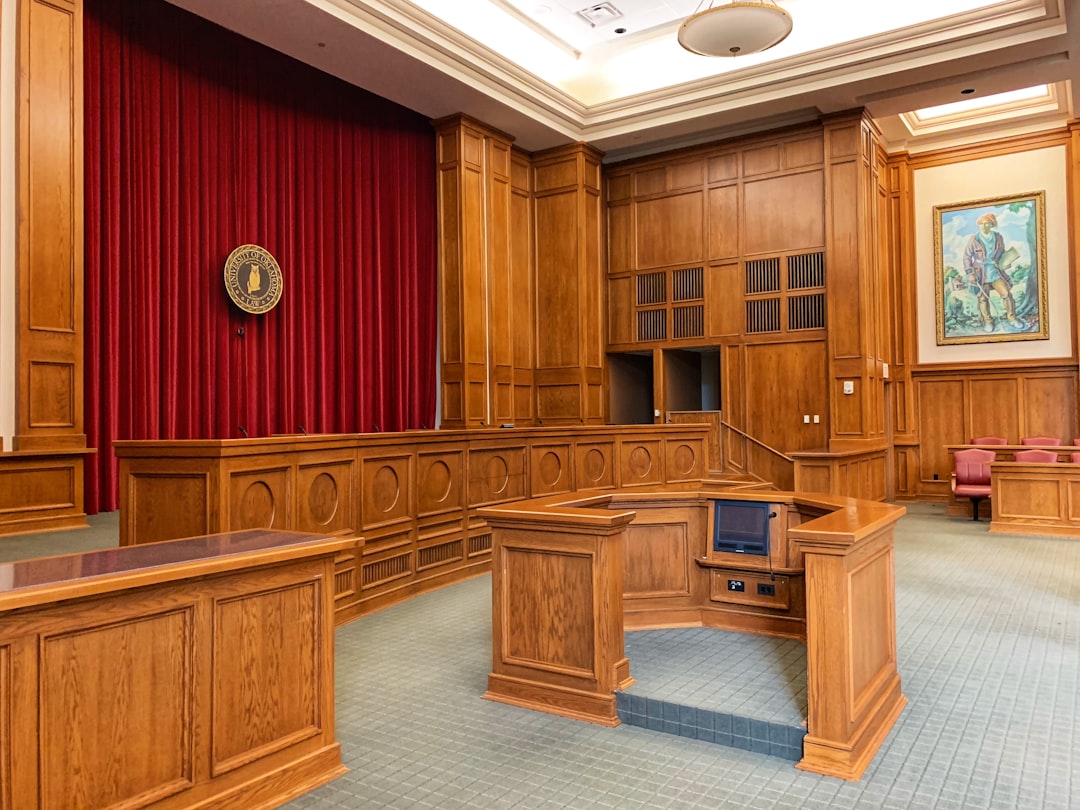
The proceedings unfolded over four days in federal court, where jurors heard testimony from both sides. Prosecutors presented evidence of the vehicle’s contents and the agents’ frantic response, emphasizing the risks to ongoing operations. Defense attorneys countered by highlighting the lack of visible indicators that the SUV belonged to federal authorities, portraying Nunez as a worker simply clearing a hazard.
Central to the case was the role of bystanders and digital documentation. Videos showed the SUV’s position impeding resident access, supporting claims of legitimate towing grounds. Jurors deliberated briefly before reaching their not-guilty verdict on the single count of theft of government property. The decision marked a rare rebuke to federal overreach in a city often at odds with immigration enforcement tactics.
Implications for Enforcement and Social Media Scrutiny
This acquittal raises questions about the boundaries of federal authority during operations in urban settings. Los Angeles, a sanctuary city with a history of resisting immigration raids, saw the case as emblematic of local pushback. Nunez’s actions, amplified by online videos, fueled debates on whether everyday citizens can challenge perceived oversteps without fear of reprisal.
Immigration advocates praised the outcome, viewing it as validation for those documenting enforcement actions. Meanwhile, federal officials expressed disappointment but offered no immediate plans for appeals. The incident underscores how social media can transform routine encounters into national stories, influencing public perception of law enforcement.
Key Takeaways
- The jury found insufficient evidence that Nunez knew the SUV was federal property.
- Social media played a pivotal role in both the incident’s documentation and Nunez’s identification.
- The case highlights tensions between local towing practices and federal operations in densely populated areas.
The not-guilty ruling frees Nunez to resume his work, but it leaves lingering questions about accountability in high-stakes scenarios. As immigration debates continue to simmer, this verdict serves as a reminder of the fine line between interference and civic duty. What are your thoughts on the balance between federal power and individual actions? Share in the comments below.