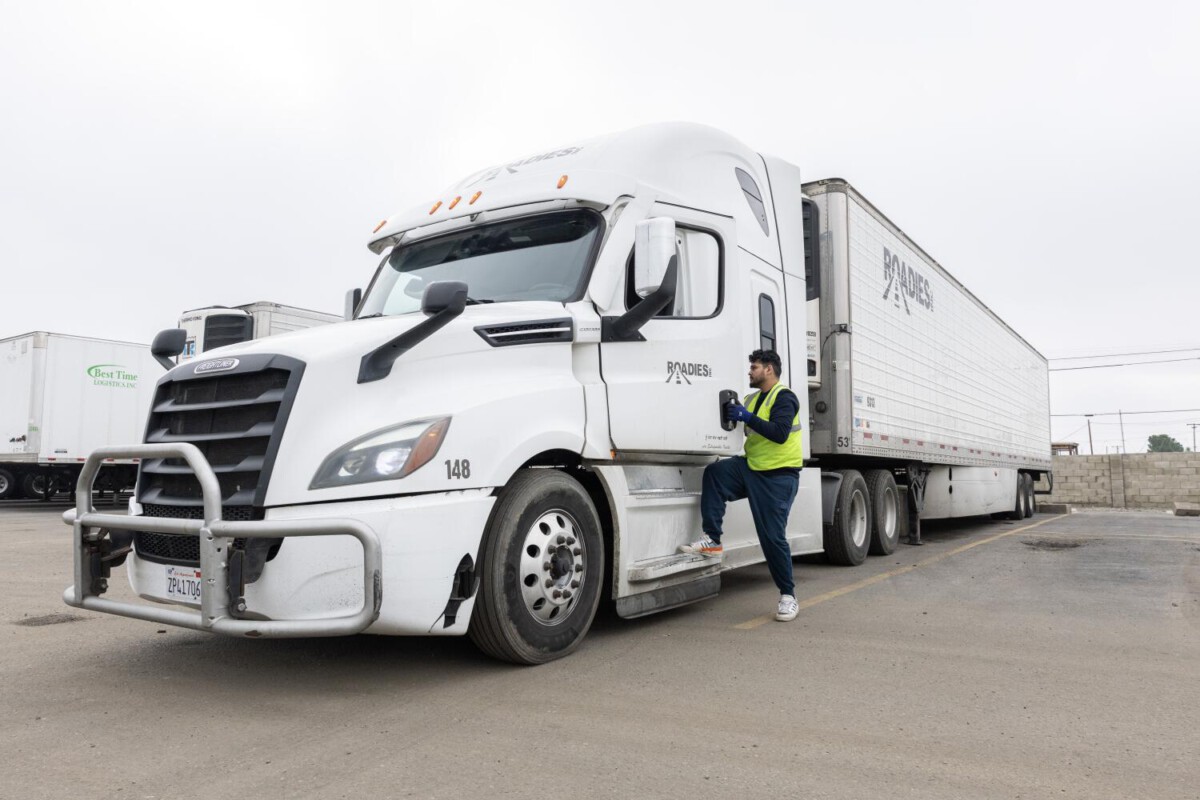


The Roots of the Licensing Conflict (Image Credits: Ca-times.brightspotcdn.com)
California – A bold state initiative to extend commercial driver’s licenses for thousands of immigrant workers has stalled amid federal opposition, leaving many in professional limbo as the new year approaches.
The Roots of the Licensing Conflict
California’s Department of Motor Vehicles initially moved to revoke approximately 17,000 commercial driver’s licenses issued to non-domiciled immigrants, a decision prompted by scrutiny from federal authorities. These licenses had been granted to individuals in the country without permanent legal status, including asylum seekers and DACA recipients, allowing them to operate trucks and buses essential to the state’s economy. The revocations were set to take effect at the start of 2026, threatening livelihoods in an industry already strained by driver shortages.
State officials responded swiftly, announcing plans last week to reissue the licenses and challenge the federal restrictions. This move aimed to protect vulnerable workers, many of whom are Sikh truckers who have long contributed to California’s logistics sector. However, the enthusiasm faded quickly when the Federal Motor Carrier Safety Administration indicated no such authorization had been granted, effectively halting the reissuance process.
Federal Pushback and Broader Implications
The Trump administration’s transportation policies have intensified focus on immigration enforcement in licensing, criticizing states like California for issuing credentials to those without full legal residency. Officials from the Department of Transportation argued that federal law requires proof of lawful presence for commercial licenses, a standard California had navigated through non-domiciled provisions until recent audits exposed discrepancies. This denial underscores a growing rift between state autonomy and national security priorities in transportation regulation.
Critics within the federal government highlighted safety concerns, noting that some recipients lacked English proficiency or full compliance with federal training mandates. The administration’s stance aligns with earlier actions, such as revoking similar licenses in other states, and signals a potential escalation in oversight of state DMVs. For California, this rejection not only disrupts immediate plans but also raises questions about future compliance amid ongoing political tensions.
Human Impact on California’s Trucking Workforce
Immigrant drivers, who make up a significant portion of the state’s 500,000-plus truckers, now face uncertainty over job security and income. Many have invested years in obtaining certifications and building careers, only to confront expiration dates that could ground their operations. Community advocates, particularly from Sikh organizations, have voiced frustration, describing the situation as a “political football” that endangers families reliant on these roles.
The trucking industry, vital for moving goods through ports like Los Angeles and Long Beach, could suffer ripple effects from this impasse. Shortages might delay shipments and increase costs, hitting businesses already recovering from supply chain disruptions. Drivers expressed disappointment in interviews with local media, emphasizing their adherence to safety standards despite immigration status.
- Sikh truckers, who form a key demographic among affected holders.
- Asylum seekers awaiting legal resolutions.
- DACA recipients with temporary protections.
- Other non-domiciled workers in logistics and public transit.
- Bus operators serving rural communities.
Potential Paths Forward Amid Stalemate
California officials have not ruled out legal challenges or negotiations with federal regulators to find a workaround. The DMV indicated it would pause revocations while exploring options, buying time for affected drivers to prepare alternatives like temporary permits. Advocacy groups are mobilizing support, urging Congress to clarify rules on non-domiciled licenses to prevent similar conflicts nationwide.
Industry experts suggest that broader reforms, such as streamlined visa programs for truckers, could address root causes. Meanwhile, some drivers are turning to private training firms for recertification under stricter guidelines. The situation highlights the intersection of immigration policy and economic needs, with California’s ports handling over 40% of U.S. imports at stake.
| Stakeholder | Position | Key Concern |
|---|---|---|
| California DMV | Support reissuance | Workforce stability |
| Federal DOT | Enforce denial | National security and safety |
| Immigrant Drivers | Seek extensions | Livelihood preservation |
Key Takeaways:
- Federal denial affects up to 20,000 licenses, primarily for immigrant truckers.
- California’s economy relies heavily on these workers for freight transport.
- Legal battles may define the future of state-federal licensing dynamics.
As this dispute unfolds, the balance between enforcement and economic vitality remains precarious, reminding us of the human stories behind policy clashes. What steps should states take to protect essential workers in such scenarios? Share your thoughts in the comments below.