

Think you can spot your next big ally from a mile away? Most of us believe we have a sixth sense about who’ll stand by us when it matters. We gravitate toward the obvious candidates – the friend who always agrees, the colleague who laughs at our jokes, the person who seems eager to please.
Here’s the thing, though. Research on workplace alliances shows they’re built on integrity and trust, not surface-level agreeability. The person destined to become your strongest supporter often flies under the radar, exhibiting subtle behaviors that most people completely overlook. They’re not the loudest cheerleader in the room. They might even challenge you occasionally.
What if the coworker who questions your ideas or the acquaintance who keeps professional distance is actually positioning themselves to become your most valuable advocate? Let’s explore the counterintuitive signs.
They Challenge You Rather Than Simply Agreeing
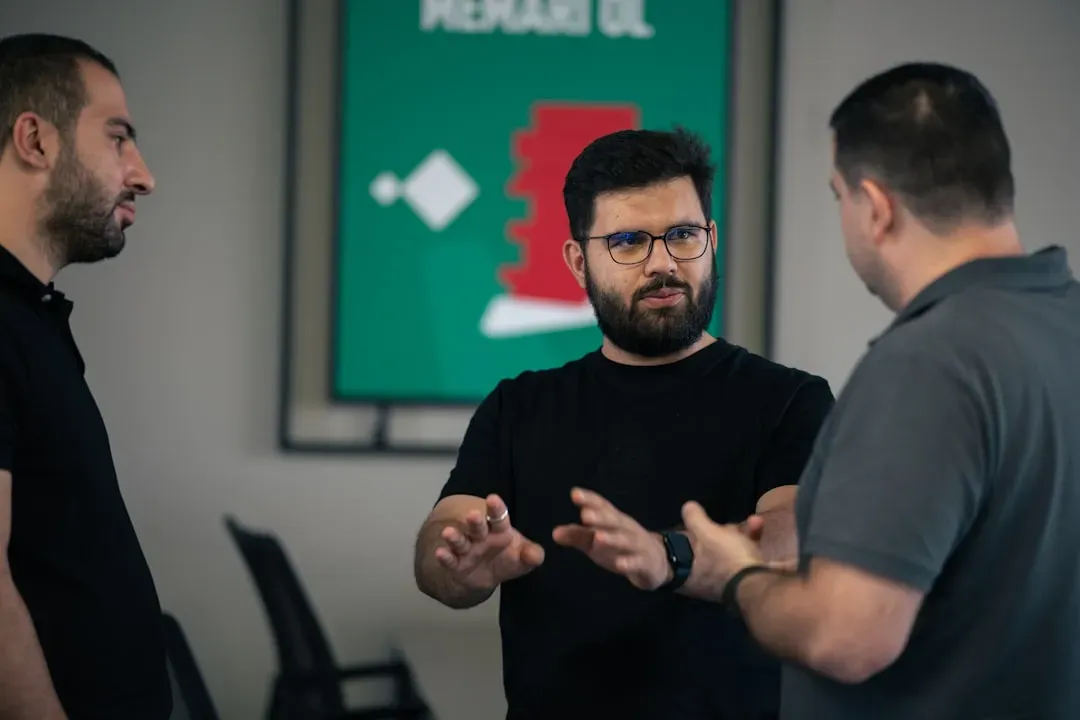
The person who nods along to everything you say feels good in the moment. Yet genuine supporters don’t just validate your every thought. Behavioral indicators of future support include supportiveness and readiness to assist colleagues when needed, which sometimes means offering constructive pushback.
When someone respectfully questions your approach or points out potential blind spots, they’re investing mental energy in your success. This isn’t about being contrary for the sake of it. It’s about caring enough to engage critically with your ideas rather than offering empty praise. Building alliances requires genuine interest in co-workers’ responsibilities and challenges, and becoming helpful and valuable to people is when relationships start forming.
Think about it this way. Someone who challenges you is showing they believe you’re capable of handling difficult conversations. They’re treating you as an equal worth engaging with intellectually. That’s the foundation of a powerful alliance that will last beyond the next project or crisis.
They Maintain Professional Boundaries Initially

We often mistake immediate warmth for future loyalty. The person who overshares on day one or tries to become your best friend instantly might not be your most reliable ally down the line. One good deed won’t be enough to form an alliance, as alliances need nurturing and regular engagement.
Paradoxically, the individual who maintains appropriate professional distance early on may be positioning for a more sustainable relationship. They’re taking time to observe, learn, and understand the landscape before committing their support. Building alliances taps into virtues like humility and cooperation, and effective alliances provide a multiplying effect by unlocking diverse perspectives. This measured approach suggests emotional intelligence and strategic thinking.
I’ve seen this pattern repeatedly in organizational settings. The colleague who took weeks to warm up often became the one who showed up when things got tough. They weren’t playing games or being cold. They were simply being deliberate about who they invested their professional capital in supporting.
They Ask More Questions Than They Answer

The best way to learn how to support a marginalized group or colleague is to listen to what that person is saying. This principle extends beyond social justice contexts into everyday alliance building. Future supporters are often exceptional listeners who gather information before offering solutions.
Notice who asks thoughtful questions about your work, your challenges, or your perspective on situations. These questions aren’t small talk – they’re reconnaissance. Some alliances form naturally because you bond over shared interests, goals, or concerns. The person asking questions is determining whether your interests align with theirs and where they might add value.
To become a successful ally, you first need to understand your existing beliefs, feelings, and attitudes, and examine your motivations and behaviors with an open mind. Someone who asks questions is doing this internal work. They’re not rushing to declare allegiance. They’re building a foundation of understanding that will make their eventual support far more effective and meaningful than superficial cheerleading ever could be.
They Demonstrate Consistency Across Different Contexts

Watch how someone behaves when you’re not the most important person in the room. The future supporter doesn’t dramatically shift their demeanor based on who’s watching or what they might gain in the moment. Key behavioral indicators include willingness to actively participate in team projects and readiness to assist colleagues regardless of personal benefit.
This consistency signals integrity. One of the biggest benefits of allies is the ability to connect with peers in a constructive way, and having support of others is extremely important in career-building efforts. Someone who treats the intern with the same respect they show the CEO is revealing their core values. When you eventually need support, these values will guide their actions more reliably than any promise made in a moment of enthusiasm.
I think this is where most people get it wrong. We’re attracted to charisma and charm, mistaking performance for character. The person who’s steady, predictable, and treats everyone with baseline respect might seem boring compared to the dynamic personality who lights up every room. Yet when crisis hits, you’ll want the steady one in your corner every single time.
They Build Relationships With Your Other Supporters

Here’s a subtle sign that’s easy to miss. The key to cultivating alliances is being proactive, making networking an ongoing practice, and reciprocating by making introductions for others. Pay attention to who’s connecting with people in your network even when you’re not directly involved.
A future supporter understands that helping you isn’t just about the direct relationship between the two of you. It’s about positioning themselves within the broader ecosystem of people who care about your success. Effective alliances provide a multiplying effect, unlocking diverse perspectives necessary for making sense of reality while cultivating continuous improvement. Someone who invests in knowing your team, your mentors, or your advocates is building infrastructure for future support.
This behavior demonstrates sophisticated thinking about how influence actually works. They’re not just offering to help you directly – they’re creating multiple pathways through which they can amplify your work, connect you with opportunities, or advocate for you when you’re not present. That’s the hallmark of someone who’s not just friendly but strategically committed to your success. One of the most effective ways of being an ally is lending financial, technical, or human resources to help groups gain long-term power, whether through grants, political support, or housing control.
The most powerful alliances in your life probably won’t announce themselves with fanfare. They’ll develop quietly through consistent actions, thoughtful questions, and strategic relationship building that you might not even notice until you suddenly realize someone has become indispensable to your success. The key is recognizing these patterns early, so you can nurture relationships with people who are genuinely invested in seeing you thrive.
What subtle signs have you noticed in people who later became your strongest supporters?