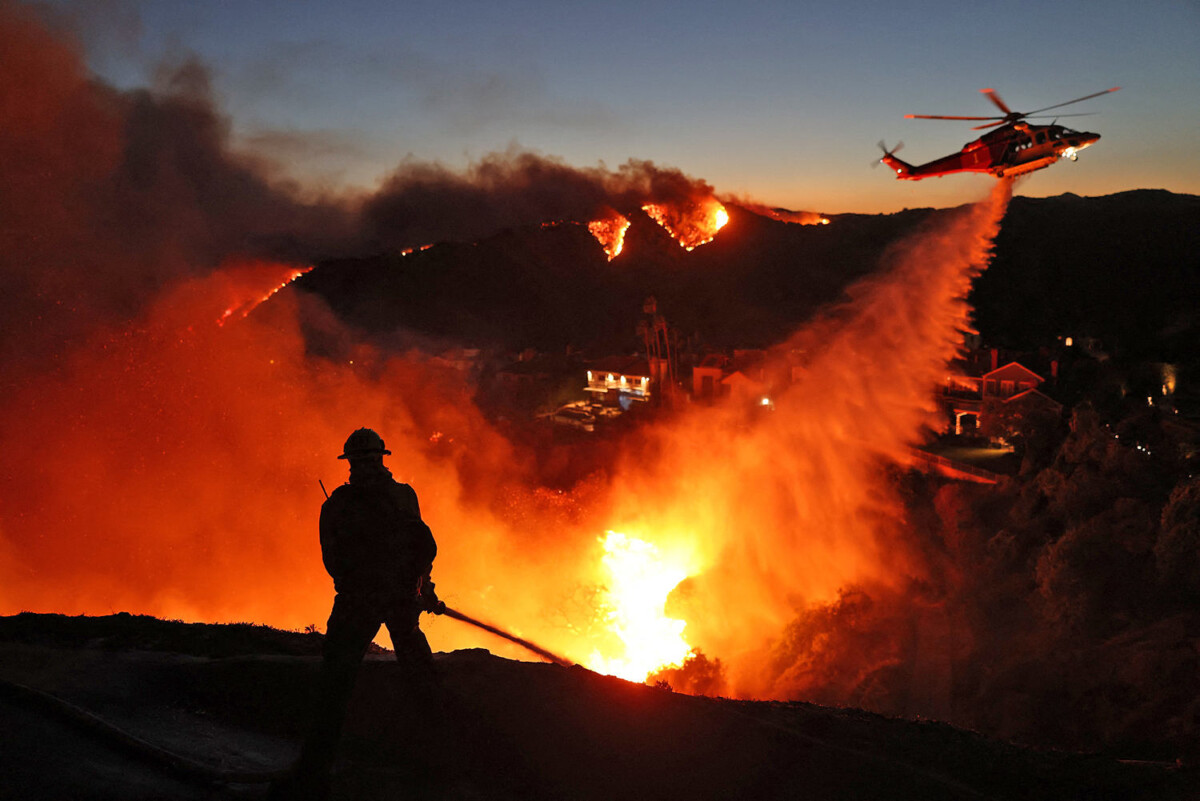

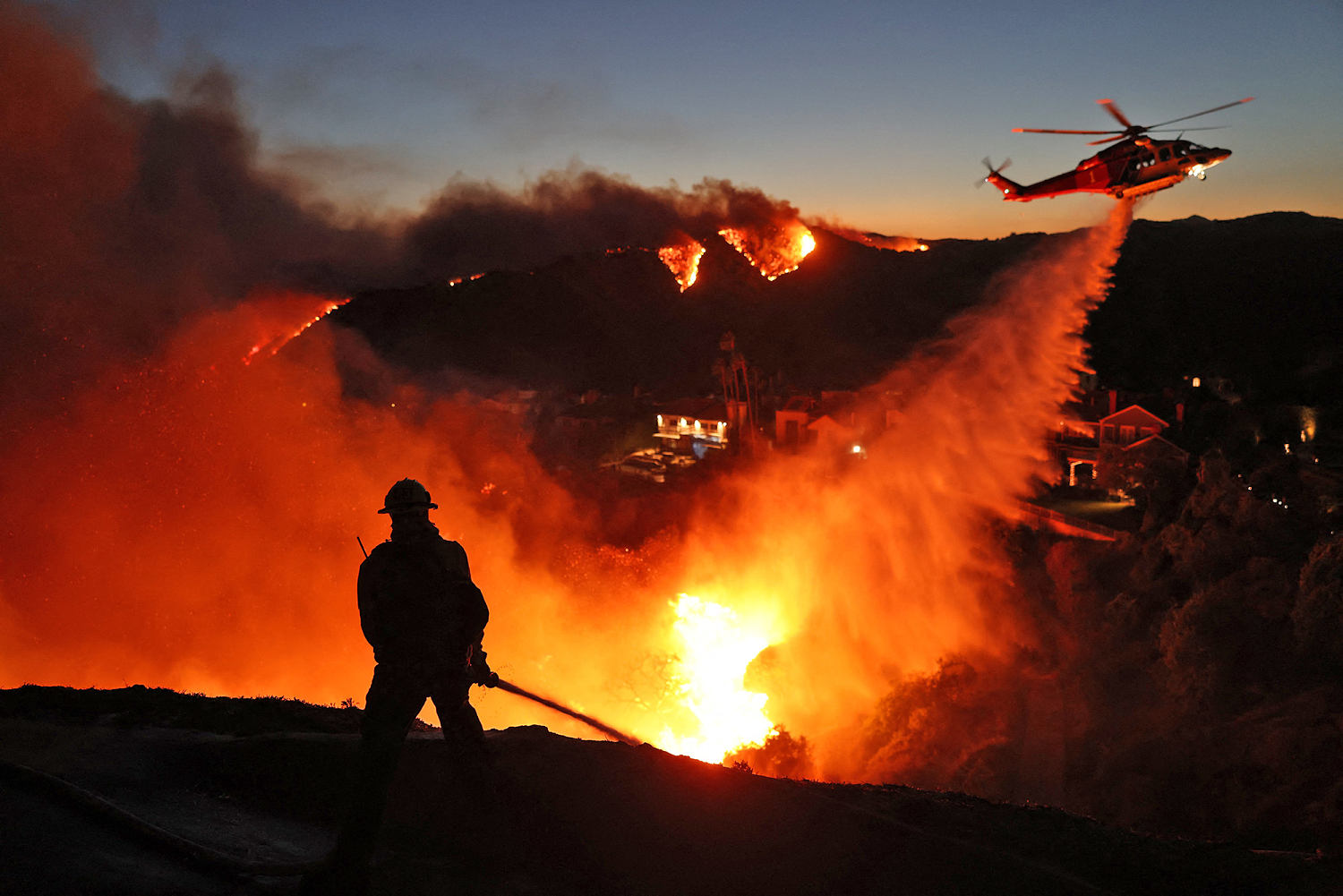
The Blaze’s Brutal Impact on Vulnerable Lives (Image Credits: Media-cldnry.s-nbcnews.com)
Los Angeles – The Palisades Fire that scorched through upscale neighborhoods in early 2025 left senior living facilities in ruins, forcing hundreds of older adults from their routines and forcing a reckoning with vulnerability in wildfire-prone areas.
The Blaze’s Brutal Impact on Vulnerable Lives
The fire, which ignited on January 7 and burned until the end of the month, razed multiple senior living complexes in the Pacific Palisades area. Structures that once provided safe havens for independent aging crumbled under flames fueled by dry winds and dense vegetation. Emergency evacuations unfolded in chaos as residents, many in their 80s and 90s, grabbed what they could before fleeing.
At least 800 individuals from these facilities lost their homes overnight, according to reports from local recovery teams. The destruction extended beyond buildings to shatter daily support systems, including communal meals and medical check-ins. Firefighters battled the inferno across thousands of acres, but the speed of the blaze overwhelmed initial containment efforts. Officials later highlighted how the fire’s rapid spread caught even prepared communities off guard. In the aftermath, search teams combed the debris for weeks to account for everyone safely.
Severed Ties and the Human Cost
For the seniors affected, the fire did more than destroy property; it upended social networks built over decades. Longtime neighbors who shared stories in common rooms now faced isolation in temporary shelters scattered across the region. Many had lived in these communities for years, viewing them as extensions of family. The sudden displacement amplified health concerns, with some requiring immediate medical attention amid the stress.
Recovery data from Los Angeles County reveals that nearly a year later, 75 percent of Palisades fire victims, including seniors, remain in interim housing. This prolonged limbo has tested resilience, yet stories emerge of quiet endurance. Local aid organizations stepped in with essentials, but the emotional toll lingered as residents mourned lost mementos and routines. The blaze also exposed broader vulnerabilities in urban-wildland interfaces, where aging populations face heightened risks from climate-driven disasters.
Renewed Purpose Fuels the Return
Despite the devastation, a strong undercurrent of determination pulses through the affected senior groups. Many express a deep attachment to the Palisades, citing its ocean views and community spirit as reasons to rebuild. Local builders and nonprofits have initiated reconstruction projects, with the first new homes rising from the ashes by late 2025. Residents who once feared permanent relocation now plan their comebacks, drawing strength from shared experiences.
This resolve manifests in active participation during recovery planning sessions. Seniors have voiced needs for fire-resistant designs and enhanced evacuation protocols in future developments. County recovery efforts, detailed on official sites like LA County Recovers, emphasize phased returns to ensure safety before repopulation. Though challenges persist, such as debris clearance and infrastructure repairs, the collective will to return has inspired broader community support. One year on, these efforts signal a shift toward more resilient living options tailored for older adults.
Lessons from the Flames: Building Back Stronger
After-action reviews from agencies like CAL FIRE point to gaps in staffing and communication that exacerbated the fire’s reach. These insights now guide improvements, including better coordination between state parks and local responders. For senior communities, the focus turns to proactive measures like upgraded water systems and community alert networks. Experts stress the importance of integrating such lessons to prevent repeats in fire-vulnerable zones.
Reconstruction timelines vary, but optimism grows as permits for senior-specific housing advance. The process underscores a broader narrative of adaptation in the face of escalating wildfires. While full recovery stretches into 2026, the seniors’ commitment offers a beacon for others.
- Evacuation challenges highlighted the need for specialized transport for mobility-impaired residents.
- Temporary housing shortages strained resources, prompting calls for expanded emergency shelters.
- Community bonds proved vital, with peer support groups forming in displacement centers.
- Rebuild plans prioritize green spaces and defensible perimeters to deter future fires.
- Financial aid from federal and state programs aids uninsured losses, though bureaucratic hurdles slow progress.
Key Takeaways
- The Palisades Fire displaced over 800 seniors, destroying essential living facilities.
- Nearly 75% remain in temporary setups, but determination drives return efforts.
- Recovery focuses on resilient designs to safeguard against future wildfires.
As reconstruction progresses, the story of these seniors reminds us of human tenacity amid loss. Their drive to return not only rebuilds homes but rekindles community vitality. What aspects of disaster recovery do you find most inspiring? Share your thoughts in the comments.