

Breakthroughs in Biodegradable Plastics (Image Credits: Unsplash)
As 2025 drew to a close, stories of progress and innovation emerged quietly amid the year’s dominant challenges, offering glimmers of hope for a more sustainable future.
Breakthroughs in Biodegradable Plastics
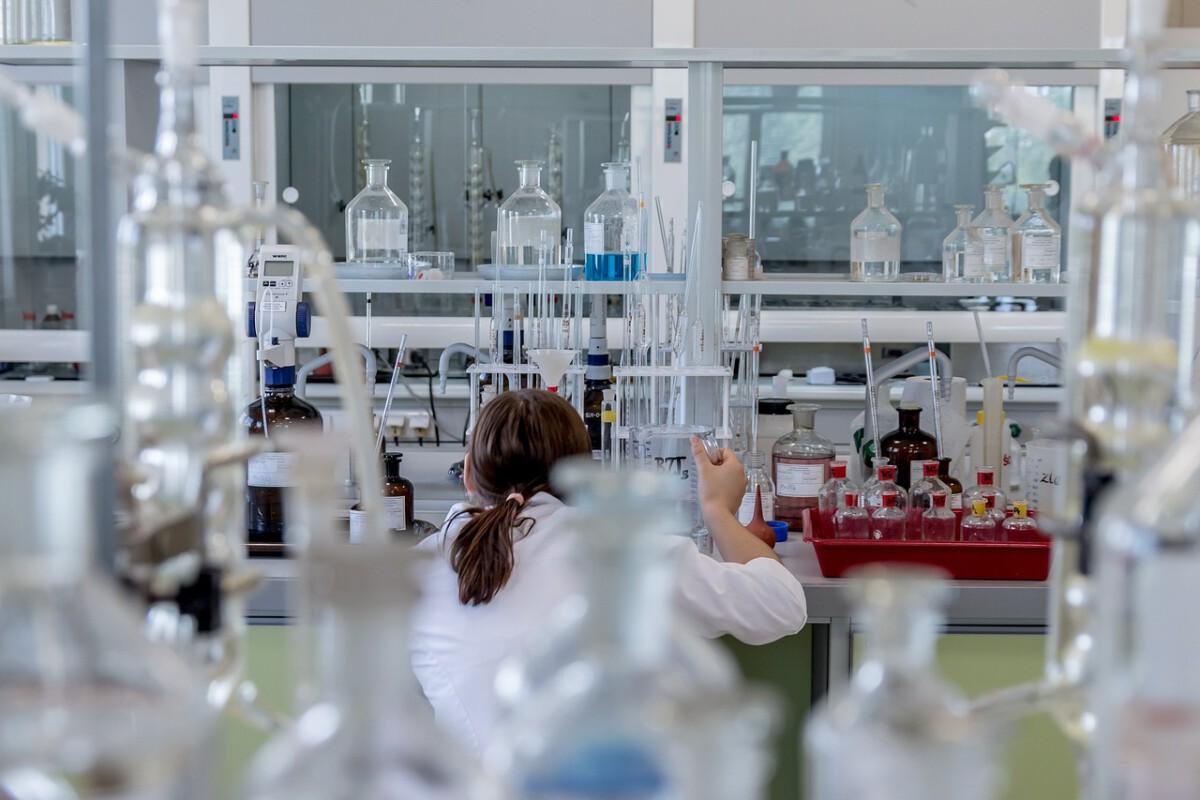
Innovations in material science took significant steps forward this year, with researchers developing plastics that break down naturally without leaving harmful residues. These advancements addressed long-standing environmental concerns by providing alternatives to traditional petroleum-based products. Companies and labs worldwide tested prototypes that decomposed in soil and water within months, reducing the burden on landfills and oceans.
One key development involved enzymes engineered to accelerate the degradation process, turning waste into harmless byproducts. This progress built on years of experimentation and gained traction through collaborative efforts between academia and industry. By year’s end, several prototypes entered pilot programs for packaging and agricultural uses, signaling a shift toward circular economies. Such innovations promised to curb the annual influx of millions of tons of plastic pollution into ecosystems.
Supporting Migratory Birds Amid Habitat Pressures
Conservationists reported encouraging results from initiatives designed to protect migratory bird populations, which faced threats from climate shifts and urban expansion. Volunteers and organizations set up safe corridors and monitoring stations across key flyways, leading to higher survival rates for species like warblers and thrushes. These efforts included habitat restoration projects that replanted native vegetation to provide essential rest stops during long journeys.
In one notable campaign, rehabilitation centers released hundreds of rescued birds back into the wild after treating injuries from collisions and exhaustion. Data from tracking devices showed improved migration patterns, with fewer interruptions reported in critical areas. Partnerships between wildlife groups and local communities amplified these outcomes, fostering greater public awareness and participation. Overall, these actions helped stabilize populations that had been declining for decades.
Building Resilience After Hurricane Impacts
Florida communities demonstrated remarkable recovery following intense hurricane seasons, implementing strategies that minimized long-term damage and enhanced future preparedness. State and local agencies coordinated cleanup operations that not only cleared debris but also incorporated eco-friendly practices to protect coastal ecosystems. Engineers introduced elevated infrastructure and mangrove barriers, which proved effective in buffering against storm surges.
Environmental reports highlighted how these measures preserved wildlife habitats while supporting human safety. For instance, protected wetlands absorbed floodwaters, reducing erosion and maintaining water quality. Collaborative funding from federal and private sources accelerated rebuilding efforts, turning affected areas into models of climate adaptation. Residents noted a renewed sense of community strength, with volunteer networks playing a pivotal role in restoration.
Broader Conservation Milestones
Beyond specific sectors, 2025 saw global wins in tackling planetary challenges, from ozone layer recovery to expanded protected lands. The Antarctic ozone hole continued to shrink, thanks to sustained international agreements limiting harmful emissions. In the Northern Great Plains, over a million acres of grasslands received safeguards through sustainable ranching, benefiting biodiversity and carbon storage.
Other highlights included discoveries of rare species in Bhutan using advanced DNA sampling, underscoring the value of untouched regions. These stories reflected a collective push toward equilibrium, with organizations like the World Wildlife Fund documenting progress in oceans and forests. Such achievements, though incremental, reinforced the impact of persistent global cooperation.
- Enzyme-based plastics degrading in weeks rather than centuries.
- Migratory bird releases boosting population recoveries.
- Hurricane-resilient designs saving ecosystems and lives.
- Ozone recovery advancing decades of policy success.
- Protected grasslands enhancing wildlife corridors.
Key Takeaways from 2025’s Good News:
- Biodegradable innovations reduce plastic waste at its source.
- Bird conservation efforts yield measurable survival gains.
- Hurricane recoveries showcase adaptive infrastructure.
These underreported stories remind us that progress often unfolds in quiet determination, paving the way for a more resilient world. What positive change caught your eye this year? Share your thoughts in the comments.