

The Unexpected Find (Image Credits: Upload.wikimedia.org)
Belgrade – Authorities in Serbia’s capital successfully removed a 1,000-pound aerial bomb from World War II on Sunday, marking another reminder of the city’s turbulent past amid ongoing urban development.
The Unexpected Find
Construction workers stumbled upon the massive explosive device at a site in a bustling central district, close to residential buildings and a popular shopping mall. The discovery prompted an immediate halt to operations as emergency teams assessed the situation. Police quickly cordoned off the area to ensure public safety, underscoring the risks hidden beneath the city’s modern infrastructure. This incident highlighted how wartime remnants continue to surface in unexpected places, even decades after the conflict ended.
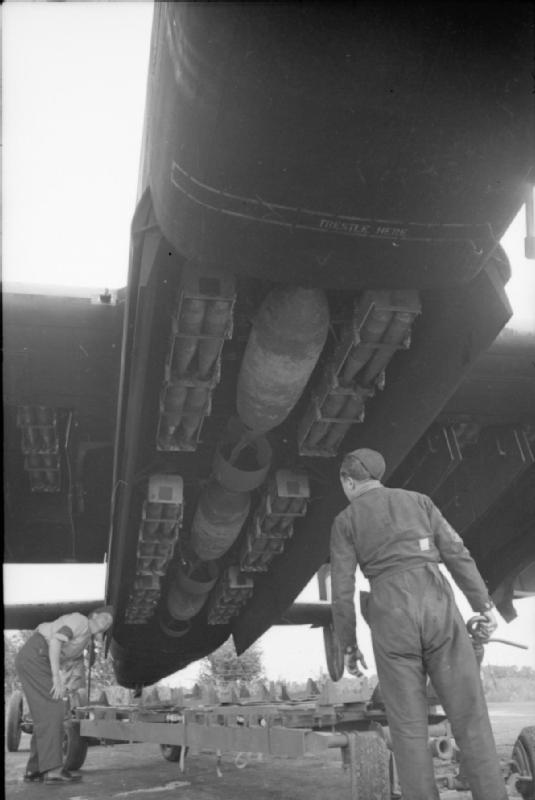
Initial inspections revealed the bomb as an American-made AN-M44 model, a type commonly deployed during Allied bombing campaigns. Experts noted its intact condition, which demanded careful handling to prevent any accidental detonation. The event drew crowds of onlookers, who gathered at a safe distance, reflecting a mix of curiosity and concern among residents.
Roots in the Liberation of Belgrade
The bomb dated back to 1944, when Allied forces, including the United States, targeted German positions during the push to free Belgrade from Nazi occupation. These air raids played a crucial role in the eventual liberation of the city, but they also left behind unexploded ordnance that has lingered in the soil. Historians point out that such devices were designed for maximum impact, yet some failed to explode on impact, burying themselves deep underground.
Belgrade’s role in World War II remains a poignant chapter in its history, with the city enduring heavy bombardment as front lines shifted. The AN-M44, weighing 470 kilograms, represented the scale of destruction unleashed during that era. Recovery efforts like this one not only neutralize threats but also preserve artifacts that offer insights into the past.
A Meticulous Removal Process
Teams from Serbia’s Ministry of Internal Affairs, including the Sector for Emergency Situations, led the operation early Sunday morning. They conducted thorough reconnaissance to map the site’s layout and confirm safe conditions for extraction. Specialized equipment allowed workers to transport the bomb to a controlled location for controlled detonation, avoiding risks to nearby structures.
The process involved evacuating hundreds from the vicinity, a precaution that minimized potential hazards. No injuries occurred, and the bomb was successfully neutralized without incident. Police emphasized the importance of public cooperation during such events, as timely reporting can prevent tragedies.
Pattern of Wartime Discoveries in Serbia
This was not an isolated case; Serbia has seen a series of similar finds in recent years, reflecting the enduring legacy of multiple conflicts. In April 2024, a large unexploded bomb from the 1999 NATO campaign surfaced in the southern city of Nis. Just months earlier, in January, authorities uncovered more than 170 World War II bombs in another location.
Other notable incidents include a 530-pound WWII device removed from a Belgrade suburb in 2021 and a nearly 300-kilogram artillery shell cleared near the Serbian parliament in September 2024. These events illustrate the challenges of building on land scarred by war.
- April 2024: NATO-era bomb in Nis
- September 2024: Artillery shell near parliament
- January 2025: 170 WWII bombs discovered
- 2021: 530-pound bomb in Belgrade suburb
Lessons from the Past
Such discoveries reinforce the need for vigilance in post-conflict regions, where urban expansion often unearths forgotten dangers. Experts recommend advanced scanning technologies for construction sites to detect these threats early. The successful removal in Belgrade served as a testament to the expertise of local response teams, ensuring the city’s progress continues safely.
As Serbia balances remembrance with modernization, events like this prompt reflection on the costs of war. For more details, see the report from CBS News.
Key Takeaways
- Unexploded WWII ordnance remains a hazard in urban areas like Belgrade.
- Allied bombs from 1944, such as the AN-M44, continue to be found during construction.
- Rapid response by authorities prevents potential disasters and protects communities.
In a city shaped by history, these relics remind us that the past is never fully buried. What stories from your region’s history have surfaced in recent developments? Tell us in the comments.