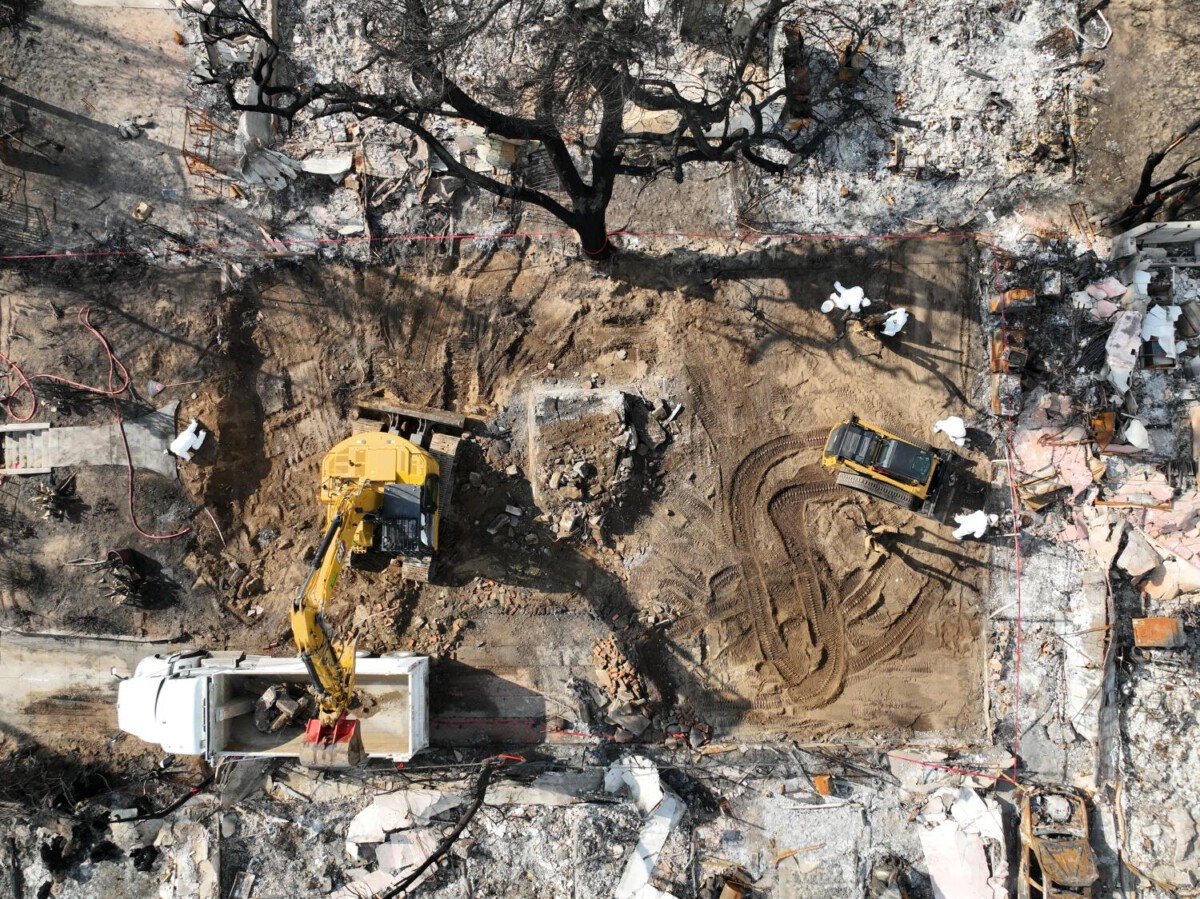

Deep Dive into Cleanup Oversight Reveals Alarming Patterns (Image Credits: Ca-times.brightspotcdn.com)
Los Angeles – Officials uncovered a series of compliance failures and a serious accusation of unauthorized waste disposal during the cleanup following devastating January wildfires.
Deep Dive into Cleanup Oversight Reveals Alarming Patterns
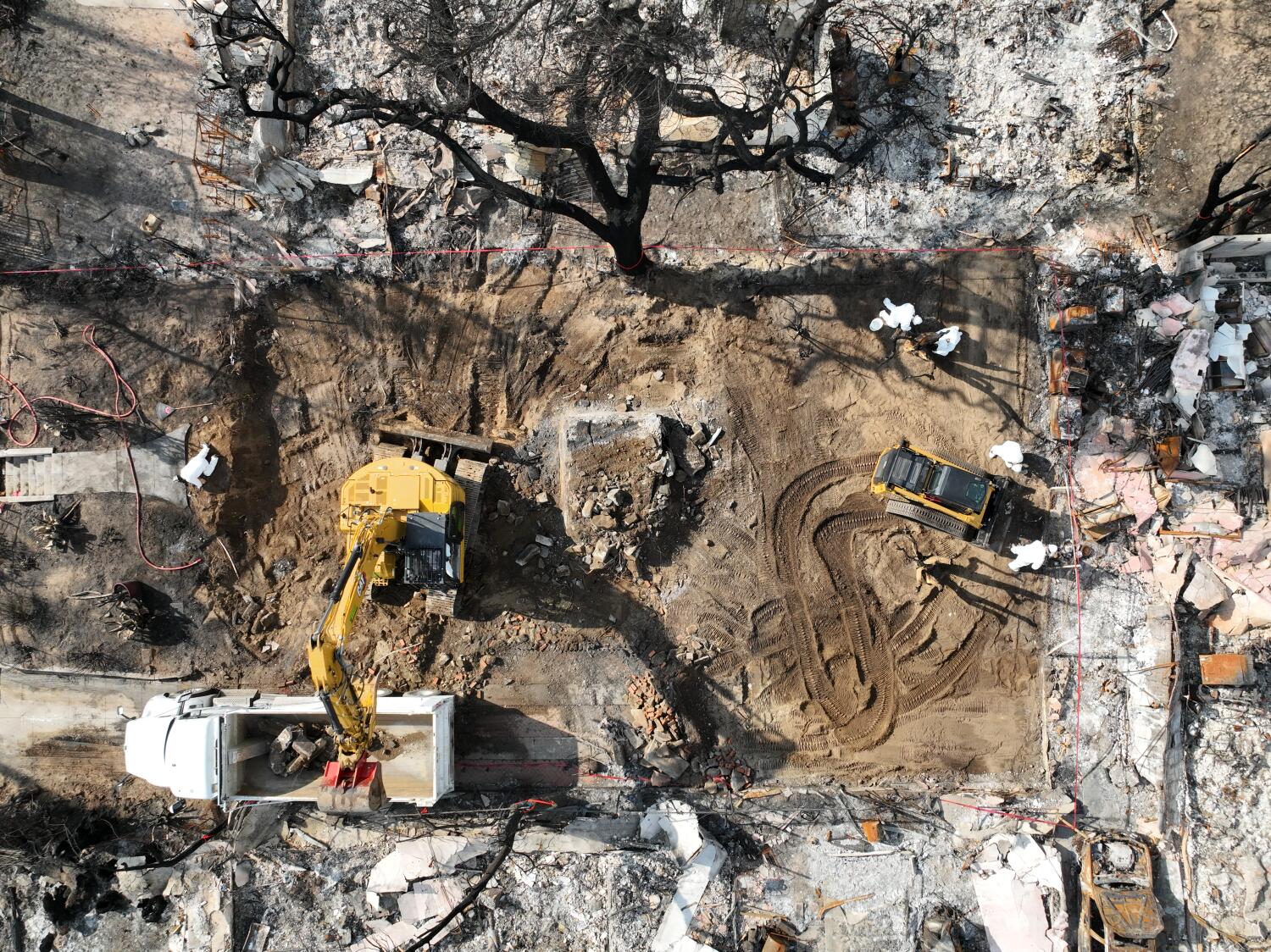
Investigators pored over thousands of pages of quality assurance documents from the U.S. Army Corps of Engineers, which oversaw the soil decontamination efforts after the Eaton and Palisades fires ravaged communities. What they found painted a troubling picture of lapses in protocol that compromised the operation’s integrity. Crews repeatedly deviated from established safety and environmental standards, raising questions about the effectiveness of the entire remediation process.
These reports highlighted instances where workers bypassed proper containment measures for hazardous materials, potentially exposing nearby areas to contaminants. The scale of the fires had left behind toxic ash and debris across hundreds of properties, making thorough cleanup essential for resident safety. Yet, the documented irregularities suggested that haste or oversight might have undermined those goals. Authorities now face the challenge of addressing these shortcomings while ensuring long-term public health protections remain in place.
Community Frustrations Mount Over Testing Shortfalls
A survey conducted by the Department of Angels, a nonprofit formed in response to the blazes, captured the growing discontent among affected residents. The group reached out to 2,300 individuals whose homes suffered damage or destruction, revealing that about one-third sought soil testing but received no support. This gap left many feeling isolated in their recovery efforts, as they navigated contamination risks without official guidance.
One resident’s account underscored the sense of abandonment: “The government abandoned testing and left us on our own,” the victim wrote. “We have each had to find out what is the best route to test and remediate, but without standardization and consistency, we are a giant experiment.” Such sentiments echoed through the responses, highlighting a disconnect between federal aid promises and on-the-ground realities. Local leaders have since called for expanded testing programs to rebuild trust and provide clarity for homeowners eyeing reconstruction.
Allegations of Illegal Dumping Add Fuel to the Fire
Amid the compliance issues, a particularly grave claim surfaced regarding the improper disposal of fire-related waste. Reports alleged that some materials from the cleanup sites ended up in unauthorized locations, violating environmental regulations designed to prevent pollution. This incident, if substantiated, could trigger further investigations into how contractors managed the massive volume of debris generated by the fires.
Illegal dumping has long plagued Los Angeles, with general reports from county agencies noting it as any unauthorized waste disposal on public or private land. In the context of wildfire recovery, such actions carried heightened risks due to the presence of heavy metals and chemicals in the ash. Officials emphasized that proper channels, like those offered by the city’s Bureau of Sanitation, exist to handle bulky items and hazardous waste without incurring illegal practices. The allegation prompted immediate reviews to trace the waste’s path and hold responsible parties accountable.
Broader Implications for Disaster Response in California
The findings from these cleanup operations extend beyond the immediate sites, offering lessons for future wildfire responses across the state. California frequently battles intense blazes, and ensuring robust oversight in post-fire phases proves crucial for minimizing secondary environmental harms. Past events, such as unplugged oil wells in areas like Baldwin Hills, have similarly exposed cleanup vulnerabilities, prompting legal actions against polluters.
Stakeholders, including environmental groups and city departments, stressed the need for stricter monitoring and training for contractors. For more details on the investigation, see the full report from the Los Angeles Times. As rebuilding accelerates, these revelations serve as a reminder that recovery demands vigilance at every step.
In the wake of these disclosures, Los Angeles residents and officials alike must prioritize transparent and compliant practices to safeguard communities from lingering fire aftermaths. What steps do you believe should follow to prevent future lapses? Share your thoughts in the comments.
- Quality assurance reports documented multiple protocol breaches during soil cleanup after the January fires.
- A community survey showed one-third of affected residents lacked access to needed soil testing.
- Allegations of illegal dumping highlight ongoing challenges in waste management for disaster recovery.