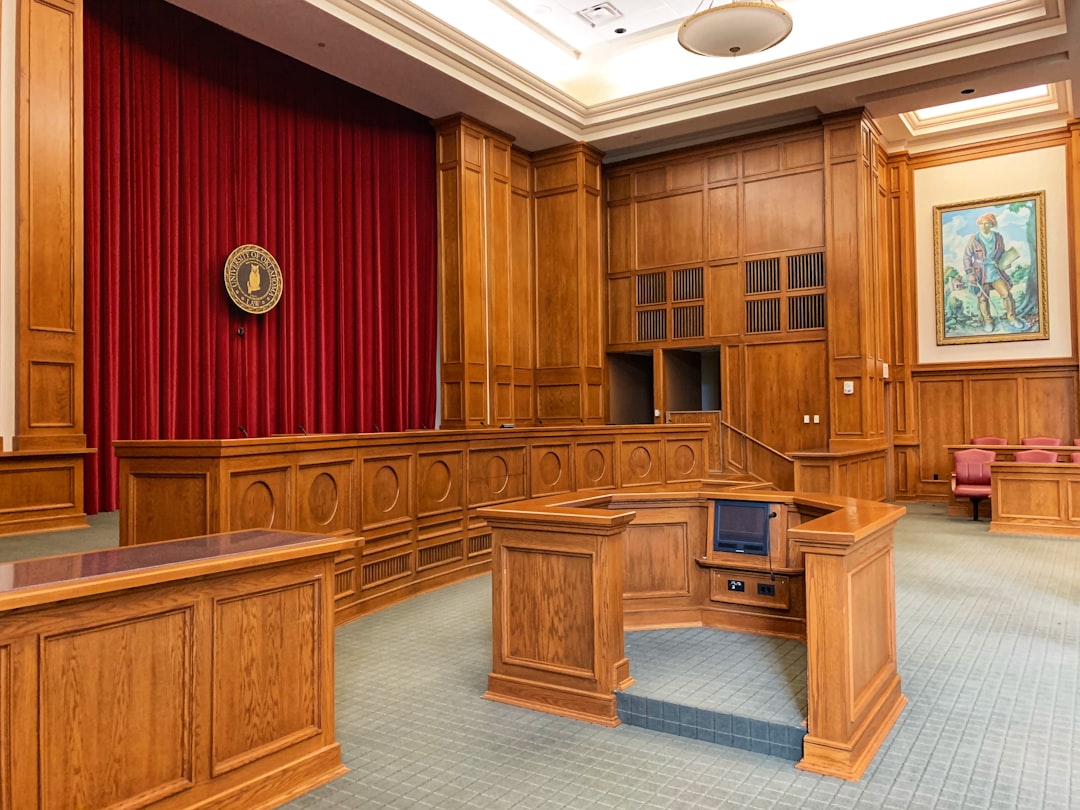


The Tense Encounter in South LA (Image Credits: Unsplash)
Los Angeles – A federal judge’s recent decision to dismiss charges against a popular TikTok streamer has exposed serious flaws in the handling of his detention following a confrontation with immigration agents.
The Tense Encounter in South LA
In October, Carlitos Ricardo Parias, known online as a TikTok content creator, found himself at the center of a chaotic immigration enforcement operation in South Los Angeles. Federal agents from Immigration and Customs Enforcement, or ICE, moved in to detain individuals during a raid. What began as a routine action escalated quickly when Parias was shot by an agent amid the confusion. He faced immediate arrest and subsequent indictment on charges of assaulting a federal officer.
The incident drew widespread attention due to Parias’ online presence, where he often streamed daily life in the community. Witnesses described a scene of panic, with agents executing warrants in a residential area. Parias, a 44-year-old resident, sustained injuries that required medical attention before his transfer to ICE custody. This event not only highlighted tensions around immigration enforcement but also set the stage for a legal fight that would unfold over the following months.
Challenges in Detention and Access to Justice
Once in ICE detention, Parias encountered significant hurdles in preparing his defense. Authorities restricted his ability to communicate with his attorney, a right guaranteed under the Constitution. Such limitations persisted for extended periods, preventing timely consultations and strategy discussions. Meanwhile, the government lagged in providing essential discovery materials, including evidence related to the shooting and his interactions with officers.
Defense attorneys argued that these delays and denials amounted to a deliberate obstruction of due process. Parias remained in custody as his trial date approached, amplifying the pressure on his legal team. The lack of prompt access to counsel raised questions about the fairness of the proceedings from the outset. Federal rules require swift disclosure of evidence, yet prosecutors missed multiple deadlines, further complicating the case.
The Judge’s Decisive Intervention
U.S. District Judge Fernando M. Olguin stepped in just days before the scheduled trial, issuing an order that halted the proceedings entirely. He pointed to the clear deprivation of Parias’ Sixth Amendment rights, emphasizing how the restricted attorney access undermined the entire case. The judge also criticized the prosecution’s non-compliance with discovery obligations, noting that this failure prejudiced the defendant’s ability to mount a proper defense.
In his ruling, Olguin described the violations as fundamental and irreparable. The decision came on a Saturday, catching many observers off guard and underscoring the urgency of the constitutional issues at play. By dismissing the indictment with prejudice, the judge ensured the charges could not be refiled in this context. This outcome marked a rare rebuke of federal handling in immigration-related criminal matters.
Implications for Immigration Enforcement
The dismissal has sparked discussions about broader systemic problems within ICE operations and federal prosecutions. Critics argue that such incidents reflect ongoing concerns over detainee rights during enforcement actions. For instance, similar complaints have surfaced in other cases involving live-streamers or bystanders caught in raids.
Here are key factors that contributed to the judge’s decision:
- Prolonged denial of private attorney meetings in detention.
- Missed deadlines for turning over video footage and witness statements.
- Impact on the defendant’s health and preparation due to extended isolation.
- Violation of federal speedy trial standards amid the delays.
- Overall prejudice to a fair trial opportunity.
Legal experts view this as a reminder that constitutional protections apply even in immigration contexts. The case may influence future oversight of ICE detentions, prompting calls for better protocols.
Looking Ahead: Justice Served or Wake-Up Call?
This ruling serves as a powerful affirmation that no one is above the law, including federal agencies, when fundamental rights are at stake. It leaves Parias free from the assault charges but does not resolve the underlying questions about the shooting itself. As immigration debates continue, outcomes like this could push for reforms in how detentions are managed.
- The dismissal highlights the importance of immediate access to legal counsel in federal custody.
- Government delays in evidence sharing can derail even high-stakes trials.
- This case underscores tensions between enforcement actions and individual rights.
What are your thoughts on how such incidents affect trust in immigration authorities? Share in the comments below.