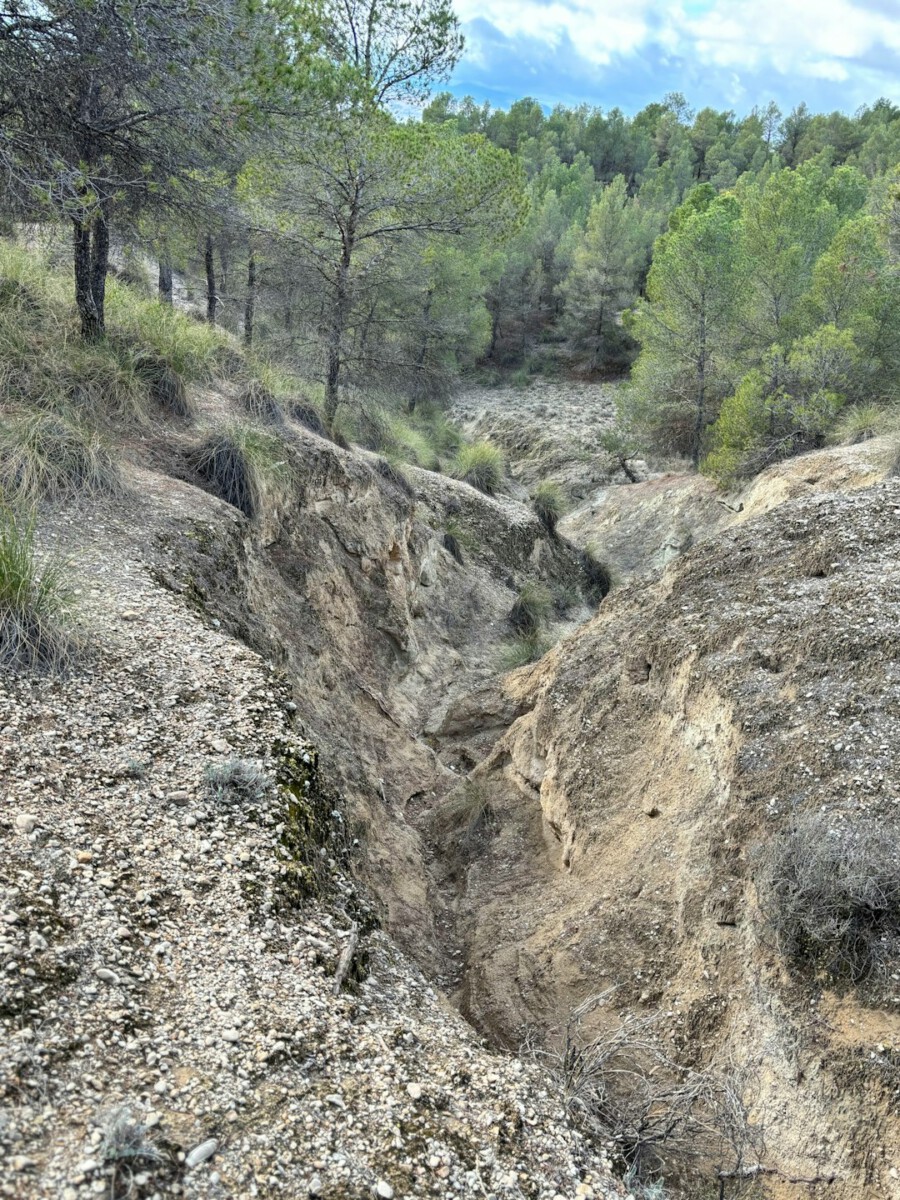


The Devastating Onset of the Storm (Image Credits: Unsplash)
Lytle Creek, California – A powerful holiday storm has left residents of this remote San Bernardino County mountain community isolated and overwhelmed by thick layers of mud that buried homes and roadways.
The Devastating Onset of the Storm
Heavy rains battered the region over Christmas Eve, unleashing torrents of water that quickly turned into destructive mudflows. What began as a festive season quickly spiraled into chaos as floodwaters surged through narrow canyons and overwhelmed local infrastructure. Homes in the Happy Jack neighborhood stood directly in the path of the deluge, with mud piling up to several feet in some areas.
Emergency responders arrived too late to prevent the worst damage, as the storm’s intensity caught many off guard. Residents described the sudden onslaught as a wall of debris crashing down without warning. The event echoed past floods in the area, but this one struck with unusual ferocity, washing away years of stability in mere hours.
Collapse of Critical Infrastructure
The most immediate barrier to recovery came when the bridge on Sycamore Drive gave way under the force of the runoff. This vital link connected the isolated neighborhood to the outside world, and its failure stranded dozens of families. Without it, vehicles could not pass, forcing residents to rely on foot or improvised means for any movement.
County officials assessed the site and confirmed the structure’s total loss, estimating repairs could take weeks. In the interim, the community remained in a precarious state, with supply deliveries halted and medical access severely limited. The isolation amplified the sense of vulnerability, as even basic errands became impossible feats.
Daily Hardships in the Aftermath
Life ground to a halt for those trapped behind the mud barriers. Running water became a scarce resource, with many homes losing service entirely due to damaged lines buried under sediment. Residents resorted to bottled supplies airlifted in by volunteers, but rations stretched thin amid the ongoing crisis.
Cleanup efforts proved backbreaking, as shovels and buckets served as primary tools against the heavy muck. Power outages affected thousands in nearby areas like Wrightwood, compounding the challenges with cold nights and spoiled food. Families shared stories of digging out personal belongings piece by piece, a process that tested their endurance.
Among the broader impacts, roads throughout San Bernardino County suffered extensive erosion, with more than 10 inches of rain recorded in some spots. Bridges and culverts failed across multiple sites, turning familiar routes into impassable hazards.
Steps Toward Restoration and Future Risks
Relief arrived on Sunday when county crews installed a temporary bridge, restoring limited access to the affected area. This makeshift solution allowed essential vehicles to cross, bringing in food, water, and equipment for the first time since the storm. Officials coordinated with local agencies to prioritize the most vulnerable households.
Yet optimism tempered with caution, as forecasts warned of additional storms through the New Year’s period. Waterlogged soils raised fears of renewed flooding and mudslides, particularly in burn scar zones from recent wildfires. Evacuation orders lingered in parts of Orange County, signaling the region’s fragile state.
| Storm Impact | Current Status |
|---|---|
| Mud accumulation | Up to several feet deep in neighborhoods |
| Infrastructure damage | Multiple bridges collapsed; roads eroded |
| Utility disruptions | No running water; widespread power loss |
Key Takeaways
- Residents face immediate isolation but show remarkable resilience in cleanup.
- Temporary fixes provide hope, though full recovery demands time and resources.
- Upcoming weather threatens to exacerbate the damage already inflicted.
As Lytle Creek begins to rebuild, the storm serves as a stark reminder of nature’s power in vulnerable mountain terrains. Communities like this one highlight the need for robust preparedness against escalating climate patterns. What steps can local authorities take to prevent future isolations? Share your thoughts in the comments.