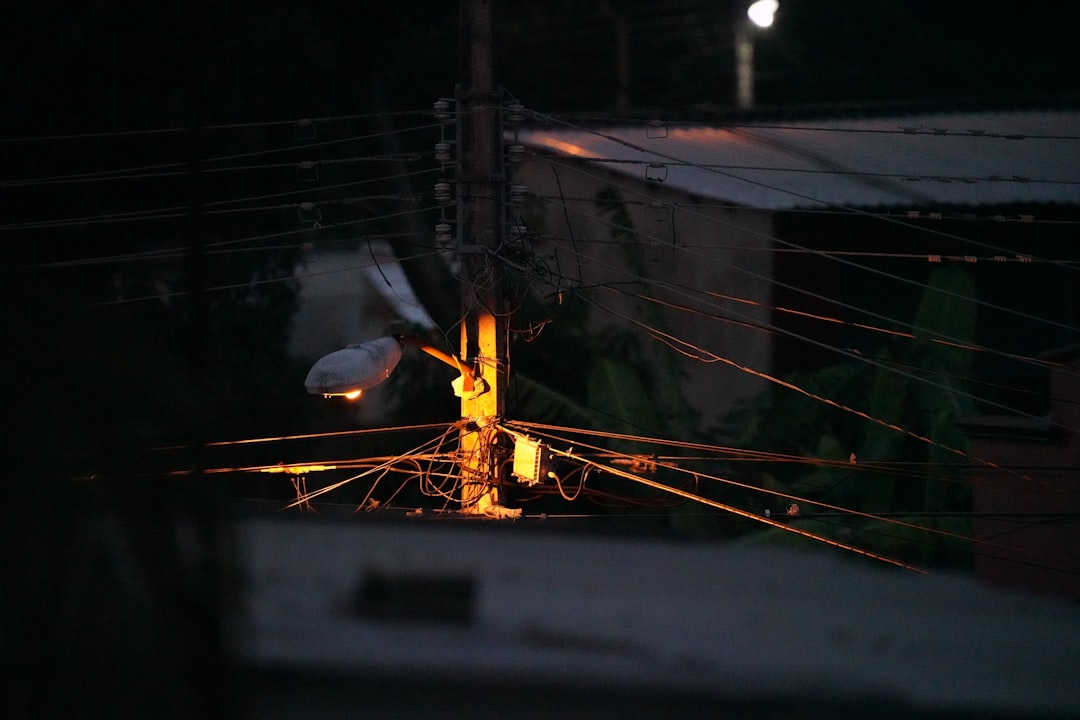


A Wake-Up After the Eaton Fire (Image Credits: Unsplash)
California state regulators have directed Southern California Edison to examine its dormant transmission lines for potential fire hazards, spotlighting vulnerabilities in aging infrastructure that contributed to recent devastating blazes.
A Wake-Up After the Eaton Fire
The Eaton wildfire, which ravaged communities earlier this year, traced its origins to a century-old transmission line owned by Southern California Edison. Investigators pinpointed electrical equipment failure as the spark, underscoring how neglected infrastructure can ignite catastrophe in fire-prone regions. This incident prompted swift regulatory intervention, as officials recognized the broader dangers posed by unused lines scattered across the state.
Regulators at the California Public Utilities Commission issued the order last week, requiring Edison to assess and mitigate risks on these outdated assets. The move addresses a pattern of oversight lapses, including delayed inspections in high-risk wildfire zones. Edison must now prioritize surveys, potentially leading to line removals or reinforcements to prevent future ignitions. Such steps aim to protect residents from the escalating threats of climate-driven wildfires.
Neglected Maintenance and Rising Costs
Documents reveal that Edison charged customers hundreds of millions for maintenance on aging lines in the years leading up to the Eaton fire, yet much of the work remained incomplete. State records show approvals for these expenditures, but actual inspections and upgrades fell short, leaving vulnerabilities exposed. This discrepancy has fueled criticism from consumer advocates, who argue that ratepayers bore the burden without corresponding safety gains.
The utility now faces pressure to accelerate catch-up efforts, including targeted inspections and potential undergrounding of lines in vulnerable areas. Regulators criticized Edison’s wildfire preparedness months before the blaze, highlighting insufficient progress on risk mitigation. These revelations have intensified scrutiny on how utilities balance profits with public safety, especially as wildfire seasons grow more severe.
Broader Implications for Utility Infrastructure
California’s grid includes thousands of miles of transmission lines, many dating back decades and susceptible to failure under extreme conditions. Unused segments, often left in remote, vegetated areas, pose hidden risks if not monitored. The regulatory order extends beyond Edison to influence statewide standards, pushing for comprehensive audits across investor-owned utilities.
Experts note that factors like high winds and dry conditions exacerbate line failures, mirroring scenarios seen in past events. While the focus remains on wildfires, similar vulnerabilities could amplify dangers during storms, including potential hurricanes that bring heavy rains and gusts to Southern California. Strengthening these assets requires investment, but it promises long-term resilience against multiple weather threats.
Key Challenges and Proposed Solutions
Implementing the order involves logistical hurdles, such as accessing remote lines and evaluating their structural integrity. Edison has committed to compliance, outlining plans for phased assessments starting in high-priority zones. Consumer groups advocate for greater transparency in reporting progress, ensuring accountability in fund allocation.
To address these issues systematically, regulators could enforce stricter timelines for upgrades. Here are some potential measures under consideration:
- Regular aerial and ground inspections using advanced technology like drones.
- Vegetation management around lines to reduce ignition sources.
- Phased retirement of lines deemed too hazardous to repair economically.
- Integration of smart grid sensors for real-time monitoring.
- Collaborative funding models to share costs between utilities and state programs.
These steps, if adopted, could significantly lower fire ignition risks from electrical infrastructure.
Key Takeaways
- Century-old unused lines represent a overlooked wildfire hazard in California.
- Edison’s past maintenance shortfalls contributed to the Eaton fire’s ignition.
- Regulatory orders demand immediate action to safeguard communities and infrastructure.
As California grapples with intensifying climate challenges, this regulatory push signals a critical shift toward proactive grid safety. Utilities must evolve to meet these demands, or risk repeating history’s costly lessons. What steps do you believe should follow to protect against future disasters? Share your thoughts in the comments.