

A Community’s Prolonged Ordeal (Image Credits: Flickr)
Pacific Palisades, California – Months after a ferocious wildfire reduced the Palisades Bowl Mobile Estates to ashes, former residents received word that the long-stalled debris removal process will commence on January 2.
A Community’s Prolonged Ordeal
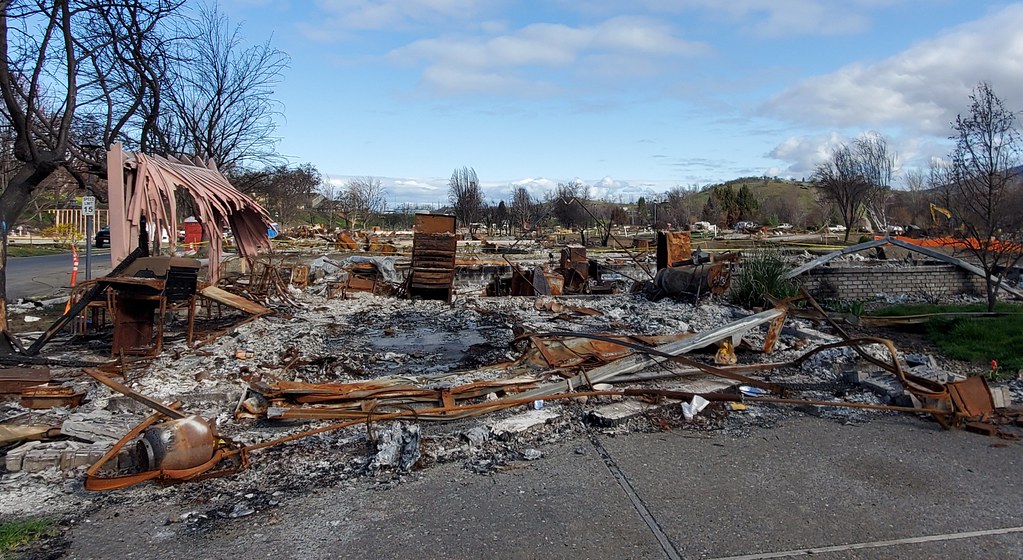
The Palisades fire, one of California’s most destructive blazes in recent memory, swept through the approximately 170-unit mobile home park in early 2025, leaving behind a landscape of charred remains and twisted metal. Families who once called this affordable enclave home watched helplessly as their lives burned away. For many, the park represented a rare slice of stability in the high-cost Los Angeles area, with ocean views and a sense of community that now feels like a distant memory.
Since the fire’s aftermath, bureaucratic hurdles and ownership disputes delayed any meaningful recovery efforts. The site’s owners, Biggs Asset Property Management, initially faced exclusion from federal aid programs because authorities deemed them financially capable of handling the cleanup independently. This decision sparked frustration among displaced residents, who argued that the prolonged inaction only deepened their hardship. As winter approached, concerns mounted about environmental hazards from the untreated debris, including potential toxins leaching into the soil.
Steps Toward Renewal
Recent notices distributed to former residents signal a turning point, promising that crews will begin hauling away the wreckage starting Friday. This development follows persistent advocacy from community groups and local officials, who lobbied for inclusion in broader disaster recovery initiatives. The U.S. Army Corps of Engineers had been active in nearby areas, clearing fire debris from Altadena and other Pacific Palisades sites, but the mobile home park lagged behind until now.
Officials emphasized that the cleanup will prioritize safety, with teams assessing hazardous materials before full-scale removal. Residents expressed mixed emotions upon receiving the updates; while some welcomed the news as a step forward, others remained skeptical based on past unfulfilled promises. The process could take weeks, depending on the volume of debris and weather conditions, but it marks the first concrete action in nearly a year.
Challenges and Uncertainties Ahead
Even as cleanup looms, questions linger about the park’s future. Will the owners rebuild, or will the site be repurposed? Earlier reports indicated no firm plans for reconstruction, leaving former tenants in limbo regarding their right to return. The affordable housing crisis in Los Angeles amplifies these worries, as displaced families have scattered to temporary shelters or more expensive rentals across the region.
Environmental experts have highlighted the risks of delayed debris removal, such as soil contamination and fire hazards during dry seasons. Local authorities coordinated with federal agencies to ensure compliance with strict protocols, including proper disposal of asbestos and other toxins common in mobile homes. Community leaders continue to monitor progress, urging transparency from the property management firm.
Lessons from the Flames
The saga of Palisades Bowl underscores broader vulnerabilities in wildfire-prone areas, where mobile home parks often house low-income residents with limited resources for recovery. Similar delays plagued other fire-affected sites, prompting calls for streamlined federal aid processes. In the months following the blaze, neighboring communities rallied with donations and volunteer efforts, though the scale of destruction overwhelmed initial responses.
Key factors that contributed to the delay include:
- Initial denial of FEMA and U.S. Army Corps of Engineers assistance due to the owners’ financial status.
- Ongoing negotiations between property managers and local government over liability and costs.
- Logistical challenges in a densely populated urban-wildland interface.
- Legal disputes among former residents seeking compensation or relocation support.
- Seasonal weather patterns that complicated earlier cleanup attempts.
Key Takeaways
- Cleanup at Palisades Bowl begins January 2, ending months of stagnation.
- The fire destroyed over 170 units, exacerbating L.A.’s housing shortage.
- Advocacy played a crucial role in securing this progress.
As the first trucks roll in, the focus shifts to rebuilding lives rather than just clearing rubble – a reminder that recovery in disaster zones demands both urgency and equity. What steps can communities take to prevent such delays in the future? Share your thoughts in the comments below.