
“The Whole Ground Shook”: A Night Caracas Residents Will Not Forget
Just after 2 a.m. on January 3, 2026, people in Caracas shot awake to a sound they will probably never forget: a rolling series of blasts that made floors vibrate and windows rattle. At first, some residents tried to explain it away as a thunderstorm, a blown transformer, or even late-night fireworks echoing off the surrounding mountains. That illusion collapsed quickly as air raid sirens wailed, WhatsApp groups flooded with shaky videos, and plumes of dark smoke began to rise over different parts of the city. In clip after clip – including the video titled “Helicopters Fly Over Venezuelan Capital as Explosions Rock City From US strikes” – you can hear the fear in people’s voices as they film from high-rise balconies and narrow streets. The explosions did not sound like a single accident; they came in waves, with at least seven major detonations repeatedly mentioned by eyewitnesses. For many Venezuelans already worn down by years of crisis, this sudden eruption of war-like noise in the middle of the night felt shocking, surreal, and yet grimly believable all at once.
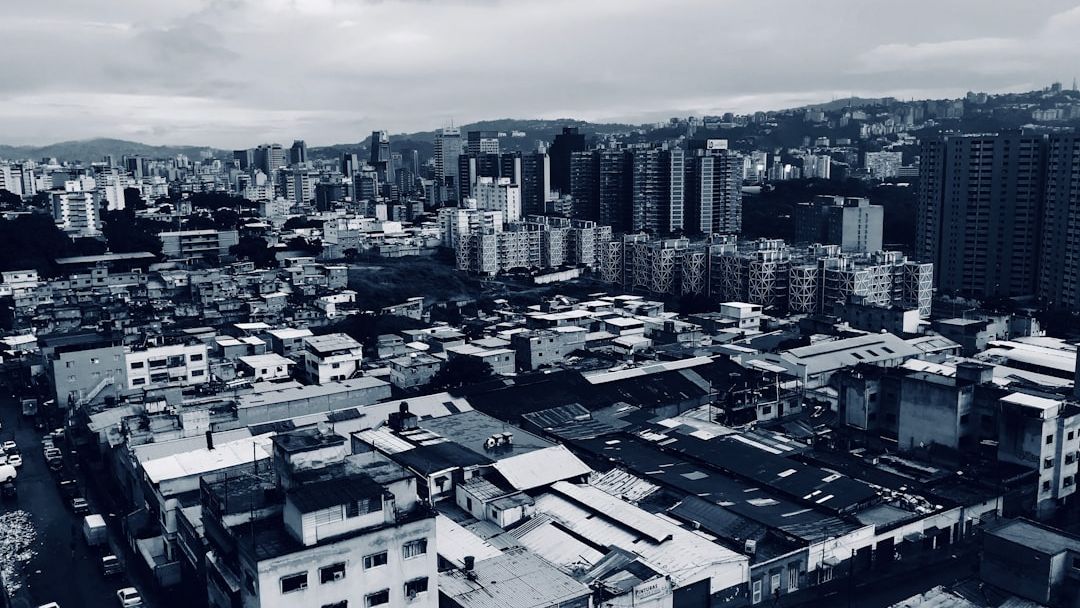
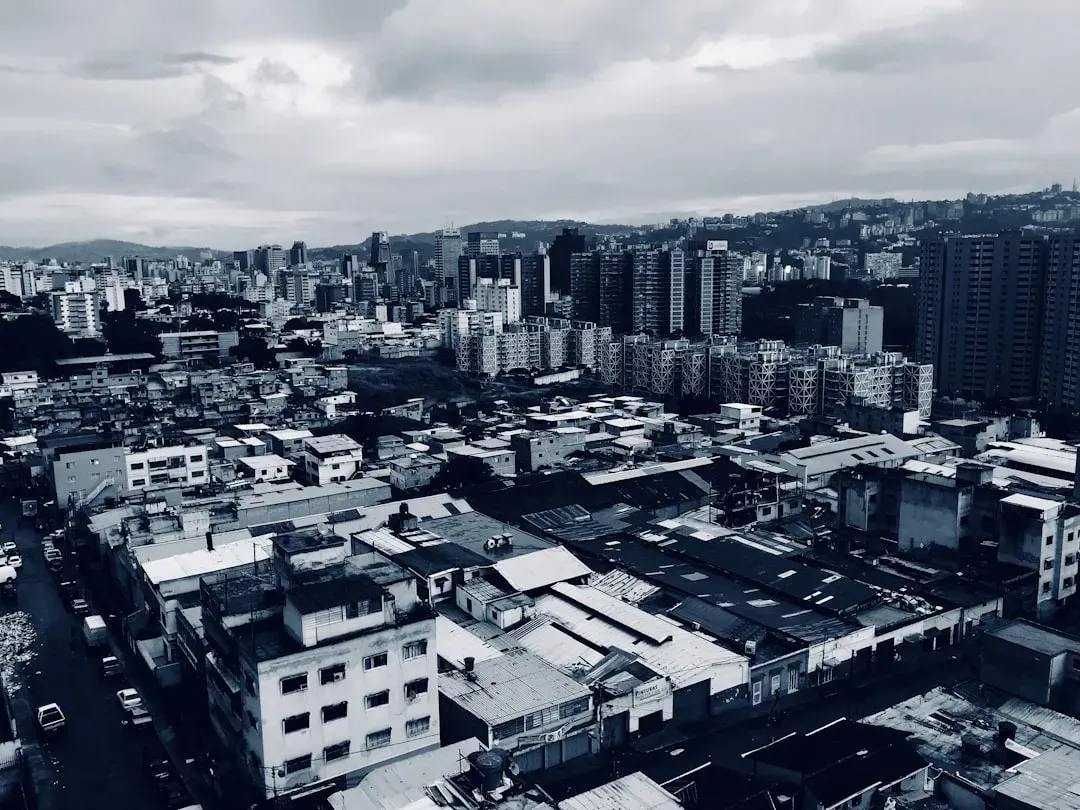
The YouTube video captures only a slice of that chaos, but it matches a larger pattern described across social media and early news reports. Low-flying aircraft, flashes on the horizon, and distant booms appear in different neighborhoods almost simultaneously. People can be heard asking where the blasts are coming from, arguing whether they are near La Carlota airbase, Fuerte Tiuna, or areas closer to the coast. What makes these images especially unsettling is how ordinary the city looks just seconds before each new flash; car alarms, barking dogs, and the faint hum of nightlife are suddenly drowned out by violence from the sky. By the time dawn approached, it was clear this was not a local accident or a random explosion. Caracas, a city of millions, had become the front line of a large, coordinated military operation ordered from thousands of miles away.
What Reportedly Happened: From Trump’s Order to Coordinated Airstrikes
According to multiple reports, the explosions seen and heard in the video were part of a wider U.S. military operation that targeted military sites in and around Caracas and across northern Venezuela. Then-President Donald Trump is said to have given the order late on January 2, 2026, after months of growing tension and threats of force against the Venezuelan government. The strikes, framed by U.S. officials as part of a larger campaign to capture President Nicolás Maduro and dismantle what they described as a narco-terrorist regime, reportedly involved more than 150 aircraft. Witness accounts and early analyses describe a coordinated series of attacks hitting several locations almost at once, suggesting a carefully staged operation rather than a single, isolated strike. The video of helicopters over the capital fits into that broader narrative: an air campaign designed to paralyze defenses, shock leadership, and enable a high-risk ground or special-operations mission.
Timeline reconstructions point to the first impacts around 2:00 a.m. local time, aligning with the moment many of the most dramatic clips were filmed. Residents in Caracas neighborhoods as well as nearby coastal and satellite towns reported repeated detonations over a period ranging from several minutes to nearly an hour. In those crucial minutes, communications began to falter, power reportedly went out in parts of the city, and rumors spread faster than verified facts. People talked about missiles, bombs, and incoming helicopters, and many assumed this was a full-scale invasion rather than a limited strike. Even now, the exact number of separate strikes and their precise targets can differ from one report to another, but the common theme is clear: this was a deliberate, multi-point assault that left the public struggling to understand what was happening while the operation was still unfolding overhead.
Targets Around Caracas: Military Sites, Strategic Assets, and Urban Shockwaves
The video’s distant booms and visible flashes are widely linked to reported hits on specific military and strategic locations in and around the capital. Early accounts repeatedly mention La Carlota airbase – officially the Generalissimo Francisco de Miranda Air Base – right in the heart of Caracas, as well as the huge Fuerte Tiuna military complex, long believed to house some of the country’s top leadership. Other reports point to Higuerote Airport to the east, coastal zones such as La Guaira and Meseta de Mamo, and urban or suburban areas like Baruta, El Hatillo, Charallave, and Carmen de Uria. Official statements from the Venezuelan government speak of strikes not only in the capital district but also in the neighboring states of Miranda, Aragua, and La Guaira, underscoring how wide the shockwaves of this operation really were. Even if the primary targets were military, the sounds and consequences of the blasts reached deep into civilian neighborhoods.
Descriptions of the targets often emphasize barracks, air-defense facilities, antennas, and other pieces of the country’s command-and-control infrastructure. If accurate, that focus suggests an effort to blind and weaken Venezuelan forces before or during an attempt to capture Maduro and his inner circle. Yet in a city as dense as Caracas, there is no clean separation between military compounds and nearby schools, apartment blocks, or small businesses. Reports of broken windows, damaged homes, and fires near the strike sites underline how any “precision” in modern warfare still ripples into ordinary people’s lives within seconds. The video footage of smoke rising behind city skylines does not show what is burning, or who is trapped inside, but viewers instinctively grasp the stakes: even one misdirected bomb in such an environment can turn an intended military blow into a civilian disaster.
Helicopters Over the Capital: What the Video Shows and Why It Matters
The defining image of the YouTube video is simple but chilling: helicopters moving low over the Venezuelan capital as explosions rumble across the city. Witnesses reported seeing rotorcraft flying in pairs or small groups, often without clear markings visible in the darkness and poor-quality footage. U.S. media and defense commentary have linked these aircraft to the 160th Special Operations Aviation Regiment – the “Night Stalkers” – a unit known for flying elite commandos into dangerous environments. In that light, the footage of helicopters skimming over Caracas is not just a random visual; it may show the human delivery system for the most sensitive part of the mission: the snatch operation to capture Maduro himself. Low-altitude flight in an urban war zone is inherently risky, which underscores the importance of suppressing air defenses early and explains the near-simultaneous airstrikes on key military installations.
Helicopters in this kind of operation can serve multiple roles at once. They may carry special operations teams to specific compounds, circle overhead to direct follow-up strikes, or provide real-time reconnaissance of target areas under attack. They can also be used for psychological effect, broadcasting the sense that the attackers are not only bombing from afar but are physically present over the city. For civilians filming from rooftops or balconies, the sound of rotors combined with distant blasts created a deeply unsettling picture: foreign forces, operating in the darkness, moving above familiar streets as if they owned the airspace. The video’s jittery framing and hurried commentary reflect that anxiety. Viewers hear uncertainty in voices asking whether more strikes are coming, whether troops will land nearby, and whether it is safer to stay indoors or run. The presence of helicopters, especially so close to residential zones, turns an already terrifying bombardment into an unmistakable sign that this is a complex and potentially long-running military incursion, not just a one-off strike from high altitude.
Explosions, Fires, and the First Visible Aftermath
Alongside the helicopter footage, other clips shared around the same time show tall columns of smoke, glowing fires near the horizon, and bright flashes that punch through the night sky. Some images capture what appears to be structural damage to hangars or military buildings, while others show debris-strewn streets and shattered windows in nearby neighborhoods. Residents describe the ground shaking, car alarms blaring, and children waking up screaming as the noise rolled through the city. In a few videos, you can see emergency vehicles weaving through traffic or idling near areas where smoke is rising, though details of their response are often obscured by distance and darkness. The overall impression, mirrored by the YouTube video, is that the city’s normal rhythms were abruptly drowned in confusion, fear, and the scramble to figure out who had been hit and how badly.
Reports from the ground mention power outages in parts of Caracas, especially in the south, along with disrupted phone and internet connections. That combination made it harder for people to reach relatives, verify rumors, or access official guidance in real time. Even small fires, when left uncontrolled in densely packed areas, can spread quickly, putting more homes and lives at risk. Yet early images do not provide a full, consistent picture of damage across the region; some neighborhoods appear almost untouched apart from the noise, while others show obvious signs of impact. The gaps in visual documentation highlight how limited a single video clip can be, even when it feels immediate and raw. While the helicopters and explosions in the footage clearly show a major event underway, they cannot on their own answer the questions that matter most to residents: who has been injured, who has died, and how long it will take before basic safety and services are restored.
Casualties, Evacuations, and Life Under Sudden Attack
In the hours after the strikes, early casualty figures were all over the map, which is sadly typical in fast-moving situations like this. Some sources spoke of multiple deaths and dozens of injuries, while others reported fewer confirmed fatalities but acknowledged that hospitals and clinics were still counting. There were also conflicting accounts about whether most of the casualties were military personnel at targeted installations or civilians caught in and around affected zones. People living closest to suspected strike sites reportedly fled their neighborhoods in a rush, carrying children, small bags, or whatever they could grab in the dark. That kind of chaotic evacuation can itself create accidents and additional injuries, especially when roads are damaged, lighting is poor, and everyone is trying to move at once away from the same danger.
Health concerns extended far beyond direct blast injuries. Fires triggered by explosions can release toxic smoke, while damaged water systems and power outages can quickly undermine basic sanitation and hospital functioning. Even short interruptions in electricity can threaten patients on ventilators, dialysis, or other life-sustaining equipment. Medical staff working under these conditions may struggle to communicate with colleagues, obtain supplies, or even confirm which facilities are still operational. In the video’s audio, you can occasionally hear sirens and panicked voices, but you cannot see the crowded waiting rooms, emergency triage areas, or makeshift treatment spaces likely forming behind the scenes. Until independent humanitarian organizations and medical authorities release more reliable data, any specific casualty count remains tentative. What is clear, both from the imagery and the wider reporting, is that ordinary Venezuelans once again bore the immediate emotional and physical burden of a geopolitical gamble decided far above their heads.
Competing Narratives: Official Statements, Claims, and Denials
As the helicopters circled and the smoke rose, governments moved quickly to shape the story. Venezuelan officials denounced the strikes as a criminal act, an invasion, and a blatant violation of their country’s sovereignty. Statements accused the United States of seeking control of Venezuela’s strategic resources, especially oil and minerals, and called on citizens and soldiers alike to resist foreign aggression. Military leaders described the attacks as “barbaric” and “deplorable,” claimed that civilians had been killed in urban areas, and promised that the country would form an indestructible wall of resistance. This mix of defiance and outrage aimed to rally domestic support, maintain a sense of national dignity, and signal to the world that Venezuela considered itself under unlawful attack.
On the U.S. side, President Trump and senior officials portrayed the operation as a necessary and successful step in dismantling a dangerous regime. Public statements emphasized narcotics trafficking, alleged corruption, and security threats as justification for the strikes and for the reported capture of Maduro and his wife. The message to domestic audiences leaned heavily on strength and decisive action; to international audiences, it leaned on law-enforcement language and the idea of protecting regional stability. Yet questions about the legality of the operation, the lack of congressional authorization, and the potential civilian toll emerged almost immediately. With both governments presenting sharply different accounts and motives, and with limited independent verification available in the earliest hours, viewers of the helicopter footage were left to navigate a thicket of claims, counterclaims, and political spin layered on top of an already frightening reality on the ground.
International Fallout, Motives, and the Bigger Picture Behind the Video
Beyond the immediate shock inside Venezuela, the reported U.S. strikes and helicopter-borne raid triggered intense reactions across the world. Some governments and political figures condemned the operation as illegal and destabilizing, warning that it set a dangerous precedent for unilateral military actions against sitting leaders. Others expressed varying degrees of support or relief at the removal of Maduro, framing the event as a long-overdue blow against authoritarianism and organized crime. International bodies faced pressure to respond quickly, whether through emergency meetings, resolutions, or calls for investigations into civilian harm and the legal basis for the attack. Financial markets, migration planners, and humanitarian agencies all had to factor this new, explosive reality into their decisions, knowing that any serious escalation could ripple across the region for years.
Possible motives behind the strikes, beyond the publicly stated ones, were the subject of intense debate. Analysts pointed to long-standing U.S. concerns about Venezuelan oil, alliances with rival powers, and the symbolism of toppling a defiant government in Washington’s near abroad. Domestic U.S. politics also loomed large in many commentaries, with some suggesting that a high-profile foreign operation could be intended to project strength or distract from internal challenges. The truth is likely to involve a messy mix of security calculations, ideological preferences, and political timing. For people on the streets of Caracas, however, the reasoning behind the operation may feel far less important than its tangible consequences: explosions in the night, helicopters overhead, homes damaged, and futures shaken. When you watch the YouTube video with that in mind, the distant flashes and thundering echoes stop being abstract “news” and instead look like what they really are for those living underneath them – the moment their city became a battlefield.
Source: Original YouTube Video