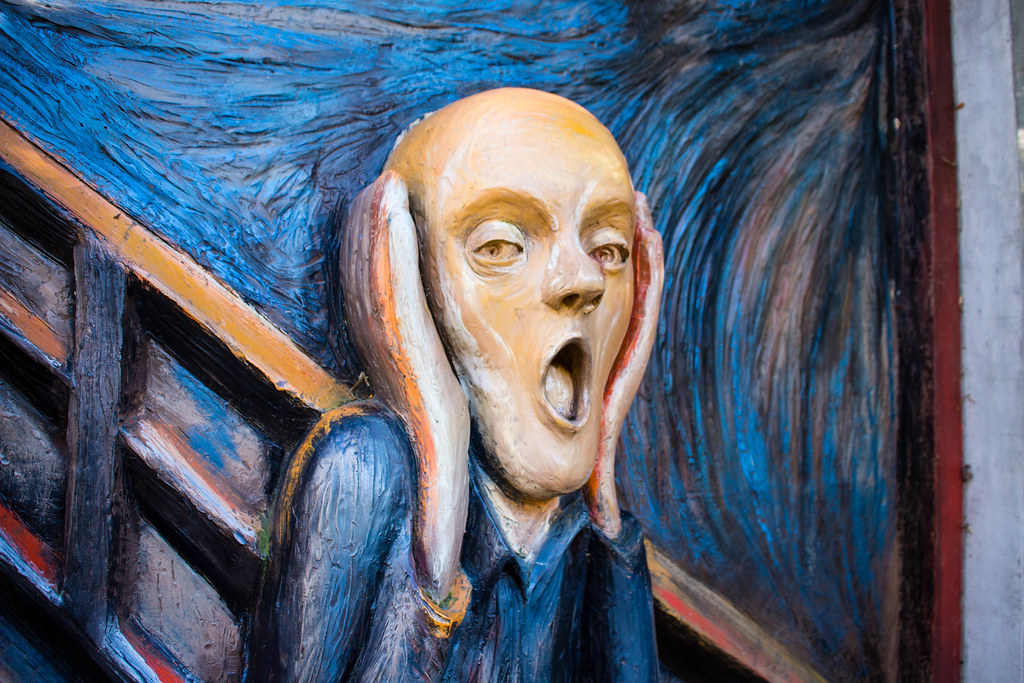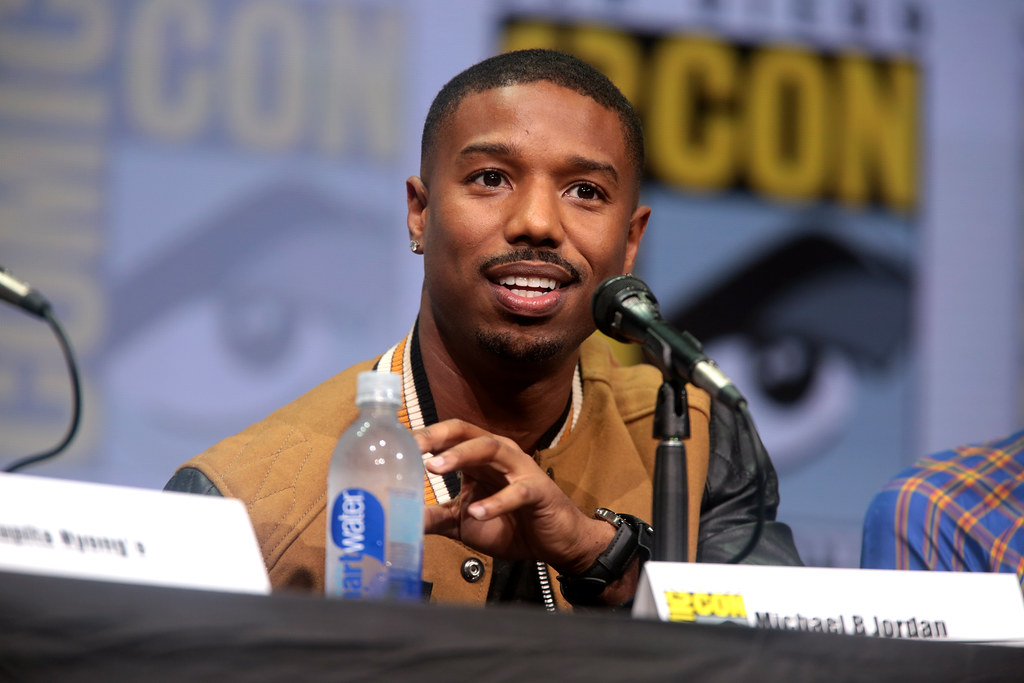


The Weight of a Villain’s Legacy (Image Credits: Flickr)
Michael B. Jordan recently revisited the profound emotional toll of embodying one of cinema’s most complex villains in a blockbuster that reshaped superhero storytelling.
The Weight of a Villain’s Legacy
Eight years after Black Panther captivated audiences worldwide, its antagonist Erik Killmonger continues to resonate deeply with the actor who brought him to life. Jordan’s portrayal earned critical acclaim and an Oscar nomination for the film’s visual effects, but the immersion came at a personal cost. He described how the character’s rage and isolation lingered long after cameras stopped rolling.
In a candid interview on CBS Sunday Morning, Jordan explained that the role demanded total emotional surrender. Killmonger, a disillusioned warrior seeking justice through vengeance, required Jordan to tap into layers of anger and abandonment. This intensity marked a turning point in his career, highlighting the unseen challenges of method acting in high-stakes productions.
Immersion Techniques That Blurred Boundaries
To authentically capture Killmonger’s psyche, Jordan adopted extreme preparation methods that isolated him from his support network. He spent extended periods alone, channeling the character’s solitary worldview to fuel his performance. This approach amplified the realism on screen but left him grappling with residual emotions once filming wrapped.
Directors and co-stars praised his dedication during production in Atlanta, where the Wakanda sets fostered a sense of communal creativity. Yet, Jordan later realized that such deep dives without boundaries could overwhelm even seasoned performers. The experience taught him the importance of structured recovery, a lesson he now shares openly to destigmatize mental health in Hollywood.
Seeking Professional Help to Decompress
Post-production, Jordan turned to therapy to unpack the emotional residue from Killmonger. He admitted that the villain’s mindset “stuck with me for a bit,” prompting sessions focused on decompression and self-care. This step proved essential in restoring balance after months of intense character work.
Therapists helped him process the isolation he imposed on himself, reinforcing that vulnerability strengthens resilience. Jordan emphasized learning to recognize when a role’s demands exceeded personal limits. His journey underscores a growing industry conversation about actor well-being, especially for roles involving trauma or moral ambiguity.
Lessons for Actors and Beyond
Jordan’s story illuminates broader mental health challenges in entertainment, where public personas often mask private struggles. He advocates for therapy as a tool, not a weakness, particularly for men conditioned to suppress emotions. Recent discussions in outlets like The Hollywood Reporter echo his sentiments, noting how immersive roles in franchises like the Marvel Cinematic Universe demand proactive safeguards.
Here are key strategies Jordan and industry experts recommend for emotional recovery after demanding roles:
- Establish clear boundaries during preparation to prevent full psychological merge.
- Incorporate regular check-ins with mental health professionals throughout filming.
- Build post-production rituals, such as journaling or physical activities, to transition back to everyday life.
- Foster open dialogues with co-stars and directors about emotional impacts early on.
- Prioritize downtime to reconnect with personal relationships strained by isolation.
Key Takeaways
- Therapy enabled Jordan to decompress from Killmonger’s lingering effects without shame.
- Isolation amplified authenticity but highlighted recovery’s necessity.
- Mental health support is vital for sustainable careers in acting.
Michael B. Jordan’s willingness to discuss therapy after Black Panther not only humanizes a Hollywood icon but also encourages others to prioritize mental wellness amid demanding pursuits. As the industry evolves, such transparency could redefine success beyond awards and box office triumphs. What are your thoughts on the mental health challenges actors face? Share in the comments below.