

Origins of the Controversial Report (Image Credits: Ca-times.brightspotcdn.com)
Los Angeles – Revelations about the handling of the after-action report on the Palisades fire have sparked fresh concerns over potential political interference in assessing one of the city’s most destructive blazes.
Origins of the Controversial Report
The Palisades fire, which ravaged thousands of acres and destroyed numerous structures in early 2025, prompted a detailed review by the Los Angeles Fire Department. That assessment aimed to identify lapses in preparation and response, especially amid challenging weather conditions exacerbated by hurricane remnants. Initial drafts pointed to critical failures, including inadequate resource allocation and communication breakdowns during the height of the crisis.
However, the process took an unexpected turn when the report underwent multiple revisions before its public release. Battalion Chief Kenneth Cook, who authored the core analysis, later expressed strong reservations about the final version. He described the changes as substantial alterations that softened accountability measures and deviated from professional standards. This internal dissent highlighted tensions within the department over maintaining an objective evaluation.
Fire Commission’s Push for Transparency
The president of the Los Angeles Fire Commission grew impatient months after the fire, pressing for updates on the delayed report. Inquiries revealed that the document had been forwarded to the mayor’s office specifically for “refinements.” This step raised eyebrows, as it suggested external input could shape the narrative around the department’s performance.
Commission members emphasized the need for an unvarnished assessment to prevent future tragedies. The fire’s toll – encompassing widespread property loss and significant economic damage – demanded rigorous self-examination. Yet, the involvement of city leadership in the editing phase fueled speculation about efforts to protect institutional reputations over public safety lessons.
Admissions from LAFD Leadership
Los Angeles Fire Chief Jaime Moore recently acknowledged that the report had been toned down to lessen criticism of departmental leadership. Speaking at a commission meeting, he committed to avoiding such modifications in the future. This concession came amid mounting evidence from internal emails and records that portrayed a deliberate softening of language.
Critics argue these edits undermined the report’s credibility, potentially hindering improvements in wildfire readiness. The department faced accusations of prioritizing image over reform, especially given the fire’s links to broader climate vulnerabilities like intensified storms. Moore’s statement marked a rare moment of candor, but it also intensified calls for independent oversight.
Broader Questions on Recovery and Governance
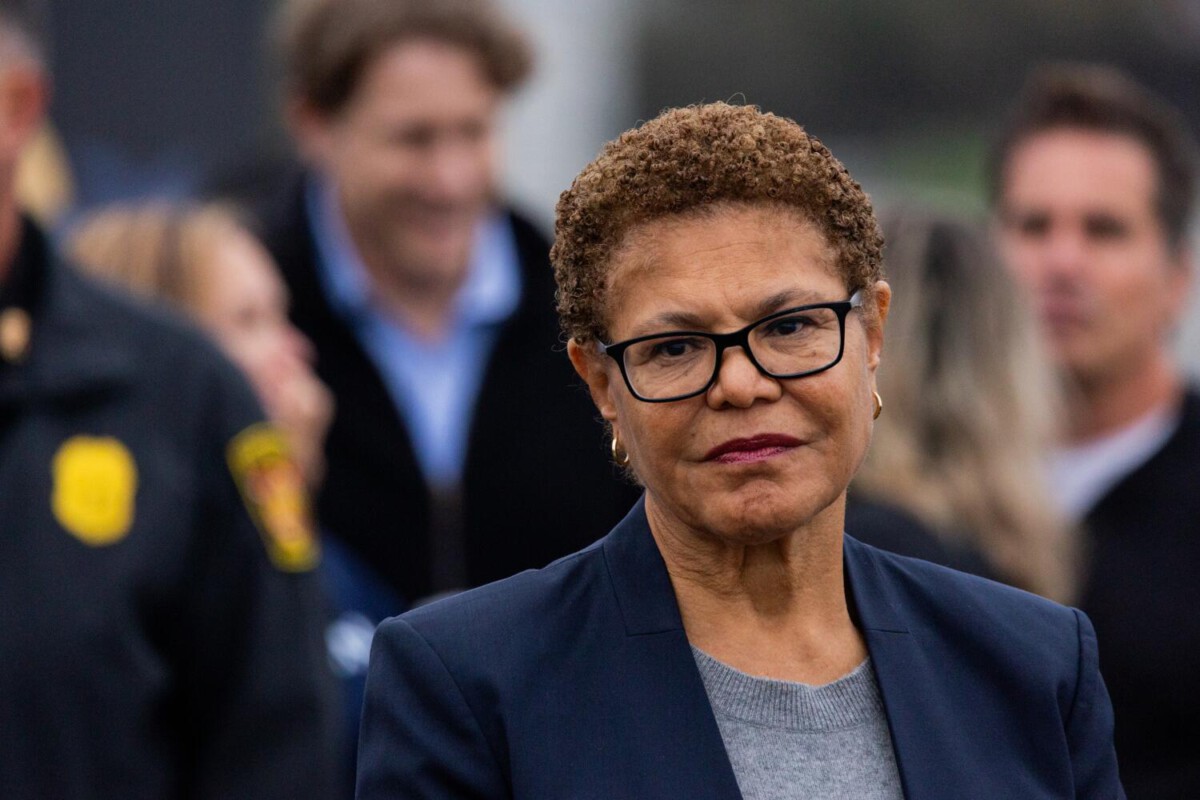
Mayor Karen Bass’ administration has navigated a turbulent year of recovery following the Palisades fire. Efforts to rebuild infrastructure and support affected residents encountered delays and reversals, eroding public trust. The report’s refinements now cast a shadow over these initiatives, prompting debates on whether political considerations overshadowed urgent needs.
Community advocates have highlighted inconsistencies in fund allocation and response strategies. For instance, aid intended for fire-damaged areas sometimes supported unrelated projects, drawing ire from locals. These missteps, combined with the report controversy, underscore challenges in balancing rapid recovery with transparent governance.
- Delayed report release extended uncertainty for victims seeking accountability.
- Revisions removed key details on resource shortages during peak fire activity.
- External edits risked diluting recommendations for better inter-agency coordination.
- Public faith in emergency preparedness remains fragile amid ongoing climate threats.
- Calls for third-party reviews grow to ensure future reports stay impartial.
Key Takeaways
- The mayor’s office refinements suggest deeper involvement in shaping official narratives.
- LAFD’s admission of watering down highlights internal pressures on honest reporting.
- Stronger safeguards are essential to protect after-action analyses from bias.
As Los Angeles reflects on the Palisades fire’s lasting scars, the push for unfiltered truth in official reviews stands as a vital step toward resilience. What steps should city leaders take next to rebuild trust? Share your thoughts in the comments.