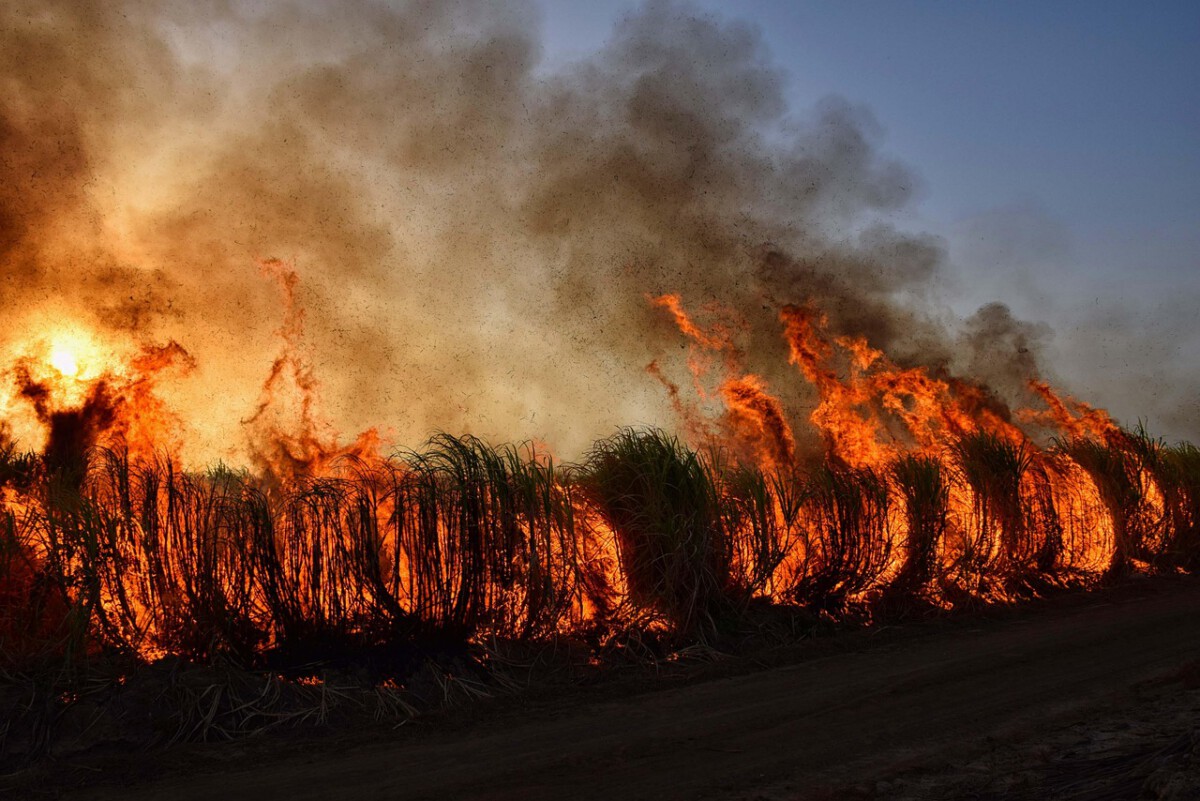


The Scars of 2025 Wildfires (Image Credits: Pixabay)
Los Angeles – As the city marks the one-year anniversary of the 2025 firestorms that ravaged communities under hurricane-force winds, officials face a pivotal year of reconstruction shadowed by historical shortcomings.
The Scars of 2025 Wildfires
The wildfires that tore through neighborhoods like Altadena, Pacific Palisades, and Malibu in January 2025 left an indelible mark on the region. Fueled by extreme dry conditions and winds comparable to those of a hurricane, the blazes destroyed over 16,000 structures and claimed 31 lives. Emergency responses mobilized thousands of firefighters from local, state, and federal levels, yet the scale of destruction overwhelmed initial efforts. In the immediate aftermath, survival took precedence, with focus shifting to search-and-rescue operations and temporary aid for displaced residents.
Today, nature has begun to mask some of the physical damage, as new growth camouflages burned landscapes in areas like Altadena. However, the emotional toll persists, with communities still mourning losses and grappling with disrupted lives. Schools and families reported significant setbacks, including heightened emergency-room visits related to trauma and health issues from smoke exposure. The event underscored vulnerabilities in urban-wildland interfaces, prompting calls for better preparedness against compound disasters involving high winds and fire.
State Interventions and Funding Boosts
California’s government launched an all-of-government approach to aid recovery, led by Governor Gavin Newsom. Executive orders suspended new building codes to streamline permitting, allowing homeowners to use pre-2025 plans without revisions. A $125 million mortgage relief package targeted fire survivors, later expanded to include those affected by other recent disasters. These measures aimed to provide financial breathing room and accelerate rebuilding, with billions in federal and state funds allocated for debris removal and direct assistance.
Additional reforms addressed insurance challenges and worker support, including protections for tenants and crackdowns on post-disaster looting. The state obligated $5.7 billion federally for recovery, including $3.2 billion in low-interest loans from the Small Business Administration. Bipartisan legislation signed in late 2025 marked the most significant disaster response updates in decades, focusing on equitable rebuilding. Yet, audits revealed that 37% of state disaster funds remained unspent due to administrative delays, highlighting inefficiencies that echoed past crises.
Persistent Challenges in Rebuilding
Bureaucratic hurdles continue to slow progress, frustrating residents eager to return home. More than two months after the fires, only four rebuilding permits had been approved in some areas, amid red tape and consultant contracts totaling $10 million. A lawsuit emerged, alleging state policies overly prioritized environmental protections for endangered species over rapid debris clearance and reconstruction. Homeowners faced toxic waste removal costs that ballooned estimates, with overall rebuilding projected at $40 billion to $250 billion depending on scope.
Insurance companies like State Farm had withdrawn from high-risk zones prior to the fires, citing predictive models of such events, leaving many without coverage. Nonprofits and initiatives like Steadfast LA pushed for transparency and accountability, criticizing mismanagement and advocating for streamlined processes. These obstacles not only delayed physical recovery but also fueled political tensions, with demands for reckoning over preparedness failures. Experts warned that without addressing these issues, future disasters could compound the damage.
- Streamline permitting to approve thousands more applications swiftly.
- Expand financial aid to cover toxic cleanup and insurance gaps.
- Enhance inter-agency coordination to spend funds efficiently.
- Prioritize community input in resilience planning.
- Invest in wind-resistant infrastructure for fire-prone zones.
A Roadmap for Resilience in 2026
Entering 2026, Los Angeles shifted emphasis from survival to sustainable rebuilding, with agendas centered on equity and long-term prevention. Coalitions involving urban planners from UCLA and USC proposed strategies for resilient communities, emphasizing efficient, inclusive recovery. Political leaders promised greater accountability, including reviews of past response lapses to inform future policies. The year ahead holds potential for progress, as adjusted relief programs reach more survivors and permitting reforms take effect.
Still, the path remains fraught, with high costs and environmental considerations demanding balanced approaches. Community efforts, from volunteer cleanups to advocacy groups, played key roles in maintaining momentum. As reconstruction advances, the focus on honoring victims and supporting healing remained central to official statements.
Key Takeaways
- State suspensions of building codes have eased permitting for many homeowners.
- Federal loans and relief packages provided critical support, though spending lags.
- Bureaucracy and high costs pose the biggest barriers to full recovery.
Los Angeles stands at a crossroads, where learning from 2025’s failures could forge a more resilient future against fire and wind threats. What steps do you believe the city should prioritize next? Share your thoughts in the comments.