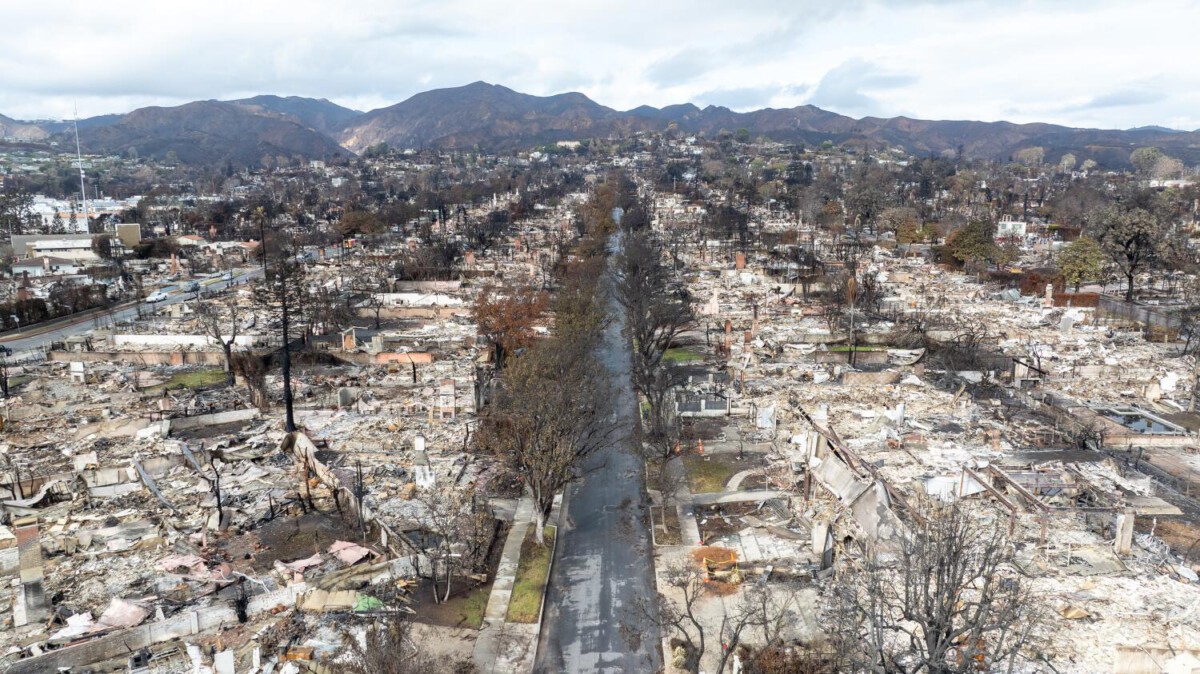


The Blaze That Changed Everything (Image Credits: Ca-times.brightspotcdn.com)
Los Angeles – Communities in the Palisades and surrounding areas marked a somber anniversary on January 7, 2026, reflecting on the wildfire that scorched over 23,000 acres and upended thousands of lives exactly one year prior.
The Blaze That Changed Everything
Exceptionally strong Santa Ana winds, reaching hurricane-force speeds, ignited the Palisades fire on January 7, 2025, in the mountains near Pacific Palisades. Firefighters faced grueling conditions as embers spread rapidly across dry terrain, grounding aerial support and overwhelming ground crews. The flames quickly engulfed neighborhoods in Malibu and Topanga, destroying large swaths of homes and businesses overnight. In a related incident, the Eaton fire erupted miles away in Altadena, claiming over 9,000 structures and displacing tens of thousands of residents.
Initial evacuations affected 37,000 people, with power outages impacting 400,000 homes in the first day alone. Economic estimates pegged the damage at $52 to $57 billion, positioning the Palisades blaze as potentially the costliest in U.S. history. State officials had prepositioned resources the day before, deploying 65 fire engines, helicopters, and specialized teams, yet the winds proved too fierce for full containment.
Navigating the Cleanup Process
Recovery began with a massive cleanup operation, led by the U.S. Environmental Protection Agency in its first phase focused on hazardous materials removal. Teams assessed thousands of properties, hauling away toxic ash, debris, and contaminated soil from fire-ravaged sites. This effort, supported by federal funds, divided into stages to ensure safe disposal and prevent environmental hazards. Homeowners in Altadena and Pacific Palisades often waited months for clearance, with some hiring private contractors to accelerate the process amid frustrations over the pace.
By mid-2025, repopulation started in select zones, requiring proof of residency at checkpoints. Road closures persisted within fire perimeters, complicating access, while agencies like CAL FIRE updated evacuation maps regularly. The operation highlighted the scale of the disaster, as crews processed debris from structures that once housed vibrant communities.
Rebuilding Amid Regulatory Hurdles
Despite $22.4 billion in insurance payouts distributed to victims, actual reconstruction lagged far behind expectations. Local authorities issued 2,617 building permits for more than 6,000 affected properties, yet fewer than a dozen homes stood completed by the one-year mark. The California Coastal Commission imposed stringent requirements, mandating up to $5 million per property in ground upgrades for Malibu sites to mitigate future risks like erosion and flooding.
Los Angeles Mayor Karen Bass supplemented city resources by contracting Hagerty Consulting, an Illinois-based firm, for up to $10 million over a year to coordinate recovery. This all-of-government approach involved state prepositioning of aid and coordination with federal agencies. Still, residents voiced concerns over who truly led the efforts, as bureaucratic layers slowed progress and left many in temporary housing.
Community Strength and Future Outlook
Residents demonstrated remarkable resilience, with stories of wildlife returning to scorched lands and neighbors supporting one another through the grief. In Pacific Palisades, small sparks of normalcy emerged, like birds flocking back to familiar spots amid the ruins. Community reflections emphasized the emotional toll, as families sifted through ashes for mementos of lost homes.
Governor Gavin Newsom’s office highlighted ongoing state commitments, including pre-deployed emergency resources for future threats. Aerial surveys captured the transformation from devastation to tentative renewal, underscoring the long road ahead. Experts noted that while insurance funds flowed, regulatory and logistical barriers continued to test the resolve of those rebuilding.
Key Takeaways
- Over 23,000 acres burned in the Palisades fire, with economic losses exceeding $50 billion.
- Cleanup involved federal EPA-led phases, but rebuilding remains slow, with few homes completed.
- State and local efforts issued thousands of permits, yet high upgrade costs hinder progress for coastal properties.
As Los Angeles continues its journey from ashes, the Palisades fire serves as a stark reminder of climate vulnerabilities and the human spirit’s endurance. What lessons can we draw to better prepare for the next challenge? Share your thoughts in the comments.