

The Chaotic Traffic Stop (Image Credits: Unsplash)
Chicago – A dramatic traffic stop in the city’s Homan Square neighborhood turned violent in 2020, leaving two police officers wounded and culminating years later in a lengthy prison term for the perpetrator.
The Chaotic Traffic Stop
In August 2020, officers approached a vehicle on West Polk Street for a routine check, unaware it would escalate into gunfire. Jeffon Williams, a passenger in the car, attempted to evade detection by hiding in the trunk, but the officers spotted him through tinted windows. As they tried to detain him, Williams emerged armed and opened fire, striking two officers in the exchange.
The shootout spilled into the street, with Williams wounding the officers before sustaining his own injury from return fire. Authorities later recovered the weapon and linked it directly to the assault. This incident highlighted the dangers officers face during everyday patrols in high-risk areas.
Prosecutors described the event as a brazen attack, emphasizing how quickly a simple stop devolved into life-threatening chaos. The officers survived but endured significant recovery periods, underscoring the human cost of such encounters.
Charges and Legal Proceedings
Following his arrest, Williams faced seven counts of attempted first-degree murder along with one count of aggravated assault against a peace officer. Cook County prosecutors set bail at $10 million, reflecting the severity of the charges. The case proceeded through pretrial motions, with Williams entering a not guilty plea initially.
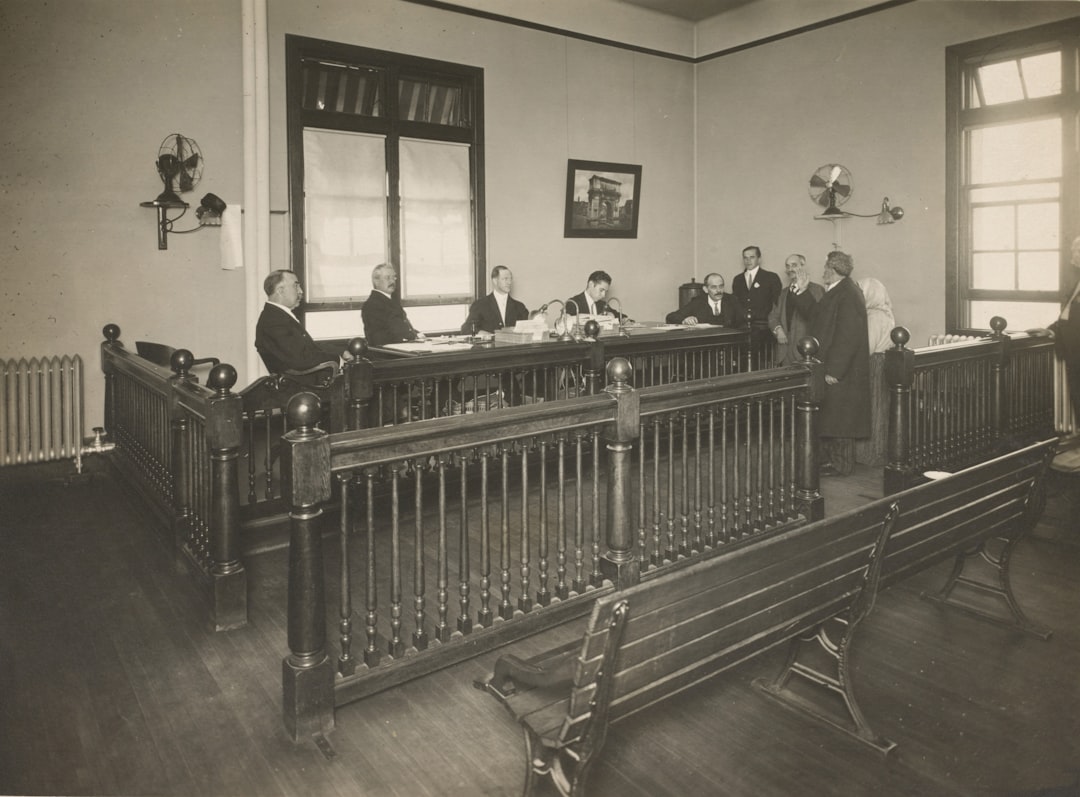
A jury trial began in mid-2025, where evidence including ballistic matches and witness testimonies painted a clear picture of the defendant’s actions. On August 14, 2025, the jury convicted Williams on all nine felony counts after deliberating for several hours.
The defense argued points about the stop’s legality, but the prosecution’s case proved overwhelming. Court records detailed Williams’ prior encounters with law enforcement, though the focus remained on the shooting itself.
Sentencing and Defiant Remarks
Judge Maura McShane imposed the 91-year sentence on January 6, 2026, ensuring Williams would spend the rest of his life behind bars. The term reflected the mandatory minimums for the attempted murder convictions, stacked consecutively due to the multiple victims. Williams showed little remorse during the hearing, reportedly maintaining a stoic demeanor.
Investigators revealed a post-arrest statement from Williams where he expressed hostility toward one of the officers, saying he hoped the man would die. This remark, captured during questioning, influenced the sentencing by demonstrating a lack of accountability. The judge cited it as evidence of the defendant’s dangerous mindset.
Family members of the officers attended the proceeding, voicing support for the maximum penalty. The ruling brought closure to a case that had lingered for over five years.
Impact on Law Enforcement and Community
The shooting strained resources in Chicago’s police department, which was already navigating heightened tensions in 2020. It prompted reviews of traffic stop protocols to enhance officer safety without escalating risks. Community leaders in Homan Square, a neighborhood long associated with policing challenges, welcomed the verdict as a step toward accountability.
Broader discussions emerged about assaults on first responders, with this case serving as a stark reminder of vulnerabilities on the job. Statistics from the period showed a spike in such incidents nationwide, fueling calls for better protective measures.
- 2020: Traffic stop leads to shootout, officers wounded.
- August 2020: Williams arrested and charged.
- 2025: Trial results in full conviction.
- January 2026: 91-year sentence handed down.
- Ongoing: Officers continue recovery and service.
Key Takeaways
- The 91-year sentence underscores the gravity of attacking law enforcement, with consecutive terms ensuring lifelong incarceration.
- Williams’ post-incident statements revealed a lack of remorse, impacting the judicial outcome.
- This case highlights ongoing risks for officers during routine duties in urban settings.
The resolution of this case reinforces the commitment to protecting those who serve, offering a measure of justice after years of legal battles. As Chicago moves forward, such verdicts remind communities of the delicate balance between enforcement and safety. What are your thoughts on the sentencing? Share in the comments below.