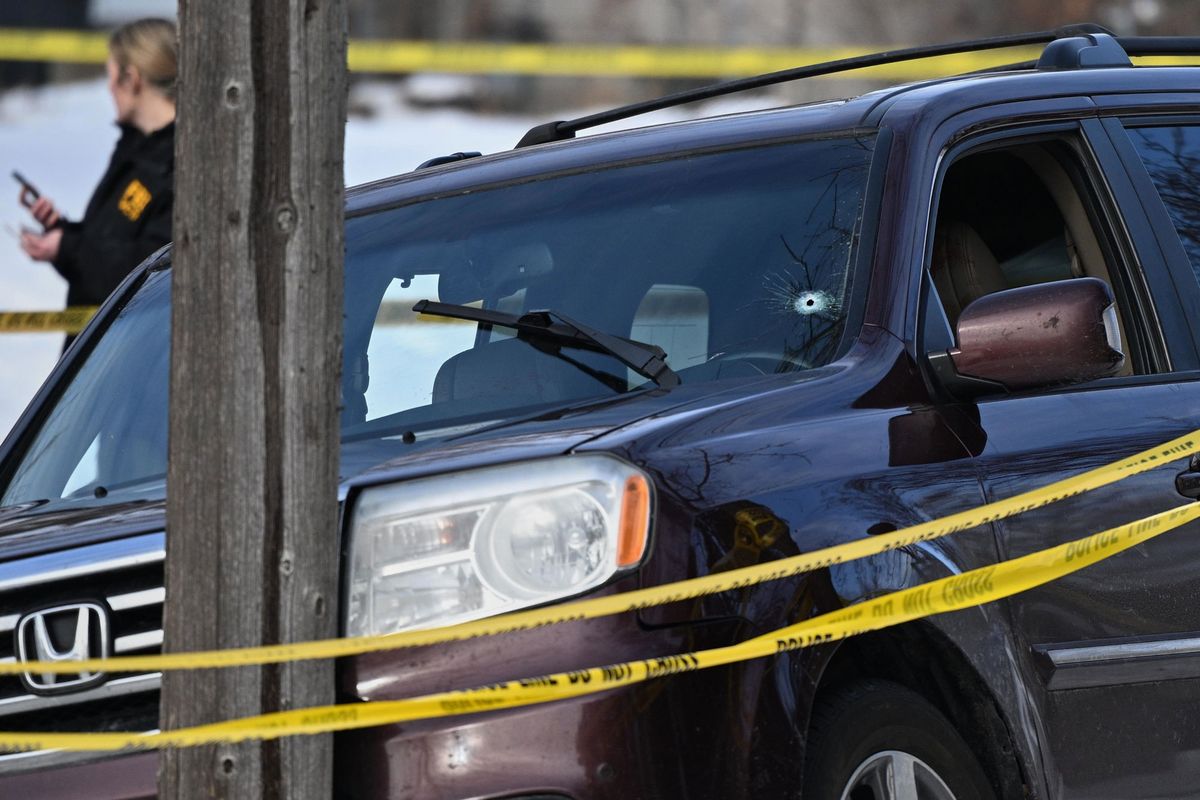

The Shocking Events in South Minneapolis (Image Credits: Mirrorball.themarshallproject.org)
Minneapolis – A fatal shooting by a U.S. Immigration and Customs Enforcement agent has ignited fierce debate over the agency’s approach to using lethal force during operations.
The Shocking Events in South Minneapolis
The incident unfolded on January 7, 2026, in a residential neighborhood near 34th Street and Portland Avenue, where federal agents conducted an immigration-related operation. Witnesses described a chaotic scene as a group of individuals blocked the agents, leading to a confrontation involving Renee Nicole Good, a 37-year-old woman originally from Colorado. According to the Department of Homeland Security, Good attempted to drive her SUV toward an agent, prompting the officer to fire shots that struck her fatally.
Video footage captured by bystanders showed agents approaching the vehicle before gunfire erupted, leaving the community stunned. Local officials, including Mayor Jacob Frey, quickly condemned the presence of ICE in the city, arguing it sowed unnecessary fear and disruption. The shooting occurred just blocks from the site of George Floyd’s murder in 2020, drawing painful parallels for residents already grappling with a history of police violence.
ICE’s Guidelines on Lethal Action
Immigration agents receive specific training on when deadly force is permissible, emphasizing that it should only be used in the face of imminent threat to life or serious injury. Homeland Security’s policy explicitly prohibits firing at moving vehicles unless the agent faces immediate danger, a rule designed to prevent escalation in tense situations. In the Minneapolis case, officials maintained that the agent acted in self-defense after perceiving a direct risk from the oncoming vehicle.
Despite these protocols, critics question their consistent application. The FBI launched an investigation into the shooting, examining whether the agent’s actions aligned with training standards. As tensions rose, Secretary of Homeland Security Kristi Noem defended the agents, highlighting the dangers they encounter during enforcement duties. Her remarks came amid a broader operation targeting alleged fraud in local social services, which had already heightened community anxieties.
A Pattern of Concerning Incidents
The Minneapolis shooting did not occur in isolation; reports of ICE’s use of deadly force have surfaced repeatedly in recent years, raising alarms about enforcement practices. For instance, in September 2025, a Mexican national died during an ICE operation, with family members alleging excessive force. Other cases, including a 2025 detainment death and a New Year’s Eve incident involving an off-duty agent, have fueled accusations of recklessness.
Advocates point to at least two instances where U.S. citizens were reportedly killed in encounters with ICE officers, underscoring the blurred lines between immigration enforcement and public safety. While federal authorities classify many such events as justified, community groups demand greater transparency and accountability. These episodes often involve pursuits or resistances that escalate quickly, leaving lasting scars on affected neighborhoods.
Protests and Political Fallout
By January 8, 2026, hundreds gathered in Minneapolis for a vigil honoring Good, marching through streets lined with signs calling for ICE’s withdrawal. Protesters clashed briefly with federal agents, prompting Minnesota Governor Tim Walz to prepare National Guard deployment to maintain order. Local leaders, including city council members, identified Good and urged a full review of federal tactics in urban areas.
On the national stage, the incident drew sharp rebukes. Representative Ayanna Pressley moved to subpoena Department of Homeland Security documents related to the shooting, labeling it a “horrific killing.” Meanwhile, Republican figures emphasized the risks to agents, framing the operation as essential to combating immigration fraud. The divide highlighted ongoing partisan battles over border security and civil rights.
Looking Ahead: Calls for Reform
As investigations continue, the Minneapolis tragedy serves as a stark reminder of the human cost in immigration enforcement. Community leaders advocate for de-escalation training and limits on ICE operations in sensitive areas, while federal officials stress the need for swift action against perceived threats. The coming weeks will likely see heightened scrutiny, potentially influencing policy under the current administration.
Key Takeaways
- ICE policy restricts deadly force to imminent threats, but real-world applications remain contentious.
- The Minneapolis shooting has sparked protests and an FBI probe, echoing past deadly encounters.
- Broader reforms could address community fears and agent safety in equal measure.
This incident underscores the urgent need for balanced approaches to immigration enforcement that prioritize lives on all sides. What steps should be taken to prevent future tragedies? Share your thoughts in the comments below.