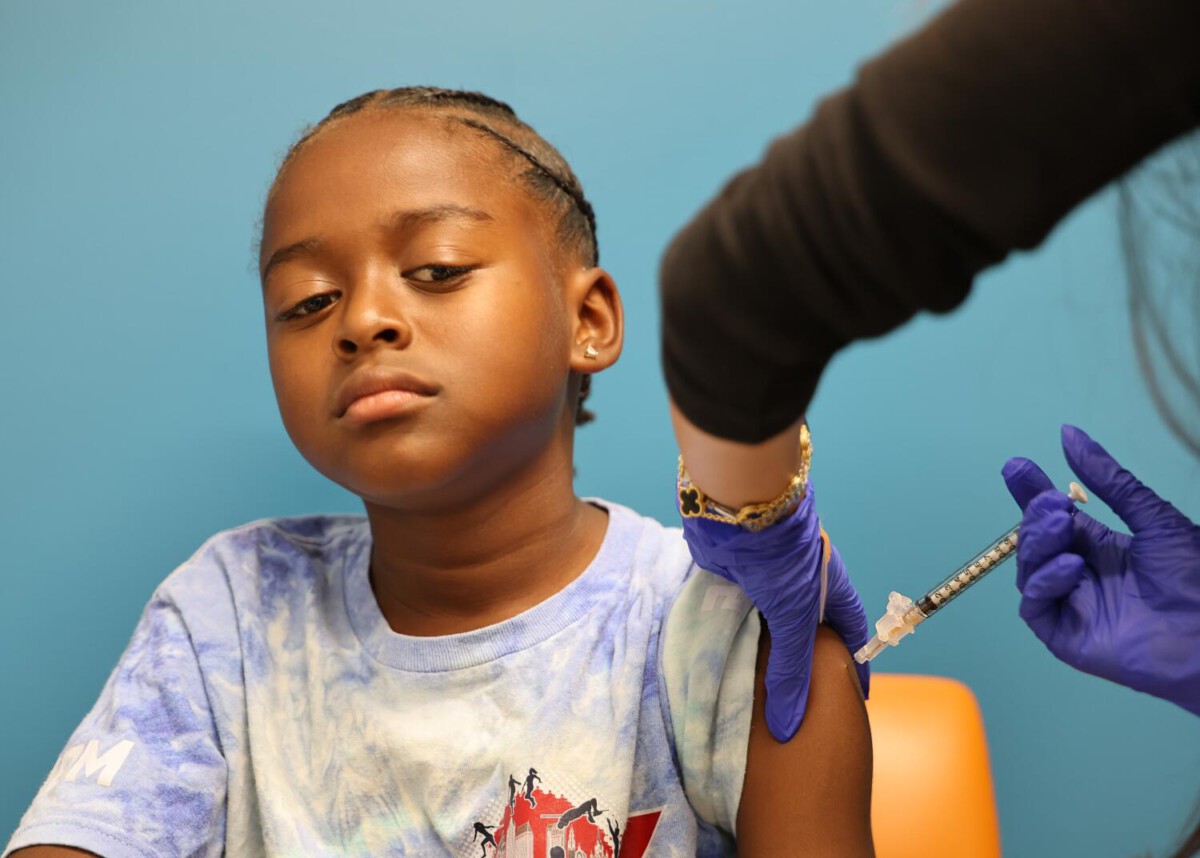


A Sobering Reminder of Flu’s Reach (Image Credits: Ca-times.brightspotcdn.com)
San Mateo County – Health officials confirmed the influenza-related death of an unvaccinated adolescent in December, a development that drew heightened attention amid recent alterations to national immunization policies.
A Sobering Reminder of Flu’s Reach
The loss marked the second flu-related fatality in San Mateo County this season, underscoring the virus’s persistent threat even in areas with robust healthcare access. Officials reported that the patient had not received the current flu shot, though details on underlying conditions remained unclear at the time of the announcement. This incident occurred during a period of elevated respiratory illness activity across California, where influenza cases surged alongside other seasonal infections.
Local health leaders emphasized the importance of preventive measures in their statement, noting that vaccination could have potentially altered the outcome. The adolescent’s passing prompted immediate outreach efforts within the community, including reminders about available flu shots at clinics and pharmacies. Such events often catalyze discussions on vulnerability among young people, who typically face lower risks but can experience severe complications under certain circumstances.
Federal Policy Shift Sparks Debate
Just days before the San Mateo announcement, the Centers for Disease Control and Prevention unveiled a streamlined childhood vaccine schedule, reducing broad recommendations for four key immunizations, including the annual flu vaccine. This revision, influenced by directives from Health Secretary Robert F. Kennedy Jr., aimed to prioritize essential shots while allowing more parental discretion in others. The changes eliminated universal endorsements for routine flu vaccinations in certain age groups, shifting from previous guidelines that urged shots for all children six months and older.
Critics viewed the timing as particularly poignant, given the fresh reports of preventable illnesses. The policy update followed a broader review of immunization protocols, focusing on what federal experts deemed high-impact protections against diseases like measles and polio. Implementation of these adjustments began immediately, affecting advice given by pediatricians nationwide. Health organizations expressed concerns that the move could lead to lower uptake rates at a time when flu strains circulated aggressively.
Community and National Responses
In San Mateo, public health teams ramped up vaccination drives following the news, partnering with schools to educate families on the revised federal stance. Officials clarified that while CDC recommendations carried weight, local practices would continue promoting flu shots based on observed risks. This approach highlighted a tension between national policy and regional needs, especially in diverse communities where access to care varied.
Nationwide, pediatric associations urged caution, pointing to data from prior seasons that linked higher vaccination rates to fewer hospitalizations among children. The policy shift also prompted questions about long-term effects on herd immunity, as fewer routine recommendations might influence public confidence in vaccines overall. Meanwhile, flu surveillance systems reported stable but concerning trends, with hospitalizations ticking upward in several states.
Navigating Prevention in Uncertain Times
Parents and guardians now face a landscape where federal guidance offers more flexibility, yet experts stress the value of consulting healthcare providers for personalized advice. In California, state health departments maintained their endorsements for flu immunization, independent of the CDC’s adjustments. This divergence allowed communities like San Mateo to tailor responses, such as free clinics and awareness campaigns, to immediate threats.
The interplay between policy changes and real-world outcomes serves as a call for vigilance. As winter progresses, monitoring local case counts becomes crucial, with resources available through county health portals for the latest updates.
Key Takeaways
- The San Mateo death highlights the ongoing risks of influenza, particularly for unvaccinated individuals.
- CDC’s recent cuts reduce universal recommendations for flu and three other childhood vaccines, emphasizing parental choice.
- Local health efforts continue to promote vaccinations despite federal revisions, focusing on community protection.
This convergence of events reinforces the need for informed decisions in public health, where timely action can safeguard lives amid evolving guidelines. What steps are you taking to stay protected this flu season? Share your thoughts in the comments.