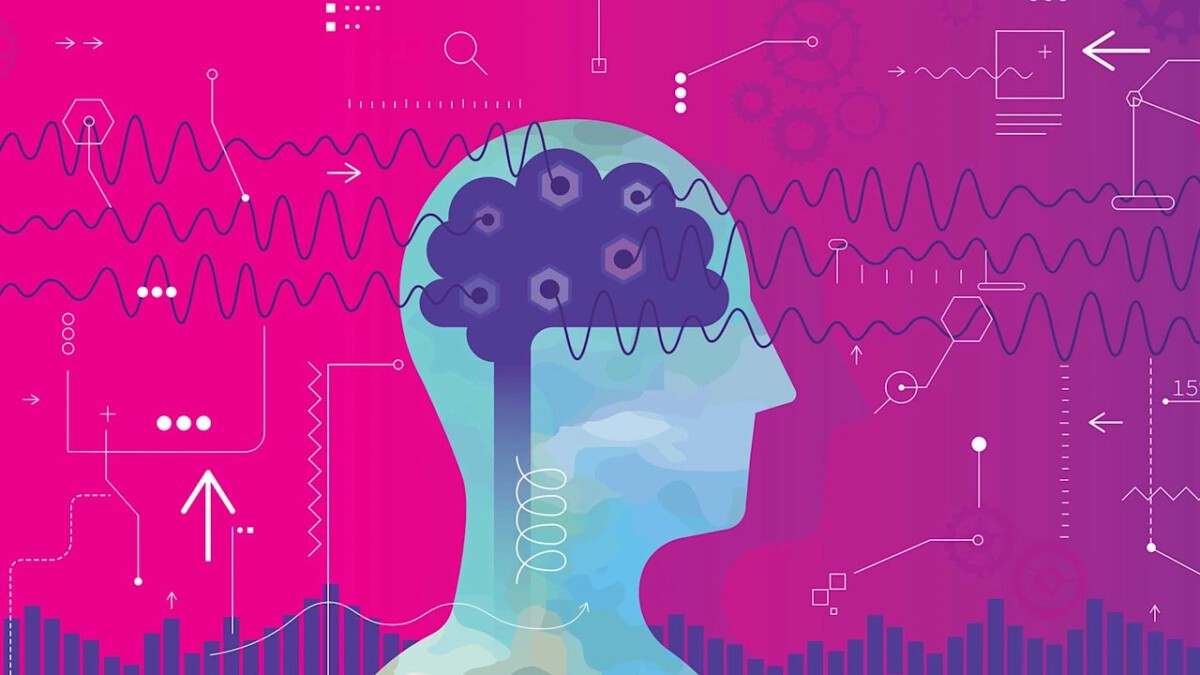

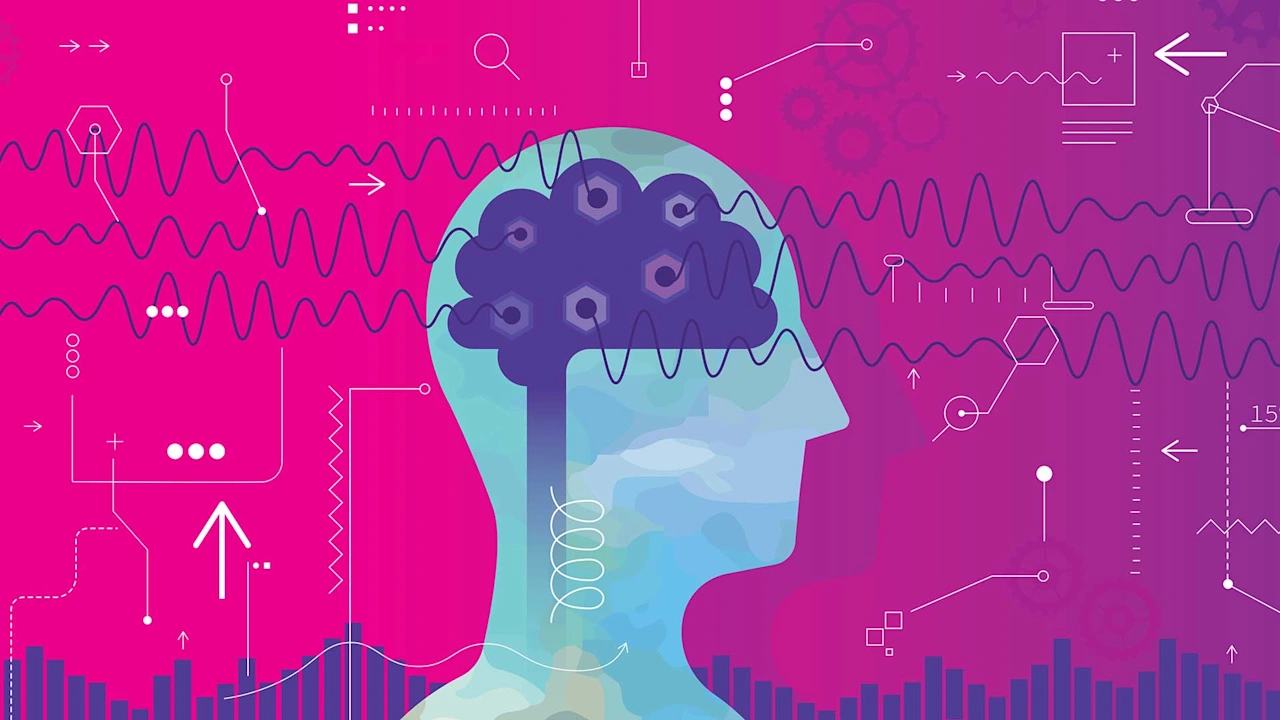
Active Recall Techniques for Deeper Retention (Image Credits: Images.fastcompany.com)
In an era where information overload challenges daily focus, neuroscience offers practical tools to enhance how the brain absorbs and retains knowledge.
Active Recall Techniques for Deeper Retention
Self-testing emerges as a powerful method to solidify learning, according to research in Psychological Science in the Public Interest. Participants who quizzed themselves on material recalled information more accurately than those who simply reread notes. This approach forces the brain to retrieve facts actively, strengthening neural pathways and highlighting knowledge gaps.
Another effective strategy involves verbalizing concepts aloud, as detailed in a study from the Journal of Experimental Psychology: Learning, Memory, and Cognition. Speaking information creates a multisensory experience that embeds details more firmly in long-term memory. For instance, professionals preparing presentations benefit from rehearsing key points out loud, combining auditory feedback with visual rehearsal to boost confidence and accuracy.
Interleaving and Variation to Build Adaptive Skills
Interleaving, or alternating between related topics during study sessions, outperforms blocked practice for skill development, per findings in Educational Psychology Review. Learners who switched between similar tasks improved their ability to distinguish nuances, leading to faster mastery and better application in real scenarios. This method keeps the brain engaged by preventing rote repetition from turning into autopilot.
Similarly, varying practice conditions accelerates progress, as shown in Johns Hopkins research on reconsolidation. Modifying elements like speed or environment during rehearsals updates existing memories with fresh insights, promoting flexibility. Examples include adjusting pace in skill drills or altering setups in simulations, which not only speeds improvement but also prepares individuals for unpredictable situations.
- Alternate between two or three related concepts in a single session to enhance discrimination skills.
- Introduce small changes, such as varying speed or tools, to reinforce adaptability.
- Combine these with short breaks to allow initial consolidation before advancing.
Distributed Practice, Rest, and Physical Boosts for Lasting Gains
Distributed practice, spacing sessions over time, proves superior for retention, according to a Psychological Science study. Brief reviews after intervals exploit contextual cues and retrieval challenges, making memories more resilient. This contrasts with cramming, which offers short-term gains but fades quickly under pressure.
Sleep plays a crucial role in memory consolidation, with a 2016 Psychological Science experiment revealing that bedtime study followed by morning review cut study time while doubling long-term recall. During sleep, the brain replays and organizes new information, integrating it into existing networks. Exercise complements this, as Scientific Reports research indicates moderate aerobic activity enhances associative learning and hippocampal growth, even in older adults.
Intense short workouts, like 15 minutes of high-effort cycling, outperform longer moderate sessions for motor skill acquisition by heightening brain arousal. Overall, these habits create a synergistic effect, turning everyday routines into opportunities for cognitive enhancement.
Key Takeaways
- Integrate self-testing and verbal rehearsal to actively engage the brain and fill knowledge gaps.
- Use interleaving and practice variations to foster deeper understanding and adaptability.
- Prioritize spaced sessions, sleep, and exercise to consolidate gains and sustain memory health.
Adopting these neuroscience-backed strategies transforms learning from a passive chore into an efficient, rewarding process that yields lasting results. As demands on attention grow, small adjustments in approach can unlock untapped potential in how we process and remember the world around us. What strategy will you try first to sharpen your recall? Share your thoughts in the comments.