

The Storm That Tested Buffalo’s Resolve (Image Credits: Flickr)
Buffalo – A powerful hurricane’s remnants battered Western New York with fierce winds and flooding last fall, prompting the Buffalo Bills to enact a transformative change after 36 years of steadfast traditions.
The Storm That Tested Buffalo’s Resolve
The hurricane, whose high winds exceeded 50 miles per hour and caused widespread power outages, disrupted preparations for the Bills’ season in ways the franchise had rarely encountered. Teams across the NFL grappled with similar challenges, but Buffalo’s history of toughing out lake-effect snow made this tropical intrusion feel like an unwelcome intruder. Officials reported difficult travel conditions and structural damage to local infrastructure, including roads near Highmark Stadium. The Bills’ staff worked around the clock to secure the facility, ensuring no injuries occurred among personnel. Fans, accustomed to bundling up for games in subzero temperatures, now faced a different kind of peril – evacuations and home repairs that tested community bonds. This event highlighted vulnerabilities in the region’s aging venues, pushing the organization to reassess long-held practices. Ultimately, the storm served as a catalyst for reevaluation, blending natural disaster with the unyielding spirit of Bills Mafia.
Recovery efforts revealed the extent of the damage, with some training fields waterlogged and equipment scattered. The franchise, known for its resilience, coordinated with local authorities to clear debris and restore access. Players contributed by volunteering at relief centers, a move that echoed the team’s ethos of community support. Though games proceeded without interruption, the incident exposed gaps in emergency protocols developed over decades. This convergence of weather extremes and operational needs marked a turning point for the Bills.
A Bold Change After Decades of Endurance
For 36 years, the Buffalo Bills had clung to their reputation as the NFL’s hardiest squad, playing through blizzards and gales without major alterations to their weather-handling strategies. The hurricane’s impact, however, compelled a decisive pivot: the adoption of advanced wind-blocking technology and enhanced stadium fortifications at the forthcoming New Highmark Stadium. Engineers integrated aerodynamic barriers and reinforced roofing to mitigate future high-wind events, drawing from lessons learned in the storm’s wake. This upgrade addressed criticisms of the old venue’s open design, which often left fans and players exposed to punishing elements. The decision aligned with broader NFL trends toward climate-resilient facilities but felt revolutionary for a team synonymous with raw endurance. Implementation began swiftly, with prototypes tested during off-season drills to ensure seamless integration.
The shift extended beyond infrastructure to operational protocols, including updated emergency response plans tailored to hybrid weather threats like hurricane remnants. Leadership emphasized proactive measures, such as stockpiling generators and coordinating with meteorologists for real-time advisories. This holistic approach signaled a departure from reactive traditions, prioritizing safety without sacrificing the gritty identity that defines the franchise. Stakeholders hailed the move as timely, especially as climate patterns grow more unpredictable.
Fans Rally Behind the Forward-Thinking Move
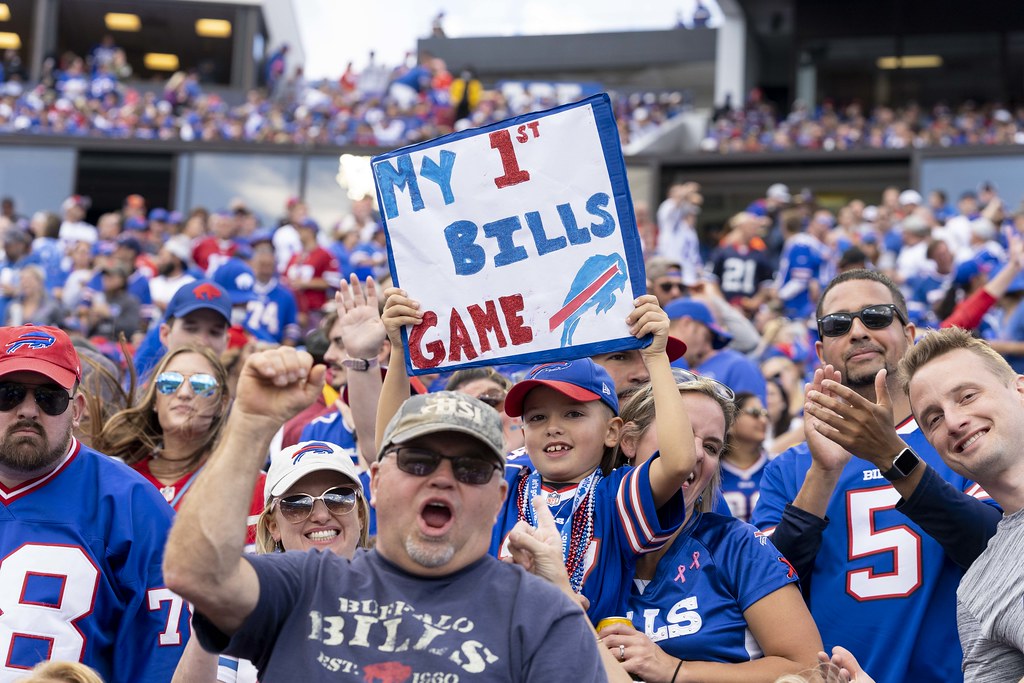
Bills supporters, who have braved frigid conditions for generations, greeted the change with overwhelming enthusiasm. Social media buzzed with posts praising the organization’s foresight, with many noting how the hurricane’s chaos had amplified calls for modernization. One fan captured the sentiment in a widely shared message: the team that endures storms now builds against them. Attendance at subsequent games surged, reflecting renewed pride in a franchise adapting to protect its loyal base. Community forums filled with discussions on how the upgrades would enhance game-day experiences, from reduced wind chills to safer tailgating zones. This positive response underscored the deep connection between the Bills and their fans, who view the team as a pillar of regional strength.
The farewell to the old Highmark Stadium earlier in the season added emotional weight to the transition. Supporters packed the stands despite lingering storm recovery, cheering a decisive victory that symbolized closure and hope. Veterans of multiple seasons expressed relief that future generations would face fewer hardships. The fanbase’s embrace extended to charitable drives, where donations poured in to support hurricane-affected families, mirroring the team’s commitment.
Leadership Lessons from Buffalo’s Storm Strategy
The Bills’ response offered a compelling case study in adaptive leadership amid crisis. Executives demonstrated that clinging to past successes can hinder progress, especially when external forces like severe weather demand evolution. By fostering a culture of continuous improvement, as echoed in team discussions on overcoming adversity, they instilled resilience at every level. This mindset – focusing on solutions rather than setbacks – transformed a potential disaster into an opportunity for growth. Other organizations watched closely, noting how transparent communication with stakeholders built trust during uncertainty.
Key elements of the approach included cross-departmental collaboration and a willingness to invest in innovation. Leaders avoided complacency, instead prioritizing long-term sustainability over short-term fixes. Such principles apply beyond sports, reminding executives in any field to anticipate disruptions and empower teams to innovate.
- Assess vulnerabilities early to avoid reactive measures.
- Involve the community in recovery to strengthen loyalty.
- Balance tradition with progress to maintain identity.
- Communicate openly to turn challenges into unifying moments.
- Invest in technology that safeguards people and operations.
Key Takeaways
- The hurricane exposed outdated practices, leading to infrastructure upgrades that protect fans and players.
- Fans’ support highlights the power of inclusive decision-making in building enthusiasm.
- Leaders who adapt decisively emerge stronger, setting a model for crisis navigation.
As the Bills charge toward the playoffs with a fortified foundation, their story illustrates how embracing change after enduring trials can redefine success. What changes would you make in the face of unexpected storms? Tell us in the comments.