

The Unexpected Find During Routine Checks (Image Credits: Unsplash)
Palm Beach, Florida – Security personnel heightened precautions during President Donald Trump’s recent visit when a suspicious object surfaced near his planned motorcade route to the local airport.
The Unexpected Find During Routine Checks
Agents from the U.S. Secret Service conducted standard advance sweeps of Palm Beach International Airport ahead of the president’s departure from Mar-a-Lago. These preparations uncovered an unidentified item that raised immediate concerns. The discovery prompted a swift evaluation to determine if it posed any risk to the traveling party.
Officials described the object as suspicious but did not elaborate on its nature in initial reports. The protocol in such situations prioritizes caution, ensuring no potential threats disrupt the schedule. Trump’s motorcade, originally set to follow a direct path, veered onto an alternate route to bypass the area entirely. This adjustment allowed teams to secure the site without delaying the president’s plans.
Route Adjustment and On-Site Measures
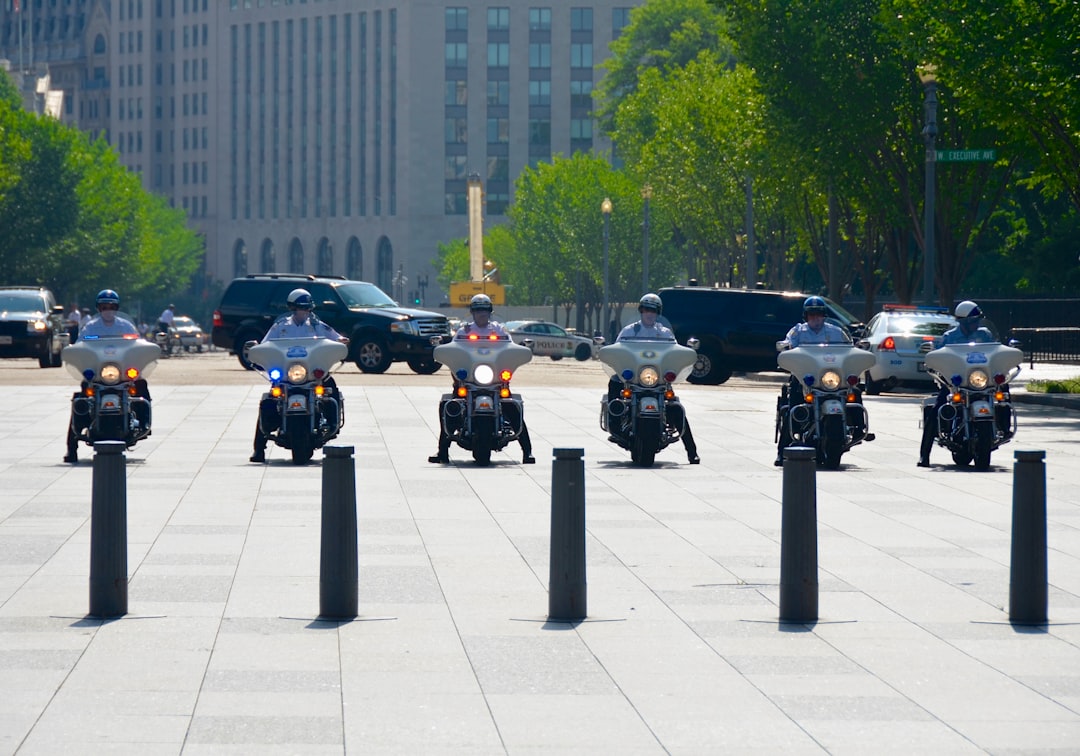
The motorcade’s deviation caught the attention of onlookers and media as vehicles took a less familiar path through the area. Secret Service personnel established a perimeter around the discovery site, deploying additional resources for a thorough investigation. Motorcycle units provided an extra layer of blockade to maintain separation from the secured zone.
Despite the change, the president’s itinerary proceeded smoothly, with his aircraft departing shortly after arrival at the airport. The incident highlighted the meticulous planning that accompanies high-profile travels. Local authorities coordinated closely with federal agents to support the response efforts. No disruptions to air traffic or broader airport operations were reported.
White House Confirmation and Protocol Insights
White House Press Secretary Karoline Leavitt addressed the matter publicly, confirming the object’s discovery during the sweeps. She emphasized that the response followed established procedures designed to protect the president and his entourage. Leavitt noted the motorcade’s safe completion of the journey back to Washington.
Such events underscore the constant vigilance required in presidential security. The Secret Service routinely scans routes and venues for anomalies, a practice refined over decades of service. This particular occurrence aligned with those norms, avoiding escalation into a larger alert. Reports from multiple outlets, including ABC News, detailed the sequence without indicating an active danger.
Implications for Presidential Travel Security
Incidents like this one remind observers of the layered defenses in place for executive movements. The Secret Service employs advanced detection tools and human expertise to preempt risks. In Palm Beach, a frequent destination for Trump, these measures adapt to the local environment, including residential and coastal terrains.
While specifics about the object remain under review, the episode reinforces public awareness of ongoing threats. Federal agencies continue to analyze such findings to refine future operations. The event also sparked discussions on social media about the challenges of securing open-air motorcades.
- Advance sweeps are mandatory for all presidential routes.
- Alternate paths are pre-mapped to handle surprises.
- Coordination with local law enforcement ensures rapid response.
- Public disclosures balance transparency with operational security.
- Post-incident reviews help prevent repeats.
Key Takeaways
- The suspicious object was found during routine airport preparations, leading to a precautionary route change.
- No immediate threat was confirmed, and the motorcade reached its destination without incident.
- This event exemplifies the Secret Service’s commitment to proactive security in high-stakes environments.
As presidential security remains a cornerstone of national operations, moments like this affirm the system’s resilience. The quick resolution in Palm Beach averted any complications, allowing focus to return to the administration’s priorities. What are your thoughts on the balance between security and public access during such visits? Share in the comments below.