
Something remarkable is happening right now. Across industries, economies, and technologies, we’re witnessing shifts that don’t come along every decade, or even every generation. The signals are everywhere if you know where to look. Four distinct markers stand out, each backed by hard data and undeniable momentum. What makes this moment different from other periods of change is the speed and scale.
We’re not talking about incremental improvements or business as usual. The transformations underway are fundamentally altering how we work, how we power our lives, how we access healthcare, and even how we reach beyond our planet. These aren’t predictions or wishful thinking. They’re already here, reshaping the landscape in real time.
So what are these four signs pointing toward a true golden era? Let’s dive in.
The AI Revolution Has Moved from Hype to Reality
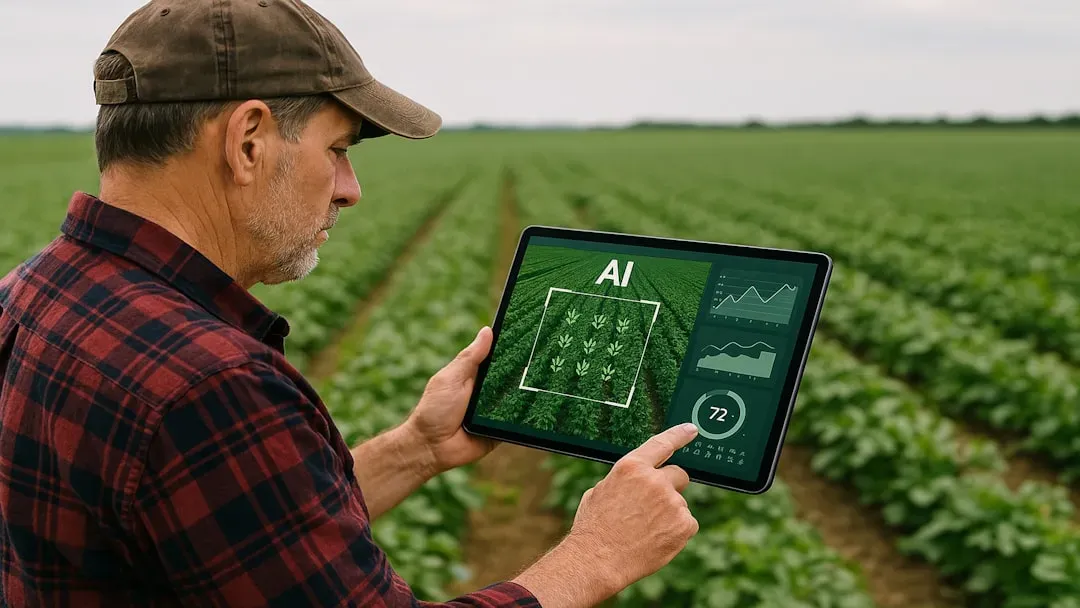
By early 2024, enterprise adoption of generative AI had surged to roughly two-thirds of U.S.-based companies, up from just about one in ten at the start of 2023. That’s not a gradual uptick – that’s a seismic shift. Organizations aren’t just experimenting anymore. In 2025, spending on generative AI reached thirty-seven billion dollars, a more than threefold increase from the previous year.
The change is visible across departments. Businesses poured nearly five billion dollars into generative AI applications in 2024, representing almost an eightfold jump from the year before. What’s striking is that companies aren’t limiting AI to tech teams. Three-quarters of AI solutions are now being purchased rather than built internally, a dramatic reversal from 2024 when the split was nearly even. People are buying ready-made tools because they work, and they’re delivering value fast.
Honestly, the scope feels broader than anyone anticipated. On average, organizations have identified ten potential use cases for this transformative technology, showing ambitious thinking at scale. The productivity gains are tangible too. Nearly forty percent of the U.S. population aged eighteen to sixty-four uses generative AI, and about one in four employed people had used it for work at least once in the previous week.
Clean Energy Costs Have Collapsed Beyond Anyone’s Forecast

Let’s be real: renewable energy has crossed a tipping point that nobody saw coming this fast. The cost of clean power technologies like wind, solar, and batteries fell an additional two to eleven percent in 2025, while batteries crossed below one hundred dollars per megawatt-hour. This isn’t marginal improvement. It’s a wholesale shift in the economics of electricity.
Solar photovoltaic energy is now roughly three-quarters cheaper than it was in 2014, and the cost of onshore wind has dropped by more than sixty percent over the same period. What does that mean in practical terms? Solar PV and onshore wind remain the cheapest option for new electricity generation in most countries. Fossil fuels simply can’t compete on price anymore in many markets.
The trend shows no sign of slowing. Looking toward 2035, global benchmark costs are projected to fall twenty-six percent for onshore wind, twenty-two percent for offshore wind, thirty-one percent for fixed-axis solar, and nearly half for battery storage. Meanwhile, renewable capacity added since 2000 has already generated over four hundred billion dollars in global fuel cost savings in 2023 alone. Those are real dollars flowing back into economies and households.
Space Is No Longer Just for Governments

The final frontier just became a booming commercial marketplace. The global space economy hit a record six hundred thirteen billion dollars in 2024, reflecting strong year-over-year growth of nearly eight percent. Here’s the thing: the commercial sector accounted for seventy-eight percent of the global space economy, meaning private companies are now the driving force.
Launch activity tells the story most vividly. In the first half of 2025, there was a liftoff to orbit every twenty-eight hours, six hours faster than the annual record set in 2024, with SpaceX alone accounting for more than half of the world’s launches through June. The pace is breathtaking. Lower costs are making all this possible. Reusable launch systems have cut per-launch costs by over eighty percent compared to early 2000s levels.
The long-term projections are even more eye-opening. The global space economy could cross the one trillion dollar mark as soon as 2032, driven by satellite communications, Earth observation data, and new commercial ventures. The space economy is projected to grow from around six hundred billion dollars in 2024 to one-point-eight trillion dollars by 2035, underpinned by commercial innovation, declining launch costs, and increased public-private collaboration. We’re watching an entire economic sector being born.
Telehealth Became a Permanent Fixture in Healthcare

Remember when telehealth was just for rural patients who couldn’t reach a clinic? Those days are over. The pandemic forced rapid adoption, and the data shows it stuck. Telehealth now accounts for roughly one-quarter of all healthcare encounters nationwide, with some specialties reporting virtual visit rates exceeding fifty percent.
Primary care shows adoption rates around seventy percent, transforming how people access routine medical advice. Mental health services have been particularly transformed. Telehealth in mental health delivered a return on investment exceeding three hundred percent over three years, reduced crisis escalations by eighty-nine percent, and an overwhelming ninety-two percent of patients preferred virtual follow-ups.
Patient satisfaction is high, which matters for long-term viability. Fifty-five percent of patients report greater satisfaction with virtual visits, and even older adults, with more than half welcoming telehealth, are embracing the technology. Policy changes have helped cement these gains. Recent federal updates extended telehealth coverage for Medicare beneficiaries in their homes through late 2025, and permanently covered behavioral and mental health telehealth services. This isn’t a temporary fix. It’s the new normal.
Emerging Markets Are Rewriting the Economic Playbook

The center of gravity in the global economy is shifting, and fast. The total nominal GDP of the ten ASEAN nations reached three-point-six trillion dollars in 2022, slightly larger than India’s economy that same year. That’s a collective economic force rivaling major global powers.
Growth rates in these regions are consistently outpacing advanced economies. The Philippines posted GDP growth of nearly six percent year-over-year in the third quarter of 2023, with expectations for continued rapid expansion. Vietnam’s GDP growth was estimated at over five percent in 2023, even while facing headwinds from weaker export markets. The medium-term growth outlook for the ASEAN region remains very positive, underpinned by sustained expansion in private consumption in some of the largest consumer markets including Indonesia, the Philippines, Vietnam, and Malaysia.
What’s driving this isn’t just cheap labor anymore. It’s infrastructure investment, growing middle classes, and strategic positioning in global supply chains. The momentum feels unstoppable, reshaping where innovation happens and where future opportunities lie.
Mental Wellness Spending Reflects a Cultural Awakening

For decades, mental health was stigmatized and underfunded. That era is ending. The numbers tell a story of fundamental cultural change. Spending on mental health apps, services, and therapies has been climbing aggressively, reflecting broader prioritization of mental wellness and ongoing destigmatization efforts across society.
This isn’t corporate virtue signaling. It’s a recognition that mental health directly impacts productivity, retention, and overall well-being. Companies are investing in employee mental health programs at unprecedented levels. Individuals are seeking therapy, using meditation apps, and openly discussing mental wellness in ways that would have been unthinkable a generation ago.
The normalization of mental health care represents one of the most profound social shifts of our time. It’s changing how we design workplaces, how we educate young people, and how we support communities. The financial investment is simply catching up to what people have been demanding for years: accessible, quality mental health support without shame or barriers.
Automation Is Accelerating But Reshaping Rather Than Replacing

Automation isn’t new, but the pace is. Between one and five percent of all work hours are currently assisted by generative AI, and that share is climbing. Robotics adoption in manufacturing and logistics has increased about fifteen percent since 2023, boosting productivity across supply chains.
Here’s where it gets interesting. The narrative around automation destroying jobs is too simplistic. What’s actually happening is more nuanced. Tasks are being automated, forcing workers and companies to adapt through reskilling and upskilling. Some roles disappear, yes. Others transform. New jobs emerge that didn’t exist before.
The challenge isn’t automation itself – it’s ensuring people have pathways to transition into new roles. Companies that invest in workforce development alongside automation are seeing the best results. Those that don’t risk creating friction and resentment. The golden era won’t be golden for everyone unless the benefits are shared and the displaced are supported.
Battery Storage Is Unlocking Renewable Energy’s Full Potential
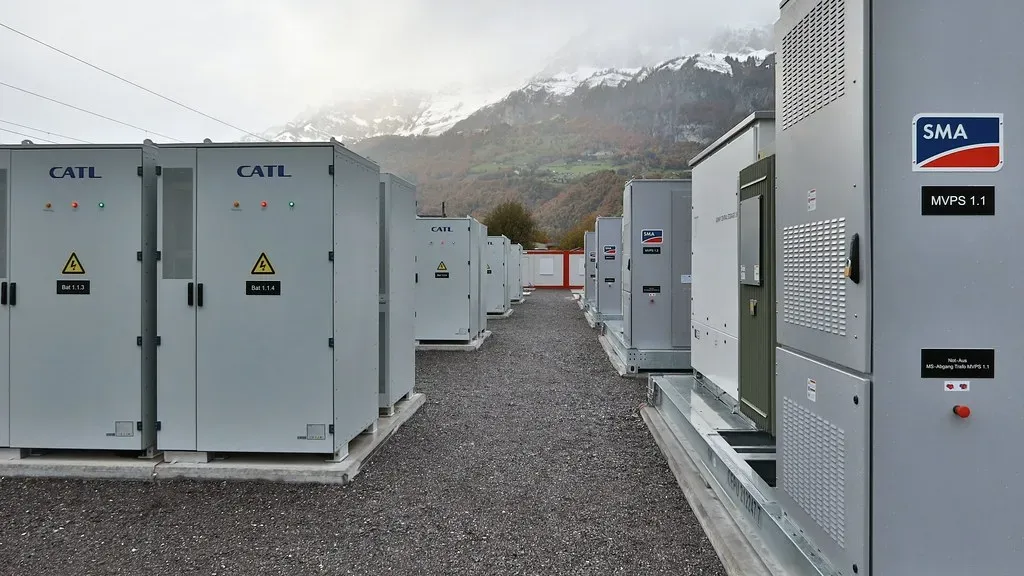
Solar and wind have always had one Achilles’ heel: intermittency. You can’t control when the sun shines or the wind blows. Battery storage is solving that problem at scale, and the economics have become almost shockingly favorable. Battery storage costs have fallen by eighty-nine percent between 2010 and 2023, making energy storage increasingly viable for addressing renewable intermittency.
Battery storage costs are projected to decrease an additional twenty-four percent by 2060 as infrastructure and market maturity improve. That’s not just theory. Investment in battery storage was the fastest-growing segment, rising seventy-three percent in 2024 versus the prior two-year average, and was eleven times higher than 2019-2020 levels.
What does this mean practically? It means renewable energy can provide reliable, baseload power. It means utilities can store excess generation and dispatch it when needed. It means electric grids become more resilient and flexible. Battery storage is the missing piece that allows a fully renewable grid to actually function at scale.
Cross-Border Innovation Is Accelerating Through Digital Platforms

One of the quieter revolutions happening is the breakdown of geographic barriers to innovation. Digital platforms enable collaboration across continents in real time. A startup in Jakarta can access venture capital from Silicon Valley. Engineers in Poland can work seamlessly with product teams in Austin. Research breakthroughs in one country get disseminated globally within hours.
This cross-pollination of ideas and talent is turbocharged by AI translation tools, cloud infrastructure, and remote work norms. Talent pools are global now in ways they simply weren’t before. Companies aren’t limited to hiring within commuting distance of their office. They can recruit the best person for the job, wherever they happen to live.
The implications are enormous. Innovation accelerates when diverse perspectives collide. Problems get solved faster when more minds can contribute. Economic opportunity spreads more evenly when location matters less. We’re witnessing the early stages of a truly global knowledge economy, and it’s creating opportunities at a pace we’ve never seen before.
The Convergence of These Trends Creates Compound Effects

Here’s what makes this moment particularly powerful: these four signs aren’t happening in isolation. They’re reinforcing each other, creating compound effects that amplify the transformation. AI accelerates clean energy optimization and battery management. Space-based satellites enable better Earth observation for climate monitoring. Telehealth platforms use AI for diagnostics. Emerging markets leverage automation to leapfrog older industrial models.
The convergence is what creates a golden era. Each trend alone would be significant. Together, they’re reshaping civilization. Consider how AI-powered energy grids can balance renewable generation in real time. Or how satellite data informs agricultural decisions in developing nations. Or how telemedicine brings specialist care to remote regions without the infrastructure overhead.
We’re not just seeing technological progress. We’re watching systems-level transformation. The old ways of doing things are being replaced by fundamentally new approaches that are cheaper, faster, more accessible, and often better for the planet. That’s the definition of a golden era: when multiple breakthroughs align to lift entire societies.
Why This Golden Era Will Define the Next Decade

The trends outlined here aren’t fleeting. They’re structural changes with decades of runway ahead. The global space economy is estimated to reach one-point-eight trillion dollars by 2035, up from six hundred thirty billion in 2023. Clean energy will continue getting cheaper and more prevalent. AI capabilities will expand. Telehealth will become even more sophisticated with better diagnostic tools and remote monitoring.
What we’re experiencing now is the early adoption phase. The real impact comes as these technologies mature and penetrate deeper into every sector. We’ll look back on the mid-2020s as the inflection point when everything changed. The companies, countries, and individuals who recognize these shifts and position themselves accordingly will thrive. Those who cling to old models will struggle.
The golden era isn’t guaranteed to benefit everyone equally. That depends on policy choices, investment decisions, and collective will to ensure broad access to these transformative technologies. Handled well, this could be the most prosperous and innovative period in human history. Handled poorly, it could deepen divides and create new inequalities.
The opportunity is there. The data is clear. The momentum is undeniable. What we do with it is up to us. Did you expect that these four signs would converge so powerfully? What do you think – are we ready for this transformation?