
White-Crust Pizza Served Multiple Times Weekly

Pizza day was the best day in every ’90s kid’s week, hands down. That rectangular slice with its fluffy white crust and puddle of grease on top was pure cafeteria gold. Schools served it constantly because it was cheap, easy, and universally loved.
Today’s standards tell a different story. Current USDA regulations require that at least 50 percent of grains be whole grain-rich, meaning that old-fashioned refined white flour crust wouldn’t pass muster. The whole grain requirement was phased in following the Healthy, Hunger-Free Kids Act, fundamentally changing what pizza looks like in modern cafeterias. Those nostalgic white crusts are essentially extinct in federally funded lunch programs.
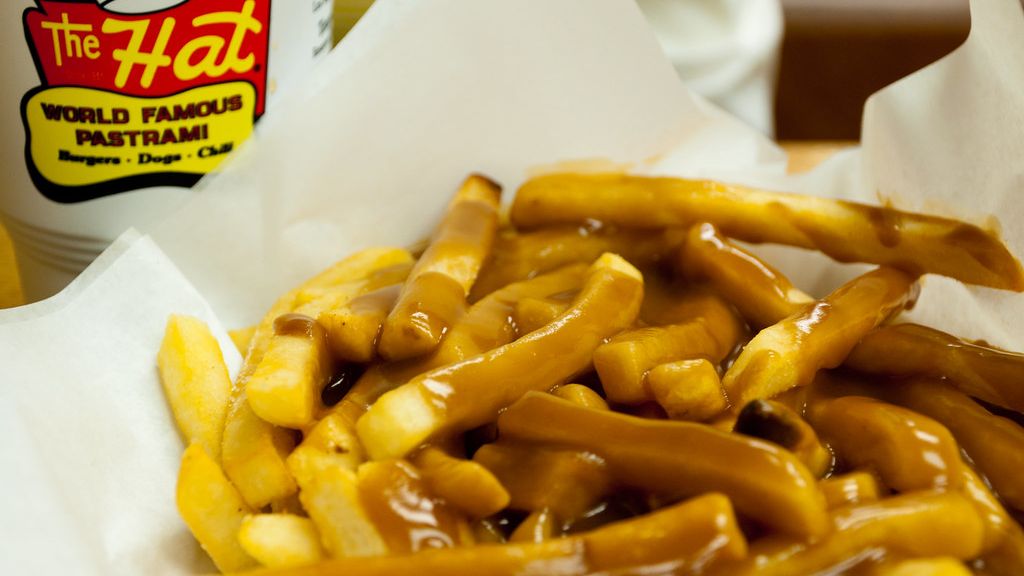
French Fries as a Daily Vegetable Option

If you attended school in the ’90s, french fries were basically considered a vegetable. They showed up alongside burgers, chicken nuggets, and just about everything else. Some schools served them multiple times per week without a second thought, and kids certainly weren’t complaining.
According to research, school meals in 1991-1992 were too high in saturated fat and sodium, and those ever-present fries were a major contributor. Modern USDA rules now limit starchy vegetables and require schools to offer a variety of vegetable subgroups weekly, which means fries can’t dominate the menu like they used to. The goal is to expose students to dark greens, red and orange vegetables, and legumes instead of relying on fried potatoes as the default side.
Chocolate Milk with Every Meal

Chocolate milk was a staple. It flowed freely in ’90s cafeterias, offered daily to students of all ages without restrictions on sugar content. For many kids, it was the only way they’d drink milk at all, and schools were happy to oblige.
Under current regulations, schools must be permitted to serve low-fat or fat-free flavored milk, but added sugar limits for flavored milk must be implemented by school year 2025-26. The new rule limits flavored milk to no more than 10 grams of added sugars per 8 fluid ounces by school year 2025-26, a dramatic shift from the unchecked sweetness of decades past. It’s still allowed, but it’s a far cry from the sugar bomb version ’90s kids guzzled every day.
Hot Dogs and Bologna Sandwiches on Repeat

Hot dogs, bologna, and other processed meats were lunchroom regulars in the ’90s. They were inexpensive, kid-friendly, and didn’t require much prep work. Schools served them in rotation without much concern about long-term health impacts.
The World Health Organization classifies processed meats like hot dogs and deli meats as carcinogenic to humans, noting that consuming processed meat increases the risk of colorectal and stomach cancer. While current USDA standards don’t outright ban processed meats, updated sodium requirements include a 15 percent reduction at lunch set to begin in school year 2027-28, making high-sodium processed meats much harder to incorporate into compliant menus. The emphasis has shifted toward reduced sodium and limiting foods linked to serious health risks.
Snack Cakes and Brownies as Standard Desserts

Dessert was a given in the ’90s. Little Debbie snack cakes, frosted brownies, and cookies were regular fixtures on lunch trays, adding a sweet finish to every meal. No one questioned whether kids should be eating them daily – it was just how things were done.
Updated standards removed full-calorie soda and placed limits on calories, sodium, saturated fat, and sugars for snacks, in effect prohibiting candy and many snack cakes and other sweet baked goods. For the first time, added sugars are being limited in school meals nationwide, with USDA hearing concerns from parents and teachers about excessive amounts of added sugars in some foods. The days of guaranteed dessert are over, replaced by fruit cups and yogurt that meet strict nutritional criteria.
Meals Exceeding 40 Percent Calories from Fat

Back in the ’90s, fat content wasn’t closely monitored. Cafeteria meals were often loaded with it – think fried chicken, buttery mashed potatoes, and creamy gravies piled high. Research revealed that school meals in school year 1991-1992 met requirements for vitamins, minerals, and protein, but were too high in saturated fat and sodium.
According to USDA data, roughly 99 percent of lunches included sodium above recommended levels, and only 26 percent and 34 percent of schools served lunches that met USDA guidelines for total fat and saturated fat, respectively. Today’s standards are vastly stricter, with age-specific calorie ranges and limits on saturated fat designed to prevent the kinds of meals that dominated ’90s cafeterias. Those grease-heavy trays are relics of a less health-conscious era.
Sugary Breakfast Cereals with No Limits

Breakfast at school often meant a bowl of sugary cereal – Frosted Flakes, Froot Loops, or whatever colorful option was on the menu. There were no restrictions on how much sugar these cereals could contain, and kids loved starting their day with a sugar rush.
The 2024 Rule imposes product-based limits, including no more than six grams of added sugars per dry ounce for breakfast cereals starting July 1, 2025. Research shows that added sugars are most commonly found in typical school breakfast items, making cereals a primary target for reform. This change reflects a broader understanding that what kids eat first thing in the morning sets the tone for their energy, focus, and overall health throughout the day.
These lunches shaped a generation’s memories, but they also contributed to a troubling trend. Obesity prevalence among children and teens tripled from nearly 5% to approximately 15% between the 1980s and 1990s, and from 1999-2000 through August 2021-August 2023, obesity rates increased from 13.9% to 21.1%. The shift in school meal standards isn’t about taking away childhood joy – it’s about giving today’s students a healthier foundation. What do you think? Did those retro lunches taste better, or are we better off with the stricter rules?