
Chapter 1: Breathing on the Red Planet – The Oxygen Challenge
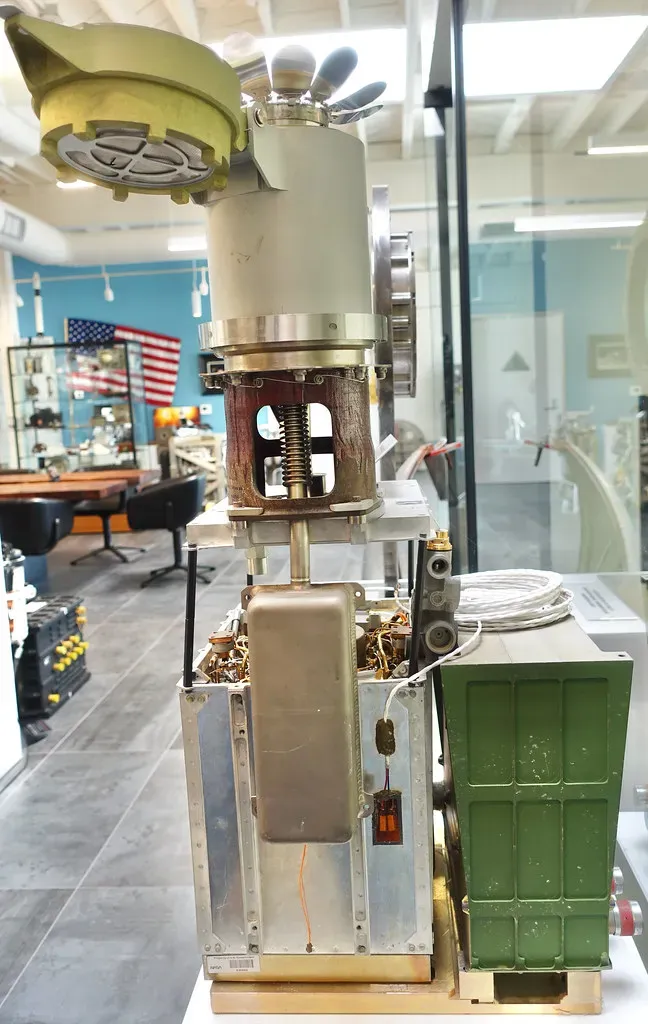
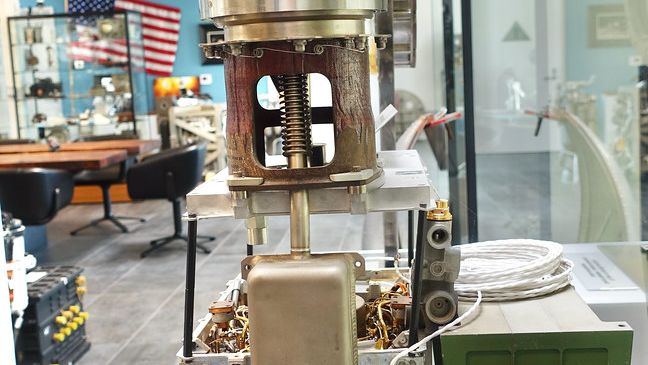
NASA’s MOXIE experiment aboard the Perseverance rover has proven that extracting oxygen from Mars is technically possible, producing a total of 122 grams of oxygen over its mission. At peak efficiency, MOXIE produced 12 grams per hour at 98% purity or better, which was twice NASA’s original target. That’s roughly what a small dog breathes in 10 hours, which means scaling up this technology hundreds of times would be critical for a crewed mission. An oxygen-producing system would be essential for rocket propellant needed to launch astronauts back to Earth, requiring industrial quantities to function.
Chapter 2: Surviving Deadly Dust – The Hidden Toxic Threat
Long-term exposure to Martian dust could cause chronic respiratory problems, thyroid disease, and more, according to a 2025 study published in GeoHealth. Toxic components of Martian dust include perchlorates, silica, nanophase iron oxides, and trace amounts of toxic metals like chromium, beryllium, arsenic, and cadmium. Inhaled perchlorate presents a challenge for astronauts due to its impacts on hormonal regulation, potentially causing aplastic anemia from thyroid effects. Scientists emphasize that prevention is absolutely key because there’s currently no cure for conditions like silicosis, which causes irreversible lung tissue scarring.
Chapter 3: Returning the Samples – A Mission in Redesign
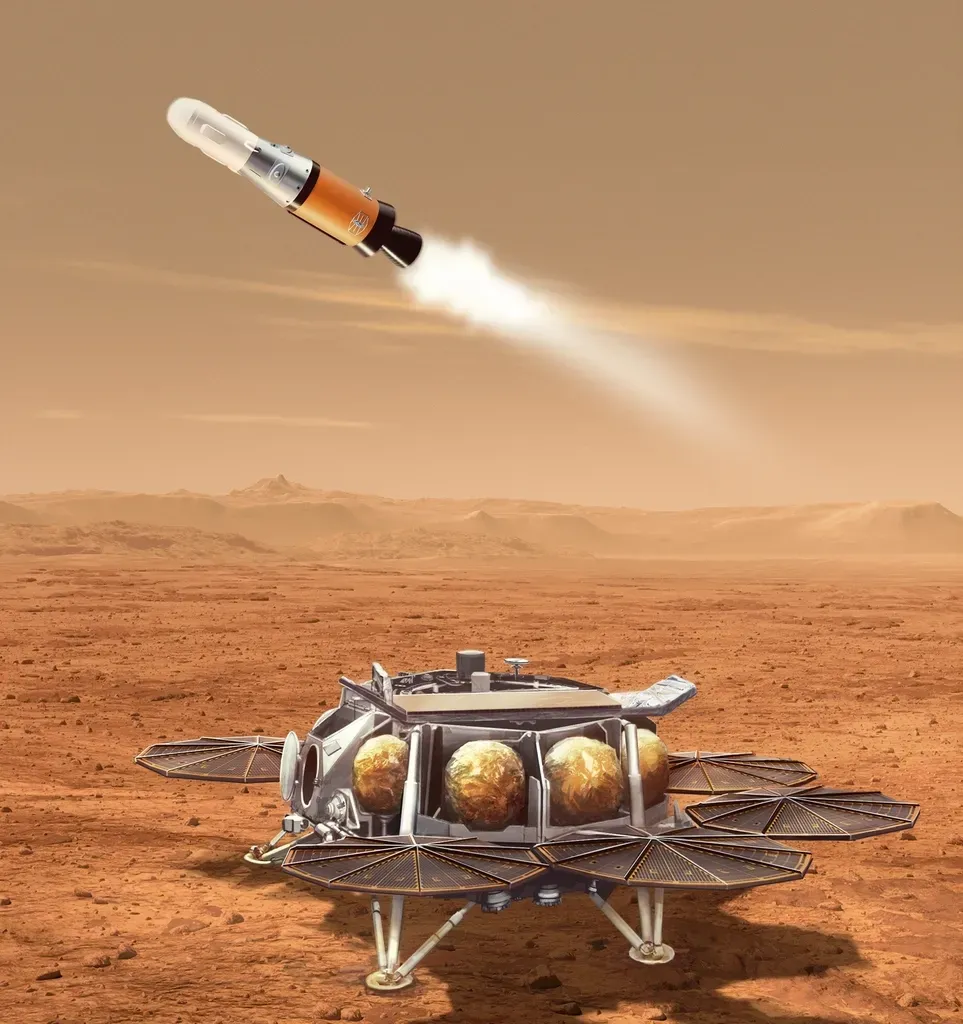
An independent review board projected the original Mars Sample Return plan could cost up to $11 billion with a sample return date pushed to 2040, which NASA Administrator Bill Nelson called simply unacceptable. Newly proposed strategies could return samples as early as 2035 or as late as 2039 with costs ranging from $5.5 billion to $7.7 billion. In January 2025, NASA announced it would pursue two potential paths to land the Mars Ascent Vehicle, with one using the sky crane method proven with Curiosity and Perseverance, and the other capitalizing on new commercial capabilities. Let’s be real, these cost and timeline estimates matter because they affect how soon we can study Mars samples in detail and prepare properly for human missions.
Chapter 4: Europe’s Rover Hunt for Ancient Life
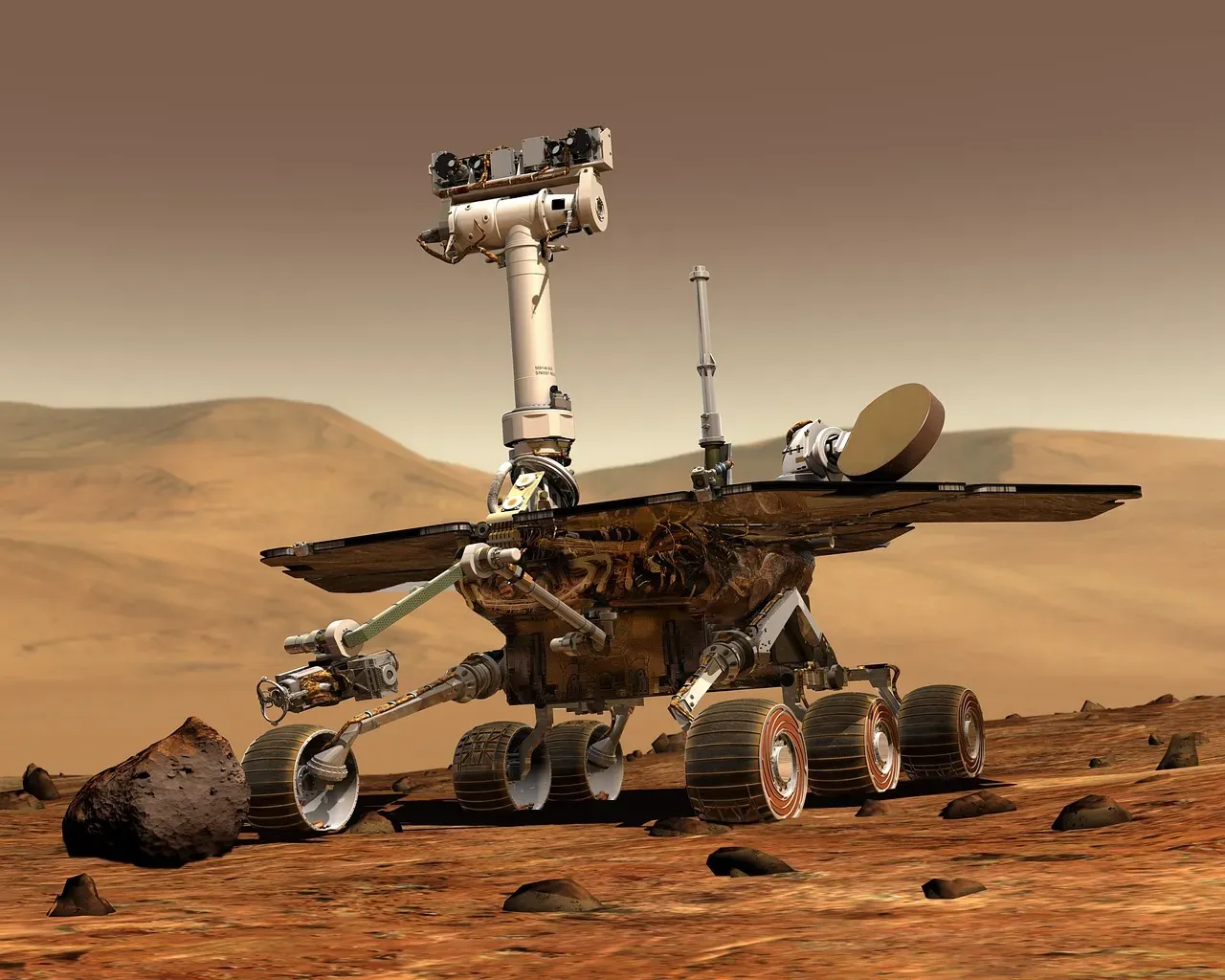
The European Space Agency selected Airbus to design and build the landing platform for the ExoMars Rosalind Franklin rover, with a 2028 launch planned to search for past and present signs of life on Mars. In March 2025, Airbus was selected to build the landing platform replacing the previously planned Russian lander, after Russia’s invasion of Ukraine forced ESA to terminate their cooperation. ESA, European industry, and NASA continue working to maintain and upgrade the Rosalind Franklin rover in preparation for its planned 2028 launch on a US rocket. It’s hard to say for sure how smoothly this will go, but the mission represents Europe’s first attempt to land a rover on Mars.
Chapter 5: Living in a Box – Year-Long Mars Simulation Results
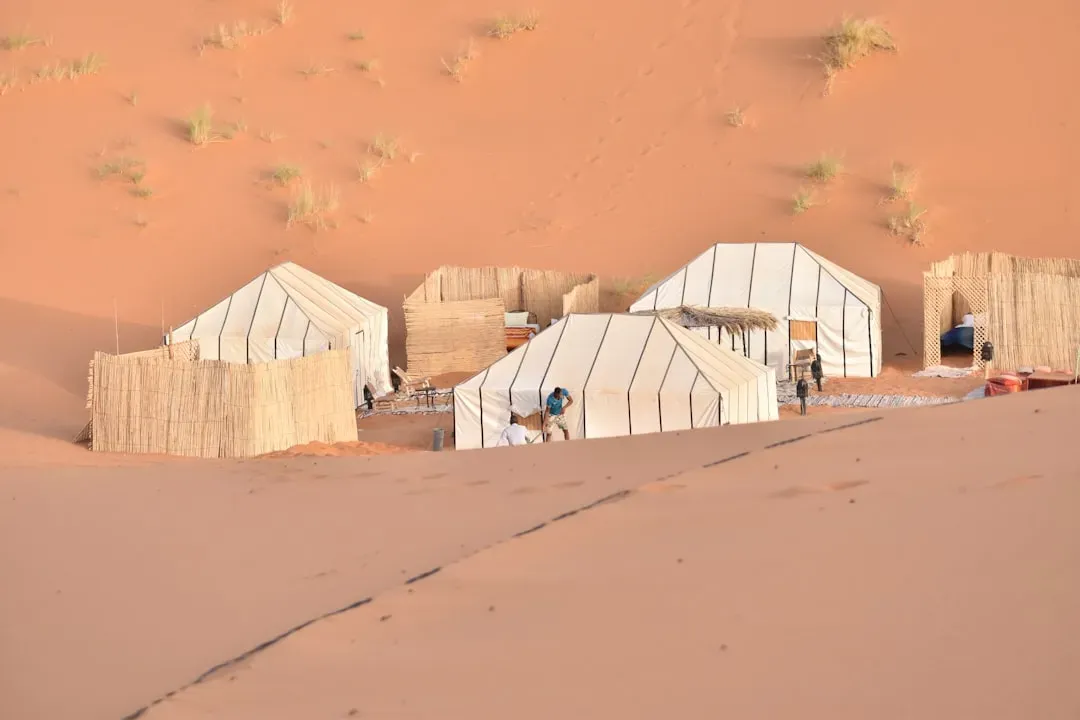
NASA’s first CHAPEA mission began June 25, 2023, and ended July 6, 2024, after 378 days. The four-person crew spent 378 days inside the Mars Dune Alpha habitat, a 1,700-square-foot, 3D-printed structure designed to mimic conditions of a Martian outpost. The crew completed activities including high-tempo simulated Marswalks, robotic operations, habitat maintenance, physical exercise, and crop cultivation, while adapting to environmental stressors like limited resources, prolonged isolation, 22-minute communication delays, and equipment failures. Honestly, watching four strangers live together for over a year with no escape route provided NASA with valuable behavioral and psychological data that can’t be replicated any other way.
Chapter 6: Protective Strategies Against Perchlorate Poisoning
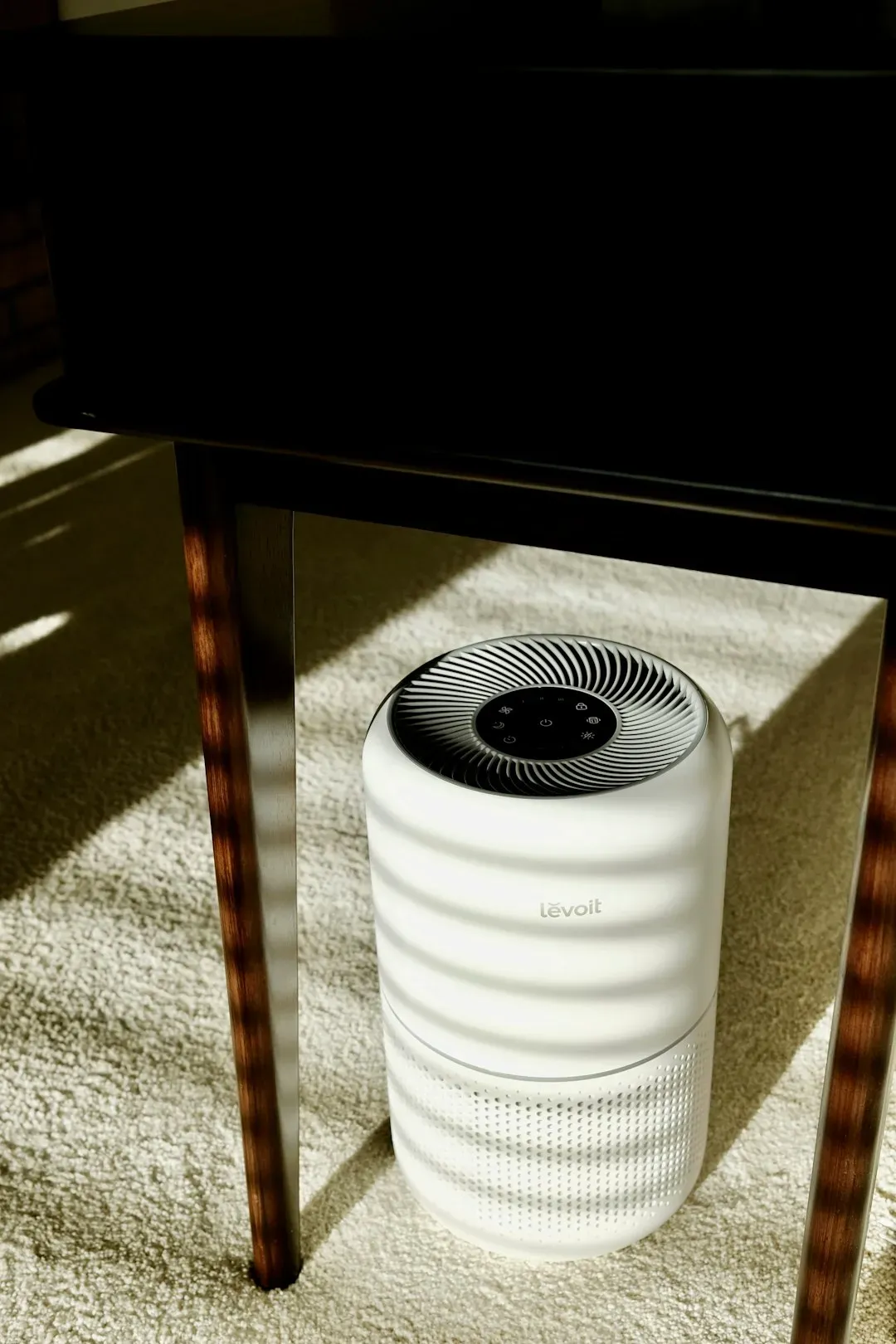
Perchlorates are rare on Earth, but evidence suggests they interfere with human thyroid function and can lead to severe anemia, with even a few milligrams of perchlorates in Martian dust potentially dangerous for astronauts. The current safe exposure limit is roughly 0.0007 mg per kilogram of body weight per day, which means just a few milligrams of Martian dust could easily surpass the recommended dose. Iodine supplements would boost astronauts’ thyroid function, potentially counteracting the toll of perchlorates, and filters designed specifically to screen out Martian dust could help keep air in living spaces clean. Prevention before exposure is the only realistic approach since treatment options on Mars will be severely limited.
Chapter 7: The Atmosphere Problem – Why Pressure Suits Are Mandatory
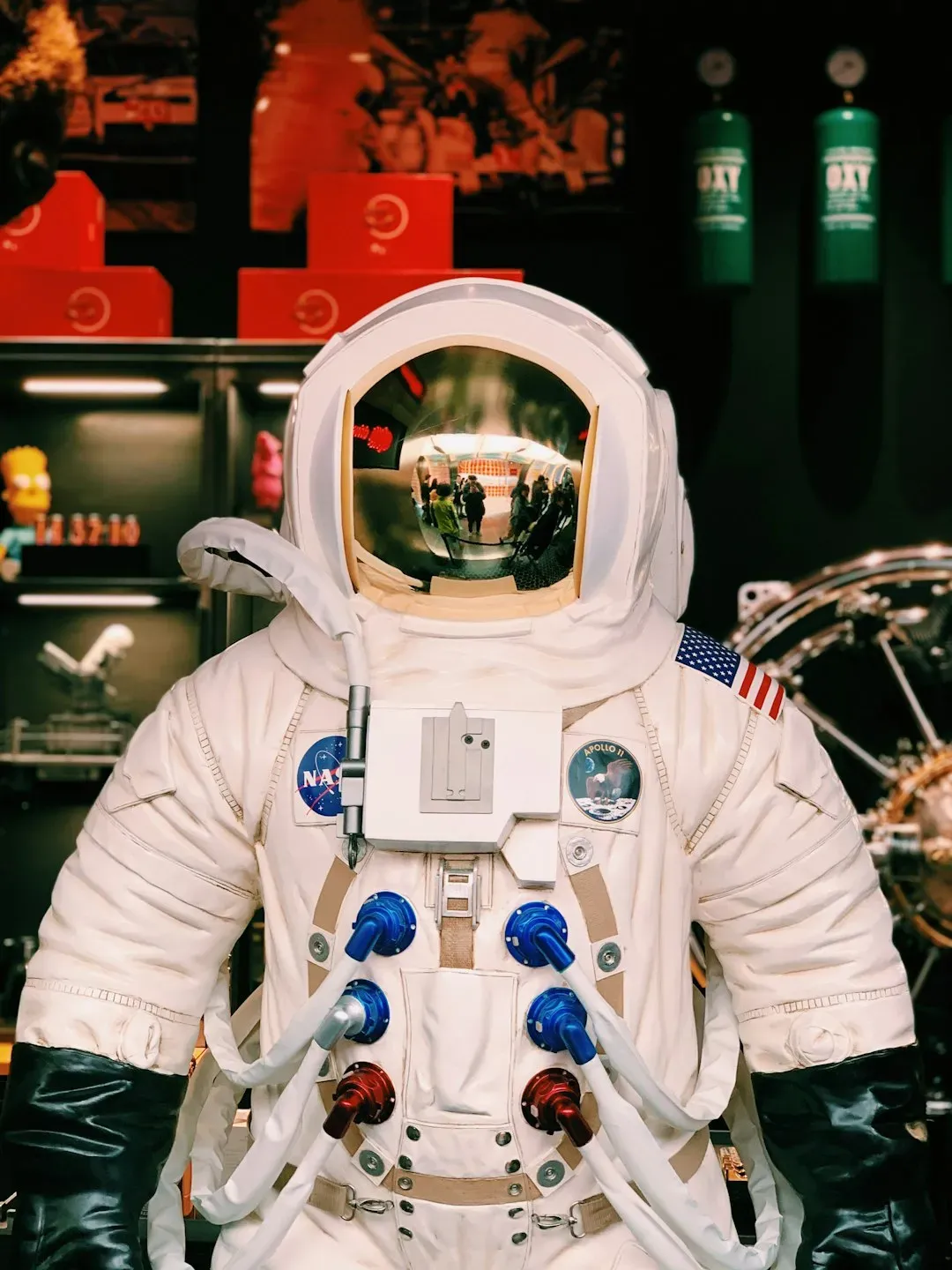
Mars has an atmosphere that’s about one percent as thick as Earth’s, composed mostly of carbon dioxide with nitrogen and argon also present. This means habitats must provide Earth-like pressure and breathable oxygen because humans absolutely cannot survive in Mars’s natural conditions. The thin atmosphere also makes temperature regulation extremely challenging, with surface temperatures regularly dropping below negative 100 degrees Fahrenheit at night. Here’s the thing: every single time an astronaut steps outside, they’ll need a full pressure suit, making even routine tasks considerably more complex and dangerous than on Earth.
Chapter 8: Food Production and Water Recycling Systems

Humans on Mars will need to bring whatever air, water, food, and other supplies they require, with CHAPEA relying on pre-packaged, shelf-stabilized food supplemented by crops grown using systems similar to indoor home gardening. One major challenge is that astronauts will likely have to pre-position food with no crew preferences accommodated, unlike on the International Space Station where resupply missions bring fresh fruit and care packages, with Mars crews limited to whatever crops can be grown. Water recycling will be absolutely critical because transporting water from Earth is impractical given its weight. Scientists know that closed-loop life support systems need to be nearly perfect, recovering roughly 98 percent of water from all sources including urine and humidity.
Chapter 10: Psychological Challenges and Communication Delays

The mission investigates how crews adapt and respond to environmental stressors including limited access to resources, prolonged isolation, 22-minute communication delays, and equipment failures. Communication with Earth happens with a delay ranging from roughly four to 24 minutes one way depending on planetary positions, meaning real-time conversations are impossible. The CHAPEA mission imposed stressors including resource limitations and psychological effects of isolation, with the crew experiencing communication delays, resource restrictions, and separation from family and friends. Let’s be real, the mental toll of being trapped tens of millions of miles from home with no quick escape option might turn out to be one of the hardest challenges to overcome, even harder than the technical engineering problems.
Human exploration of Mars remains one of the most ambitious goals in space exploration history. Scientists have made remarkable progress understanding what it would take, from oxygen generation and radiation protection to psychological resilience and dust mitigation. Yet each solution reveals new layers of complexity. The path forward depends on sustained funding, international cooperation, and continued technological innovation. What do you think about it? Are we ready to take on these challenges?