
There’s something unmistakable about tradition. In certain corners of America, values that were once commonplace across the nation still guide daily life today. We’re talking about close-knit communities, deep religious ties, and family structures that have remained remarkably intact for generations.
These aren’t just abstract concepts or nostalgic daydreams. Recent data shows that traditional values remain strongest in specific pockets of the country where cultural shifts happen more slowly and communities hold tighter to the ways of the past. Let’s be real, the landscape of American values varies dramatically from one state to another. So where exactly do old-school principles still hold firm?
Mississippi: Where Religion Shapes Everything
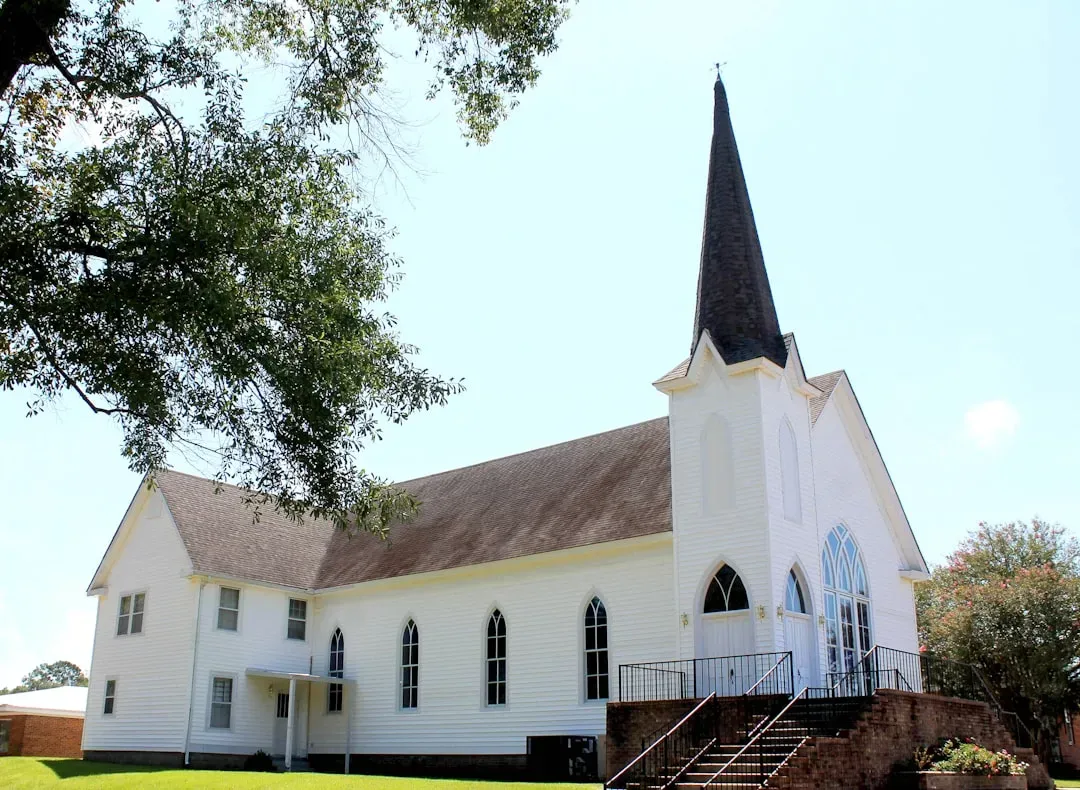
Mississippi stands as the most religious state in America, with roughly half of its population classified as highly religious based on an overall scale of religiousness, according to Pew Research Center’s 2023-24 Religious Landscape Study. This isn’t just about Sunday services either. In Mississippi, 54 percent of adults say they attend religious services at least monthly, far exceeding the national average.
Faith permeates decision-making, social interactions, and community organization in ways that feel increasingly rare in modern America. The state’s commitment to traditional values extends beyond church walls into everyday life, where family-centered priorities and conservative social norms continue to define the cultural landscape.
Alabama’s Unwavering Traditionalism
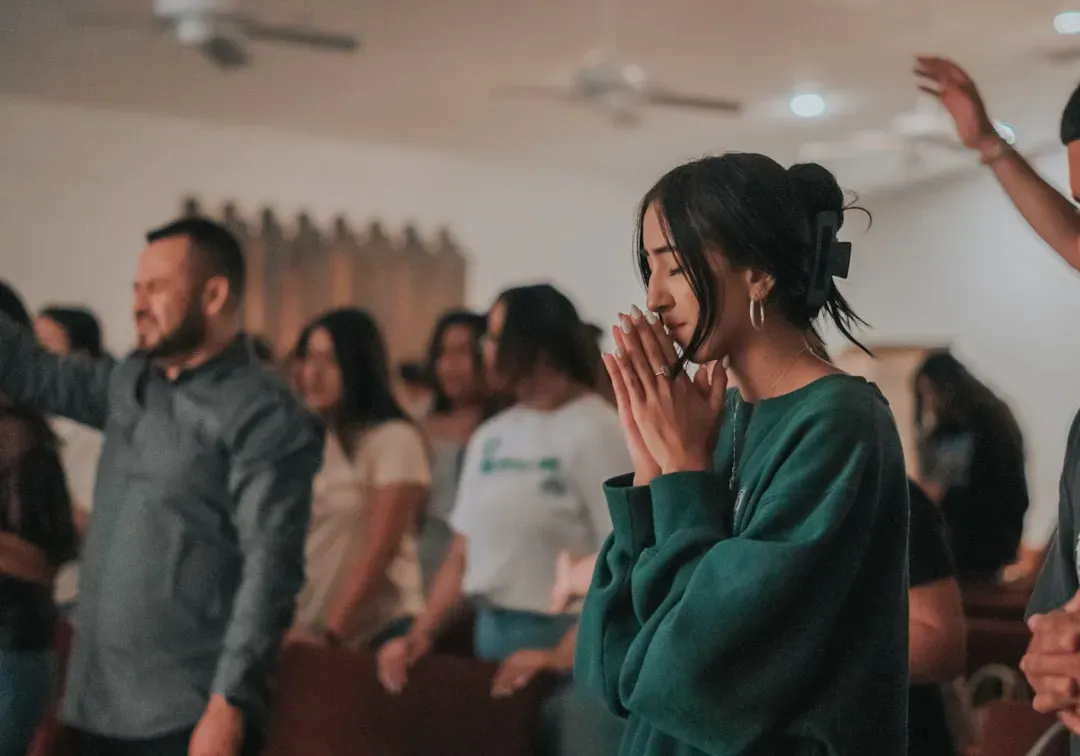
Alabama came in second place with 51% of residents regularly attending services, demonstrating a steadfast commitment to religious practice. For belief in God, both Alabama and Mississippi were tied, with 82% of people in each state believing in God with absolute certainty.
What makes Alabama particularly distinctive is how these religious values translate into broader cultural expectations. Traditional gender roles, respect for authority figures, and community-centered living remain the norm rather than the exception. It’s a place where neighbors still know each other’s names and extended family gatherings aren’t just for holidays.
Utah’s Family-First Philosophy
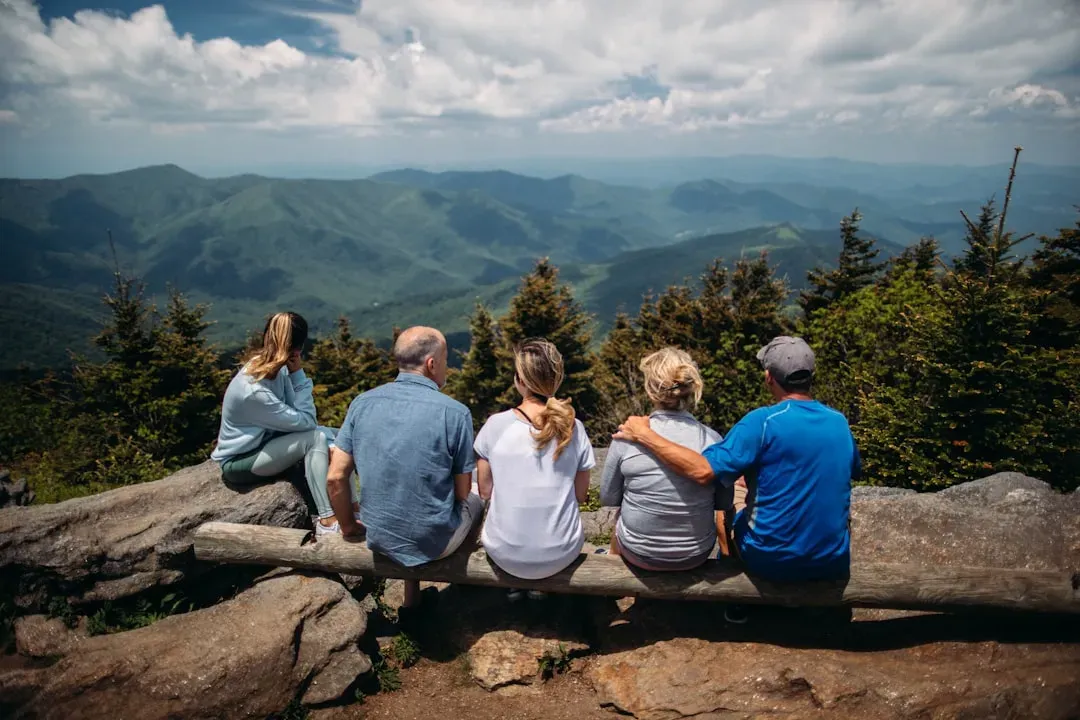
Here’s where things get interesting. Utah had the nation’s largest average household size at 2.99 persons, according to recent U.S. Census Bureau data. Utah has the largest household size in the country with 3.04 persons per household compared to 2.57 nationally.
The influence of the LDS Church creates a distinct cultural environment where family formation and community responsibility are prioritized at levels unmatched elsewhere. Religious attendance is more common in Utah than any other state in the country with 53% of adults attending worship services at least weekly. This emphasis on family extends into public policy, workforce participation, and social expectations that value multigenerational households and parental involvement.
Arkansas Holds The Line
Arkansas has demonstrated a clear shift toward conservatism over recent decades. Arkansas has not voted for a Democratic president since 2000, and it sits as an R+16 PVI score, with 62.4% of the state voting for Donald Trump in the 2020 presidential election.
Religious participation remains robust here as well. The state continues to score high on measures of social conservatism, including respect for authority and traditional family structures. Small towns dominate the landscape, and in these communities, everyone still seems to know everyone else’s business, for better or worse.
Tennessee’s Southern Roots Run Deep
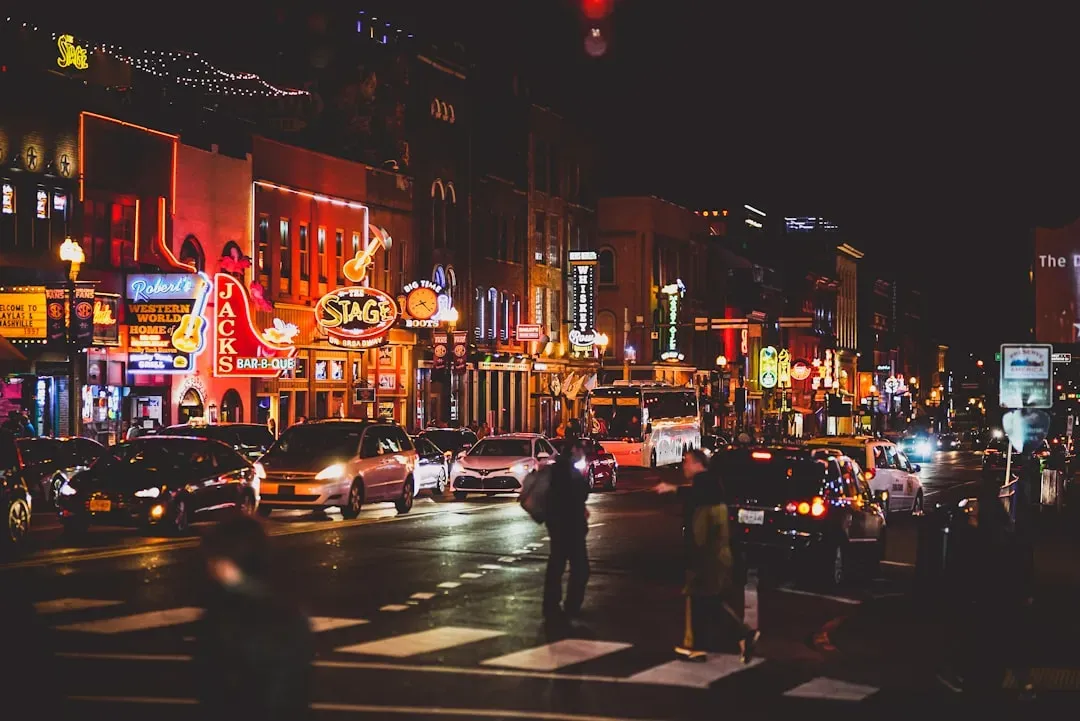
In Tennessee, 73% of adults are seen as highly religious based on four measures of faith and practice. Tennessee is the tenth-most conservative state in the United States, with a PVI of R+14, and 60.7% voting for the Republican presidential candidate in both the 2016 and 2020 elections.
The state maintains strong ties to family, faith, and local heritage in ways that shape everything from education priorities to community events. Country music isn’t just entertainment here, it’s a cultural touchstone that reinforces values of hard work, heartbreak, and hometown pride. Honestly, you can feel the weight of tradition in the air.
Texas: Old School With A Modern Twist
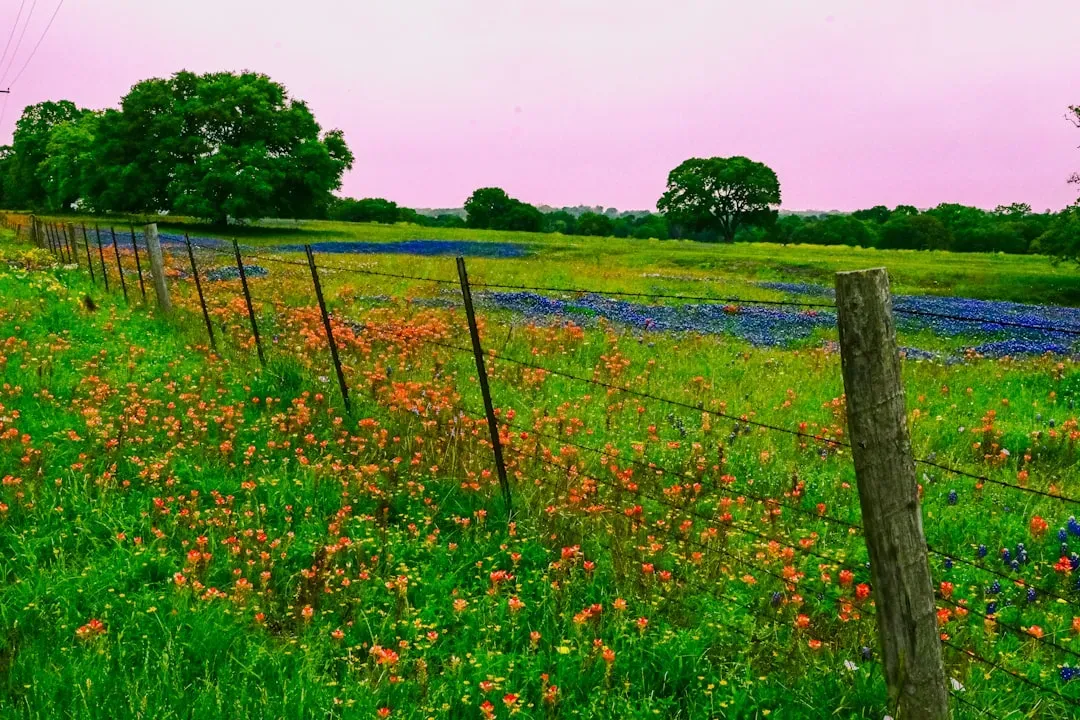
Texas presents a fascinating paradox. While urban centers like Austin and Dallas grow rapidly and embrace progressive values, the 216 mostly rural counties that historically vote strongly Republican had the smallest dip in participation rates during recent elections. Republicans reasserted their decades-long iron grip on Texas, and no Democrat has won statewide office in Texas since 1994.
Rural and suburban Texas communities continue to organize around conservative social values, emphasizing independence, work ethic, and traditional family roles. The Texas mystique, built on frontier spirit and rugged individualism, remains a powerful cultural force that younger generations still internalize. Friday night football isn’t just a game, it’s a communal ritual that reinforces local identity.
Oklahoma’s Traditional Backbone
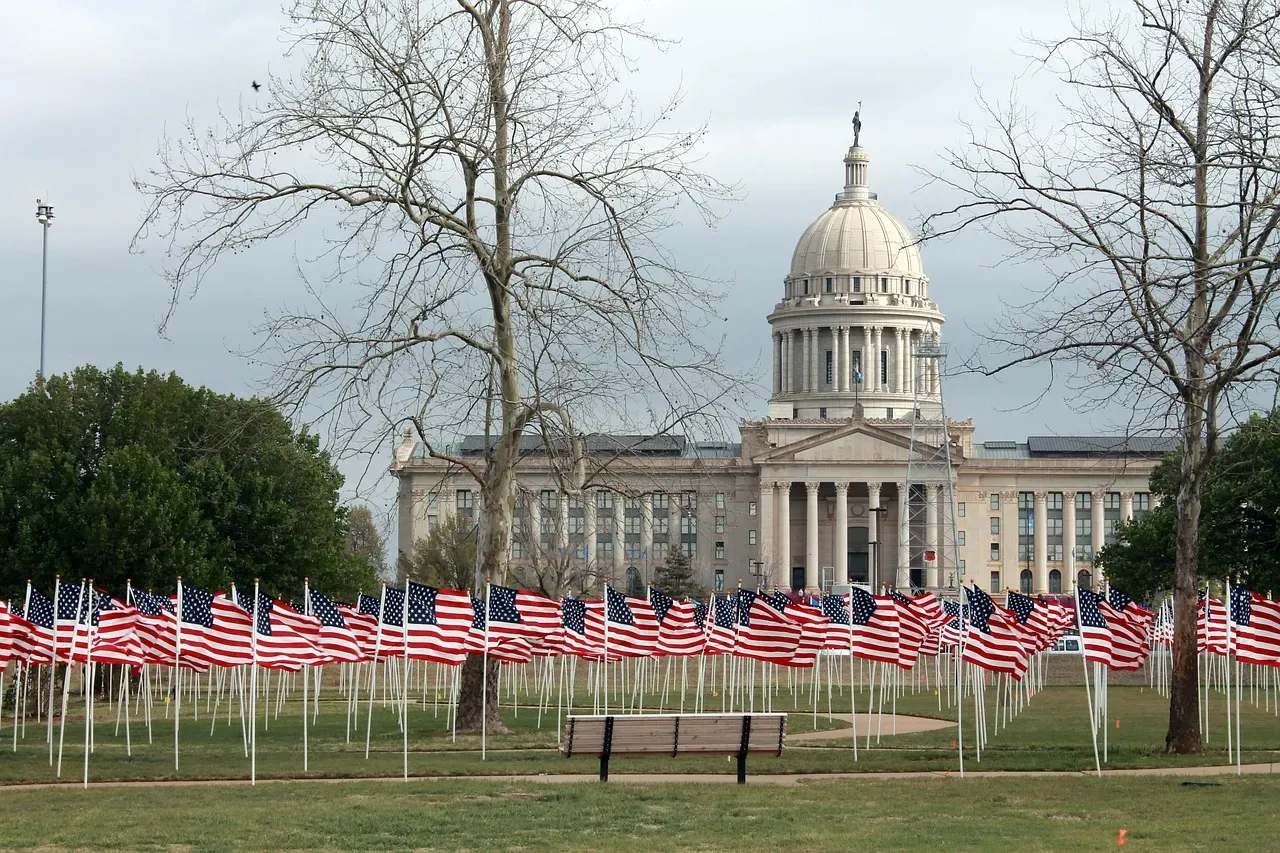
Oklahoma consistently ranks high in surveys measuring traditionalism. Republicans maintain significant dominance here, and cultural attitudes toward patriotism and religious values remain notably above the national average.
The state reflects old-school values through its emphasis on personal responsibility, community support networks, and respect for established institutions. Churches and local leadership continue to command considerable influence over social life and public policy. It’s the kind of place where handshake deals still mean something and your word carries weight.
West Virginia’s Tight-Knit Communities
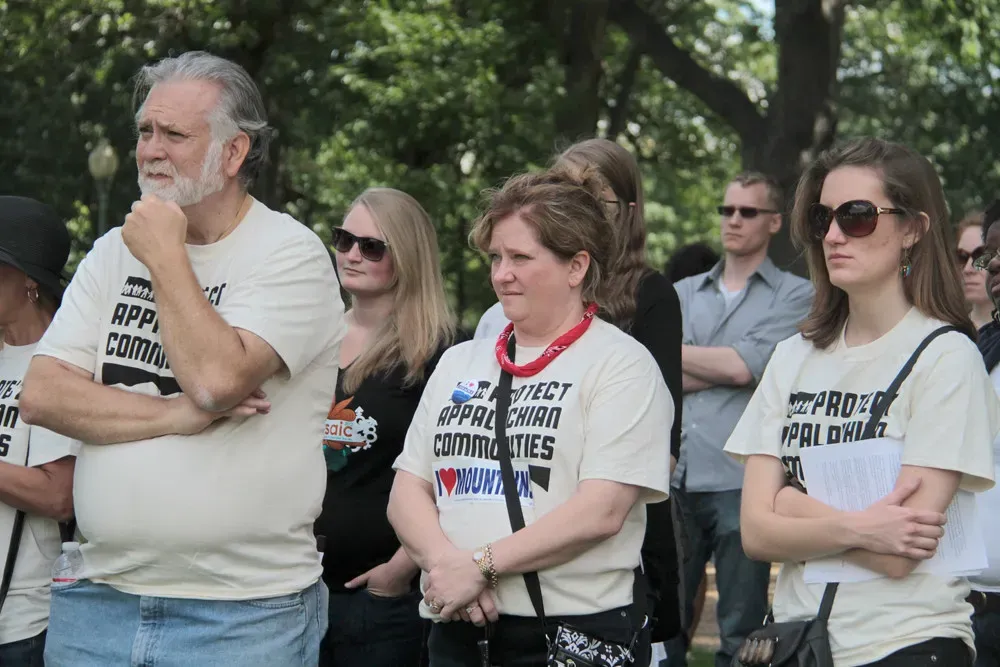
West Virginia is the second-most conservative state in the U.S., where 45% of voters identify as conservative compared to only 17% who identify as liberal, and Donald Trump took 68.6% of the vote in 2020.
The state’s Appalachian communities exhibit remarkable residential stability, with families often remaining in the same counties for generations. This low population turnover allows traditional social norms and values to persist in ways that become increasingly difficult in high-mobility areas. Here, people still gather on front porches and community events draw genuine participation.
Kentucky’s Moral Compass
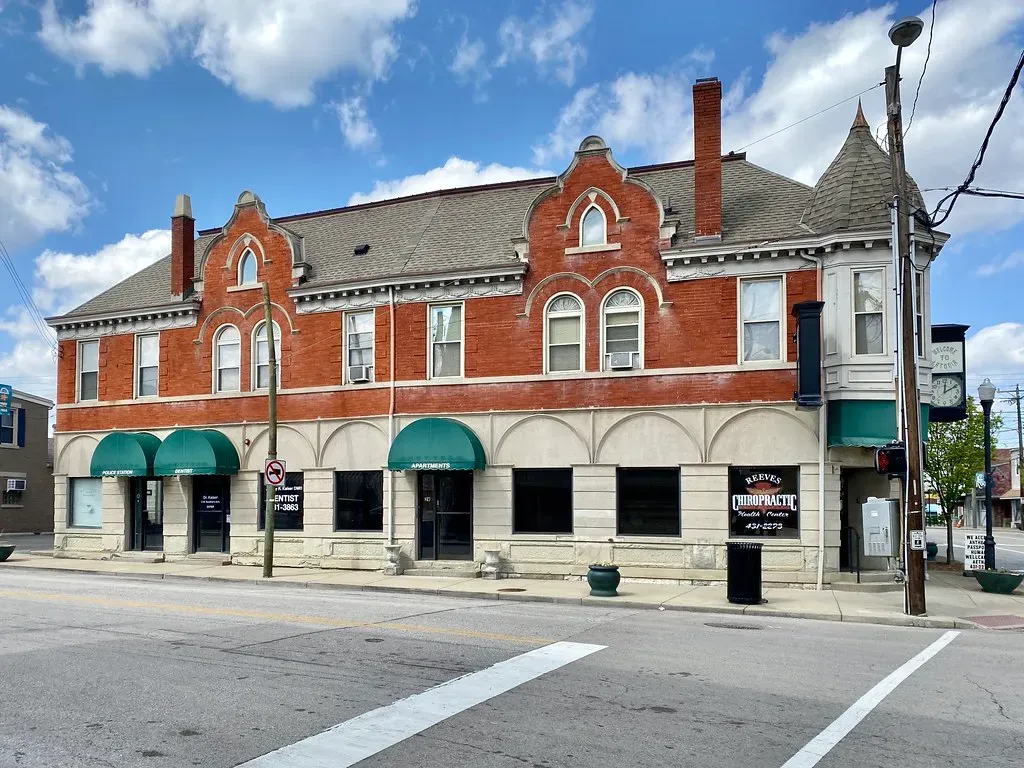
Kentucky has an R+16 PVI, and the state overwhelmingly supported Donald Trump with 62.5% and 62.1% of the vote in 2016 and 2020 respectively, clearly becoming more conservative over time. The state maintains strong support for conventional family structures and local community leadership.
Kentucky residents are more likely than the national average to describe religion as central to their moral decision-making, according to Pew Research updates. The cultural landscape here blends Southern hospitality with Appalachian self-reliance, creating communities where neighbors help neighbors and family ties extend across generations.
Why These Values Persist
There’s a pattern worth noting here. States with slower population turnover tend to preserve traditional values more easily than fast-growing urbanized regions. A 2024 Brookings Institution report confirms that lower migration rates correlate with stronger adherence to historical social norms across many Midwestern and Southern states.
When people stay put, they maintain connections to extended family, longtime neighbors, and established institutions like churches and local civic organizations. These social networks reinforce traditional expectations and values through daily interaction rather than abstract ideology. The communal memory remains intact.
The Religious Foundation
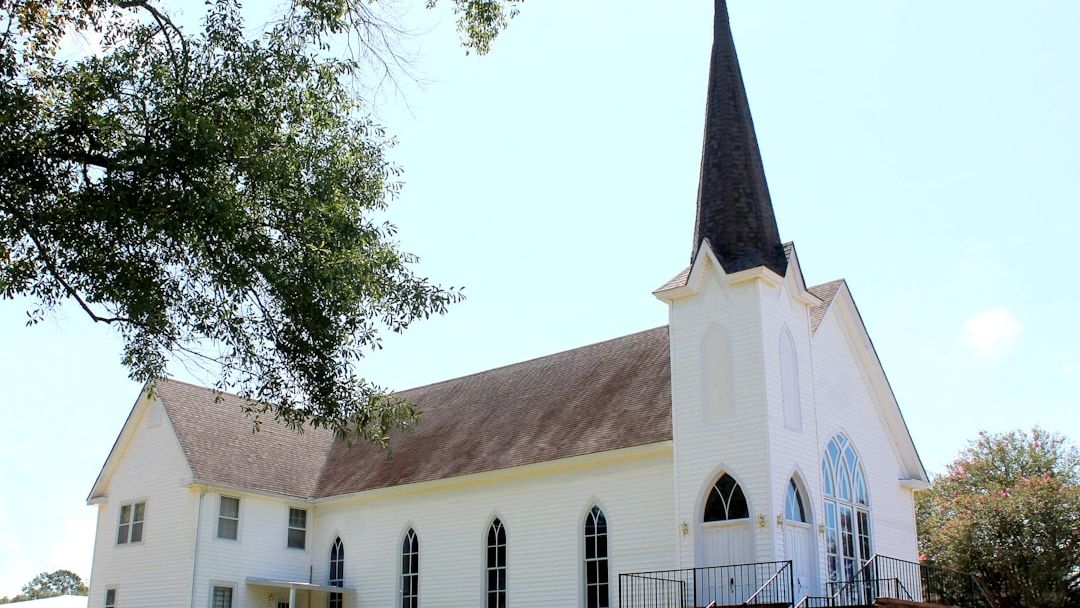
Let’s be honest, religion is the common thread binding these traditional communities together. Church attendance remains high in the Bible Belt, a region stretching from the South to parts of the Midwest, including states like Alabama, Mississippi and Tennessee.
Weekly services provide not just spiritual guidance but also social cohesion. Churches function as community centers where people organize charity work, social events, and mutual aid networks. This creates a cultural ecosystem where religious values naturally influence broader social expectations around family, work, and civic participation.
What This Means For America
The persistence of traditional values in these states reflects a cultural divide that goes beyond simple political disagreements. We’re looking at fundamentally different ways of organizing social life, from how people form families to how they participate in community.
These aren’t museum pieces or historical curiosities. Millions of Americans actively choose to live according to old-school values centered on faith, family, and community responsibility. Whether you view this as admirable tradition or resistance to progress probably depends on where you stand, which is precisely why understanding this cultural landscape matters.
Did you notice anything surprising about which states made the list? What do you think drives communities to hold onto traditional values even as the broader culture shifts? The conversation about American values is far from over.