
You might think you know what it takes to be polite in America. Smile, say thank you, hold the door open. Easy enough, right? Here’s the thing though. There’s one behavior that’s become such a lightning rod for rudeness complaints across the country that it actually shapes how entire cities get ranked for civility. We’re talking about something people do every single day without a second thought, yet it sets off a chain reaction of eye rolls and annoyed sighs from coast to coast.
This isn’t about some obscure social rule that only matters at fancy dinner parties. It’s way more everyday than that. The habit in question happens on street corners, in grocery stores, on subway cars, and pretty much anywhere people gather. What makes it fascinating is how attitudes about this behavior vary wildly depending on where you are, even though most Americans broadly agree it crosses a line. Let’s dive into which states have the strongest feelings about this common courtesy violation.
Rhode Island: Where Loud Phone Talkers Stand Out
Rhode Island ranks as the rudest state in the US, where residents themselves admit their state is ruder than most. The main offender here? Talking loudly on mobile phones in public spaces. Research shows the average person talks three times louder while on a cell phone than in person, and more than half of people have felt uncomfortable hearing personal conversations.
In Rhode Island, this behavior isn’t just annoying. It’s become part of the state’s identity problem. Walk through Providence or Newport and you’ll likely witness someone broadcasting their entire life story to a bus full of strangers. The compact nature of many Rhode Island communities means there’s often nowhere to escape the noise.
Americans typically value personal space and prefer a larger physical distance during conversations, which makes loud phone talking feel like a double intrusion. You’re not just hearing someone talk; you’re essentially trapped listening to half of an intimate conversation you never asked to be part of.
New York: The City That Never Stops Talking
Nearly five percent of New York drivers show poor road manners, and about thirty percent of people say New Yorkers are ruder than those from most other states. Yet it’s not just driving behavior that earns New York its reputation. New Yorkers are especially likely to talk on the phone while waiting in line and frequently take calls in quiet spaces like coffee shops, libraries, or waiting rooms.
The city’s density creates a perfect storm for phone rudeness. When you’re packed into a subway car with a hundred other people and someone decides that’s the ideal moment to have a shouty conversation about their relationship drama, patience wears thin fast. New Yorkers might have thick skin, but even they have limits.
Honestly, the irony is that New Yorkers often pride themselves on their directness and no-nonsense attitude. Yet this same boldness sometimes translates into zero consideration for the people around them when a call comes in.
Massachusetts: Boston’s Loudmouth Problem
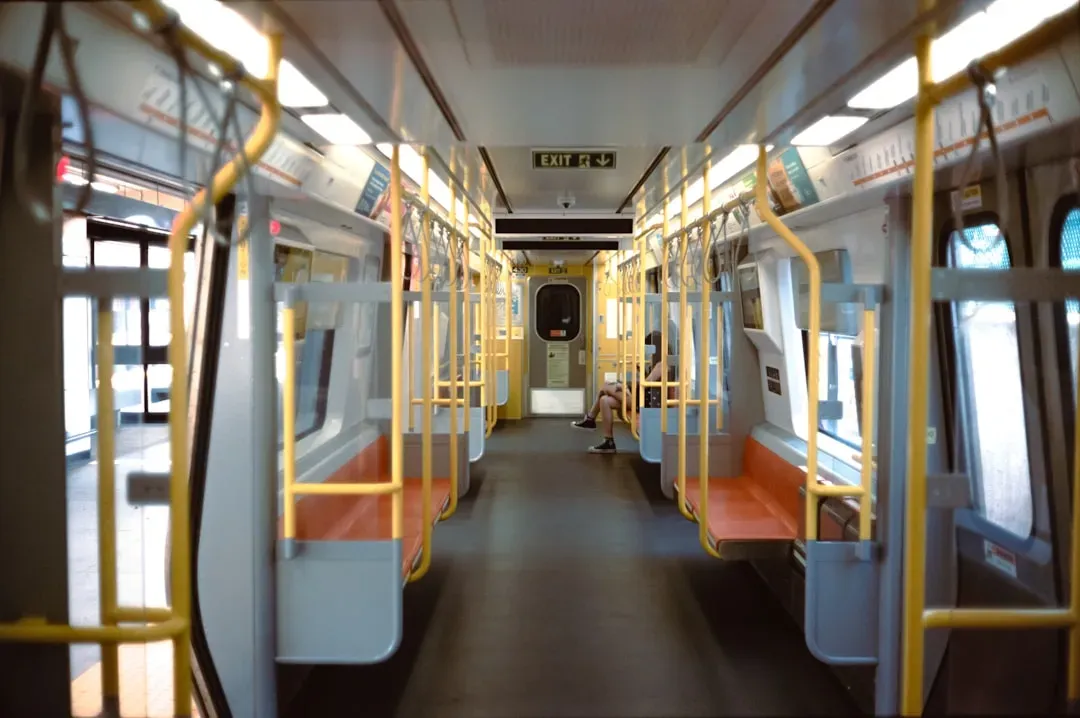
Massachusetts, especially Boston, nearly tops the list for rudest state in America, with rude drivers recorded at around three percent statewide. The state’s reputation extends beyond aggressive driving to include a particular disdain for phone etiquette violations. While roughly three-quarters of Americans think using cellphones on public transit is generally acceptable, attitudes about loud talking differ sharply.
Massachusetts residents encounter this behavior constantly on the T, Boston’s public transit system. The combination of enclosed spaces and poor cell reception sometimes leads to even louder conversations as people compensate for bad connections. Picture someone practically yelling into their phone on the Red Line during morning rush hour. That’s a typical Tuesday in Boston.
A significant majority of older adults disapprove of using speakerphone in shared environments and speaking loudly in public places. In a state with deep historical roots and a large population of older residents, these values hold particular weight.
Virginia: Courtesy for Lovers, Not for Cell Users

Virginia is known both for lovers and rude drivers, with five percent of drivers showing rude behavior, translating to roughly one in twenty drivers on the road. That same disregard for courtesy extends to phone behavior. Virginia presents an interesting contradiction because Southern hospitality is supposed to reign supreme here, yet modern technology seems to have eroded some of those traditional manners.
I’ve noticed that in places like Arlington and Alexandria, which border Washington DC, the phone rudeness feels especially pronounced. Professionals conducting loud business calls while walking down the sidewalk or sitting in restaurants treat public spaces like private offices.
The most annoying phone offenses include talking on speakerphone in public and taking phone calls in quiet places. Virginia residents routinely report frustration with both behaviors, making it clear that talking loudly on phones ranks among their top etiquette pet peeves.
California: Sunshine State, Loud Talkers

California could use an attitude adjustment according to surveys, with residents considered super rude and demonstrating some of the lowest tipping rates. Cities with the worst phone etiquette include San Diego, with residents ranking high for taking calls in quiet public places.
From San Francisco to Los Angeles to San Diego, the pattern holds. Californians love their phones and aren’t shy about using them anywhere and everywhere. Maybe it’s the car culture that’s trained people to view every space as their personal bubble, even when they’re actually standing in line at a coffee shop surrounded by other customers.
Almost nine out of ten Americans think people unnecessarily raise their voices when speaking on wireless phones, and California provides plenty of examples. The laid-back attitude that defines much of California culture seems to translate into a “whatever, I’ll take this call” mentality that grates on people trying to enjoy a peaceful moment.
New Jersey: The Garden State’s Graceless Gabbers
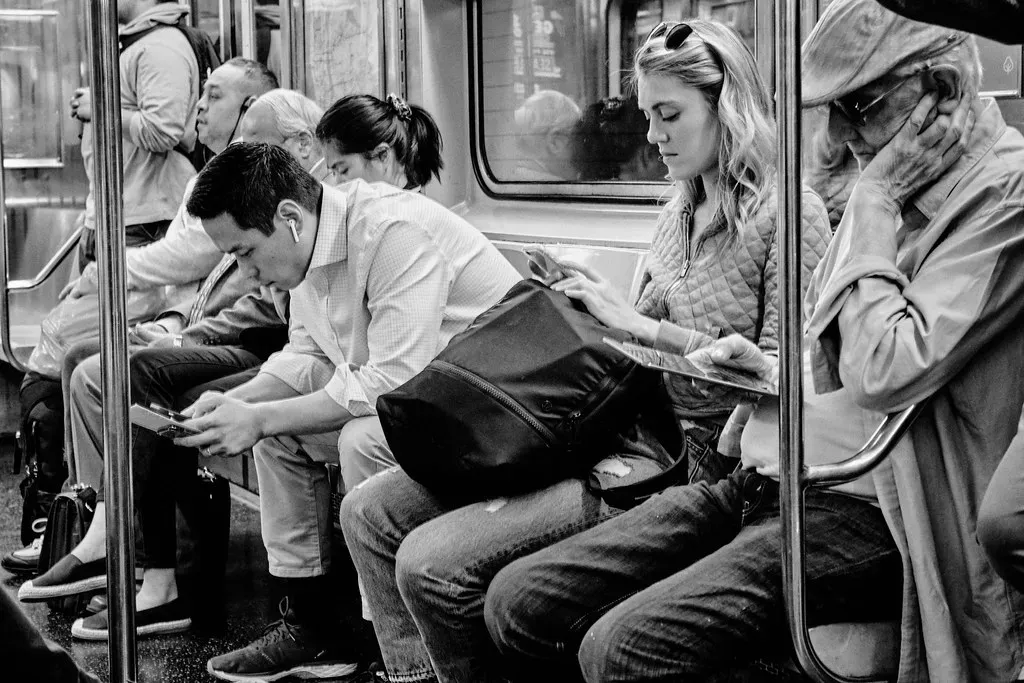
New Jersey residents count cents when tipping, and according to roughly a third of survey respondents, they don’t have good manners either. Phone rudeness fits right into this pattern. New Jersey’s proximity to New York means it shares many of the same cultural characteristics, including a tendency toward loud public phone conversations.
Transit hubs like Newark Penn Station become echo chambers of competing phone calls. Someone’s arguing with their cable company. Another person’s conducting what sounds like a job interview at full volume. A third is just chatting with a friend about weekend plans while everyone else within a twenty-foot radius becomes an unwilling participant.
Interrupting someone mid-sentence is generally frowned upon in American etiquette, yet loud phone talkers essentially interrupt everyone around them. New Jersey commuters deal with this daily reality.
Washington: Pacific Northwest Phone Offenders
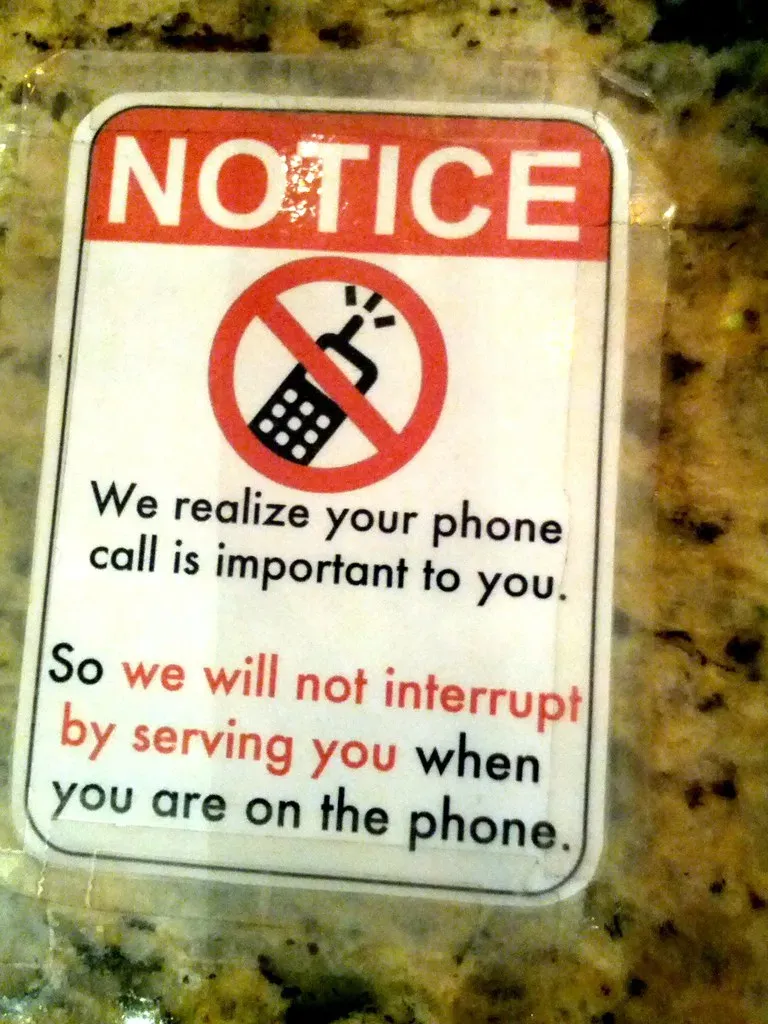
Washington ranks sixth for rudest states, with roughly three percent of residents ignoring basic road rules. The state’s reputation for poor etiquette extends to phone behavior as well. Seattle, in particular, has earned notoriety for residents who seem oblivious to their surroundings while glued to their devices.
Talking on speakerphone in public tops the list of most annoying phone behaviors, and roughly one in three Americans admit to this habit. In Washington’s coffee-shop culture, where cafés serve as de facto offices for remote workers, phone rudeness becomes especially problematic. Someone taking a loud call ruins the atmosphere for everyone trying to work or relax.
The tech industry’s massive presence in the Seattle area might actually contribute to the problem. When your entire life revolves around being connected and responsive, the temptation to take every call immediately becomes harder to resist.
Florida: The Sunshine State’s Noisy Reputation
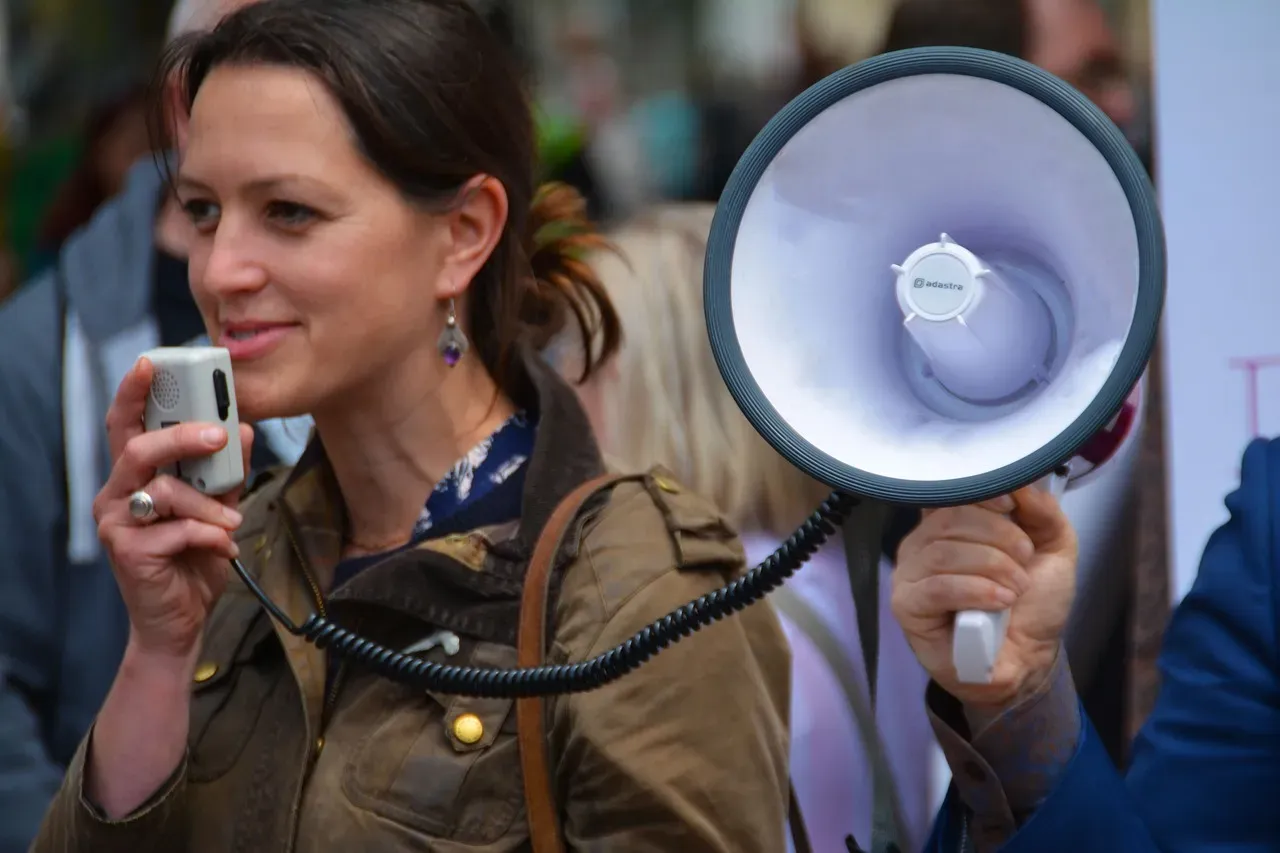
Miami ranks as having the rudest residents in 2024, with lack of awareness in public, loudness in shared places, and rudeness to service staff as defining behaviors. Miami takes the top spot for worst phone etiquette overall, with residents especially likely to talk on speakerphone in public.
Florida presents a unique case because it’s such a melting pot of cultures and transplants from other states. This diversity sometimes creates confusion about which social norms apply. Still, loud phone talking has become so prevalent that it’s now considered a defining characteristic of Florida’s major cities.
Survey participants reported rude behaviors including talking on speakerphone, listening to music or watching videos in shared spaces, and disrespect of personal space. Tampa and other Florida cities also rank high on the rudeness scale for similar reasons.
Texas: Everything’s Bigger, Including Phone Volume
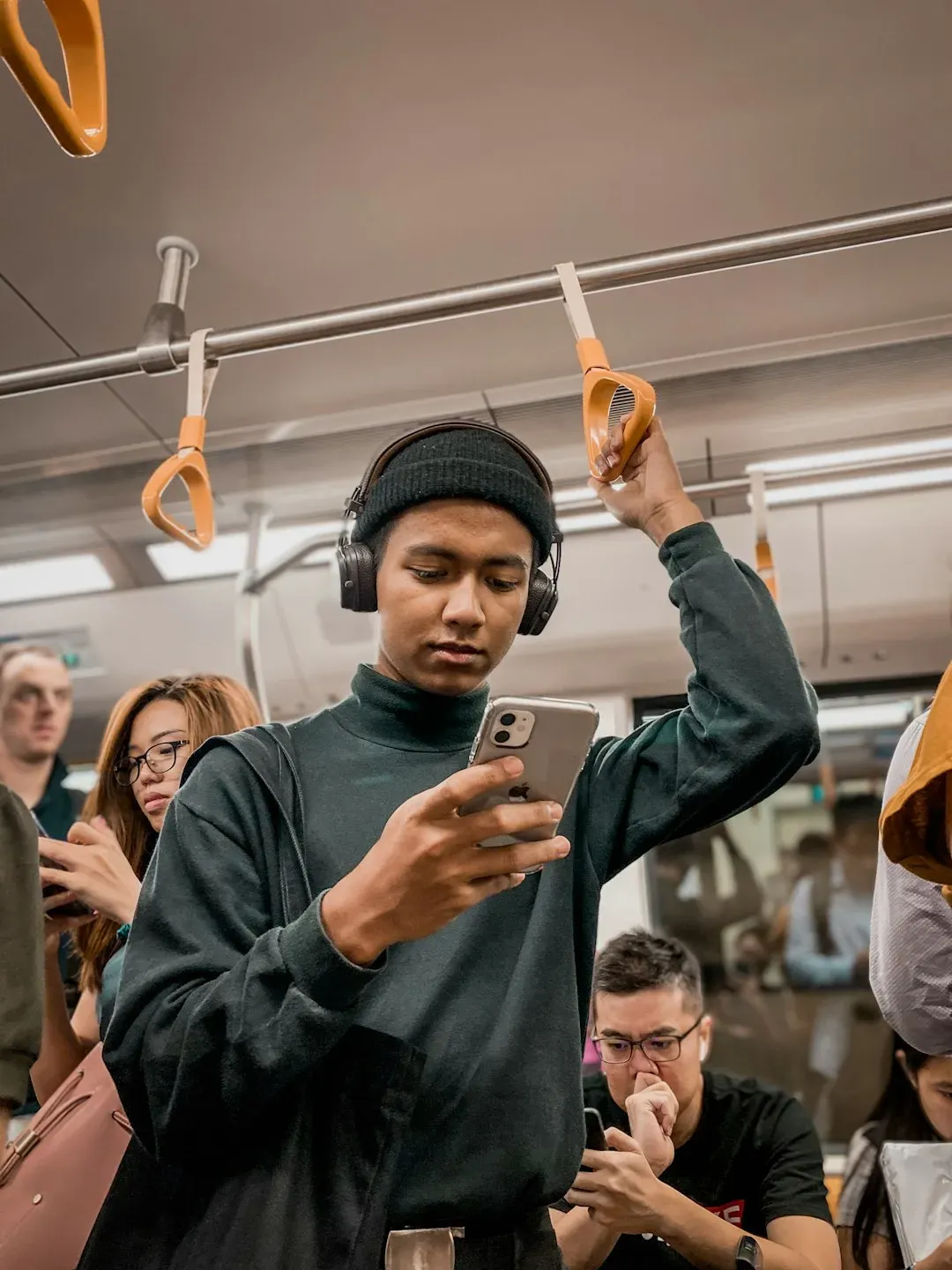
Austin, Texas residents have become ruder since 2022, with phone behavior contributing significantly to this decline. Austin ranks among cities with the worst phone etiquette, with residents scoring high for texting during face-to-face conversations and taking calls in quiet public places.
Texas’s combination of friendly Southern culture and big-city anonymity creates an interesting dynamic. People might be polite in face-to-face interactions but throw that courtesy out the window when a phone rings. San Antonio also appears on the worst phone etiquette lists, suggesting this is a statewide pattern rather than just an Austin quirk.
The tech boom in Austin has brought an influx of young professionals who seem perpetually glued to their phones. Younger adults are more engaged with their devices and more permissive about when it’s acceptable to use mobile phones. This generational shift is reshaping Texas’s social landscape.
Pennsylvania: Philadelphia’s Phone Faux Pas
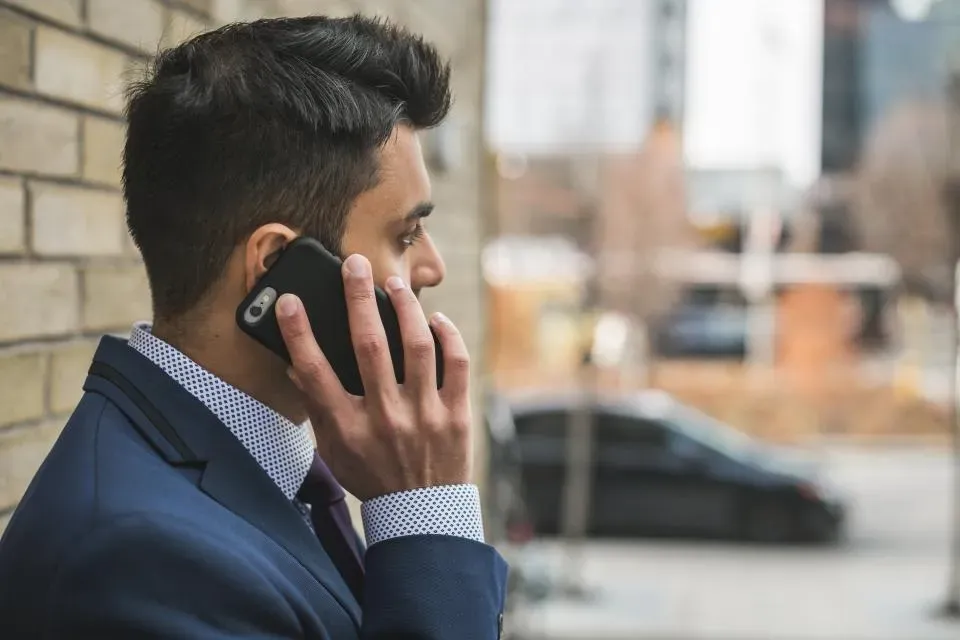
Philadelphia earned a rudeness score that put it in second place for rudest city in 2024. Lack of care for others, being loud in shared spaces, and lack of self-awareness are the most common rude behaviors Americans witness in public.
Philadelphia embodies this pattern perfectly. The city’s no-nonsense attitude sometimes crosses the line into outright rudeness, particularly when it comes to phone use. Walk through Center City or catch a SEPTA train and you’ll encounter people having full-volume conversations as if they’re alone in their living room.
Tipping fifteen to twenty percent is standard in restaurants, and not tipping is considered rude since many workers rely on tips as part of their income. Similarly, talking loudly on phones is considered rude because it disrespects everyone forced to listen. Pennsylvania residents understand this in theory but don’t always put it into practice.
Why This Behavior Crosses State Lines
A broad majority of Americans say they’re being asked to tip service workers more frequently, and three in four say tipping is expected at more places than in the past. Similarly, phone use has expanded dramatically, changing social norms everywhere. Some ninety-two percent of Americans now have a cellphone, and this always-on connectivity is changing the nature of public spaces.
The thing is, we all know talking loudly on phones in public is annoying. Americans view cell phones as distracting and annoying when used in social settings, yet many use their devices during group encounters. It’s become one of those behaviors where everyone thinks they’re the exception to the rule.
About three-quarters of adults think it’s generally acceptable to use cellphones on public transit or while waiting in line, but the majority don’t think it’s acceptable in restaurants or at family dinners. The distinction matters because it shows Americans do have boundaries; they just disagree about where exactly to draw the line.
Mobile phone conversations are commonly perceived as annoying when conducted in public spaces, and cell phone conversations are rated significantly ruder than conversations between two audible speakers. There’s actual science behind why this bothers us so much. Hearing only one side of a conversation is inherently more distracting and irritating than hearing both sides.
Think about it this way: when two people talk face-to-face near you, your brain can easily tune them out as background noise. When someone’s on a phone, your brain keeps trying to fill in the missing half of the conversation, making it impossible to ignore. That cognitive burden is what makes loud phone talkers so universally despised across state lines.
What do you think? Have you noticed this behavior getting worse where you live? Let us know in the comments which states you think have the worst phone etiquette.