
When someone says “old school values,” what do they actually mean? Honestly, it’s one of those phrases that gets thrown around so much that it risks losing meaning entirely. For some folks, it conjures images of tight-knit communities where neighbors help each other and church bells ring on Sunday mornings. For others, it’s about personal responsibility, traditional family structures, or civic pride.
Here’s the thing. We’re living in the year 2026, and the idea of ranking states by their “values” can feel a little uncomfortable, maybe even presumptuous. After all, no statistic can truly capture the human heart, and no ranking can tell the whole story of a community. Yet when we dig into public data, from religious affiliation surveys to volunteering rates and marriage patterns, some fascinating geographical trends emerge. These patterns don’t define every person in a state, but they do reveal cultural currents that shape how communities organize themselves, what they prioritize, and how they live.
So let’s be clear upfront about what this guide is and what it isn’t. This is not a judgment of individual character or a claim that one way of life is superior to another. What we’re doing here is examining measurable indicators that social scientists and researchers use to track civic and cultural patterns across the country. We’ll look at religious participation, volunteering and neighbor helping, marriage rates, family structure, and political ideology using the most recent available data from sources like Pew Research Center’s 2023–24 Religious Landscape Study, PRRI’s 2024 Census of American Religion, CDC marriage statistics, and AmeriCorps civic engagement reports. Think of this as a snapshot gallery, where each state gets its moment to show what the data reveals.
Mississippi: The Magnolia State’s Faithful Foundation
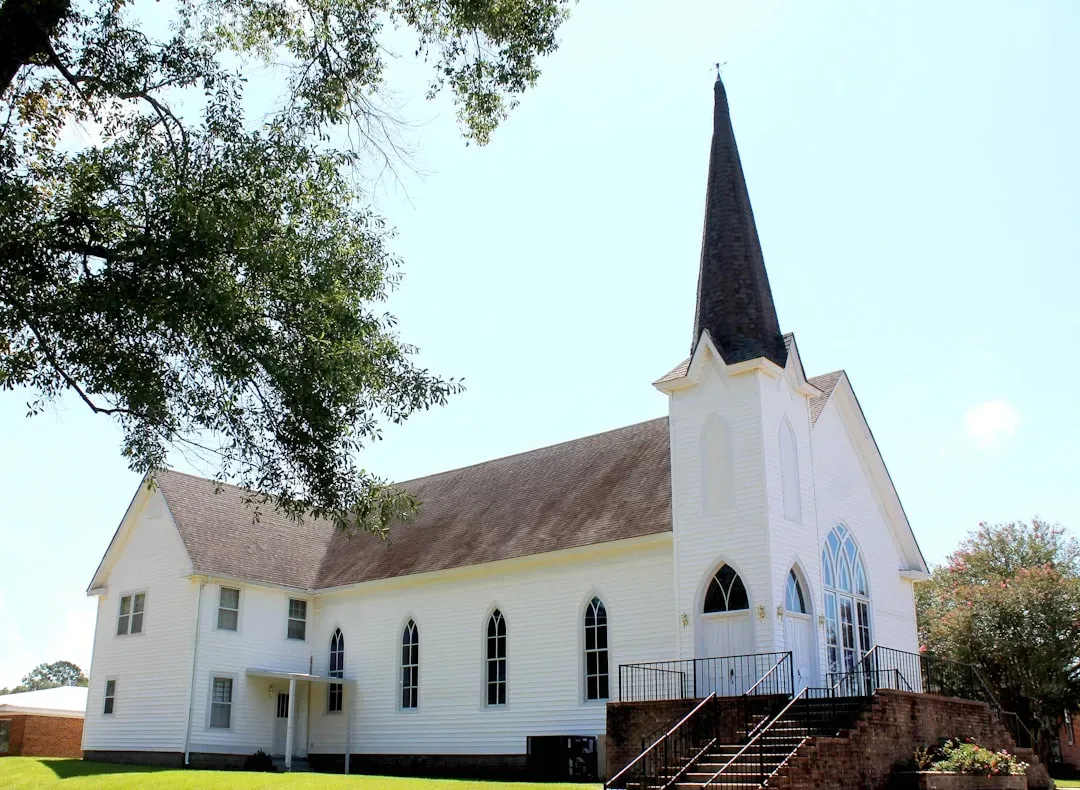
Let’s be real, if you’re measuring “old school” by religious participation, Mississippi sits at the top of just about every list. Pew’s 2023–24 Religious Landscape Study found that 50% of Mississippi adults are “highly religious,” the highest share of any state. When you drill down further, 77% of Mississippi adults identify as Christian according to Pew’s state profile from the same study. That’s a full 15 percentage points above the national average.
Mississippi is also the most conservative state by self-identified ideology, with 49% of residents calling themselves conservative. Informal helping and neighbor relationships remain strong here as well, though the state doesn’t crack the top ten in formal volunteering rates. Still, the combination of religious identity, conservative ideology, and community-oriented patterns make Mississippi a standout.
Here’s what’s important to remember, though. Mississippi is not a monolith. Cities like Jackson have very different cultural profiles than rural Delta towns. Income, race, and migration all play roles in shaping individual values, and state-level data can’t capture every nuance.
Alabama: Tradition Runs Deep
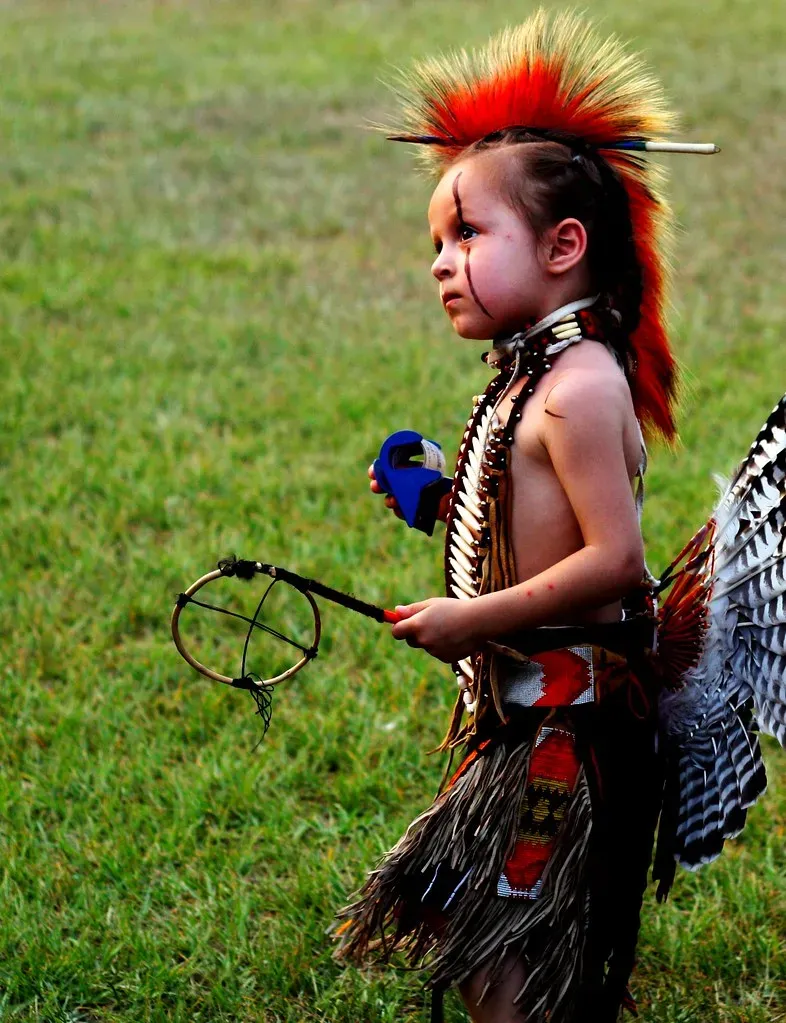
Right behind Mississippi sits Alabama, another Deep South state where traditional values show up strongly in the numbers. Alabama ranks as one of the most conservative states in the nation based on residents’ self-identified ideology. Religious participation is robust here, too, with evangelical Protestantism playing a significant cultural role across much of the state.
Marriage rates in Alabama reflect a culture where family formation remains a priority. Though the state doesn’t always top the volunteering charts, informal neighbor-helping and community ties remain strong in many areas. Alabama’s cities, particularly Birmingham and Huntsville, have grown more diverse and cosmopolitan in recent years, creating pockets of cultural variation within a broadly conservative state.
What you need to watch out for is stereotyping. Alabama has a complicated history and a dynamic present, and reducing it to a single set of “values” ignores the real people working every day to build stronger, more inclusive communities.
Utah: Faith, Family, and Civic Engagement
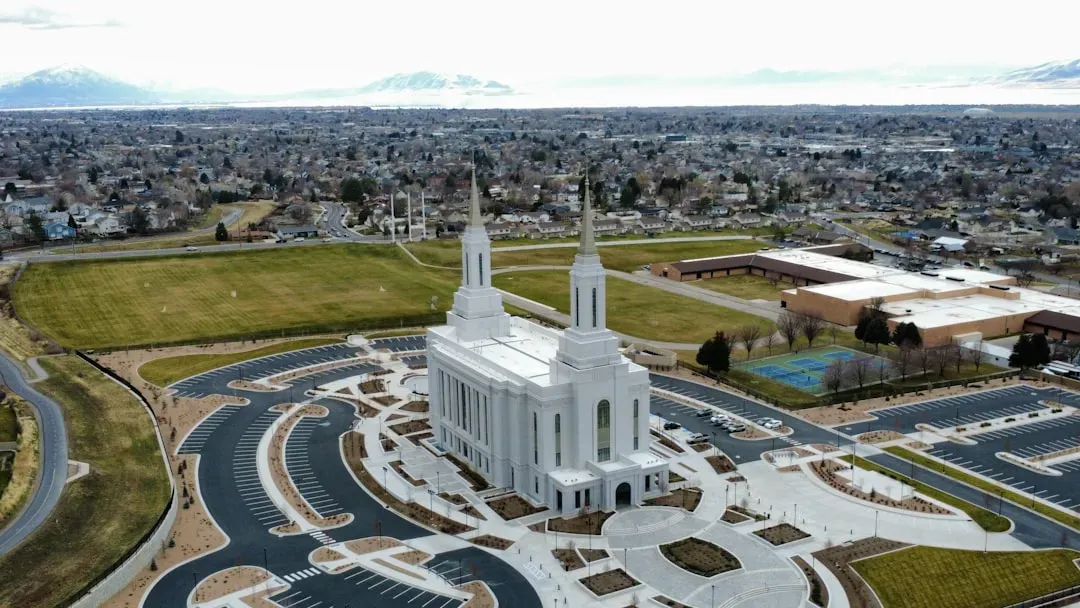
Utah is a fascinating case because it blends religious commitment with extraordinarily high civic participation. Utah retained the highest refined marriage rate for the fourth year in a row with 49 women marrying per 1,000 unmarried women in 2023. In 2023, Utah had the highest rate of residents engaged in formal volunteering at 46.6%. Utahans are also the most likely to informally help their neighbors, with a 2023 rate of informal volunteers at 68.2%.
The influence of The Church of Jesus Christ of Latter-day Saints is undeniable here, shaping not just religious practice but also community norms around service, marriage, and family life. Utah is among the most conservative states, located in the Mountain West.
Still, Salt Lake City and its surrounding suburbs have grown increasingly diverse, with growing populations of non-Mormons, young professionals, and LGBTQ+ residents. The statewide numbers tell one story, but lived experience in different neighborhoods can tell another.
Wyoming: The Cowboy State’s Conservative Streak
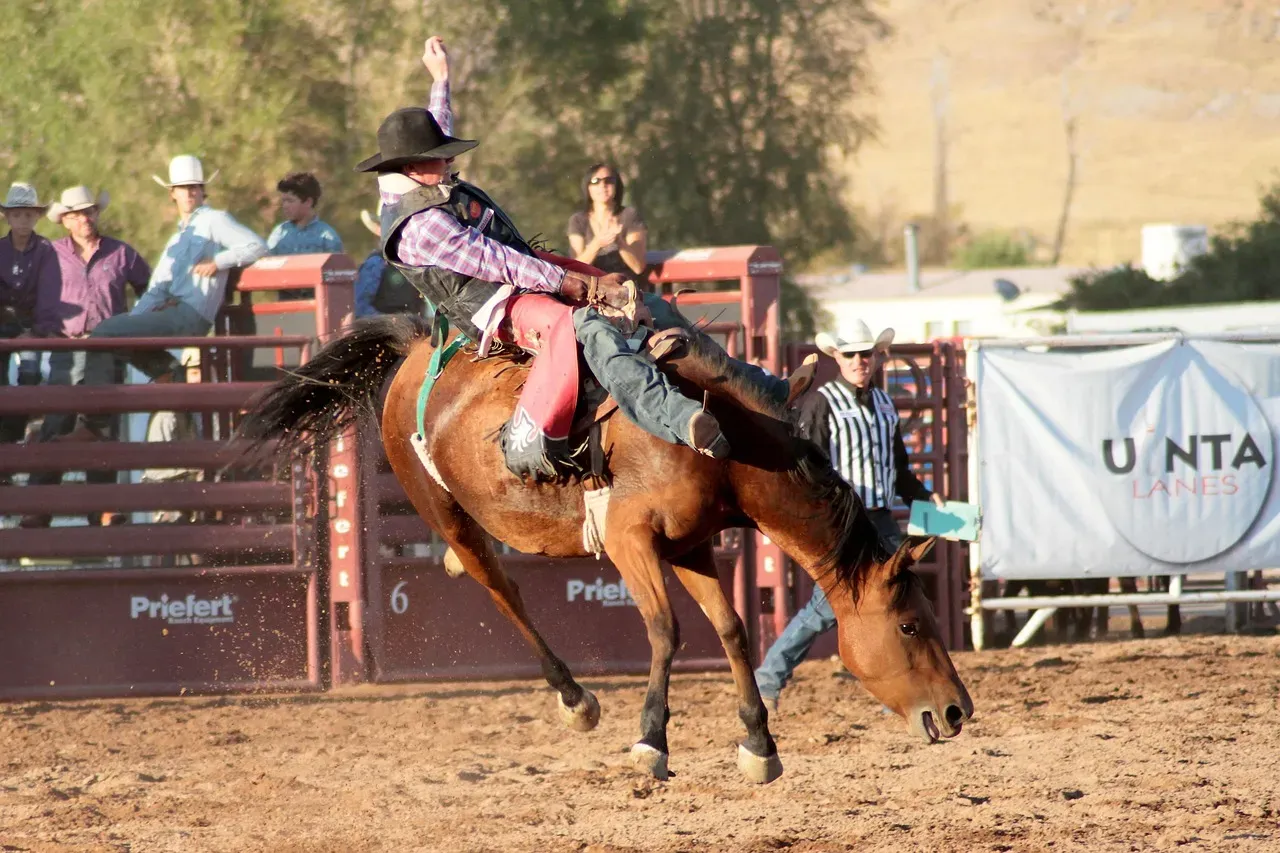
Wyoming stands out for its rugged individualism and conservative politics. Wyoming is identified as one of the most right-leaning states in the nation, with self-identified conservatives outnumbering self-identified liberals by more than 30 percentage points. Wyoming also had a 39.2% formal volunteering rate in 2021, topping the list alongside Utah.
What drives Wyoming’s profile? Partly it’s the state’s small, dispersed population and its economic reliance on ranching, energy, and tourism. Communities here often depend on each other in ways that urban environments don’t always require. Church attendance remains relatively strong, and traditional family structures are common.
Yet Wyoming is also changing. Towns like Jackson Hole have become magnets for wealthy out-of-state transplants, and the state’s politics can be more libertarian than traditionally conservative on certain issues. Don’t assume every Wyoming resident fits the cowboy archetype.
North Dakota: Quiet Conservatism and Community Ties
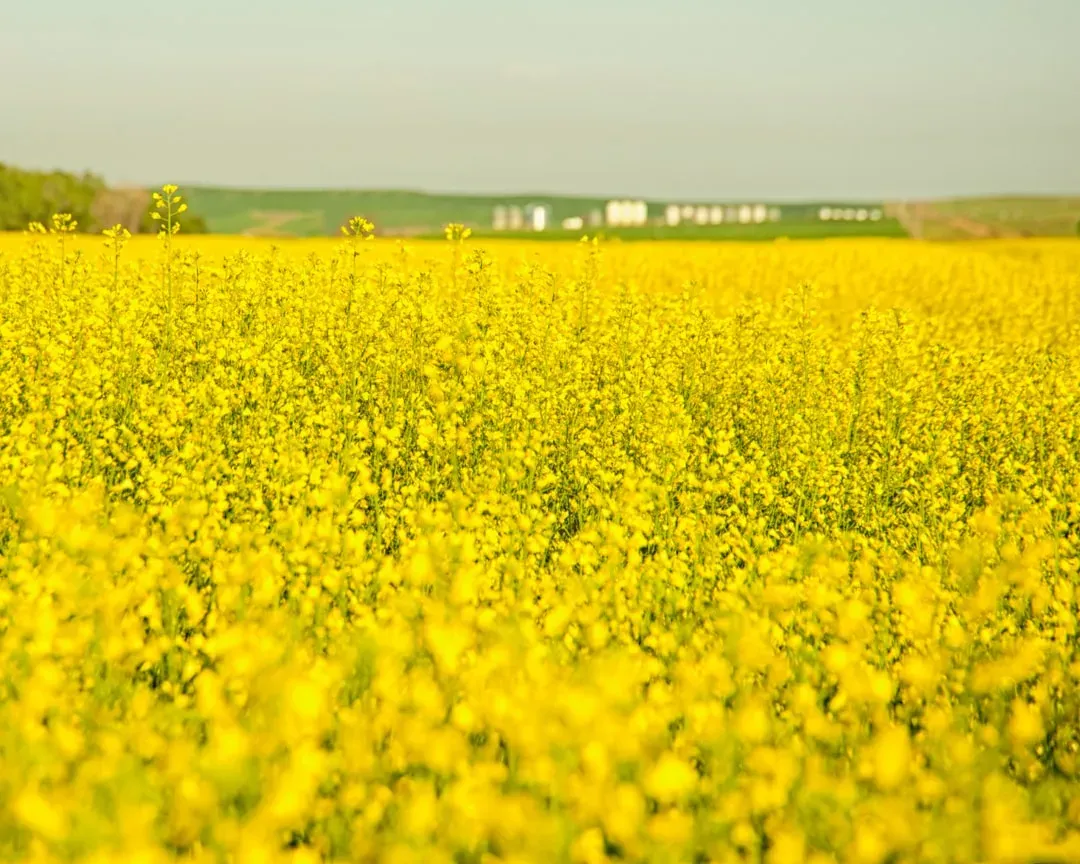
North Dakota might not grab headlines, but it quietly ranks among the most conservative states in the country. North Dakota is identified alongside Wyoming and Mississippi as one of the most right-leaning states based on self-identified ideology. Religious participation, particularly among Lutheran and Catholic communities, remains strong.
Volunteering and civic engagement are woven into the fabric of life here, though perhaps in less formal ways than in some other states. The state’s small towns and agricultural economy mean that helping your neighbor isn’t just nice, it’s often necessary for survival during harsh winters or economic downturns.
Like other rural states, North Dakota faces challenges with out-migration of young people and economic shifts in the energy sector. The state’s values are real, but they exist within a changing demographic and economic landscape.
South Dakota: Mount Rushmore Values
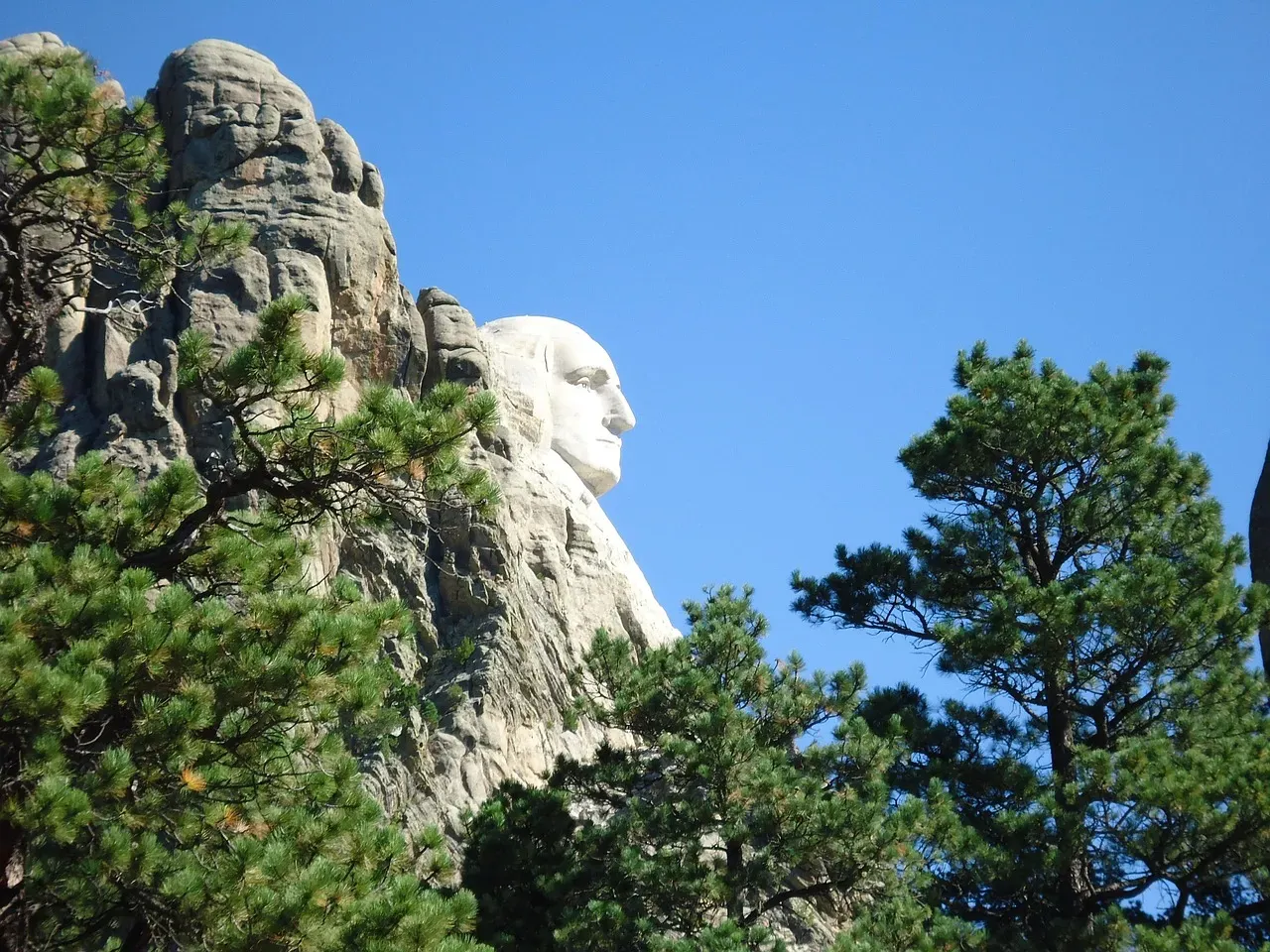
South Dakota shares many characteristics with its northern neighbor, including conservative political leanings and strong community bonds. South Dakota is located in the Great Plains region and is among the states with a strong conservative advantage. Religious identity, particularly among Christian denominations, remains relatively high compared to the national average.
The state’s volunteering rates are solid, and informal helping is common, especially in rural areas where neighbors rely on each other. Family structures tend to be traditional, and marriage rates are relatively stable.
Sioux Falls, the state’s largest city, has experienced growth and diversification in recent years, creating some cultural contrast with more rural areas. Income levels, Native American communities on reservations, and differing economic opportunities all shape how “values” play out across the state.
Idaho: The Gem State’s Traditional Profile
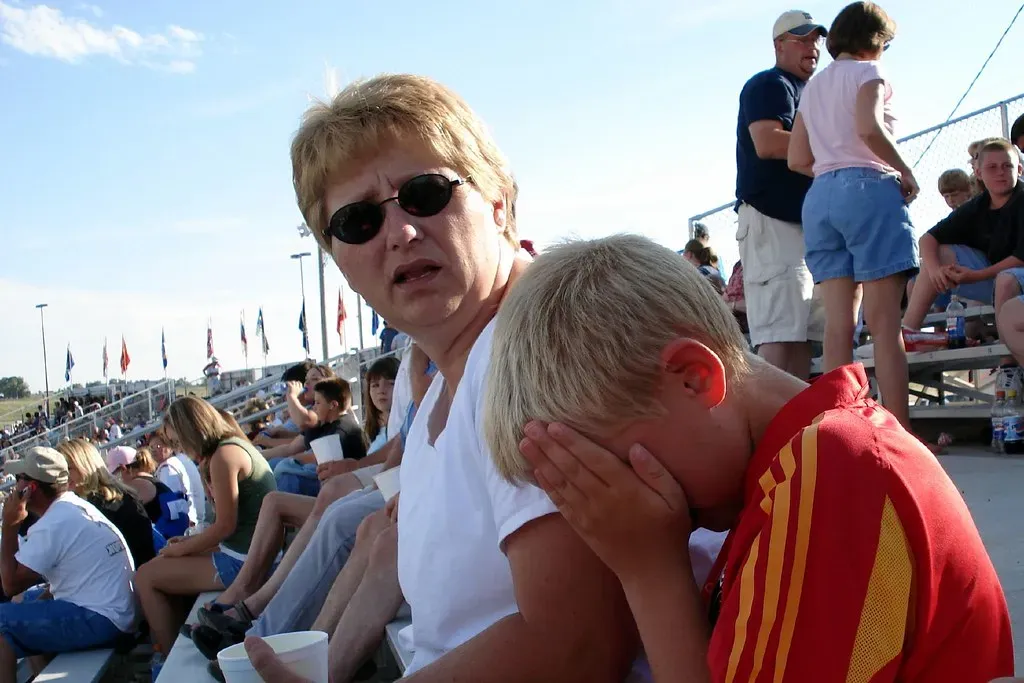
Idaho has become a destination for people seeking a more conservative, family-oriented lifestyle, and the data reflects that trend. Idaho is among the most conservative states, located in the Mountain West. Religious participation, particularly among evangelical Protestant and Latter-day Saint communities, is strong.
Marriage rates are relatively high, and family formation remains a cultural priority. Volunteering and civic engagement are robust, particularly in smaller communities where social ties are tight. The state’s natural beauty and relatively low cost of living have attracted newcomers, especially from California and other West Coast states.
Boise, the state capital, has grown rapidly and become more politically diverse, creating some tension between longtime residents and newer arrivals. The state’s “old school” values are real, but they’re being tested by demographic change.
Oklahoma: Bible Belt Backbone
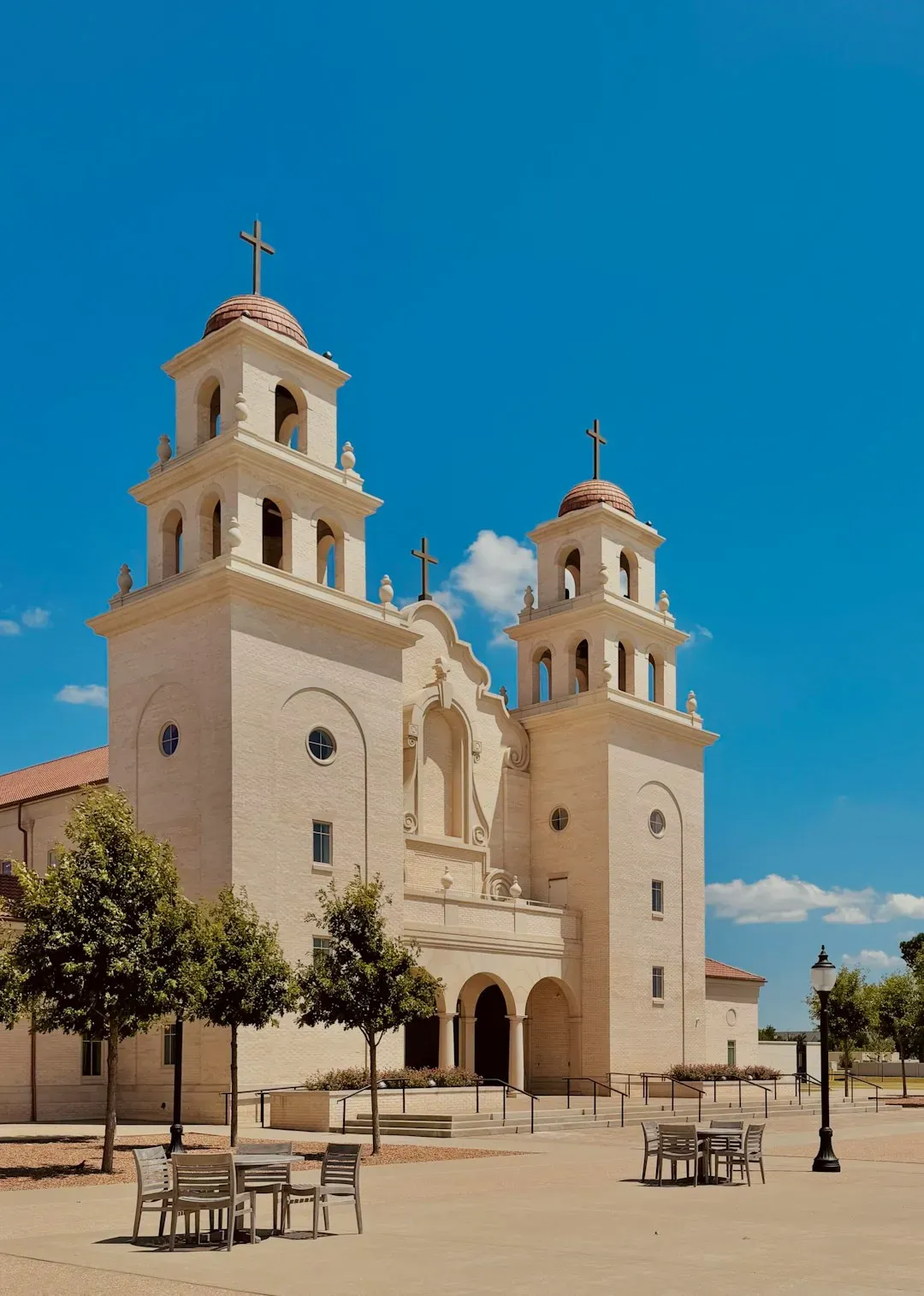
Oklahoma sits firmly in the Bible Belt, and its cultural profile reflects that geography. Religious participation is high, and conservative political ideology dominates. Oklahoma is identified as straddling the Great Plains and Southern regions and appeared in the top 10 most conservative states in 2014.
Marriage and family structures tend to be traditional, and informal community ties remain strong, particularly in rural areas and small towns. Formal volunteering rates are moderate, but the spirit of neighbor-helping is alive and well.
Oklahoma City and Tulsa have grown more diverse in recent decades, and the state’s Native American population adds cultural complexity that state-level statistics sometimes obscure. Don’t assume a single story fits everyone.
Arkansas: Natural State, Traditional Values
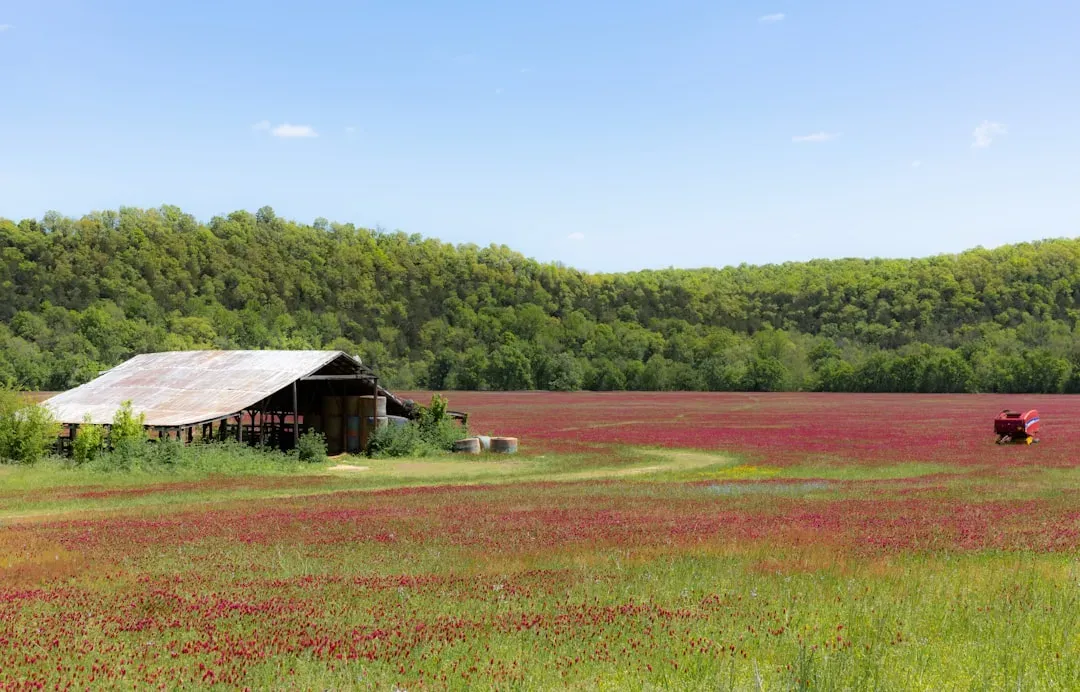
Arkansas combines Southern culture with rural conservatism, creating a distinct value profile. Arkansas is among the most conservative states, located in the South. Religious participation, particularly in Baptist and other evangelical churches, is strong. Conservative political ideology is widespread.
Marriage rates reflect traditional family formation patterns, though economic challenges and rural poverty complicate the picture. In 2022, Arkansas had among the highest divorce rates in the nation. That paradox reminds us that values and lived reality don’t always align neatly.
Cities like Little Rock and Fayetteville are growing and diversifying, creating pockets of cultural difference within a broadly traditional state. Income disparities and educational attainment also shape how values manifest in daily life.
Tennessee: Volunteer State Lives Up to Its Name
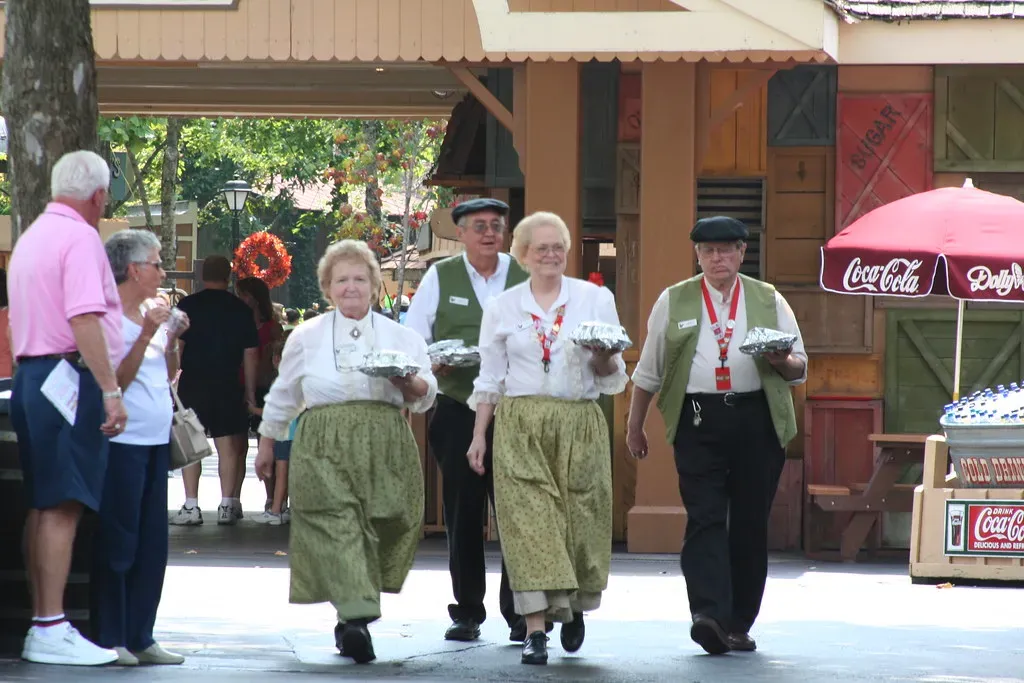
Tennessee earns its nickname in multiple ways. Tennessee is among the most conservative states in the South and appeared in the top 10 conservative states in 2016. Religious participation remains strong, particularly in evangelical Protestant communities across the state.
Volunteering and civic engagement are robust, and informal neighbor-helping is common, especially outside the state’s major cities. Marriage rates are solid, and family structures tend to be traditional.
Nashville, Memphis, and Chattanooga have all experienced significant growth and cultural diversification in recent years. The state’s music industry, tourism economy, and in-migration from other states are reshaping parts of Tennessee’s cultural landscape.
Louisiana: Bayou State’s Blended Traditions

Louisiana is culturally distinct, blending Southern, Creole, Cajun, and Catholic traditions into a unique mix. Louisiana ranks as one of the most conservative states based on residents’ self-identified ideology. Religious participation is strong, though it’s more Catholic-influenced than many other Southern states.
Louisiana is tied with Delaware as the state with the lowest refined marriage rates, with about 24 women who married per 1,000 unmarried women, and is one of only two Southern states in the bottom quartile. That’s a striking contrast to other conservative states and suggests that economic factors, not just cultural values, shape family formation.
Volunteering rates are moderate, and informal helping remains common in tight-knit communities. New Orleans stands apart culturally from the rest of the state, with a more liberal, cosmopolitan profile.
South Carolina: Palmetto State Traditions
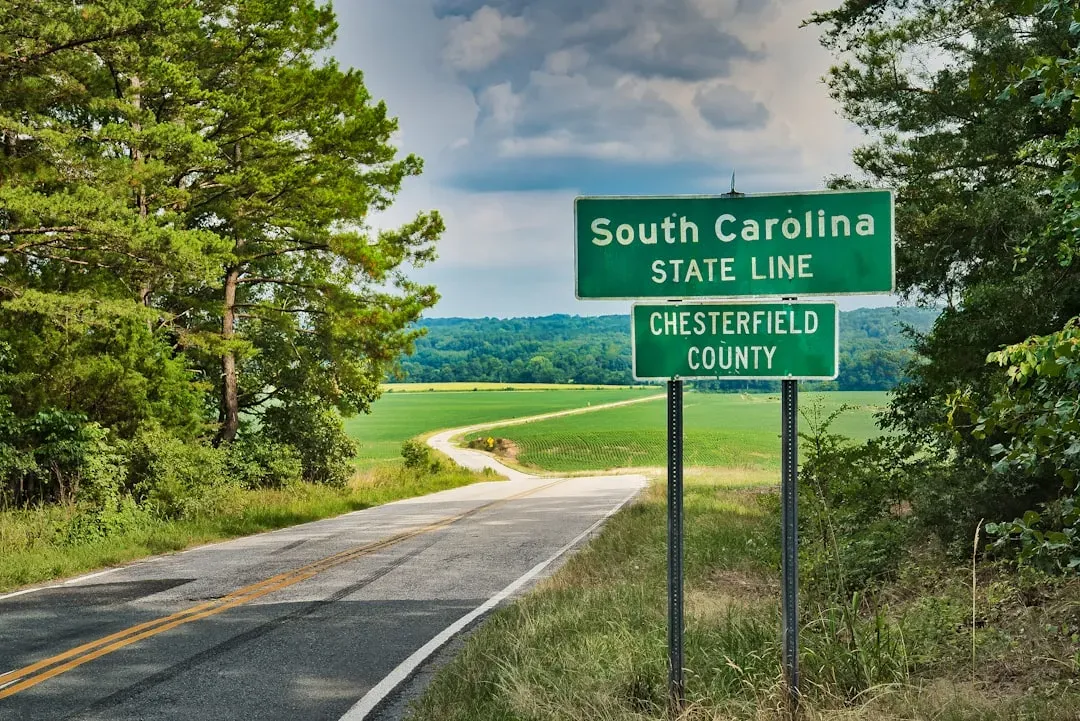
South Carolina carries the cultural weight of the Deep South, with conservative politics and strong religious participation. South Carolina is among the most conservative states, located in the South. Evangelical Protestantism dominates the religious landscape, and church attendance remains relatively high.
Marriage and family structures tend to be traditional, and informal community ties are strong, particularly in smaller towns and rural areas. Volunteering rates are moderate. Charleston, Greenville, and Columbia have all grown and diversified, attracting newcomers from other states.
The state’s complicated racial history and ongoing tensions around Confederate symbolism remind us that “traditional values” mean different things to different communities.
Montana: Big Sky, Big Hearts
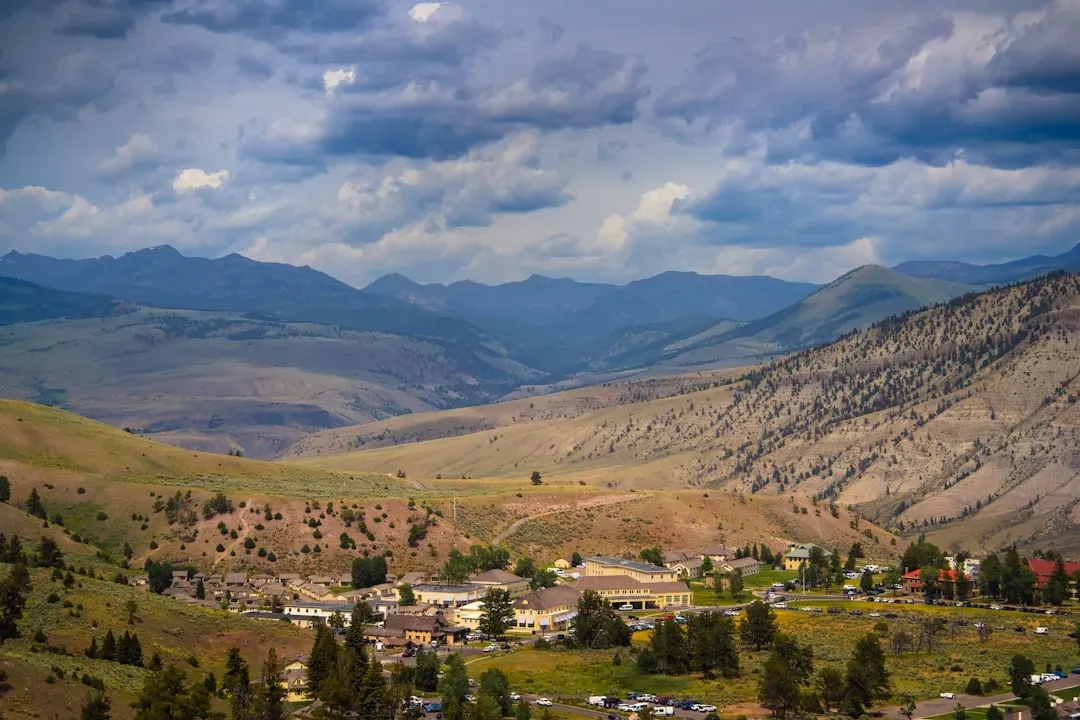
Montana combines rugged individualism with strong community bonds. Montana had the highest rate of informal helping in 2021 at 68.8%, which includes helping others outside of an organizational context like doing favors for neighbors. Montanans rank second in informal helping in 2023 at 68.0%.
Montana is one of the few states that has become at least slightly more conservative since 2009. Religious participation is moderate but meaningful, and traditional family structures remain common.
Formal volunteering rates are solid, and the informal helping numbers speak to a culture where neighbors truly look out for each other. Towns like Missoula and Bozeman have become more liberal and diverse in recent years, creating cultural contrasts with rural areas.
Nebraska: Cornhusker Civic Spirit
Nebraska blends Midwest sensibility with strong civic engagement. Nebraska had a 66.4% rate of informal helping in 2021, the second highest in the nation. Nebraska tied for third in formal volunteering at 40.3% in 2023.
Conservative political ideology is common, and religious participation, particularly in Catholic and Lutheran communities, remains strong. Marriage rates are solid, and family structures tend to be traditional.
Omaha and Lincoln have grown and diversified, but they remain culturally distinct from coastal cities. The state’s agricultural economy and small-town culture reinforce community ties and mutual support.
Indiana: Hoosier Heartland Values
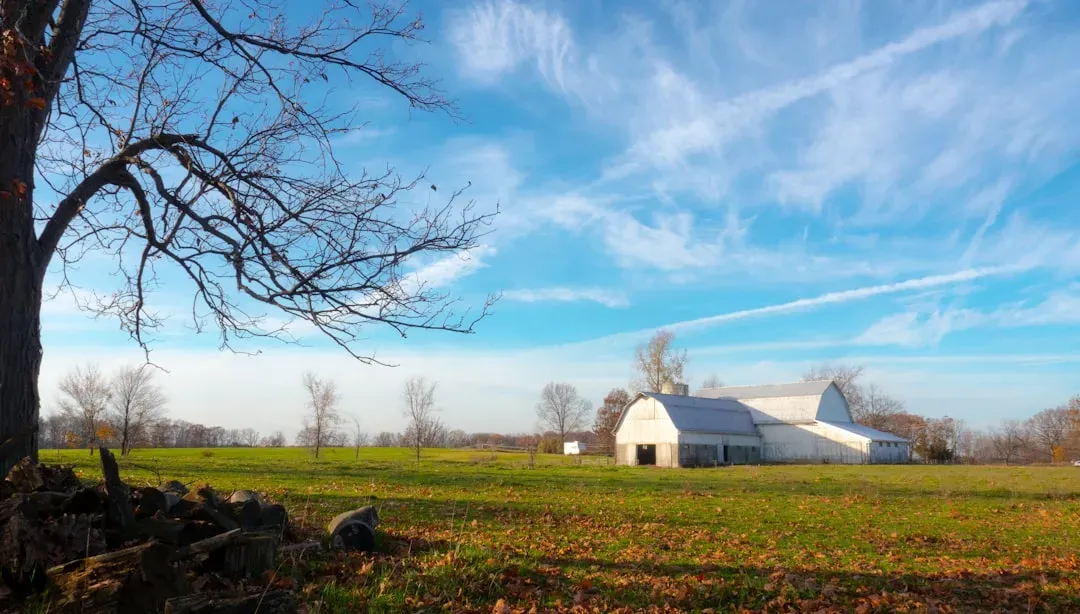
Indiana sits squarely in the Midwest, with conservative politics and traditional family values. Religious participation is strong, particularly in evangelical Protestant and Catholic communities. Conservative political ideology is widespread, though the state has pockets of liberalism in cities like Bloomington and parts of Indianapolis.
Marriage rates are relatively stable, and family structures tend to be traditional. Volunteering and civic engagement are solid, reflecting a culture of community involvement.
Indianapolis has grown significantly and become more diverse, creating some cultural contrast with rural areas. Economic challenges in manufacturing and agriculture have also shaped the state’s social landscape.
Why State Averages Don’t Tell the Whole Story
If there’s one thing you should take away from this guide, it’s this: state-level data can obscure as much as it reveals. A “conservative” state like Utah has liberal pockets in Salt Lake City. A “traditional” state like Mississippi has progressive communities in college towns and urban centers. Income, age, race, education, and migration all create enormous variation within states.
Rural areas tend to be more religious, more conservative, and more community-oriented than urban centers. Younger people are less likely to identify as religious or conservative than older generations. Wealthier, more educated populations often show different value patterns than working-class communities. Migration from other states and countries is reshaping the cultural landscape of many traditionally conservative states.
“Old school values” can’t be fully captured by rankings or data points. They’re lived out in countless individual choices, in how people treat their neighbors, in what they teach their children, and in the communities they build together. Some of the kindest, most community-minded people you’ll ever meet live in states that don’t crack this list at all. Some of the most selfish, individualistic people live in states that do.
Values are personal, complex, and constantly evolving. These numbers are just a starting point for understanding cultural trends, not a final judgment on any place or any person. What would you have guessed?