
Making a family work in today’s economy feels like walking a tightrope. Every decision about where to settle down comes back to that one fundamental question: can we actually afford to live there? Housing prices have skyrocketed in recent years, and families are getting squeezed from every direction. Honestly, the idea of the American Dream feels pretty abstract when you’re staring at home prices that seem impossible to reach.
Here’s the thing, though. Some states still offer genuine affordability for families willing to look beyond the usual suspects. These places combine lower housing costs with decent job markets and community amenities that don’t break the bank. Let’s dive in and explore which states are actually delivering on that promise in 2026.
10. Tennessee: No Income Tax and Family-Friendly Suburbs

Tennessee stands out because it has no state income tax, which immediately gives families more breathing room in their monthly budgets. That’s real money staying in your pocket instead of going to the state every payday. Many Southern states feature no state income tax, including Tennessee and Texas, though Texas counters that advantage with higher property taxes, so Tennessee’s approach feels more balanced overall.
The state also delivers when it comes to lifestyle and natural beauty. You’ve got Nashville and Memphis offering cultural experiences without the coastal price tags, plus mountains and lakes that give families plenty of weekend adventure options. Tennessee stands out for its tax-friendly environment, no state income tax, and family-pleasing suburbs with excellent public schools. The state’s rich culture and natural attractions provide engaging experiences year-round. Let’s be real, being able to afford a decent home while still having money left over for family activities matters more than people sometimes admit.
9. Arkansas: Natural Beauty Without the Premium Price

Arkansas often flies under the radar, which might actually be part of its charm. Arkansas still ranks among the cheapest, with median home prices about $282,900. That’s a fraction of what you’d pay in coastal markets, and the state’s economy has staying power thanks to diverse industries.
The median home price is around $210,000. From the Ozark Mountains to natural hot springs, Arkansas gives nature lovers affordable places to live. If your family values outdoor recreation, this state delivers spectacular scenery without requiring you to take out a second mortgage. Arkansas has the third-lowest median home value of $123,300. A typical Arkansas home is around 1,725 square feet. Space, scenery, and savings – it’s hard to argue with that combination.
8. South Dakota: Hidden Affordability with Economic Stability
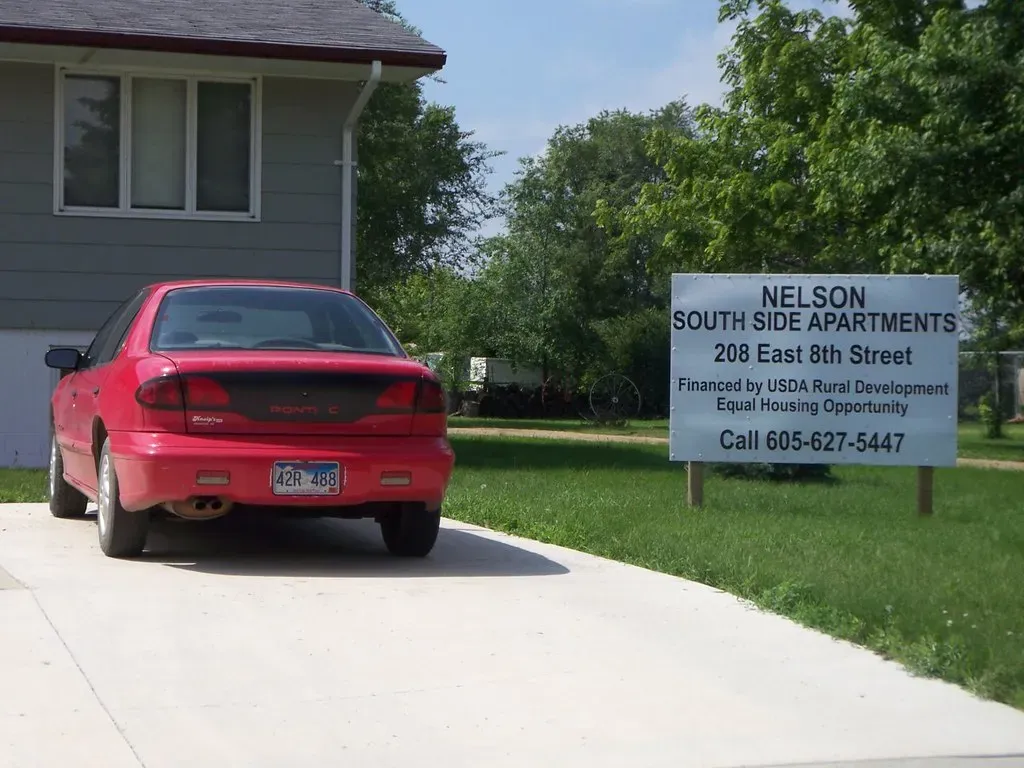
South Dakota doesn’t always make the headlines, but families looking for genuine affordability should pay attention. The state’s cost-of-living index sits well below the national average, and typical homes sell for around $289,000 – far under the U.S. median of $377,367. However, what really sets South Dakota apart is how stable those costs remain.
The state also offers something many overlook: no state income tax. That’s a significant advantage when you’re trying to stretch a family budget. North Dakota claims third place among the best states for families, offering significant savings on rent. The average annual rent for a two-bedroom apartment costs just 11.8% of the median income in the state, the lowest percentage in the country. Though this citation refers to North Dakota, South Dakota shares similar affordability characteristics with its northern neighbor. The combination of low costs and economic stability makes South Dakota quietly attractive.
7. Kansas: Low Costs Meet Solid Infrastructure
Kansas checks in at 89.7 and gets extra points for skipping state income tax. That alone improves take-home pay for many. Housing is also a win, with the median home price near $242,044. When you’re talking about family affordability, those numbers actually matter in day-to-day life.
Best price-to-income ratios: West Virginia shows a 2.9 ratio, Iowa comes in at 3.0, and Kansas sits at 3.2. Iowa and Kansas balance low housing costs with stable agriculture economies and expanding manufacturing sectors. The state’s economy isn’t just agriculture anymore – aviation and healthcare provide diverse job opportunities. States like Iowa and Kansas manage to balance affordability with stronger education systems, which is crucial when you’re raising kids and thinking about their future.
6. Alabama: Southern Affordability Champion
Alabama consistently shows up on affordability lists, and there’s good reason for that. Homes in Alabama are among the most affordable in the country. The typical home value is just 65% of the national average, with household income covering over a quarter of that value. That ratio means families aren’t drowning in housing costs the way they would be in pricier markets.
Alabama’s median home price is currently $289,990, with a 5.5% year-over-year increase. Yes, prices are climbing modestly, but they’re starting from such a low baseline that Alabama remains genuinely affordable. Alabama’s property taxes are super low, saving you money every year. That ongoing savings adds up significantly over the years you own a home. The state’s growing aerospace and automotive industries also mean job opportunities exist beyond just low costs.
5. Nebraska: Midwestern Value with Quality of Life

Nebraska might not be flashy, but it delivers solid family value. Nebraska offers a calm, steady quality of life that consistently ranks among the best in the country. U.S. News places the state #5 overall, supported by strong scores in fiscal stability, natural environment, and infrastructure. With a cost-of-living index well below the national average, daily expenses stay relatively low.
What makes Nebraska interesting is how it balances affordability with quality. Affordable childcare, excellent schools with STEM focus, and strong communities characterize Nebraska. Mid-sized cities like Omaha offer cultural attractions and zoological parks, making it a welcoming place for children to grow. You’re not just getting cheap housing – you’re getting a place where families can actually thrive. CNBC reports Nebraska has the sixth-lowest violent crime rate in the nation. Safety matters when you’re raising kids, even if it doesn’t always show up in the cost-of-living calculations.
4. Iowa: Education Meets Affordability
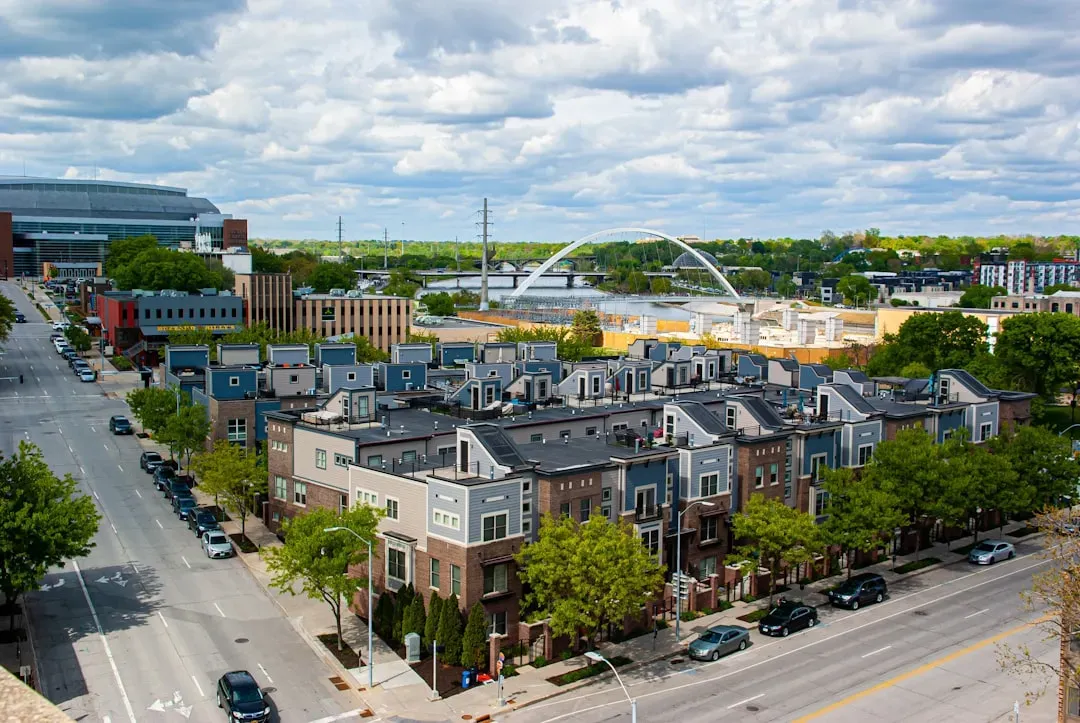
Iowa deserves serious consideration from families focused on both costs and quality. In December 2025, home prices in Iowa were up 3.4% compared to last year, selling for a median price of $237,900. That’s remarkably affordable compared to national numbers.
Iowa has the second-lowest cost of living among Midwestern states, beating out neighboring states like Minnesota, Illinois and Nebraska. It also ranks as the state with the sixth-lowest cost of living in the U.S. Here’s what sets Iowa apart: it manages to keep costs down while maintaining strong schools and community infrastructure. States like Iowa and Kansas manage to balance affordability with stronger education systems, which means you’re not sacrificing your children’s future to save money today. Mississippi, Iowa, and North Dakota trail with the third, fourth, and fifth lowest house price-to-income ratios. That ratio reveals the real story about affordability – it’s not just about low prices, it’s about how those prices match up with what families actually earn.
3. Mississippi: Rock-Bottom Costs with Trade-offs

Mississippi remains one of the most affordable states in the U.S. In 2025, its cost of living index ranges between 83.3 and 87.9, placing it 12% to 17% below the national average. This affordability is largely driven by extremely low housing and transportation costs. We’re talking about serious savings here – the kind that can completely transform a family’s financial situation.
Housing is the cheapest in the country, with a housing index of 66–74. Median home prices range from $140,000 to $170,000, and rent for a two-bedroom apartment averages $991–$1,450. Those numbers feel almost unbelievable when you compare them to expensive metros. Mississippi’s median home value of $114,500 is the cheapest in the country. The typical size of a $200,000 home is 2,236 square feet, the second-largest size one could find at that price point. While Mississippi has generally inexpensive homes, the median household income is also the second-lowest in the U.S.
That last part is important – Mississippi’s low costs come alongside lower wages and challenges in education and healthcare access. It’s affordable, but families need to weigh those trade-offs carefully.
2. Oklahoma: Top-Tier Affordability Across the Board
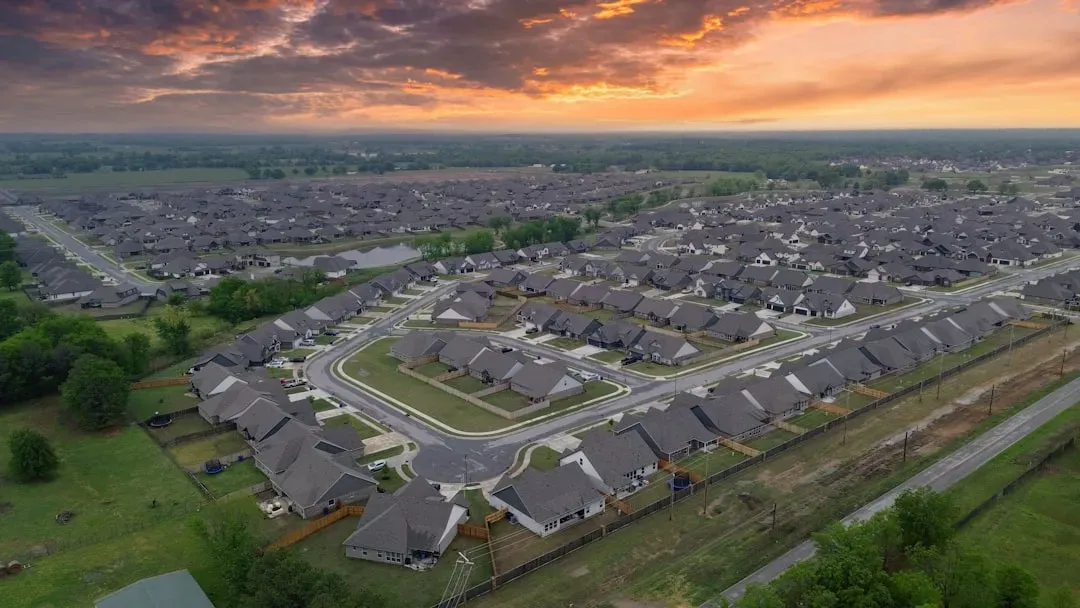
With a cost-of-living index of 85.5, Oklahoma grabs the top spot. Housing is a big reason why. The median home costs $260,700, and rent for a two-bedroom apartment typically falls around $1,077/month. Oklahoma doesn’t just win on one metric – it delivers across multiple affordability measures.
Oklahoma continues to rank among the most affordable states in the U.S., landing in the No. 4 spot for lowest cost of living. The ranking highlights a trend seen across the southern U.S., where everyday expenses like groceries, rent, energy bills and fuel remain lower than in other regions. Oklahoma’s cost of living came in lower than several Midwest states, including Iowa, North Dakota and Nebraska.
The state’s energy-based economy provides job stability, even if it’s not the highest-paying market. Oklahoma ranks number one for overall affordability with an 85.5 cost of living index, followed by Mississippi, Alabama, Missouri, and West Virginia. When you examine cost of living index instead, Oklahoma rises to the top by including utilities, groceries, and other living expenses that extend beyond housing alone. Oklahoma delivers comprehensive affordability, not just cheap houses – and that distinction matters for families managing real-world budgets.
1. West Virginia: The Most Affordable Dream State

West Virginia ranks as the most affordable state in the U.S. for 2025, with an overall cost of living index of 84.1, nearly 16% below the national average. Housing is the main factor, averaging 40% cheaper than the U.S. norm. That level of savings is genuinely transformative for families who’ve been priced out of other markets.
West Virginia leads the nation with the lowest median home price at $146,578 and the best price-to-income ratio at 2.9, making homeownership genuinely accessible to middle-income families. Think about what that ratio means – families can actually afford to buy homes on typical wages without stretching themselves impossibly thin. West Virginia’s median home price of $163,700 is the lowest among all 50 U.S. states. Though the state’s median household income is also low, at $55,948, the house price-to-income ratio of 2.9 indicates that West Virginia home buyers have the greatest housing affordability among all 50 states.
West Virginia and Mississippi are the lowest, at less than $15,000 a year. Hidden costs aren’t steep for homeowners in the Mountain State: In fact, West Virginia is as affordable as it gets with hidden costs amounting to less than $13,000. Property taxes are the cheapest in the country at $1,063 a year, and homeowners insurance isn’t far behind. When you combine low purchase prices with minimal ongoing costs, West Virginia becomes the clear winner for family affordability.
Looking Beyond the Price Tags
The median house price in the United States as of the second quarter of 2025 is $410,800. That national benchmark shows just how dramatic the savings can be in these affordable states. Families in West Virginia, Oklahoma, or Mississippi are paying a fraction of that amount, which frees up money for everything else that matters – education savings, family activities, emergency funds, retirement.
Still, affordability alone doesn’t tell the complete story. The most affordable states cluster in the South, Southwest, and Midwest where land remains abundant, property taxes stay lower, and population density runs lighter. However, job opportunities and amenities may differ significantly from high-cost coastal regions. These trade-offs are real, and families need to think about them honestly before relocating.
Education quality shows dramatic variation even within affordable states, making it essential to research specific districts rather than relying on state-level averages. Mississippi and Louisiana rank toward the bottom in national education metrics despite offering excellent housing affordability. States like Iowa and Kansas manage to balance affordability with stronger education systems. Smart families look at the whole picture – not just the sticker price on the house.
Where you choose to raise your family in 2026 depends on what matters most to you. These ten states offer genuine financial breathing room in an era when that’s increasingly rare. Whether you prioritize rock-bottom costs, balanced quality-of-life metrics, or specific amenities, there’s an affordable option worth considering. Which state sounds like your family’s dream location?