
We all have assumptions about where the kindest Americans live. Maybe it’s the friendly South, the neighborly Midwest, or somewhere else altogether. Thing is, most of us rely on gut feelings or regional pride when making those calls. What if we looked at actual behavior instead? Turns out there’s data tracking who volunteers, who helps neighbors without being asked, who trusts strangers, and who builds the kind of communities where people genuinely show up for each other. Let’s get into it.
Utah: Where Volunteerism Isn’t Just Talk
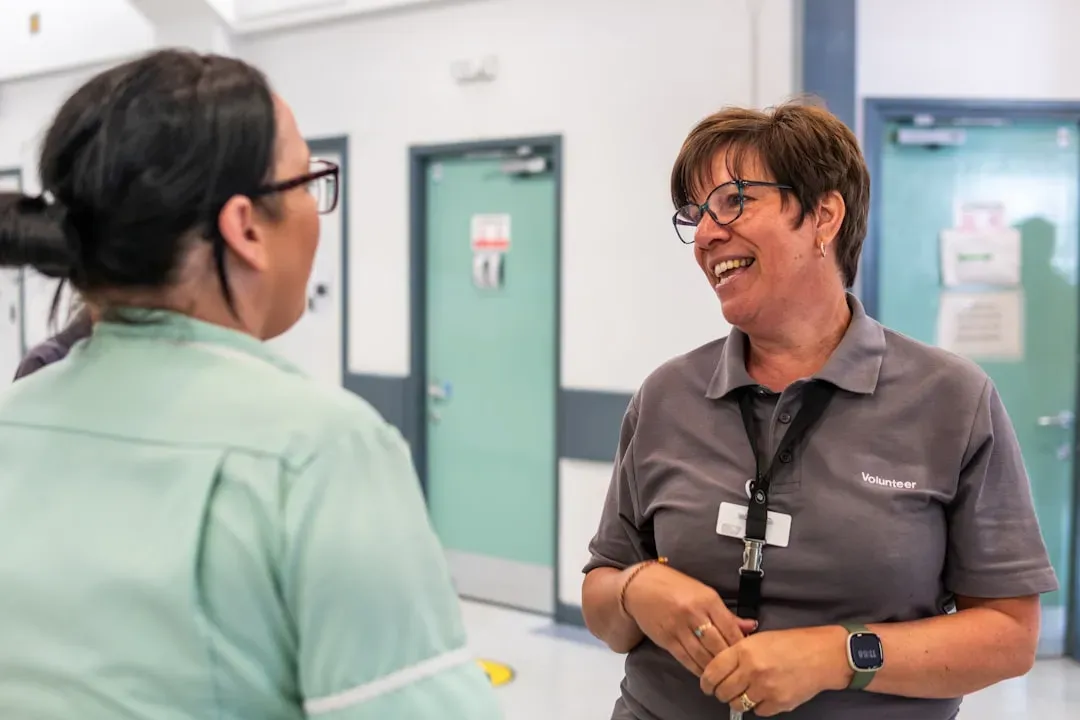
In 2023, Utah had the highest rate of residents engaged in formal volunteering at 46.6%. Nearly half the state is giving time to organized causes, which is frankly staggering when you think about it. Utahans also had the highest rate of informal volunteers in 2023 at 68.2%. That means people aren’t just signing up for charity events. They’re helping neighbors carry groceries, checking in on elderly folks down the street, doing the small stuff that doesn’t come with a certificate. Faith-based communities play a role here, creating networks where service becomes second nature rather than something you pencil into your calendar once a year.
Hawaii: Social Trust Rooted in Culture

Hawaii stands apart not just for its geography but for how its residents interact. The state reports some of the highest levels of social trust and neighborly connection in the nation, driven by cultural traditions that emphasize mutual care and community interdependence. When you live on an island, you learn quickly that everyone depends on everyone else. That’s not a cliché, it’s survival. Research from Pew and the American Community Survey confirms that Hawaiians know their neighbors at above-average rates and are more likely to help each other compared to mainland states. It’s baked into the culture in a way that feels organic, not forced.
Minnesota: The Social Capital Champion
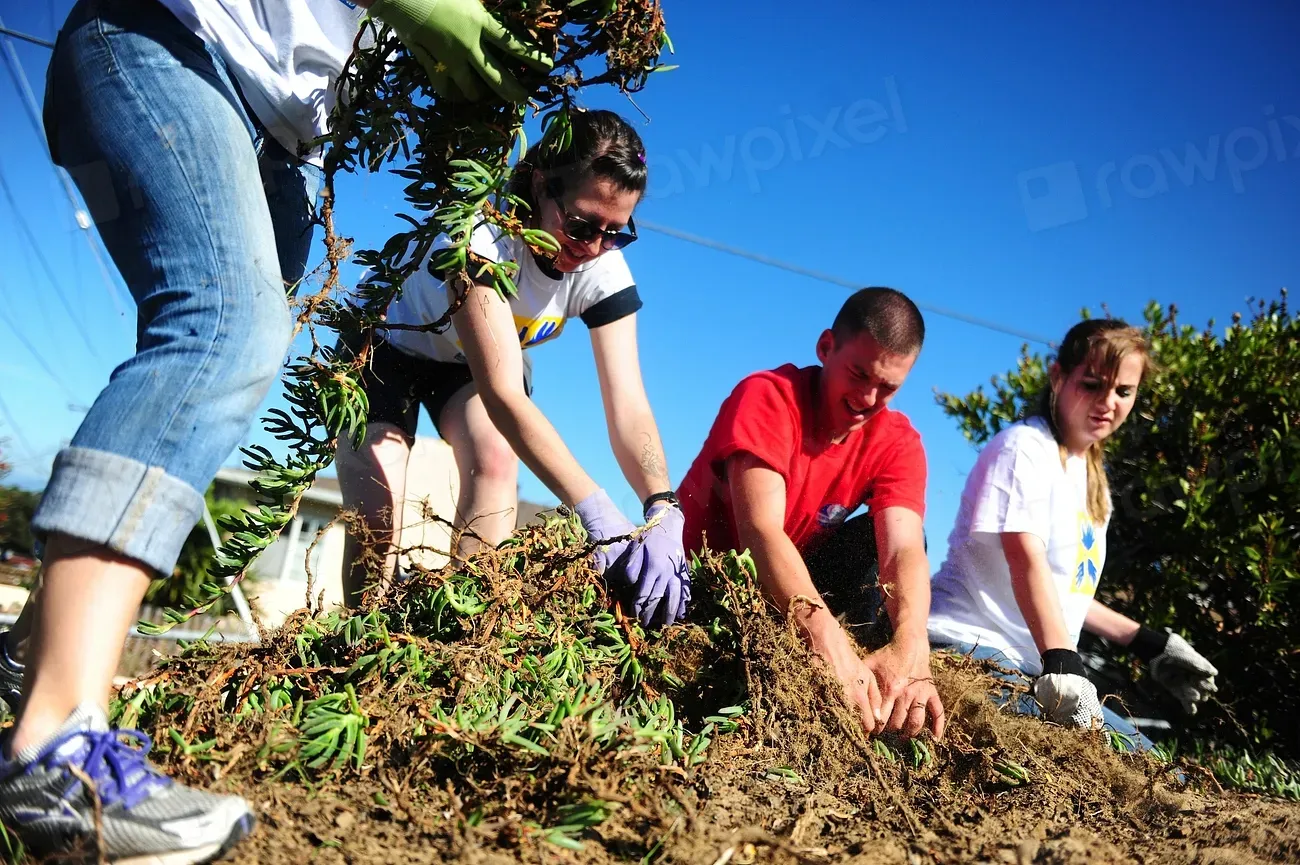
At 42%, Minnesota is home to the third-highest rate of volunteerism in the nation. Studies from Harvard’s Social Capital Lab and the Joint Economic Committee between 2023 and 2024 have repeatedly identified Minnesota as a leader in civic engagement and social capital. This isn’t just about signing up to volunteer. It’s about trust, the kind that makes neighborhoods function better and communities solve problems together. Social capital sounds like jargon, honestly, until you realize it’s just a fancy way of saying people actually help each other and believe others will do the same. Minnesota’s got that in spades, and research shows it correlates strongly with overall well-being.
Vermont: Connected Despite the Cold
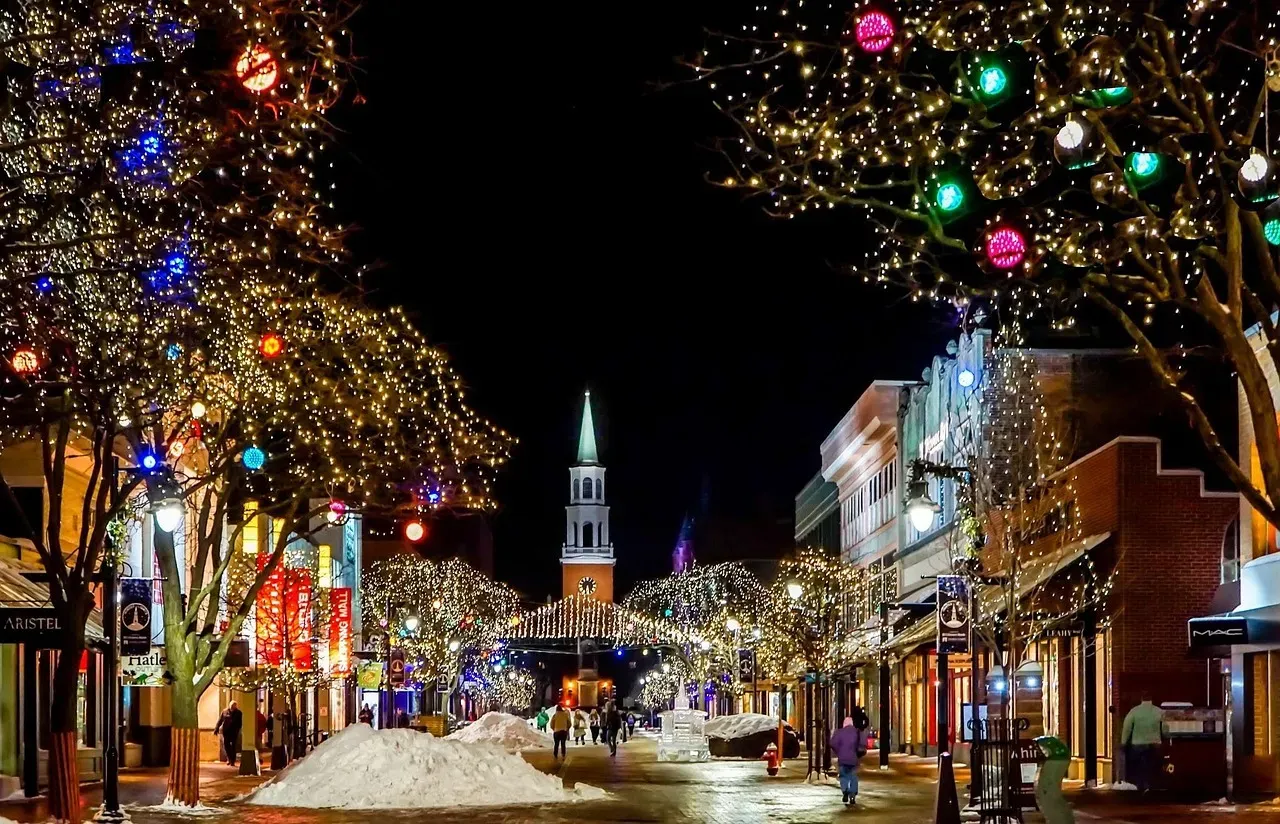
Vermont consistently ranks high on measures of community connectedness, with CDC data showing strong social support networks and lower social isolation than most of the country. It’s a small state, sure, and that probably helps. People see the same faces at the post office, the grocery store, the town meeting. Data shows that the majority of U.S. youth and adults say they always or usually get the social support they need, and Vermont scores particularly well on these measures. Even when winter keeps folks indoors for months, Vermonters maintain tight-knit bonds that show up in public health data. Community isn’t a slogan there; it’s how things work.
Nebraska: The Quiet Helpers
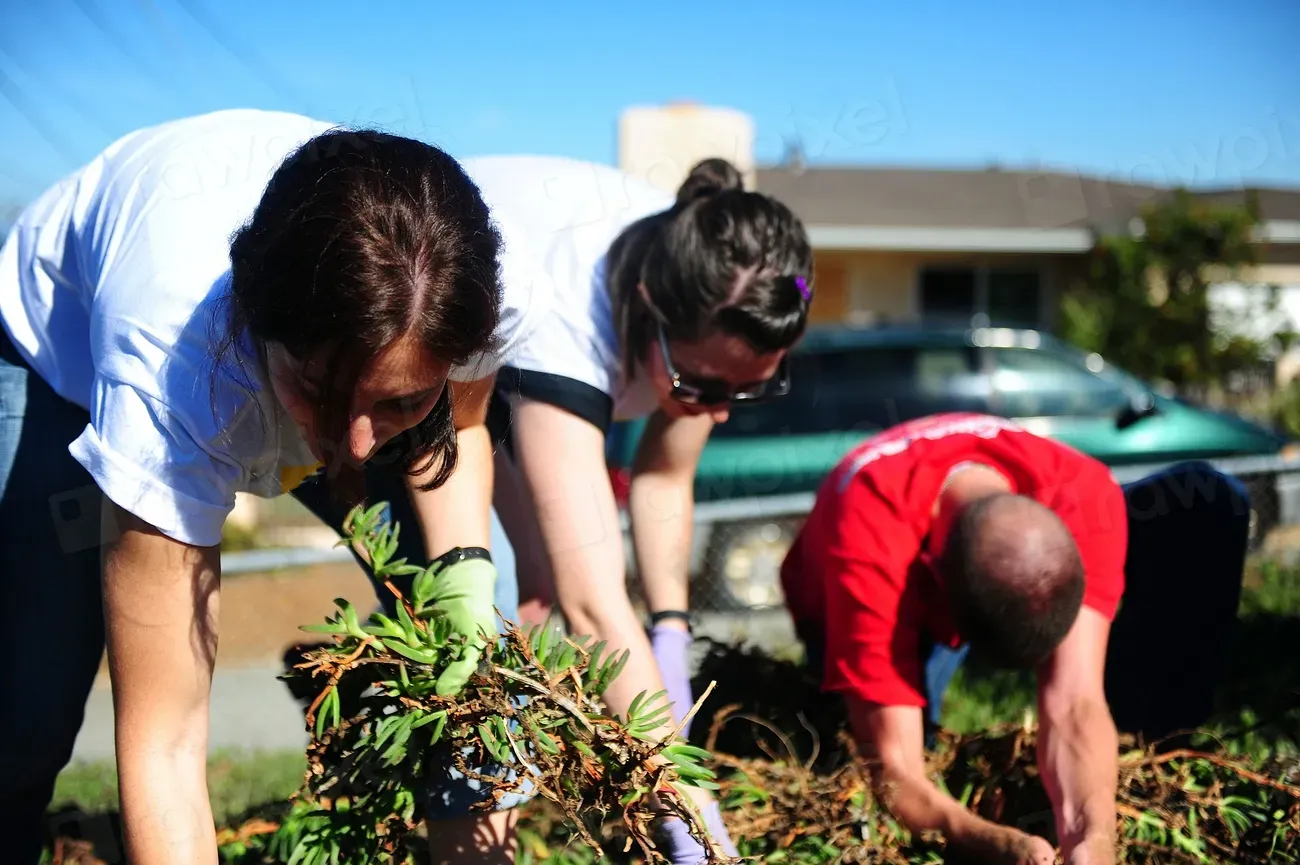
Nebraska had one of the highest rates of informal helping at 66.4%, which includes helping others outside of an organizational context like doing favors for neighbors. Nebraska doesn’t make a big fuss about kindness, which might be why it flies under the radar. Nebraska tied for third at 40.3% in formal volunteering rates in 2023. What sets Nebraska apart is everyday helpfulness, the kind that doesn’t involve clipboards or organizations. According to AmeriCorps and Bureau of Labor Statistics data from 2023, Nebraskans assist neighbors informally at rates that beat nearly every other state. It’s the lending a truck, the bringing over a casserole, the snow shoveling without asking sort of place.
Maine: Where Politeness Shows Up in Data
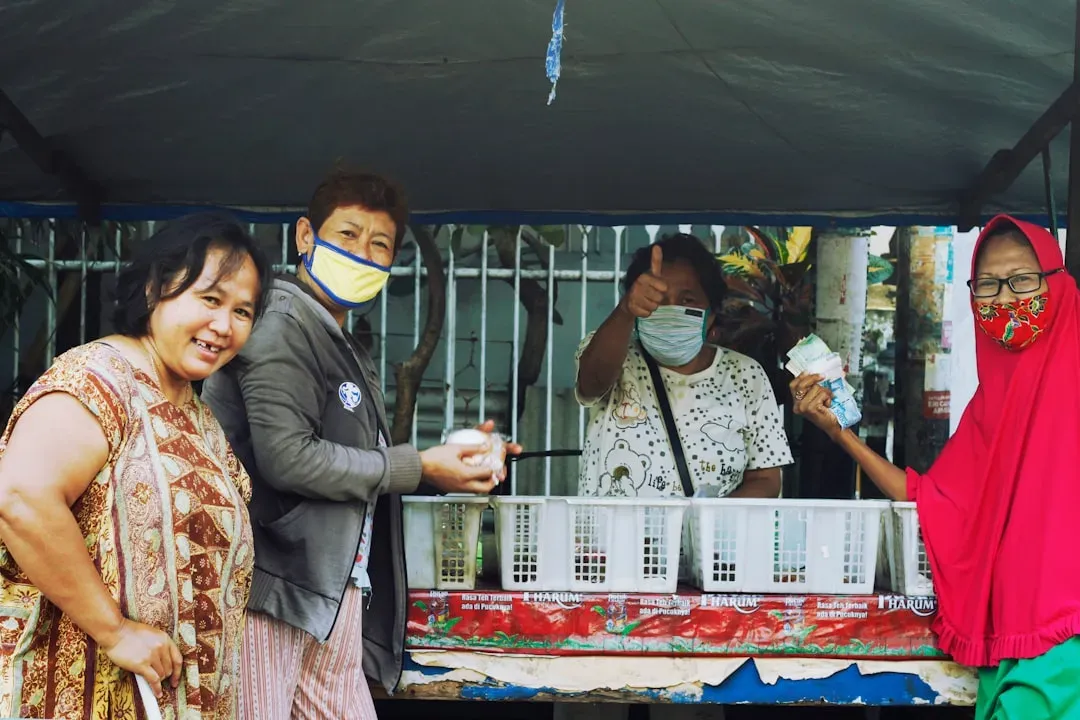
Maine might seem like an odd choice, but Gallup’s U.S. Well-Being Index from 2023 to 2024 identifies the state as having high levels of perceived kindness and politeness in public interactions. Smaller communities tend to foster stronger interpersonal trust, and Maine has plenty of those. People wave. They hold doors. They remember your name. It sounds quaint, maybe even a little corny, but these behaviors show up consistently in surveys about trust and neighborly relations. Maine residents report feeling safe and connected in ways that larger, more transient populations don’t.
Iowa: Community Participation Without the Fanfare
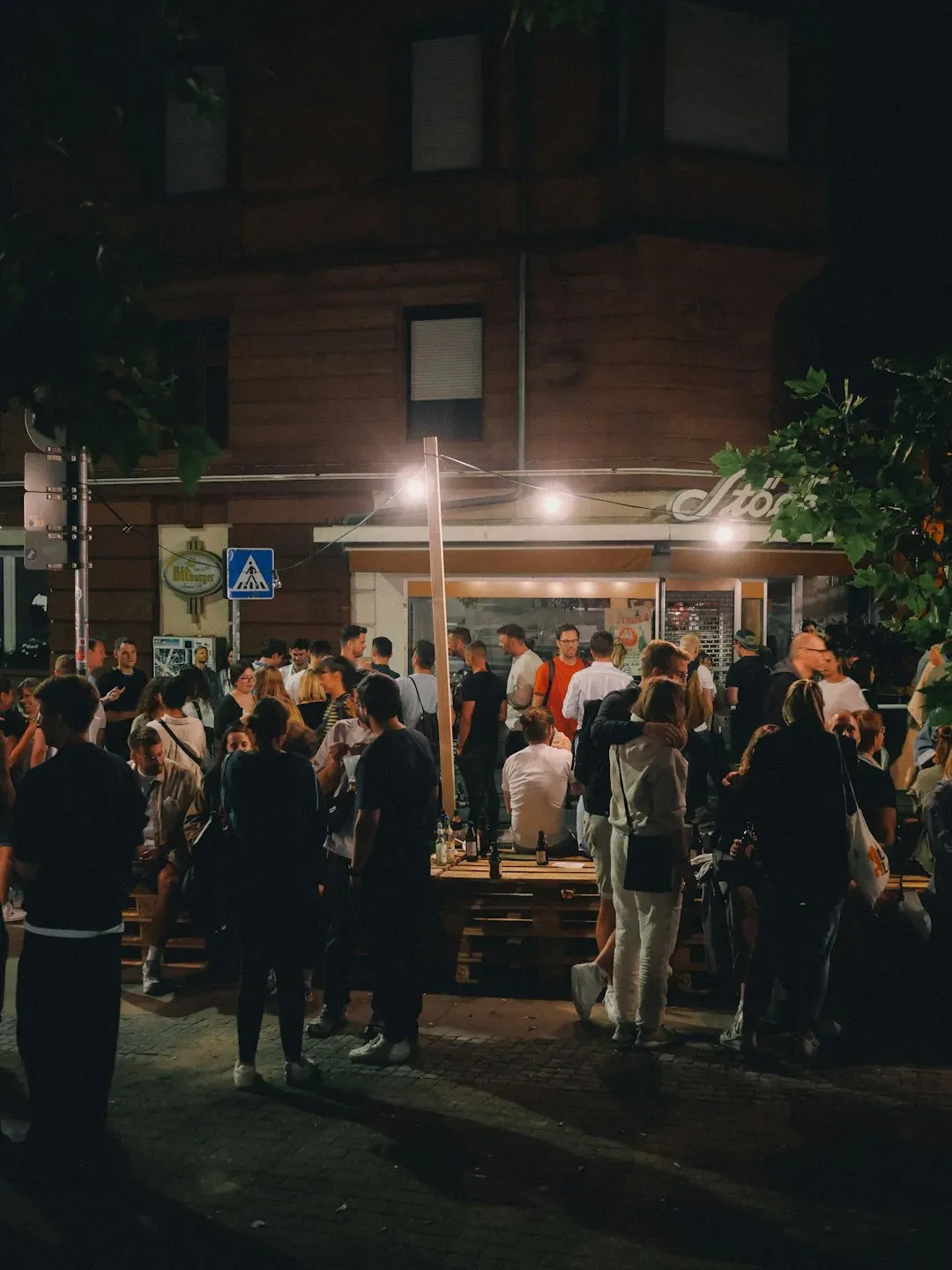
Iowa ranks above average in community participation, particularly through local organizations and faith-based groups, according to the U.S. Census Civic Engagement Supplement. These activities correlate strongly with prosocial behavior, the kind of stuff that builds genuine kindness rather than performative niceness. Iowa’s not flashy about it. There’s no viral campaign about being kind. Instead, you’ve got church potlucks, 4-H clubs, volunteer fire departments, town festivals where half the county shows up. That regular, repeated engagement creates a fabric of mutual support that’s harder to find in more fragmented communities.
Wisconsin: Bonding Across Rural and Urban Lines
Wisconsin demonstrates high social cohesion in both rural and urban areas, according to population studies from the University of Wisconsin. That’s actually pretty unusual. Most states see a divide between city trust levels and rural ones, but Wisconsin manages to maintain strong community bonding across the board. Local events, mutual aid networks, and a culture that values collective problem-solving all play a role. Whether you’re in Milwaukee or a town of 500, there’s a similar emphasis on showing up for your neighbors. It’s not perfect, nowhere is, but the data shows Wisconsin punches above its weight in community strength.
The Bigger Picture: What Social Capital Actually Means
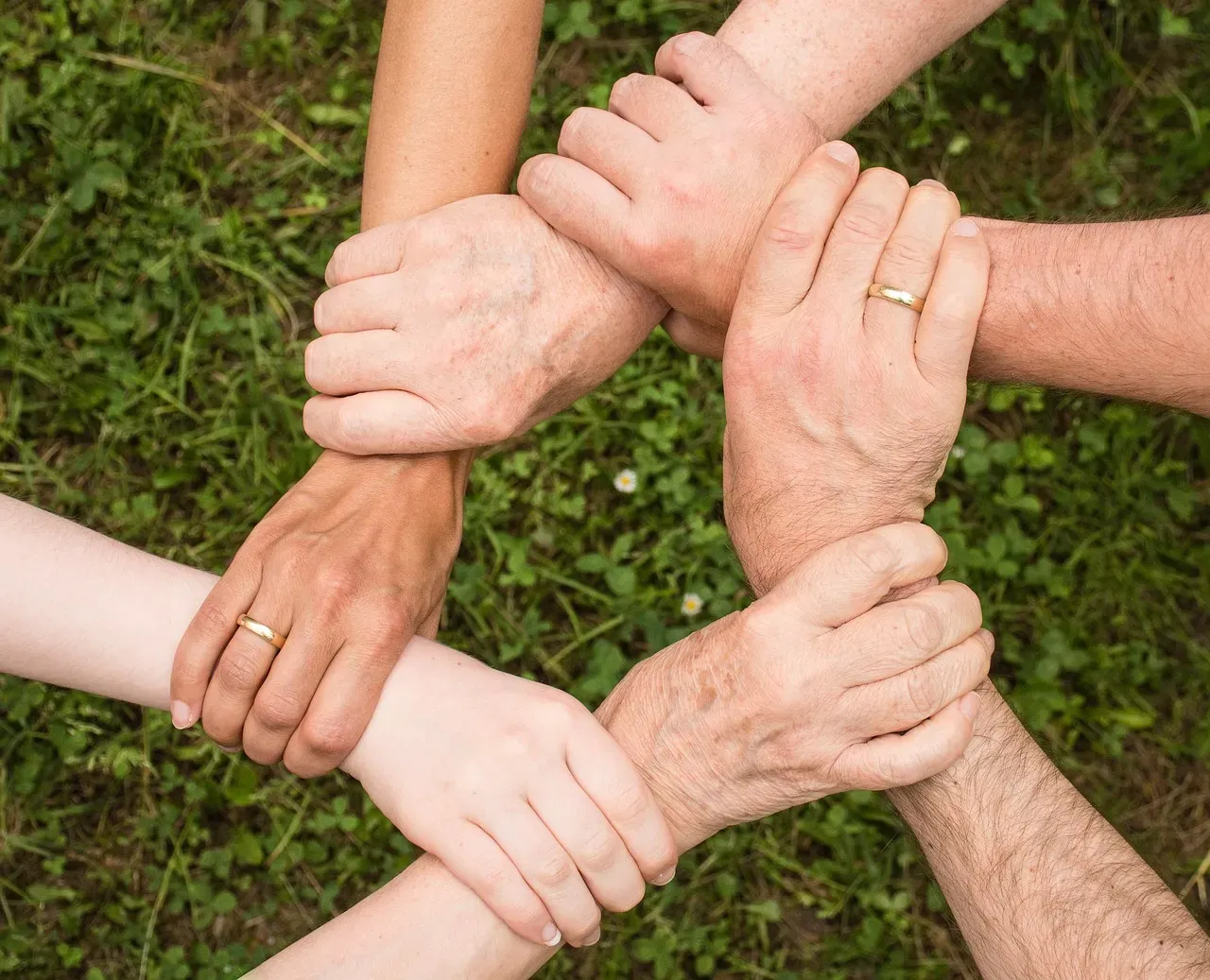
A 2024 synthesis by the OECD and U.S.-based social trust studies found that states with higher social capital consistently report greater life satisfaction and kindness-related behaviors. This reinforces something crucial: kindness isn’t about personality types or regional stereotypes. It’s measurable through collective behaviors like volunteering, helping neighbors, and trusting strangers. States that score high on these metrics tend to have better health outcomes, stronger economies, and happier residents overall. Kindness, it turns out, isn’t just nice to have. It’s functional. It makes life work better for everyone involved, and that’s something data can actually prove.