
Have you ever wondered if the rules you follow every day are actually up for debate? Across America, legal battles are raging over state laws that restrict everything from where you can carry a gun to what professors can teach in college classrooms. Some states have passed measures so divisive that neighboring states flat out refuse to cooperate. Others enforce regulations so specific that most people don’t even know they exist until they’re handed a ticket.
These aren’t just technical disputes buried in legal jargon. Real people are getting arrested, fined, or caught in the crossfire of state versus state showdowns. The laws shaping daily life in 2026 might seem straightforward on paper, yet they’ve sparked protests, court challenges, and heated national debates. Let’s dive into some of the most contentious legal battles unfolding right now, state by state. You might find yourself on the wrong side of one without even realizing it.
Tennessee’s Drag Show Ban: Where Free Speech Met a Judge’s Gavel
Tennessee’s “Adult Entertainment Act” passed in March 2023 and was struck down by a federal judge for violating First Amendment free speech protections. The law sought to ban what it called “adult cabaret performances” on public property or anywhere minors could see them, with a specific focus on drag performances. The law was ruled “unconstitutionally vague and substantially overbroad” by Judge Thomas Parker, a Trump appointee.
Critics pointed out the law was so broad it could theoretically punish a woman dressed as Elvis performing at a family event. The measure threatened violators with a misdemeanor for the first offense and a felony for repeat violations, and specifically targeted “male or female impersonators.” Supporters framed it as protecting children, while opponents saw it as discriminatory targeting of LGBTQ+ communities. The ruling underscored how even laws championed by conservative legislators can collide with constitutional protections when judges scrutinize the fine print.
Hawaii’s “Vampire Rule” Puts Gun Rights on Trial at the Supreme Court
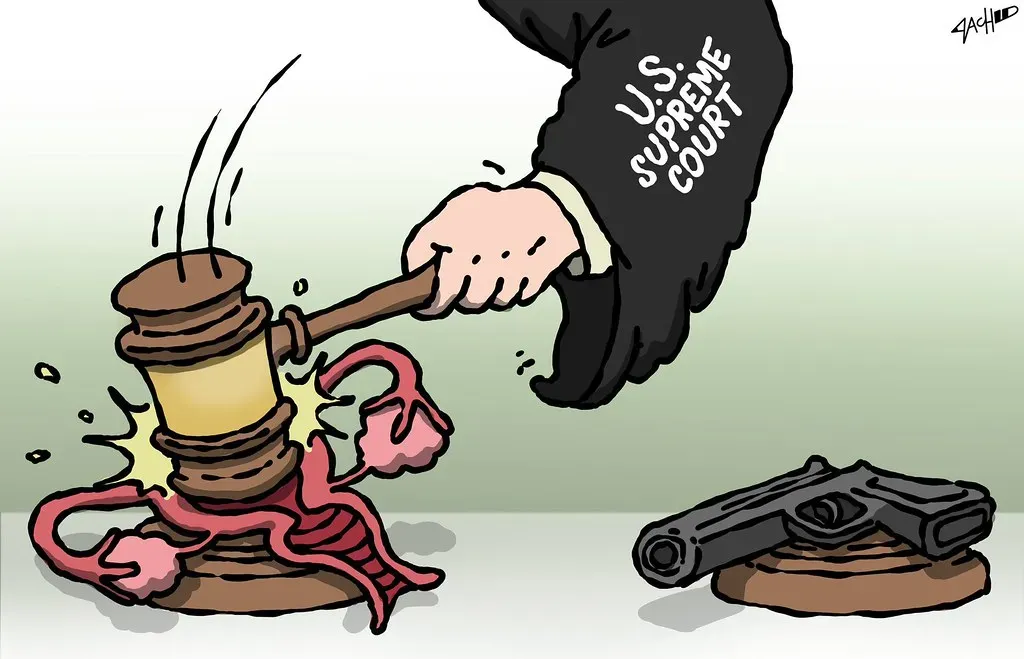
Hawaii’s 2023 law requires gun owners to get express permission before carrying firearms onto private property open to the public, such as gas stations, stores, and restaurants. Gun rights advocates nicknamed it the “vampire rule” since, like vampires in folklore, armed individuals supposedly need an invitation to enter. Conservative justices on the Supreme Court suggested during January 2026 oral arguments that the law violates the Second Amendment.
The default rule bars concealed carry license holders from bringing guns onto private property open to the public unless owners give authorization, with violations punishable by up to one year in prison. Hawaii argues the law protects property rights, while challengers say it effectively eliminates public carry rights across most of the state. The case has drawn national attention as five other states have enacted similar restrictions, setting up a major constitutional showdown.
California Refuses to Hand Over Abortion Doctor: Shield Laws Versus Extradition
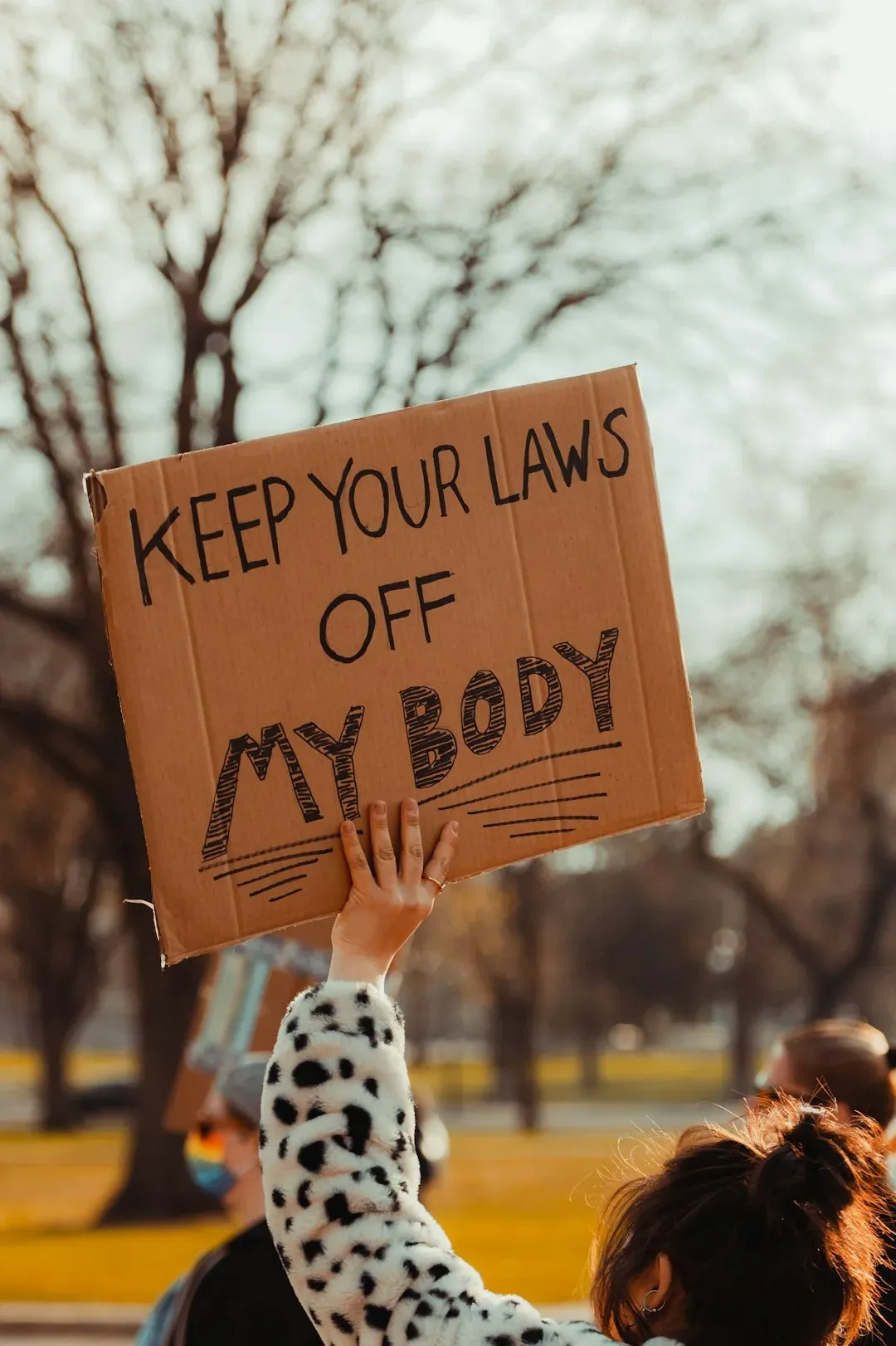
In January 2026, a constitutional clash erupted when California flatly refused Louisiana’s demand to extradite a physician accused of mailing abortion pills. Governor Gavin Newsom rejected Louisiana’s extradition request, stating he would not allow extremist politicians from other states to punish California doctors for providing reproductive healthcare that is legal in California. The case directly tests California’s shield law, which protects healthcare providers from out-of-state investigations and prosecutions related to abortion and gender-affirming care.
Louisiana is seeking extradition of doctors in California and New York after they allegedly mailed medication abortion pills, but both states have refused to cooperate. Louisiana’s attorney general has vowed to take the issue to the Supreme Court if necessary. This standoff illustrates how abortion rights remain one of the most explosive interstate conflicts in America, with blue states building legal walls to protect providers while red states pursue criminal charges across state lines.
The Anti-DEI Wave: When States Ban Diversity Offices
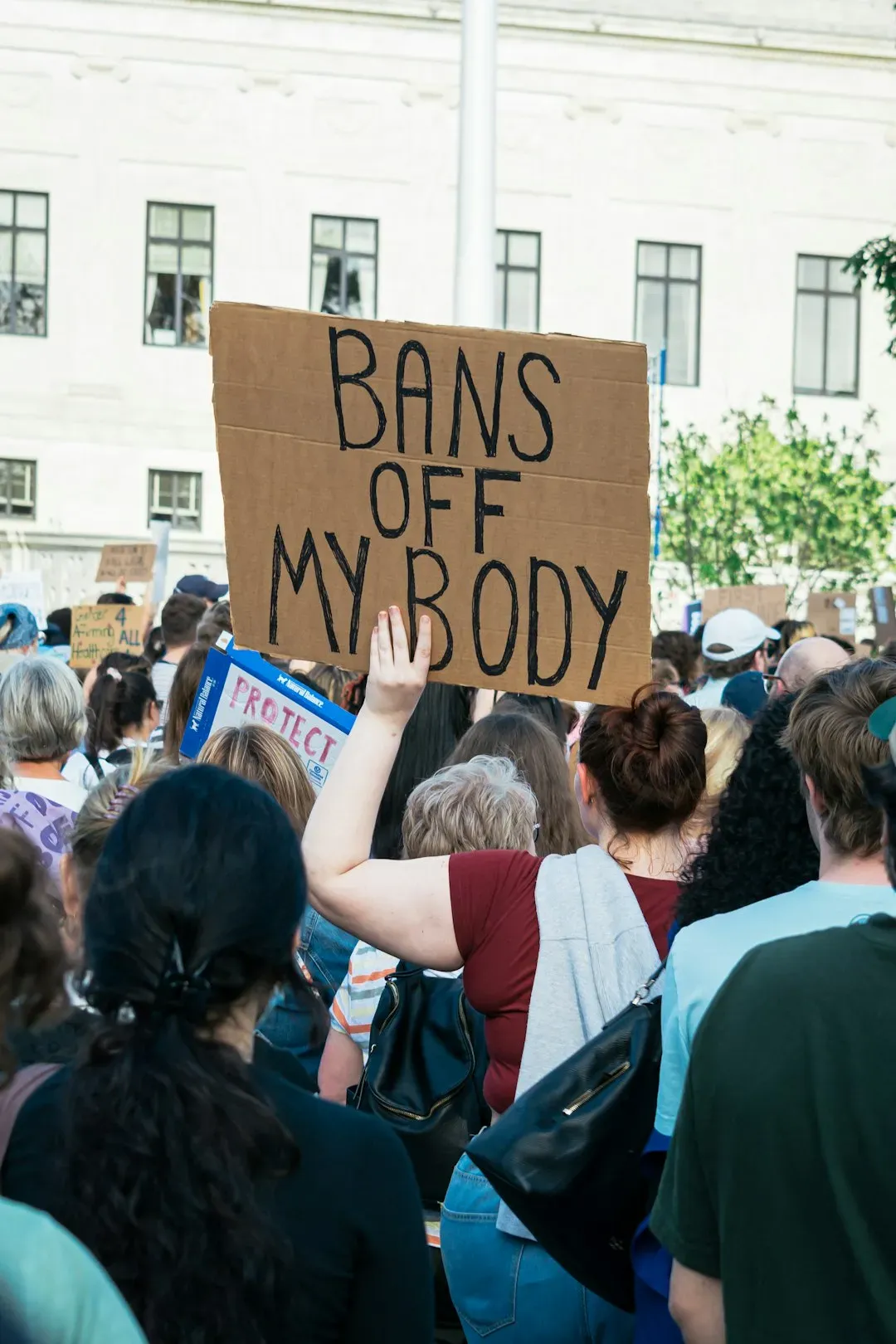
By mid-2025, over 70 bills targeting diversity, equity, and inclusion programs had been introduced across 26 states, with 22 becoming law in 16 states. These measures restrict what universities can teach, eliminate DEI offices, and ban diversity statements in hiring. As of September 2025, 22 states had passed legislation restricting DEI measures, causing universities to cease funding programs, dismantle departments, end trainings, and stop DEI-based hiring practices.
Supporters claim DEI initiatives create ideological bias and discriminate against certain groups. Opponents argue the laws chill academic freedom and silence important conversations about race and inequality. Ohio and Kentucky joined other states in passing laws requiring post-tenure review policies and banning DEI offices and activities at public universities. Faculty members have protested that these restrictions undermine their ability to teach complex topics openly, turning classrooms into potential legal minefields.
Connecticut’s “Ice Missile” Law: Snow Removal With Serious Consequences
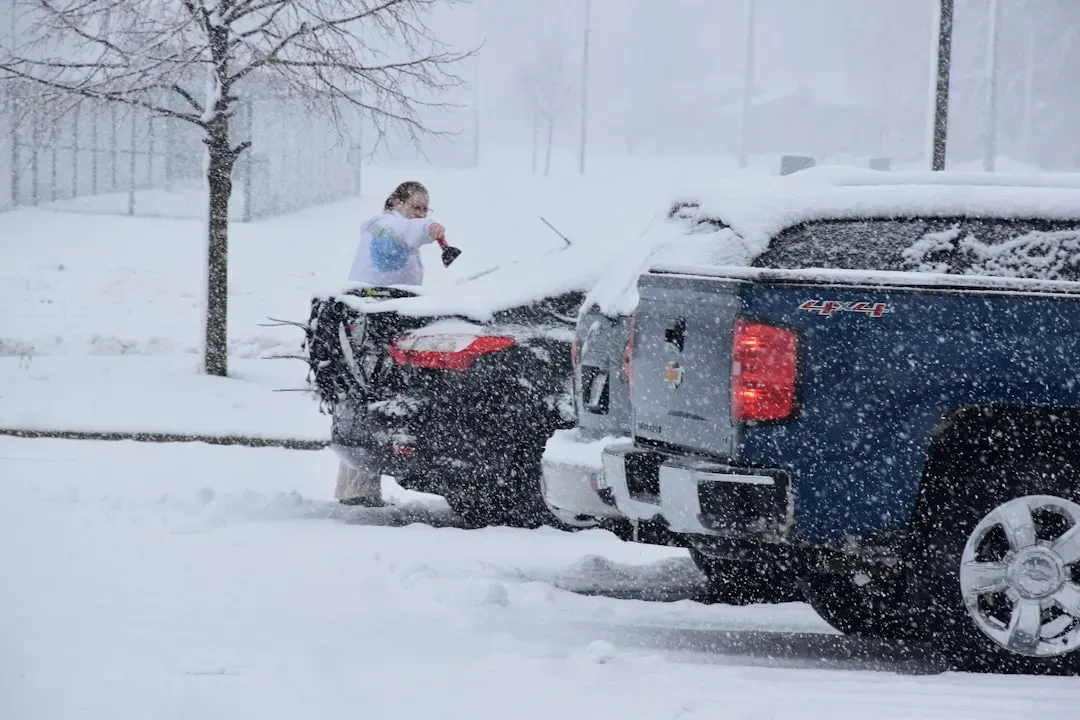
Here’s one you might not see coming. Connecticut’s “ice missile” law requires drivers to remove snow and ice from their vehicles, including hood, roof, and trunk, or face a $75 fine. It sounds minor until you realize the stakes get much higher. If falling snow or ice injures someone or damages property, noncommercial drivers face fines from $200 to $1,000, while commercial operators can be fined $500 to $1,200.
The law was proposed after a sheet of ice flew off a truck and smashed the wife’s windshield of the Republican legislator who championed the measure. Many drivers in northern states remain unaware these specific requirements exist until they’re pulled over. Critics say enforcement can feel punitive, especially for people rushing to work on a snowy morning. Yet the law addresses a genuine safety hazard that has caused serious accidents on highways.
Sanctuary City Bans Force Local Police Into Immigration Enforcement
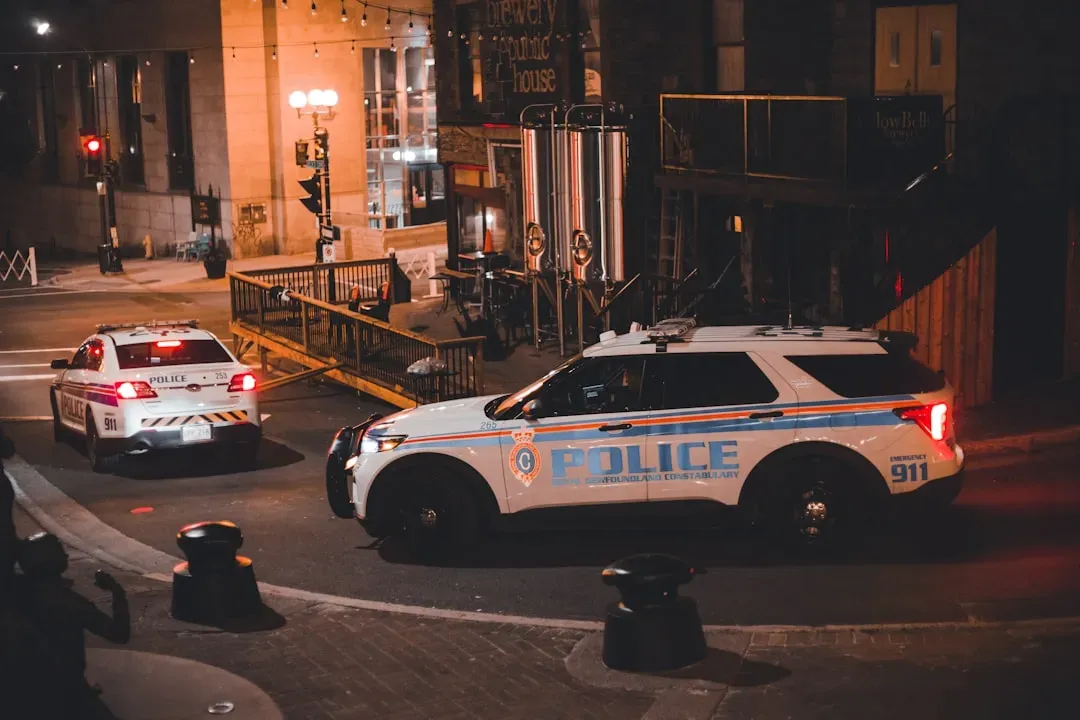
Tennessee and other states have enacted laws banning sanctuary cities, compelling local law enforcement to detain immigrants for federal deportation. Supporters argue these measures reinforce immigration law and ensure cooperation with federal authorities. Opponents counter that the laws infringe on local governance and create fear in immigrant communities, discouraging people from reporting crimes or seeking help.
The debate goes beyond immigration policy into fundamental questions about state versus local power. Should a city be allowed to set its own enforcement priorities, or must it comply with state mandates? These laws have triggered legal challenges and sparked fierce political battles. Communities are divided over whether such measures make them safer or simply drive vulnerable populations further into the shadows.
Archaic Laws Still on the Books: Strange Statutes That Could Still Apply

Believe it or not, many states have bizarre laws from decades or even centuries ago that technically remain enforceable. From prohibitions on specific odd behaviors to outdated regulations, these quirky statutes often spark debate over modern relevance. Though enforcement varies wildly, the fact that such laws exist raises questions about what else might be lurking in state codes.
Some of these laws were written in wildly different eras and reflect social norms that seem absurd today. Others were likely jokes or responses to one-time incidents that got codified into permanent law. The real controversy? Prosecutors could theoretically dust them off and use them, even if doing so would seem ridiculous. It’s a reminder that legal systems don’t always clean house, leaving strange relics that could theoretically trip up the unsuspecting.
The Growing Patchwork of Gun Laws Across State Lines
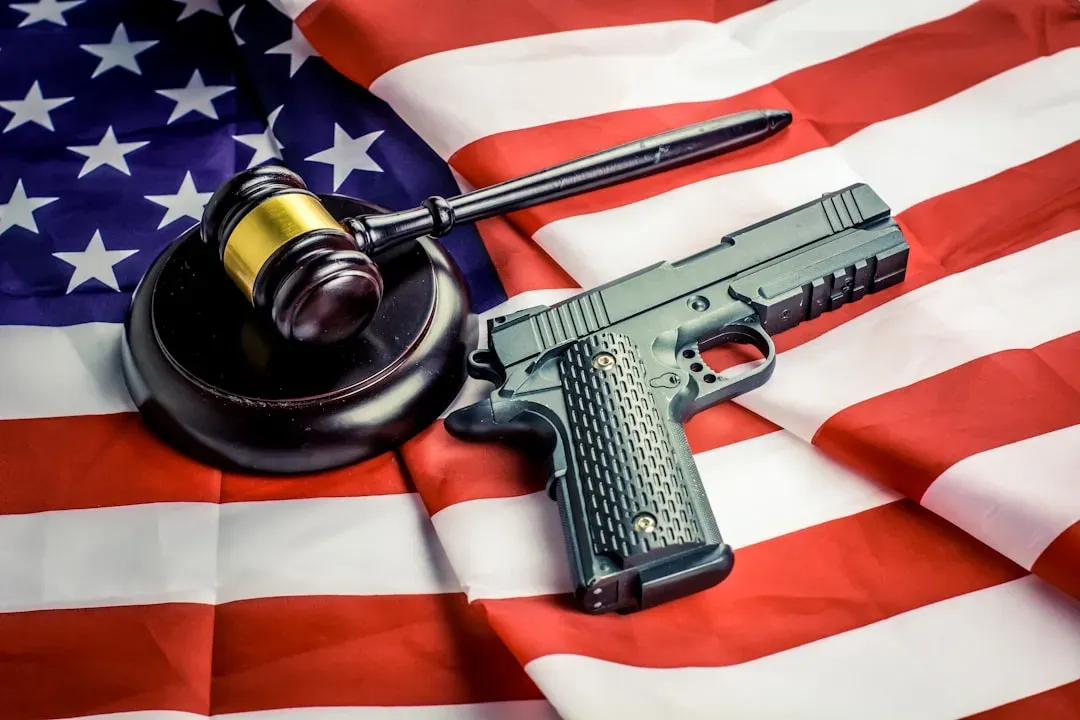
Beyond Hawaii’s restrictions, other states have passed controversial gun regulations that highlight how dramatically laws diverge across America. Washington State has proposed strict penalties for 3D-printed guns, while other states have loosened carry restrictions. This growing state-by-state patchwork means what’s legal in one jurisdiction could land you in jail just across the border.
Gun rights advocates argue that Americans shouldn’t lose constitutional protections simply by crossing state lines. Gun control supporters say states should have the power to tailor regulations to their communities’ needs. The result is a confusing maze where responsible gun owners must constantly track where their rights begin and end. This fragmentation has made gun policy one of the most politically charged and legally contested areas in the country.
Transgender Rights Battles Play Out in State Legislatures
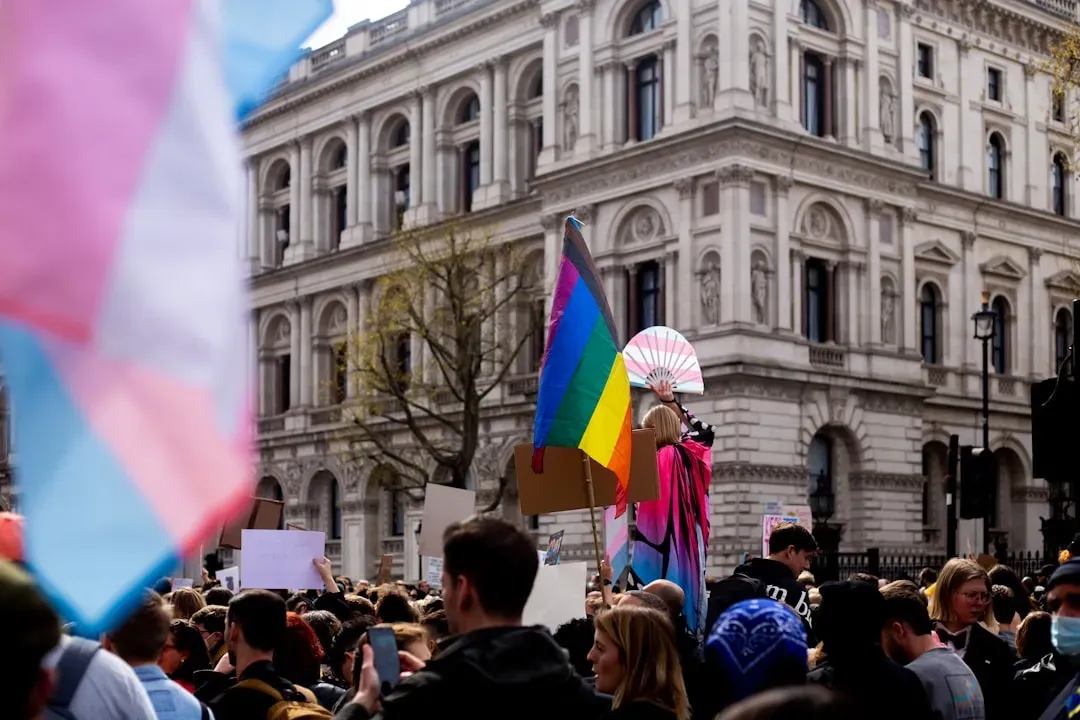
Several states have enacted or proposed laws restricting access to gender-affirming care for transgender youth, triggering intense legal challenges. These measures have become flashpoints in the broader culture wars, with state legislatures at the forefront of defining rights for transgender individuals. Advocacy groups have mounted national campaigns against such laws, arguing they harm vulnerable young people.
Supporters of the restrictions claim they protect children from making irreversible medical decisions. Opponents see the laws as discriminatory attacks on a marginalized community. Courts have issued conflicting rulings, adding to the uncertainty. Families have reported moving out of states with restrictive laws to seek care elsewhere, illustrating the profound real-world consequences of these legislative battles.
When Laws Collide: The Future of State Versus State Conflicts
These controversies reveal a deeper truth about America in 2026. States are passing laws that directly conflict with one another, creating a fractured legal landscape where your rights and obligations shift dramatically depending on where you stand. Abortion shield laws clash with extradition demands. Gun restrictions in one state undermine carry rights in another. DEI bans in conservative states contradict diversity mandates elsewhere.
The federal courts are increasingly called upon to referee these state-level battles, yet even Supreme Court rulings can’t always resolve the underlying political and cultural divides. As states grow bolder in asserting their authority, the concept of a unified national legal framework feels more fragile. It’s not just about controversial laws anymore. It’s about whether states can continue to coexist under one constitutional system while moving in radically different directions.
Are we heading toward a future where state borders matter more than ever, with Americans effectively living under different sets of rules depending on geography? The laws described here aren’t outliers – they’re symptoms of a broader trend. What do you think: can this legal patchwork hold together, or are we watching the fraying of a common national identity? Let us know your thoughts.