
There’s something wonderfully confusing about Southern speak. If you’ve ever found yourself scratching your head when a Southerner tells you they’re fixin’ to run over yonder, or wondering why someone just blessed your heart after you made a mistake, you’re not alone. These phrases have been puzzling outsiders for generations.
The South has its own linguistic fingerprint, shaped by centuries of agrarian life, colorful storytelling traditions, and a genuine knack for turning everyday observations into memorable expressions. To folks from other parts of the country, some of these sayings sound downright bizarre. Let’s dig into the most common Southern expressions that leave non Southerners completely baffled.
Bless Your Heart

This phrase has multiple meanings and is used to express genuine sympathy but sometimes as an insult that conveys condescension, derision, or contempt. Honestly, that’s what makes it so tricky for outsiders. Meanings range from sincerity to exasperation, and are primarily imparted through context and tone.
Most of the time, if a Southerner says bless your heart, it probably means they think you’re an idiot, with influencer Landon Bryant making a video in March 2023 about the nuances of what the phrase means based on the inflection. Still, it can also be completely sincere when someone’s house burns down or they’re going through a genuinely rough time. The confusion is the whole point.
Kirk Hazen, a linguistics professor at Western Virginia University and expert on American dialects, says it’s an expression that has a couple of different implications, noting that it all is related to power. People from other states often take it at face value, thinking someone is being kind. Then they find out later they were basically called stupid to their face with a smile.
Y’all

This one’s becoming less confusing as it spreads nationwide, but it still trips people up. Y’all is a contraction of you and all, and is the main second person plural pronoun in Southern American English, with which it is most frequently associated.
In the past 20 years or so, y’all has gone from being a Southernism to become America’s favorite way to use the second person plural, according to linguists. The reason is pretty simple. The word has thrived because it’s utilitarian, filling a gap in standard English, as we use y’all because the language has long lacked a satisfying plural pronoun for you.
An article published in the Journal of English Linguistics in 2000 was titled The Nationalization of a Southernism, with authors suggesting that y’all will soon be seen as an American, rather than Southern, word. A survey conducted in 1996 reported 49 percent of non Southerners and 84 percent of Southerners used y’all or you all in conversation. So if you’re still saying you guys everywhere, you might want to reconsider.
Fixin’ To

Here’s the thing. When a Southerner says they’re fixin’ to do something, they’re not repairing anything. According to the Dictionary of American Regional English, fixin’ to is used by speakers in the Southern United States, particularly the South Atlantic and Gulf States, with the contracted form finna being a feature of African American English.
The term fixin’ to means going to, preparing to or intending to, and is a Southern U.S. expression common among all races, such as Katie is fixin’ to break up with Ronald. The phrase expresses imminent intention, something you’re about to do in the near future rather than someday maybe.
From older English fix meaning to prepare or arrange, by the 1800s in the American South, fixin’ to evolved into a phrase meaning preparing to do. It’s still wildly common. I know people who say it a dozen times a day without even thinking about it, while someone from Boston might never have heard it once in their life.
Buggy

Walk into a grocery store in Georgia and ask someone where the shopping carts are, and they might look at you funny. According to Harvard’s Dialect Study, most people in the Northern and Western states say shopping cart, while people in the South (except for Florida) say buggy.
Southerners don’t use shopping carts, they use buggies, and just about everyone in the south calls a shopping cart a buggy, with many not knowing any different until adulthood. The term comes from the old lightweight carriages, which somehow transferred to those metal carts you push around the store.
It’s one of those words that immediately outs you as either Southern or not. People from other regions genuinely have no idea what you’re talking about when you say grab me a buggy. They picture the Amish, not the grocery store.
Madder Than a Wet Hen
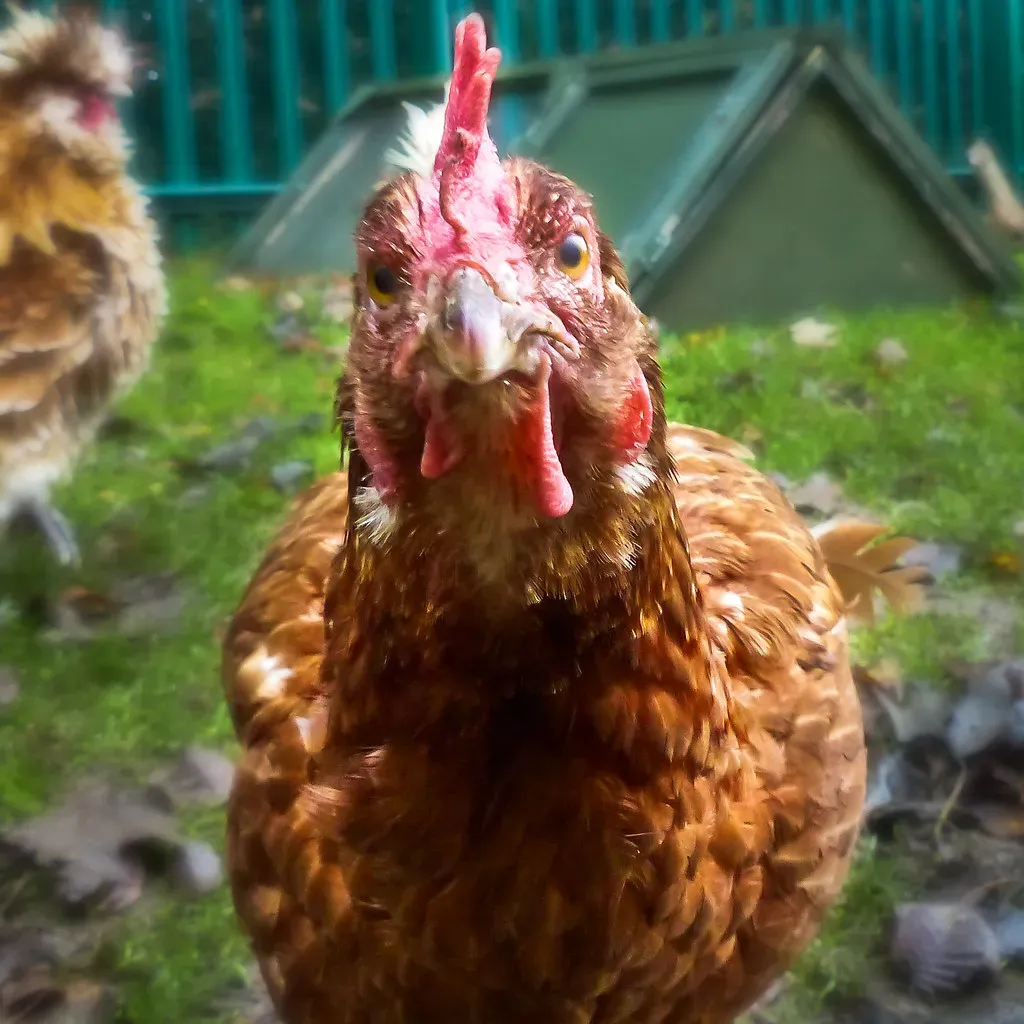
If someone tells you they’re madder than a wet hen, they’re not mildly annoyed. They’re absolutely furious. In Southern and Appalachian speech, madder than a wet hen means extremely angry or upset, with the phrase coming from farm life, where hens get furious if splashed with water.
When hens were brooding (angry and troublesome), Southern farmers used to dunk them in cold water in an effort to make them snap out of this phase so they could collect eggs more easily. Chickens absolutely hate getting wet and they make a huge fuss about it.
This American expression, which possibly originated in the Appalachian Mountains, refers to the tempestuous temper of chickens that might accidentally find themselves in water. For folks who’ve never been around chickens or farm life, the phrase sounds completely random and ridiculous. Yet it perfectly captures that level of rage everyone’s felt at some point.
Over Yonder
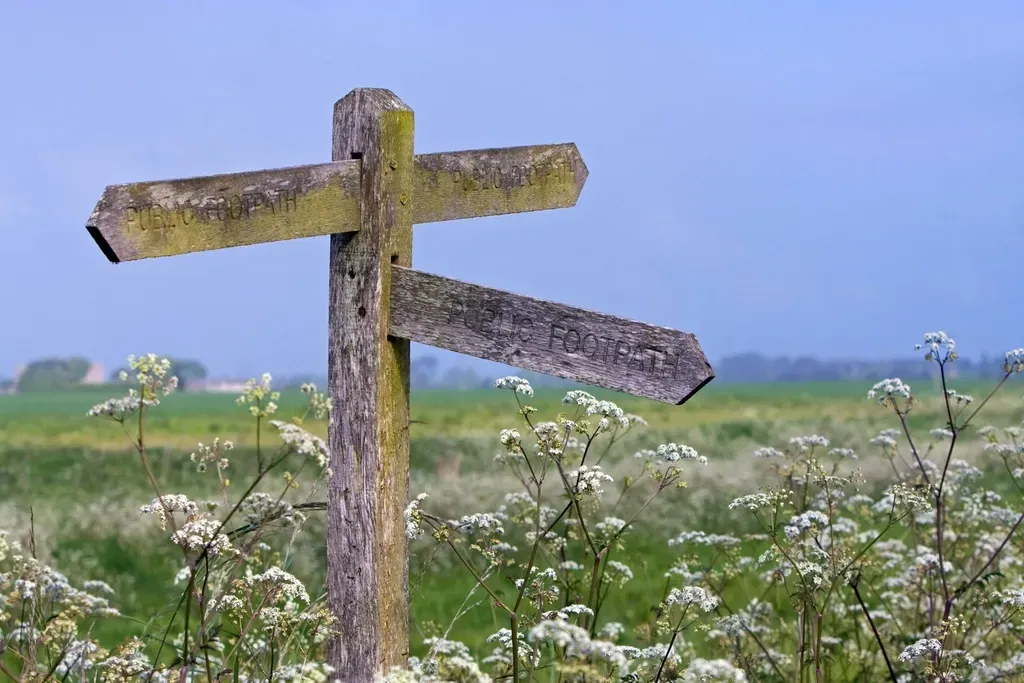
Directions in the South can be wonderfully vague. Over yonder means not here, and is one of those beloved but befuddling phrases that’s wildly inaccurate and doesn’t refer to any finite amount of distance, as yonder can be across the room or across state lines.
Over yonder is a common phrase in the Southern United States meaning over there, but with a more specific sense of distance and direction, often used when pointing out something not too far away. Someone might say the store is over yonder, and you’re supposed to just figure out where that is.
Over yonder is a distant direction in any direction when you’re in the South, and if you need to ask someone for directions, the phrase over yonder just might be in their answers. Good luck if you’re not from around here. You’ll probably end up driving in circles trying to find whatever’s supposedly yonder.
Cattywampus

When something is sitting cattywampus, it’s crooked, askew, or just not quite right. The word itself sounds made up, like something from a children’s book. Yet it’s been part of Southern vocabulary for ages, used to describe anything that’s off kilter or diagonal.
You might hear someone say that picture frame is all cattywampus, or the furniture in here is cattywampus. It’s a perfectly cromulent word in the South, but people from elsewhere often have no clue what it means. Some regions use catawampus or cattywhompus as variations.
The etymology is murky, possibly derived from the word cater meaning diagonal, combined with wampus or some other playful addition. Regardless of origin, it’s one of those words that adds color to the language and leaves outsiders completely baffled.
I Reckon
When a Southerner says I reckon, they’re not doing complex mathematics. They mean I suppose or I think. It’s a casual way of expressing an opinion without being too forceful about it. Someone might say I reckon it’ll rain later or I reckon that’s about right.
The word reckon has Old English roots and used to be more common across all English dialects. Somehow it stuck around in the South while fading elsewhere. To modern ears outside the region, it sounds archaic or even like bad Western movie dialogue.
Still, it’s alive and well below the Mason Dixon line. It conveys a kind of thoughtful consideration, like you’ve pondered something and arrived at a conclusion, even if that conclusion is just maybe.
Carry

In the South, carry doesn’t just mean to physically hold something. It also means to transport someone somewhere, usually by car. A Southerner might say I need to carry Mama to the grocery store, which sounds bizarre to outsiders who picture someone literally hoisting their mother onto their back.
In reality, it just means I need to drive Mama to the store. This usage likely comes from older English meanings that have fallen out of favor in other regions. It’s another example of how Southern English preserved linguistic features that disappeared elsewhere.
Newcomers to the South often get genuinely confused by this one. They hear someone talking about carrying someone somewhere and wonder if the person lacks a vehicle or if there’s been some kind of emergency. Nope, just a different way of saying drive or take.
All Get Out

As mad as all get out, as cold as all get out, as tired as all get out. This phrase works as an intensifier, meaning extremely or very. It sounds vague and indefinite, which is probably why it works so well. What even is all get out? Nobody really knows, and that’s fine.
It’s one of those expressions that adds emphasis without being too harsh or direct. Southern speech often favors these kinds of softer intensifiers over blunt statements. Saying I’m tired as all get out sounds friendlier than I’m exhausted, even though they mean roughly the same thing.
People from other regions sometimes find the phrase completely mystifying. They’ll hear it in conversation and wonder if they missed something, or if there’s some regional reference they’re supposed to understand. There isn’t. It’s just one more way the South makes language more colorful and confusing at the same time.