
Picture yourself back in the cafeteria line circa 1995. The smell of pizza grease, the clatter of trays, and that chocolate milk you couldn’t wait to crack open. School lunch in the 1990s hit differently. It felt indulgent, comforting, even a little rebellious in its pure, unfiltered stodginess.
Fast forward to now, and those same meals would get a hard no from federal regulators. The Healthy, Hunger-Free Kids Act, signed into law in 2010, allowed the USDA to make significant changes to school lunch programs for the first time in over 30 years. What seemed totally normal just a generation ago now violates strict limits on sodium, sugar, saturated fat, and processing methods that govern what kids can eat at school today.
Bologna Sandwiches with Full-Fat Mayo
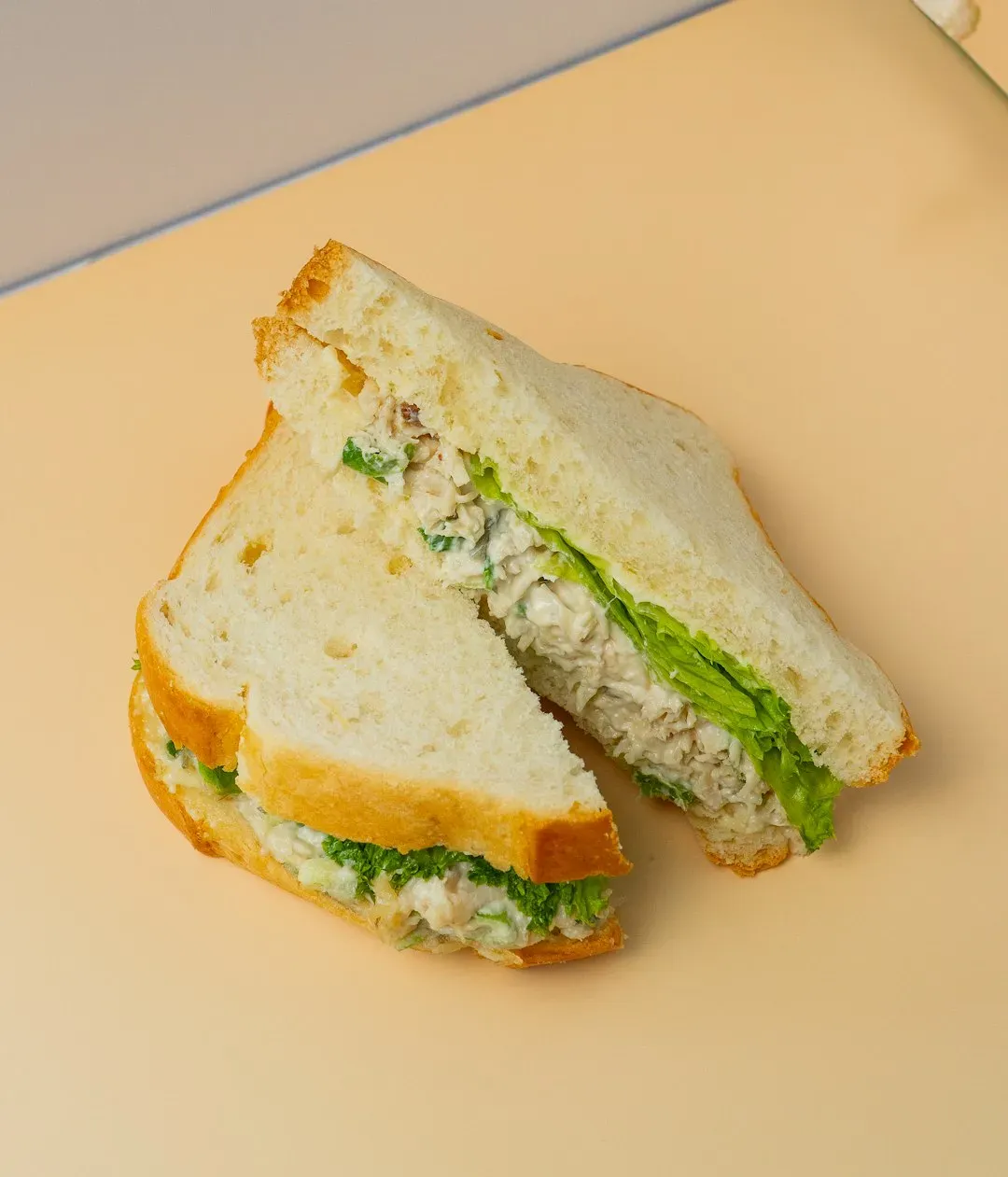
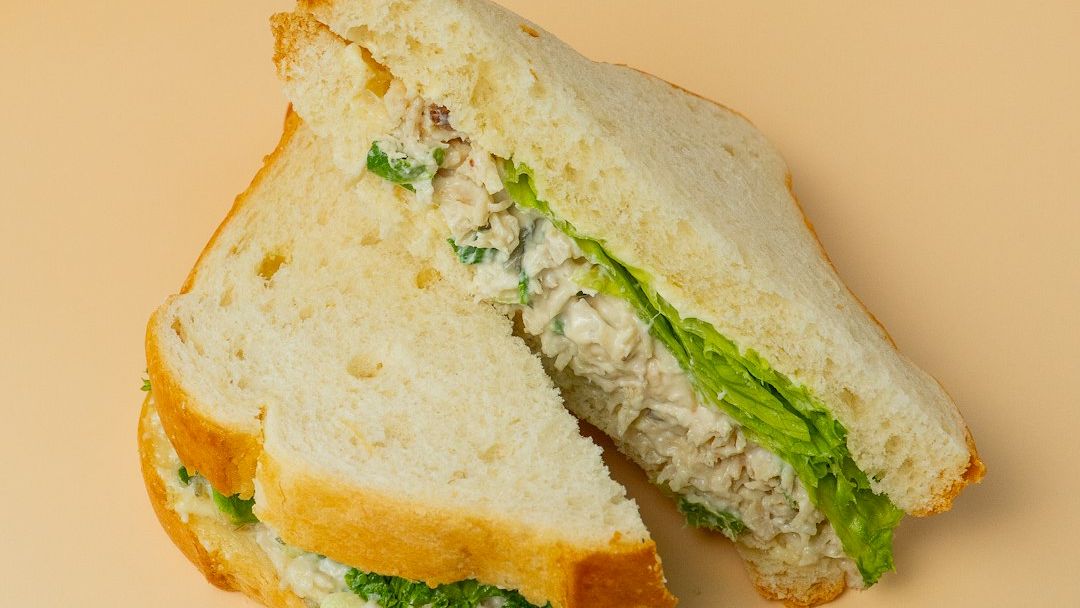
Let’s be real, bologna was a cafeteria staple. Pale pink circles slapped between slices of white bread slathered in full-fat mayonnaise. Kids loved it or traded it, but either way, it was everywhere. Concerns were raised about the availability of meat and meat alternate products that enable schools to meet dietary specifications for sodium, saturated fat, and trans fat. Program operators are now encouraged to limit serving processed meats and poultry as they are typically sources of sodium and saturated fats, with processed meats defined as products preserved by smoking, curing, salting, and/or the addition of chemical preservatives. Bologna fits squarely in that category, and under today’s rules, serving it regularly just wouldn’t fly.
Deep-Fried Chicken Nuggets and French Fries
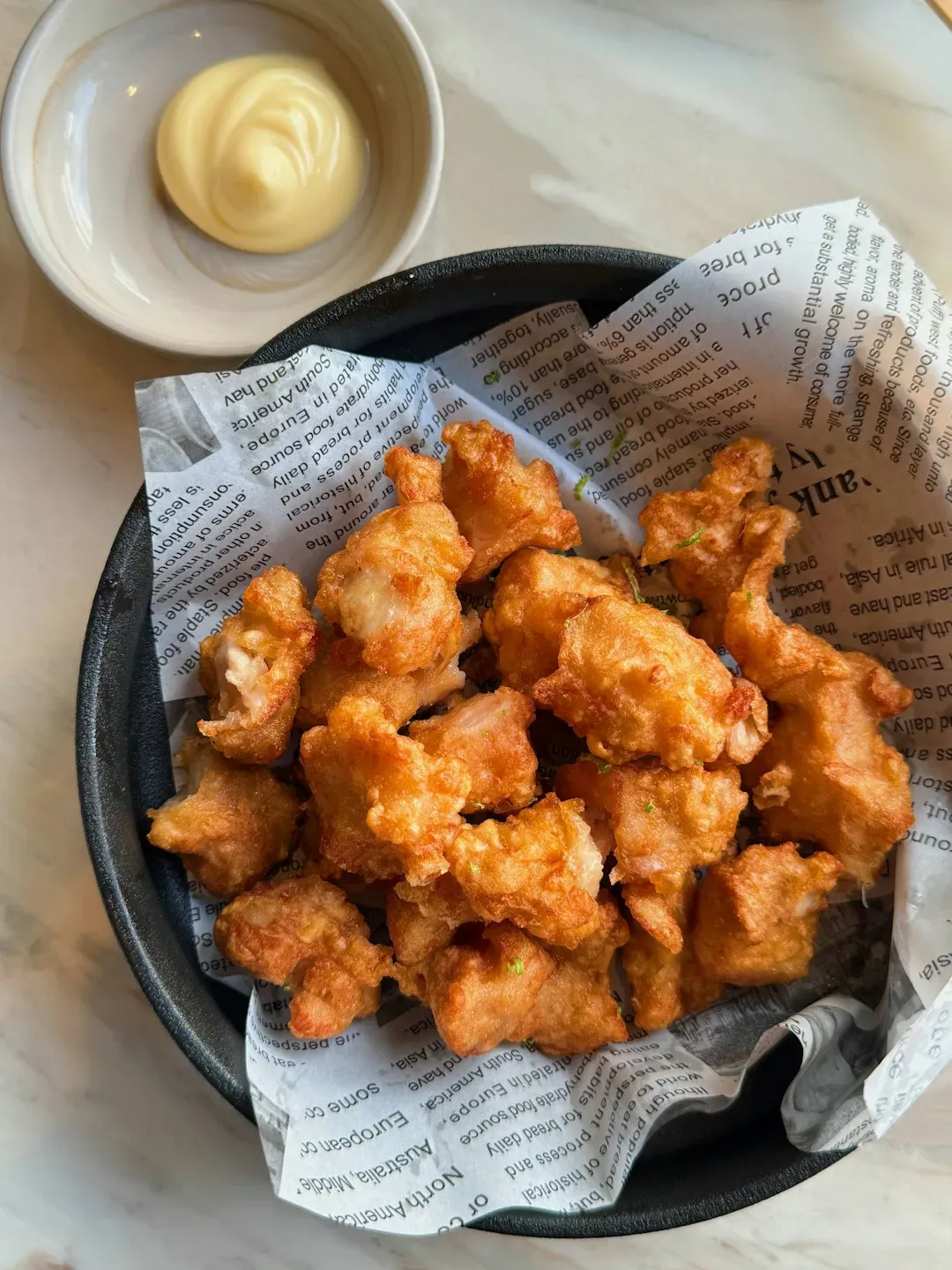
Chicken nuggets and fries were basically the dream combo. Crispy, greasy, and absolutely everywhere on school menus in the ’90s. Schools routinely deep-fried these items multiple times a week without a second thought. Today’s regulations take a much harder line. Several key changes went into effect at the beginning of the 2012-2013 school year, including the removal of trans fats, which were prevalent in frying oils back then. Fried foods contributed excessive saturated fat and calories, both of which are now tightly controlled under current meal standards. Schools have had to rethink preparation methods entirely.
Pizza with Refined White Crust
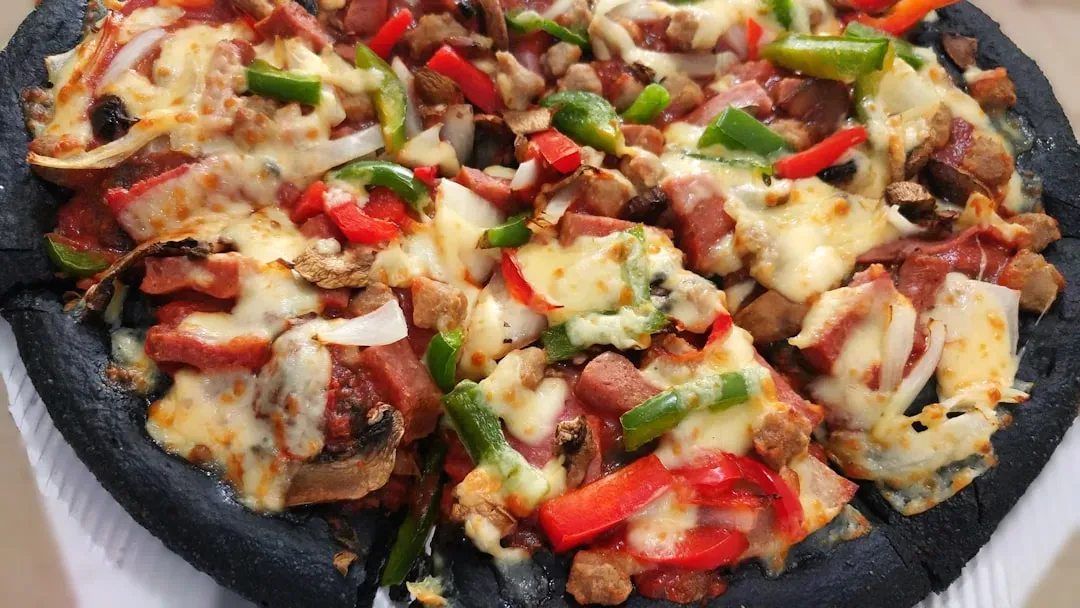
Pizza Fridays were sacred. Rectangular slices with that pale, doughy crust made from refined white flour. It tasted like childhood itself. Half of the grains served in lunches were required to be at least 50 percent whole grain in 2012, and by the 2014-2015 school year, all grains needed to meet this standard. Schools now continue to ensure that 80 percent of the weekly grains offered in the school meal programs are primarily whole grain, containing at least 50 percent whole grains. That classic white-crust pizza wouldn’t meet today’s whole grain requirements unless it was reformulated.
Chocolate Milk with 16 Grams of Sugar

Chocolate milk was the reason many kids even bothered taking a drink at lunch. Sweet, cold, and utterly irresistible. One carton of flavored milk typically contained anywhere from 6 to 16 grams of added sugar during the ’90s, well above what’s allowed now. Beginning July 1, 2025, flavored milk must contain no more than 10 grams of added sugars per 8 fluid ounces. Some schools considered banning it altogether, but regulators settled on stricter sugar caps instead. That syrupy-sweet carton from your childhood? It’s been slimmed down or reformulated to meet modern health standards.
Corn Dogs and Hot Dogs Loaded with Sodium

Corn dogs on a stick, hot dogs in a bun – processed meat wrapped in more processed carbs. Salty, savory, and deeply satisfying in that greasy-fingers kind of way. Sodium levels in these items were sky-high. Updated sodium requirements for school meals include a single sodium reduction of approximately 10 percent at breakfast and 15 percent at lunch, set to begin in school year 2027-28. Schools are being pushed to gradually dial back the salt, making those super-salty corn dogs a thing of the past. The gap between what was served then and what’s allowed now is striking.
Mashed Potatoes Counted as the Only Vegetable

Mashed potatoes, French fries, and corn dominated the vegetable lineup. Starchy, filling, and easy to mass-produce, but not exactly what nutritionists had in mind when they said “eat your veggies.” Current USDA standards are far more specific. Schools must now offer vegetables from multiple subgroups, including dark greens, red and orange vegetables, and legumes, rather than relying solely on starchy sides. This shift reflects a recognition that variety matters, and that loading up on potatoes alone doesn’t provide the range of nutrients kids need.
Cookies and Snack Cakes as Meal Components

Believe it or not, cookies and packaged snack cakes could sometimes count as part of a reimbursable lunch in the ’90s. They filled out the tray and kept kids happy, even if they offered little nutritional value. Desserts were far less regulated back then. Added sugars in school meals were previously unregulated by the USDA, but the 2024 Rule imposes both product-based limits and a weekly dietary limit. Effective July 1, 2027, added sugars must be less than 10 percent of calories per week in the School Breakfast Program and National School Lunch Program. Today’s stricter sugar caps mean those sweet treats have been pushed to the margins, if they appear at all. The days of counting a chocolate chip cookie as lunch are long gone.