
There’s been a lot of talk lately about the universe speaking to us through patterns and coincidences. People everywhere are turning to astrology for answers, especially when things feel uncertain. According to Pew Research Center data, 17% of adults between ages 18 and 29 turn to astrology for helpful insights, while 13% of younger adults say they rely on astrology at least a little when making major life decisions. It’s become more than just checking your daily horoscope. Whether it’s a friend texting you about Mercury retrograde or a coworker mentioning their rising sign, astrology has woven itself into everyday conversation in 2026.
What’s interesting is that many folks are looking for these cosmic clues during times when everything feels unstable or overwhelming. Research shows that uncertainty reflects a lack of confidence in one’s ability to predict particular outcomes, and it’s common during disasters and public health crises, where uncertainty has been associated with psychological distress. The appeal of hearing that the stars have a message just for you can feel comforting when the rest of life doesn’t quite make sense. So let’s dive in and explore how people interpret these so-called cosmic signals and what draws them to astrology as a meaning-making tool.
Why Young Adults Are Leaning Into Astrological Guidance
Research from Pew found that 17% of adults between ages 18 and 29 turn to astrology for helpful insights compared to 10% of U.S. adults overall, and 43% of women ages 18 to 49 say they believe in astrology. It’s not hard to see why. When you’re navigating career shifts, relationship decisions, or just trying to figure out who you are, the idea that planetary movements might offer some clarity holds appeal. Honestly, I think younger generations are drawn to astrology because it feels personal without being preachy.
Research indicates that astrological beliefs are strongest among subjects who have some astrological knowledge, suggesting this may be accounted for by a process of self-attribution, wherein astrological knowledge may affect a person’s self-concept. Let’s be real, when you read something that describes your personality traits to a tee, it resonates. It stays with you, becomes part of how you see yourself.
Pattern Recognition and the Human Brain
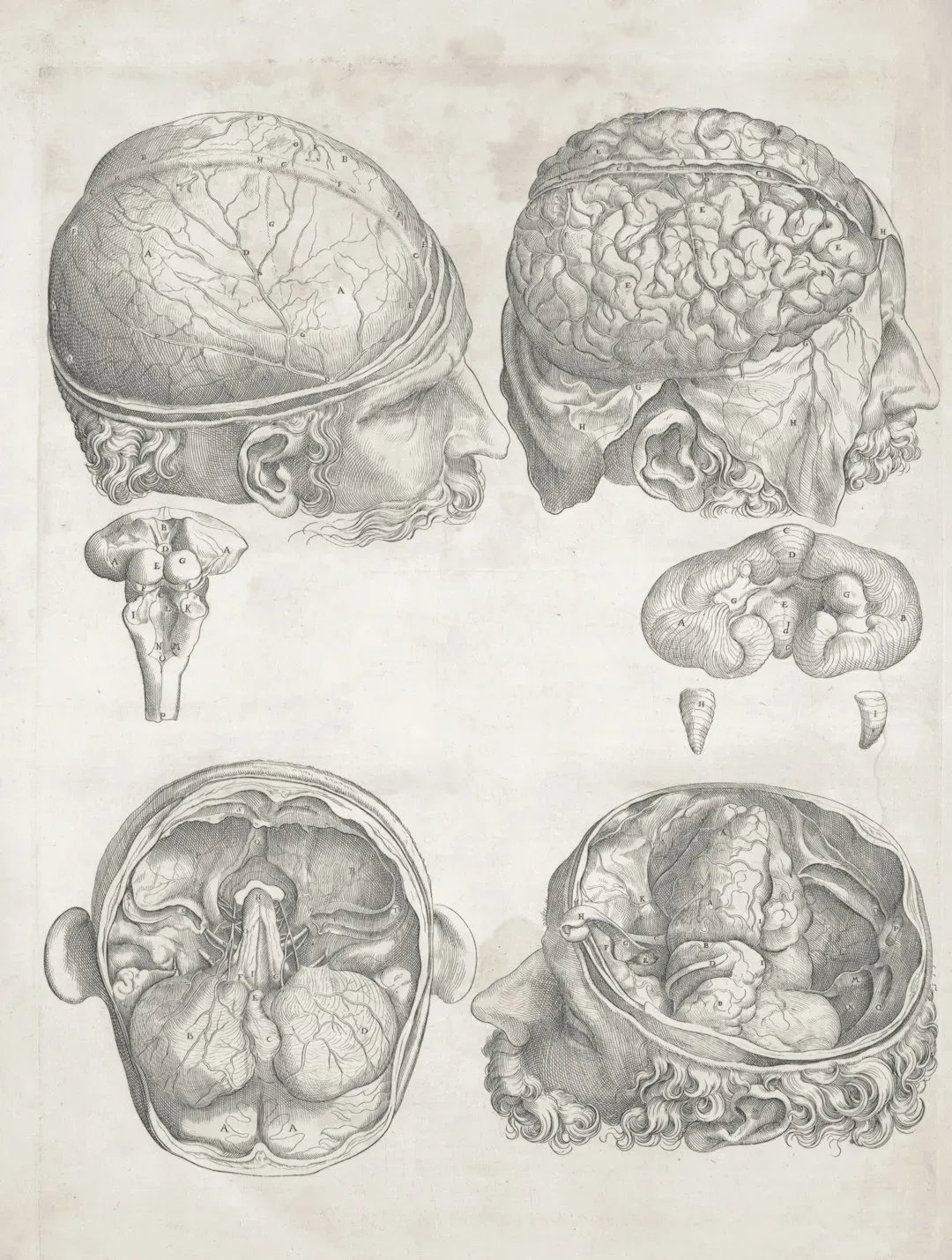
Here’s the thing: we’re wired to find patterns, even when none actually exist. Our brains constantly search for meaning in randomness because that’s how we survived as a species. Research from neuroscience explains that humans are biologically wired to detect patterns, even when connections are coincidental. This tendency isn’t about gullibility.
It’s about the way our minds work. Think about it like this: if your phone buzzes three times at exactly the moment you’re thinking about someone, you notice. The hundred other times it didn’t happen? Those fade into the background. The same mechanism applies when people read about astrological predictions or personality descriptions tied to their sign.
Uncertainty as the Gateway to Seeking Signs
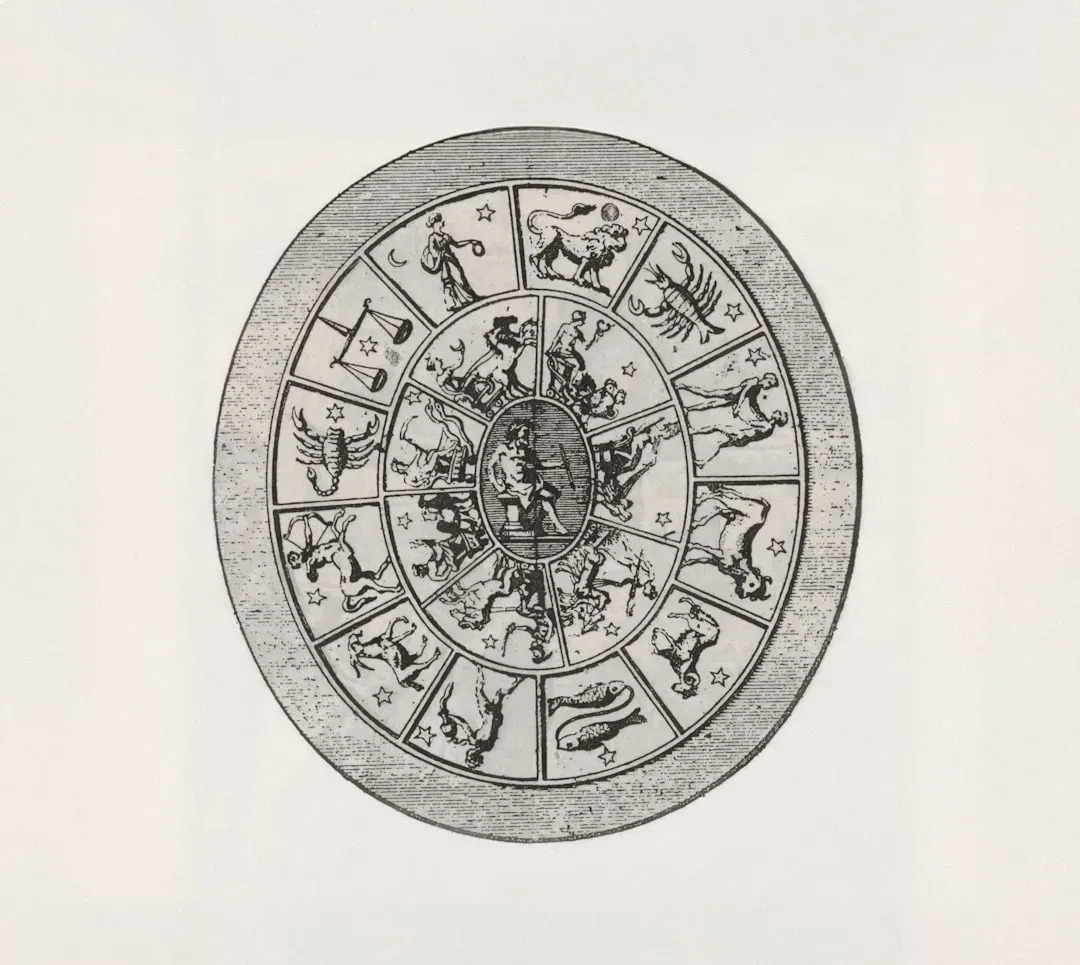
Recent data shows that in a nation grappling with polarization and uncertainty, half or more of adults reported feeling emotionally disconnected, with 54% saying they have felt isolated from others. When stress hits, when transitions loom, when control slips away, people naturally reach for anything that might restore a sense of order. That’s where astrology comes in for many.
One London-based astrology creator who has 1.2 million followers on TikTok suggests that her predominantly Gen Z followers turned to astrology for a sense of agency when life felt chaotic, and her motivational videos performed better as young people looked for self-development and self-empowerment. During the pandemic, during political upheaval, during personal crises, the appeal of cosmic reassurance grows. It’s a tool for coping, whether or not it’s grounded in anything verifiable.
How Social Media Amplifies Cosmic Messages
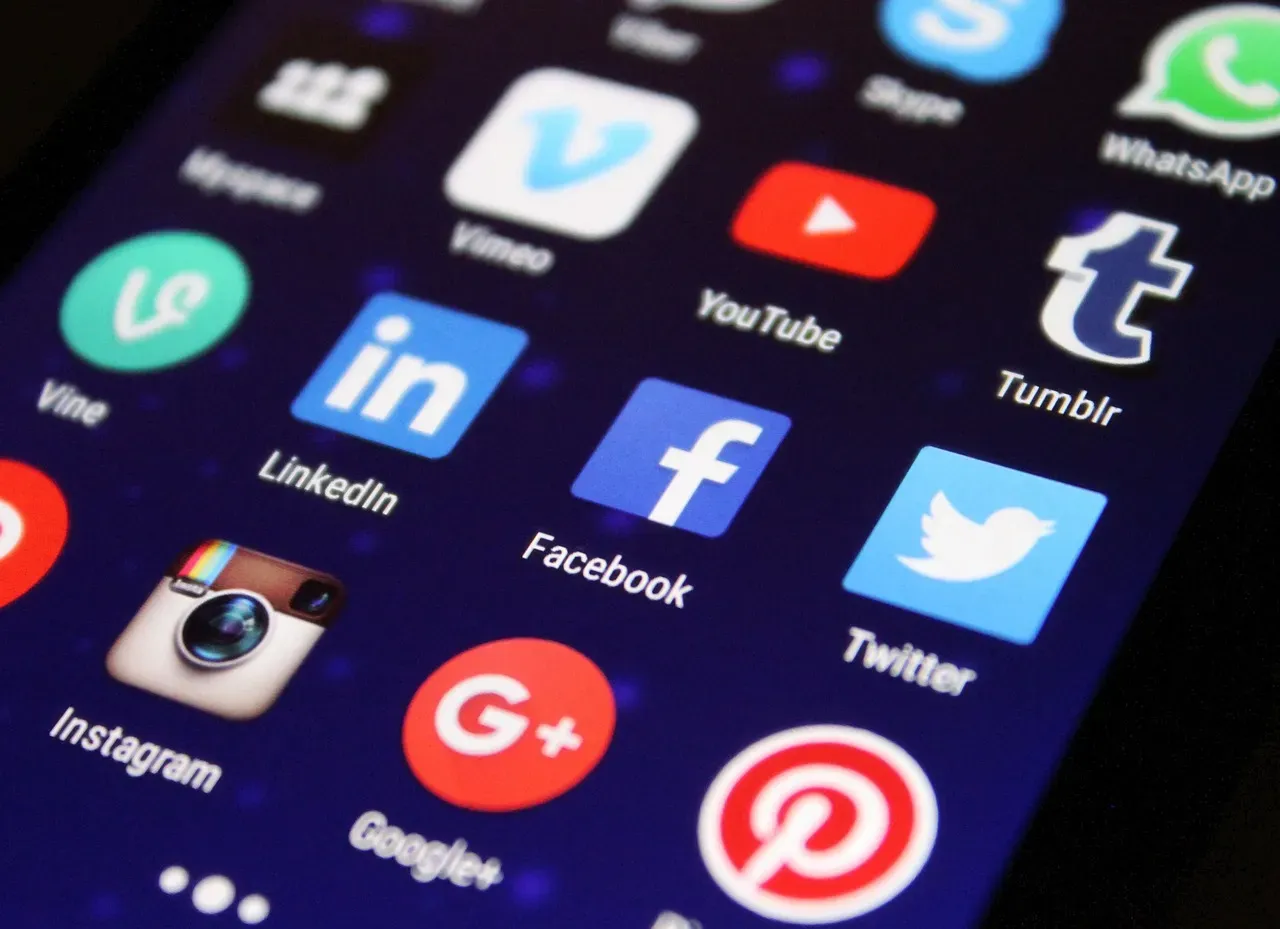
Media reports have described rising popular interest in astrology, tarot card reading and fortune-telling, with these practices frequently associated with young people and having developed their own social media cultures on TikTok and other platforms, especially during the period of social distancing brought on by the COVID-19 pandemic. Algorithms feed you more of what you engage with, creating an echo chamber of affirming content. You like one astrology meme, suddenly your entire feed is birth charts and planetary transits.
According to a 2024 analysis, algorithm-driven content increases exposure to affirming belief-based material, reinforcing perceptions of relevance. When everything you see seems to confirm your sign’s traits or this week’s horoscope, it feels like the universe really is speaking directly to you. The technology behind your social feed just happens to make those messages louder.
The Language of Reflection: How Astrology Sounds Like Therapy

In 2025, astrology is becoming a language of the reflective self, and at its best, astrology is not about control or fate, but about symbolic insight much like therapy. There’s a reason astrology readings often feel emotionally accurate. Linguistic research indicates that astrology uses reflective language similar to counseling, making messages feel emotionally accurate.
The phrasing is open-ended, empathetic, and centered around growth and understanding. It doesn’t diagnose you. It invites you to consider possibilities. That subtle difference matters psychologically because it creates space for self-exploration without judgment.
Why Vague Statements Feel So Personally True
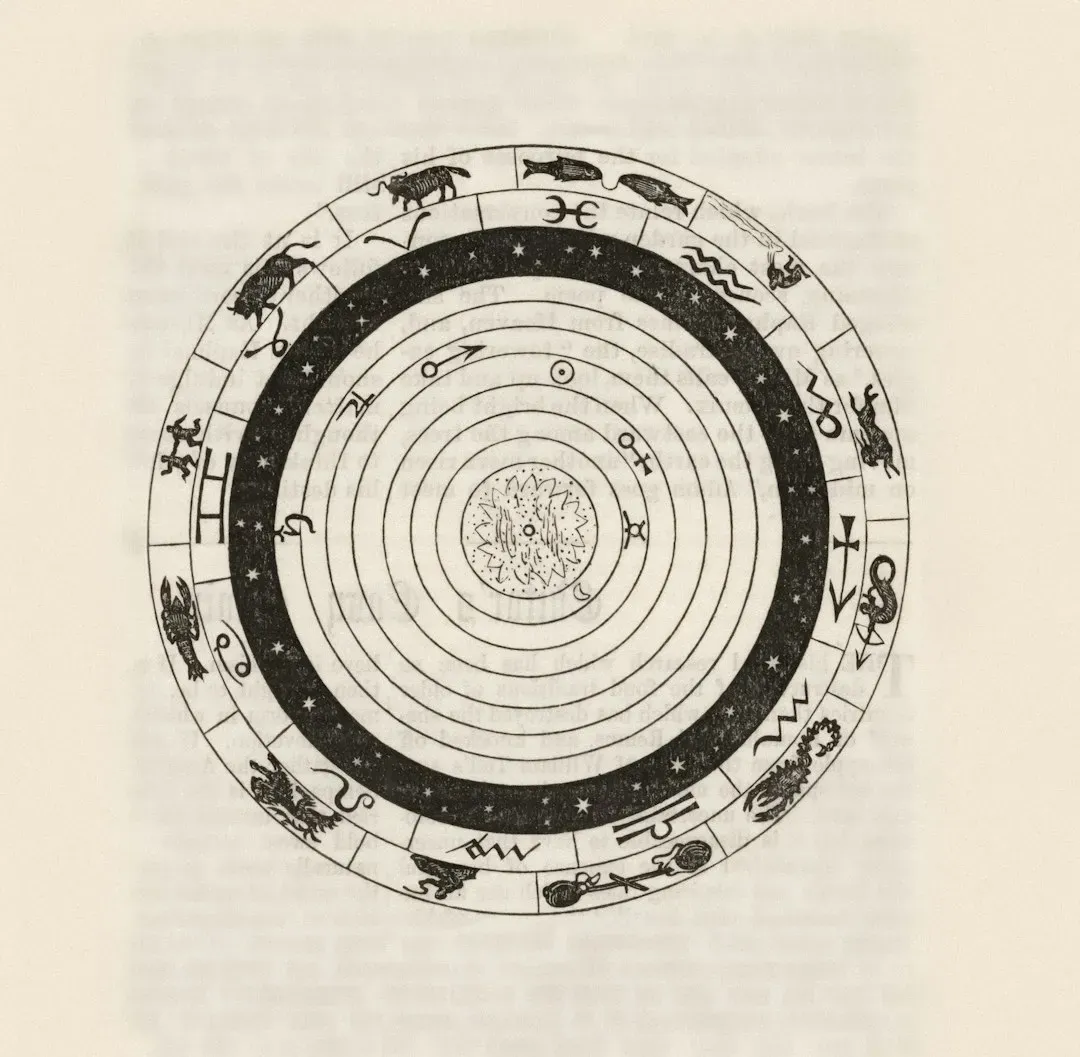
The Barnum effect is a well-documented phenomenon where people tend to accept vague, positive statements as personally meaningful. The American Psychological Association reaffirmed in 2023 that this effect is especially strong in astrology readings. You read that Leos are confident leaders, and if you identify as a Leo, you’ll recall times when you took charge, conveniently forgetting the times you didn’t.
It’s not deception, exactly. It’s cognitive bias doing its thing. Research with a large sample found that none of the 12 astrological signs were significantly associated with any of the Big Five personality traits, and none of the four elements associated with each sign nor whether a sign was positive or negative had any effect on personality. Yet the descriptions still resonate because they’re designed to fit almost anyone who wants them to fit.
Astrology as Cultural Storytelling, Not Prediction
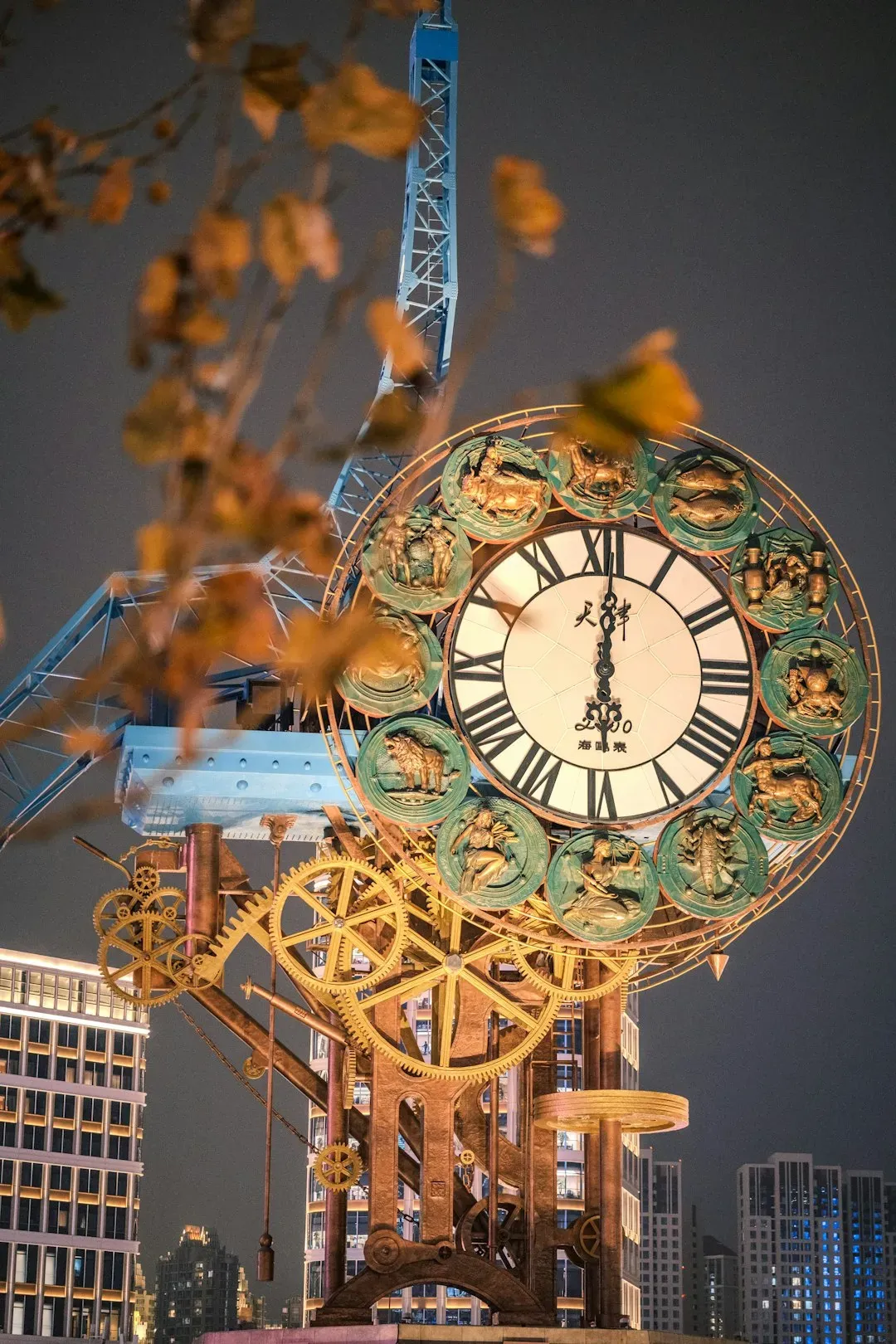
Astrology serves as a symbolic language that communicates archetypal themes, offering individuals a framework to understand and navigate their inner worlds. Cultural sociology research from 2024 describes astrology as a narrative tool people use to make sense of life events, rather than a predictive system. Stories help us process experiences, connect with others, and create meaning out of chaos.
Astrology provides those stories in a package that feels ancient, mystical, and personally relevant. Whether or not the planets actually influence your day doesn’t matter as much as the comfort and community you find in the shared mythology of zodiac signs.
Belief in Astrology Isn’t About Intelligence
Research found that narcissism was surprisingly the strongest predictor of belief in astrology, and intelligence showed a negative relationship with belief in astrology. However, other studies clarify that belief in astrology correlates more strongly with a desire for meaning than with lack of intelligence. People seek frameworks to understand themselves and the world around them. That’s a human need, not a measure of intellect.
Some of the smartest, most critical thinkers I know still check their horoscopes. It’s less about whether they truly believe the stars dictate their fate and more about the ritual, the reflection it prompts, or simply the entertainment value. Everyone’s looking for meaning somewhere.
Why Personalization Makes Astrology Stick
A 2024 digital media analysis found that astrology content performs well because it feels tailored, even when based on broad categories like zodiac signs. Everyone wants to feel seen and understood. When a horoscope or birth chart reading speaks to your specific sign, rising sign, moon sign, and house placements, it creates the illusion of a deeply personalized message crafted just for you.
The reality? It’s a framework applied to millions of people born around the same time. Yet the emotional impact remains powerful because the format mimics individualized attention. That sense of being known, even by the cosmos, is what keeps people coming back.
Here’s the bottom line: astrology thrives not because it predicts the future accurately but because it fulfills psychological and social needs. It offers community, narrative, reflection, and a sense of order when life feels messy. Scientific reviews have found that professional astrologers asked to match someone’s birth chart with information about their actual personality were no more accurate than chance, and people asked to pick out an astrological interpretation of their actual birth chart from a random selection could not do so accurately. Yet millions still find value in the practice. Whether you view it as harmless fun, a meaningful spiritual tool, or a cultural lens for self-exploration, astrology clearly isn’t going anywhere in 2026. What do you think – does the universe really send us signals, or are we just good at finding meaning wherever we look? Let us know your take.