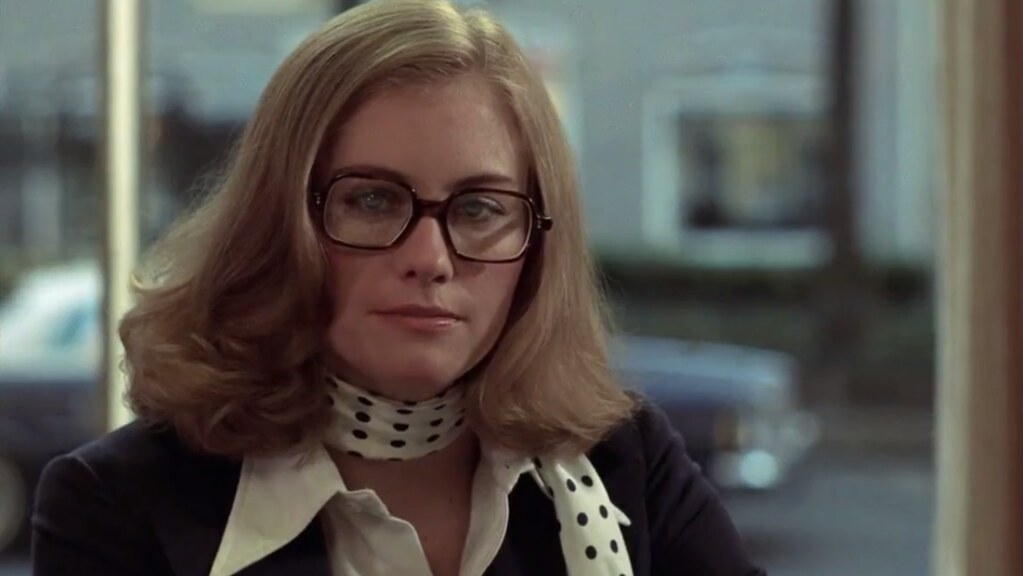


From Memphis Runways to Silver Screen Stardom (Image Credits: Flickr)
In the gritty underbelly of 1970s New York, a former model stepped into a role that blended allure with unease, marking a defining moment in cinema history.
From Memphis Runways to Silver Screen Stardom
Cybill Shepherd launched her career as a teenager after winning Miss Teenage Memphis and earning congeniality honors at the 1966 Miss Teenage America pageant.[1]
By 18, she claimed Model of the Year status, which opened doors to fashion work and eventually Hollywood. Directors noticed her on a Glamour cover, leading to her film debut as the bold Jacy Farrow in Peter Bogdanovich’s The Last Picture Show in 1971. That performance established her as a rising talent capable of complex characters.
She followed with roles in The Heartbreak Kid in 1972, but her path included setbacks like the poorly received Daisy Miller and At Long Last Love. Still, her striking presence kept her in demand for directors seeking a specific archetype.
Landing the Role Opposite De Niro
Martin Scorsese specifically sought a “Cybill Shepherd type” for Betsy, the poised campaign volunteer in his 1976 masterpiece Taxi Driver. Shepherd, then 26, auditioned amid palpable anxiety, later recalling, “What’s a Cybill Shepherd type anyway?”[2]
Filming took place in summer 1975 on a tight $1.9 million budget, where she joined Robert De Niro and received $35,000 – the same as her co-star – for her efforts.[3]
The production demanded pay cuts from the cast to finish the project, reflecting the film’s raw, independent spirit. Shepherd’s chemistry with De Niro’s troubled Travis Bickle fueled key scenes, though her character’s rejection of him intensified his spiral.
Betsy’s Key Encounters That Drove the Plot
Betsy worked in Senator Charles Palantine’s campaign office, embodying an idealized normalcy amid urban decay. Travis first spotted her there and struck up a conversation, sensing her loneliness despite the bustle around her.
She agreed to coffee, charmed by his earnestness, even likening him to a Kris Kristofferson song: a “walking contradiction.”[4]
- Travis convinced her for a second date but chose a pornographic theater, prompting her swift exit with the line, “Taking me to a place like this is about as exciting as saying to me ‘Let’s fuck.'”
- Her rejection left Travis humiliated; he later stormed her office in rage before security intervened.
- These moments highlighted themes of isolation and misplaced obsession central to Paul Schrader’s script.
TV Triumphs and Enduring Legacy
Taxi Driver earned the Palme d’Or at Cannes and four Oscar nominations, cementing its status as a cultural touchstone preserved in the National Film Registry.[3]
Shepherd called the experience one of the happiest in her career.[5]
She transitioned to television success with Moonlighting from 1985 to 1989, winning two Golden Globes as Maddie Hayes, followed by her self-titled sitcom that garnered another Globe. Later credits included The L Word, Psych, and The Client List.
| Era | Key Project | Award/Impact |
|---|---|---|
| 1970s Films | Taxi Driver | Palme d’Or winner |
| 1980s TV | Moonlighting | Two Golden Globes |
| 1990s TV | Cybill | Golden Globe |
A Life of Activism and Resilience
Now 75, Shepherd remains active in acting and advocacy, supporting LGBTQ rights and abortion access; she received a Human Rights Campaign award in 2009. She reconnected with Christianity in 2014 and recently appeared in projects like How to Murder Your Husband: The Nancy Brophy Story.
Her journey from model to icon reflects Hollywood’s highs and lows, with Taxi Driver standing as a pivotal chapter.
Key Takeaways:
- Shepherd’s Betsy symbolized unattainable purity in a corrupt world.
- The role bridged her film struggles to TV dominance.
- Taxi Driver’s influence endures, from Cannes glory to cultural preservation.
Taxi Driver’s raw power continues to resonate, reminding viewers of cinema’s ability to probe the human psyche. What is your favorite moment from the film? Share in the comments.