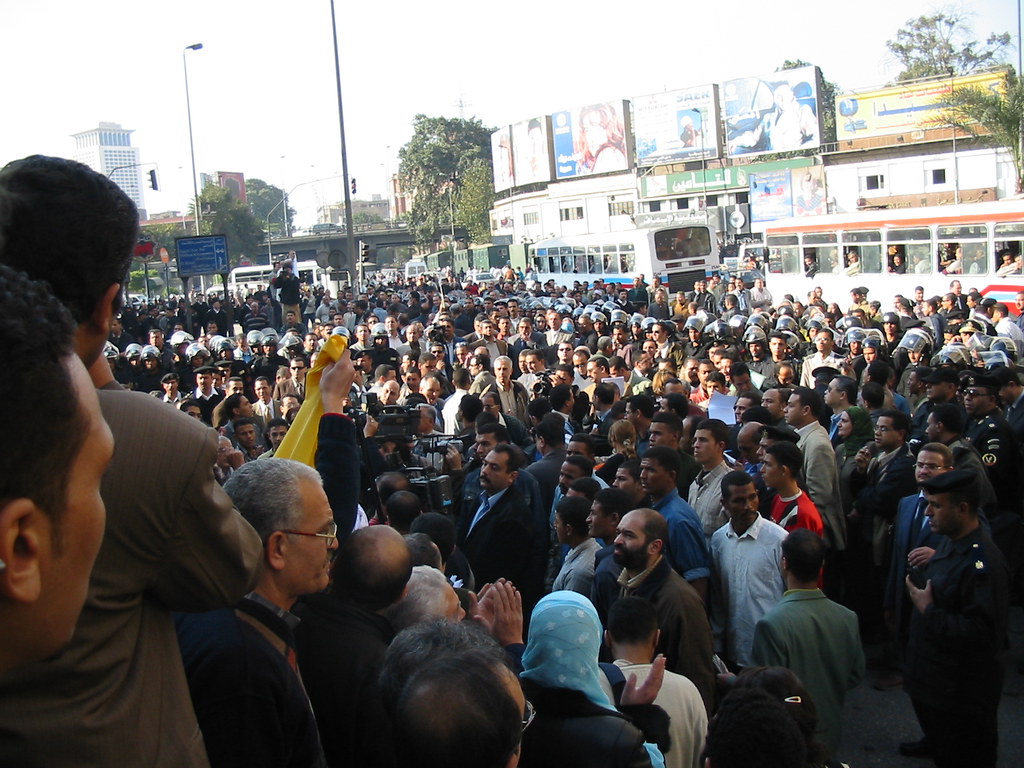


A Deadly Incident Sparks Outrage (Image Credits: Flickr)
Minneapolis – A fatal shooting by federal agents has intensified longstanding frictions between local law enforcement and immigration authorities, prompting Police Chief Brian O’Hara to declare the situation untenable.[1][2]
A Deadly Incident Sparks Outrage
Federal agents fatally shot 37-year-old Alex Pretti, an ICU nurse and Minneapolis resident, on January 24 near 26th Street and Nicollet Avenue. The Department of Homeland Security maintained that Pretti approached officers armed with a handgun and ammunition, assaulted them during a struggle, and prompted a defensive shooting by an eight-year veteran agent.[1] Local officials, however, questioned this narrative, noting Pretti held a valid permit to carry and showed no evidence of brandishing his weapon in circulating videos.
Chief O’Hara described Pretti as a law-abiding citizen exercising his First and Second Amendment rights by recording the scene. Witnesses reported he assisted with traffic around federal agents before the confrontation unfolded in subzero temperatures. The episode marked the third shooting linked to federal operations in less than three weeks, including the earlier death of Renee Good and the wounding of a Venezuelan migrant.[3]
Local Forces Reach Breaking Point
With just 600 officers, the Minneapolis Police Department faced immense pressure managing protests, fires, and crowds following the shooting. Chief O’Hara recalled all personnel and sought aid from the Minnesota State Patrol and National Guard. He emphasized that his department recovered 900 guns and arrested hundreds of violent offenders last year without firing a shot.
“This is not sustainable,” O’Hara stated on CBS’s Face the Nation. “This police department has only 600 police officers. We are stretched incredibly thin. This is taking an enormous toll.”[1] Protests turned chaotic, with authorities deploying tear gas and declaring unlawful assemblies, further taxing resources.
Federal Tactics Draw Sharp Criticism
Operation Metro Surge, launched in December, deployed thousands of agents to target undocumented individuals and criminals, yielding over 3,000 arrests. Yet local leaders lambasted the approach: masked agents in unmarked vehicles, minimal communication, and blocking state investigators from scenes.
O’Hara criticized the “very obviously not safe” methods that fueled community fear. “The problem isn’t that enforcement is happening, it’s clearly the manner in which these things are happening,” he said. Federal officials, including DHS Secretary Kristi Noem, countered that locals failed to cooperate adequately.[3]
- Poor information sharing with MPD at shooting sites.
- Use of aggressive tactics amid protests.
- Exclusion of local and state probes, even with warrants.
- Impact on daily life, shuttering businesses and scaring residents indoors.
- Three shootings in rapid succession, eroding public trust.
Leaders Demand Federal Pullback
Mayor Jacob Frey labeled the operations an “invasion,” urging President Trump to halt them and warning of eroded trust in law enforcement. Governor Tim Walz decried “organized brutality” and called for agents’ withdrawal. Senators Amy Klobuchar and Tina Smith echoed pleas for an end, citing prior warnings of violence.
Even some Republicans, like Senator Bill Cassidy, deemed the events “incredibly disturbing” and pushed for joint investigations. Pretti’s family rejected federal claims as “sickening lies,” holding vigils amid ongoing demonstrations.[2]
As tensions simmer, the standoff highlights broader clashes between national immigration priorities and local policing realities. Minneapolis officials stress that sustainable enforcement requires collaboration, not confrontation.
- Federal operations have led to three shootings in three weeks, overwhelming MPD’s 600-officer force.
- Chief O’Hara prioritizes safe tactics and communication to rebuild community trust.
- Calls grow for Trump administration to rethink the surge amid rising fatalities and protests.
What steps should federal and local leaders take next? Share your thoughts in the comments.