
Great Basin National Park: Where Stars Still Rule the Night
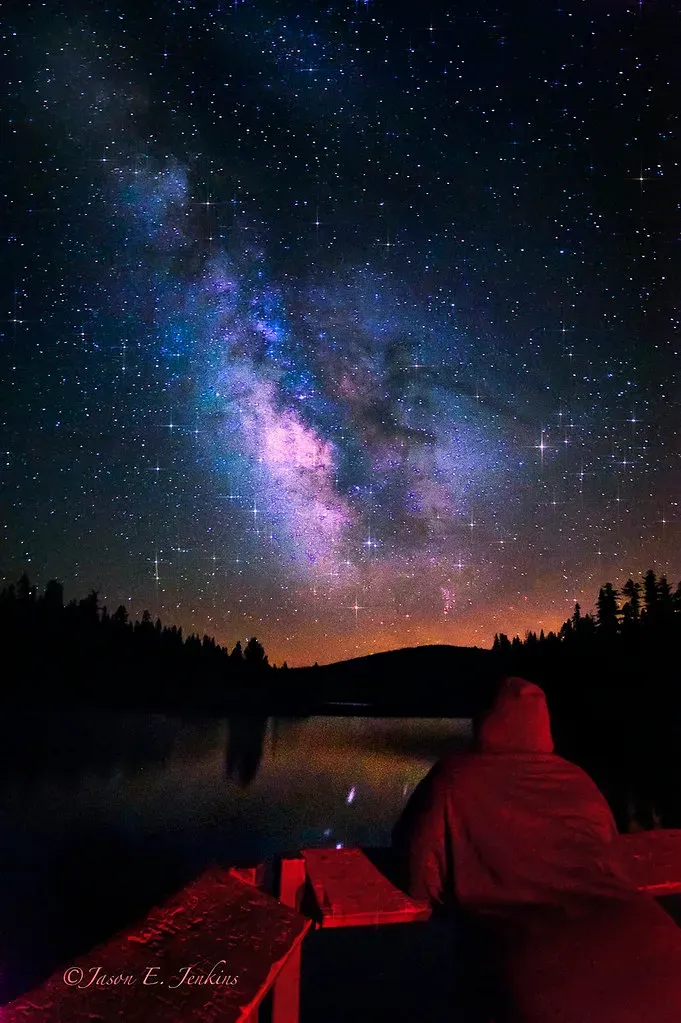
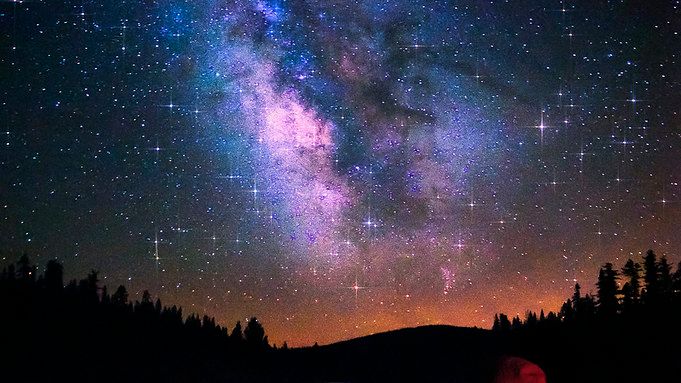
Great Basin National Park in Nevada holds a gold-tier International Dark Sky Park designation, making it one of the darkest places in the United States. The park sits far from urban areas, and its basin-and-range topography shields it from light pollution. Visitors can experience complete darkness where visibility reaches just ten feet ahead on moonless nights. This remote wilderness offers unencumbered stargazing opportunities that have become increasingly rare across the continental United States, with the Milky Way visible to the naked eye on clear nights.
Congaree National Park: Walking Among Giants in South Carolina
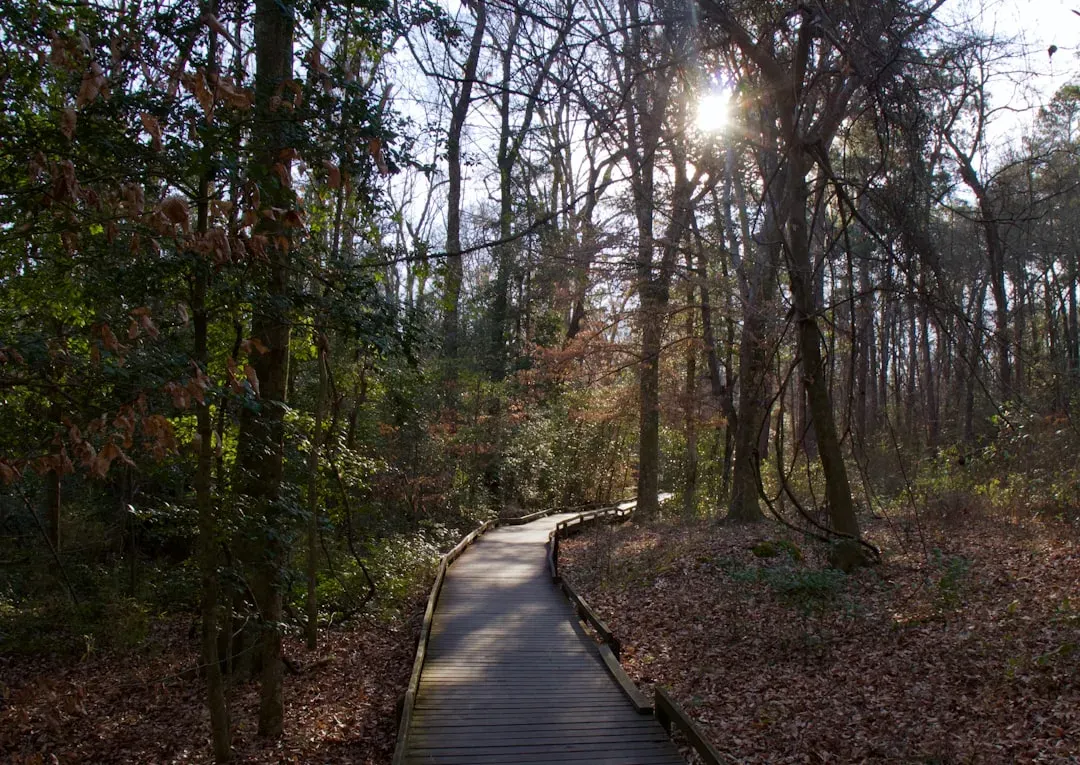
Congaree’s forest, often called the Redwoods of the East, is the tallest in eastern North America and one of the tallest temperate deciduous forests in the world. The park contains both the tallest loblolly pine at 169 feet and the largest at 42 cubic meters, along with cypress trees over 500 years old. Regular flooding from the Congaree and Wateree Rivers nourishes this ancient ecosystem, yet the park remains one of the least visited in the nation. The elevated boardwalk loop allows visitors to explore the swamp-like environment without disturbing the delicate forest floor.
North Cascades National Park: Buried Under a World of Snow
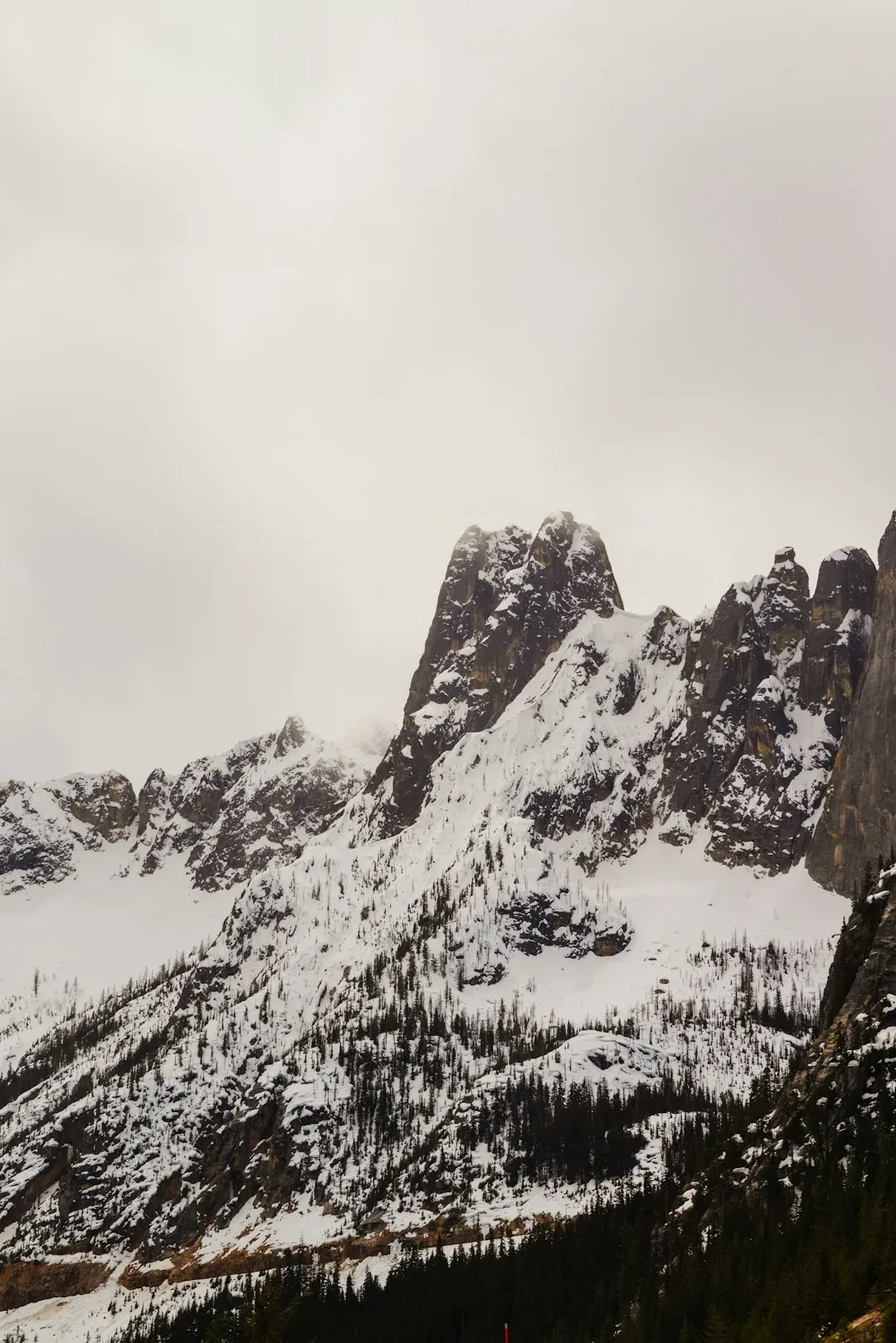
The North Cascades experience some of the heaviest snowfall in the world, with certain locations receiving 250 to 300 inches of snow in a single month. The higher precipitation in the west correlates to increased snowfall with 400 inches more measured annually in the western slopes than the east. This perpetual snow feeds over 300 glaciers throughout the park, creating the most extensive glacial system in the contiguous United States. Storm after storm batters the range from November through April, creating dramatic glacier-fed landscapes that most Americans never witness.
Guadalupe Mountains National Park: Texas Heights Without the Crowds
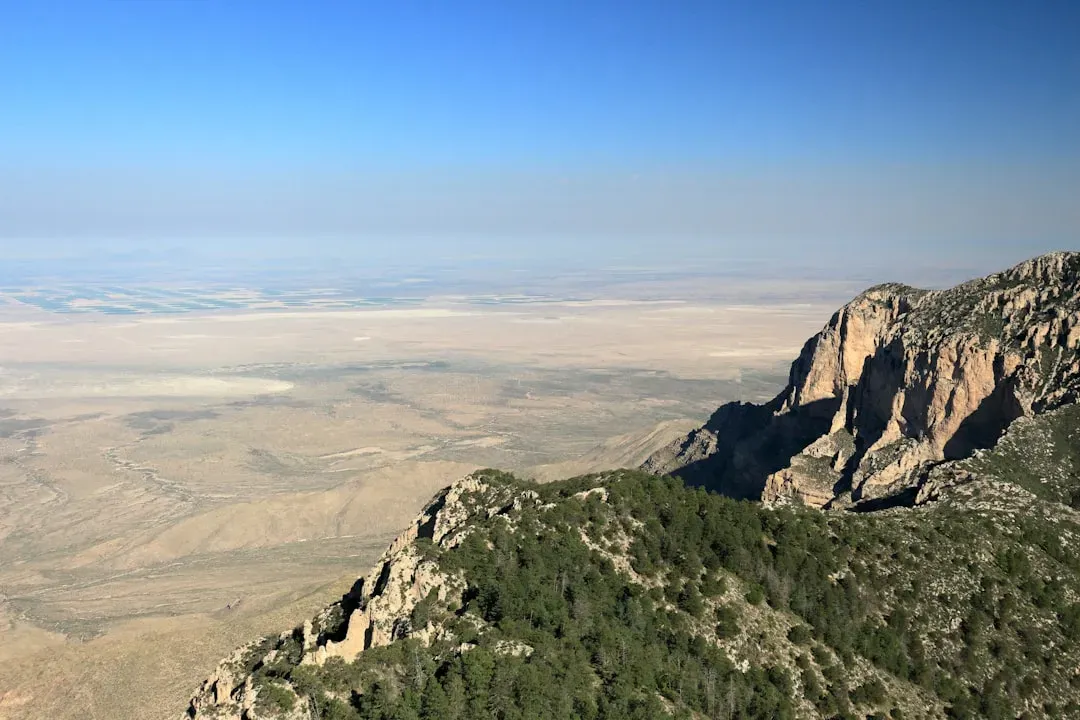
Guadalupe Peak rises 8,751 feet, making it the highest point in Texas, yet this dramatic landscape draws surprisingly few visitors. The park experienced only 226,134 visits in 2024, a slight decrease from the previous year. The rugged terrain and remote location keep crowds away despite offering 86 miles of hiking trails through desert and mountain ecosystems. Its neighbor to the north, Carlsbad Caverns, pulls most tourist traffic, leaving Guadalupe’s peaks and canyons refreshingly empty.
Channel Islands National Park: California’s Isolated Laboratory of Evolution
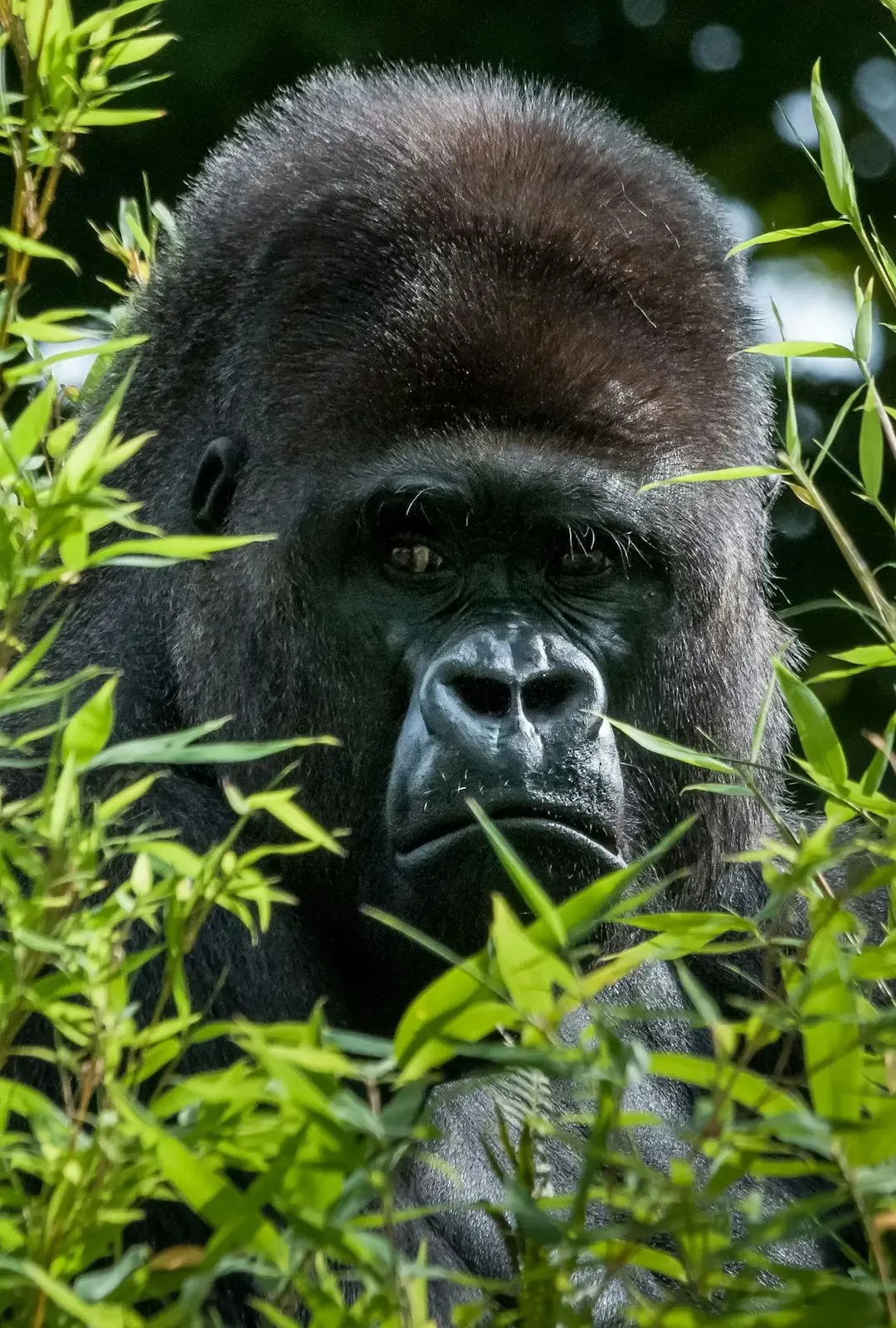
Santa Cruz Island, the largest in the park, boasts more than 60 endemic flora and fauna. The endemic island fox, California’s smallest natural canine, exists on three of the five Channel Islands and has rebounded from near extinction in the late 1990s. Long-term geographic isolation allowed species to evolve independently, creating plants and animals found nowhere else on Earth. The island scrub jay, with its vibrant sapphire blue plumage, lives exclusively on Santa Cruz Island, making it one of the rarest birds in the United States despite appearing relatively common there.
Theodore Roosevelt National Park: Where Bison Still Roam Free
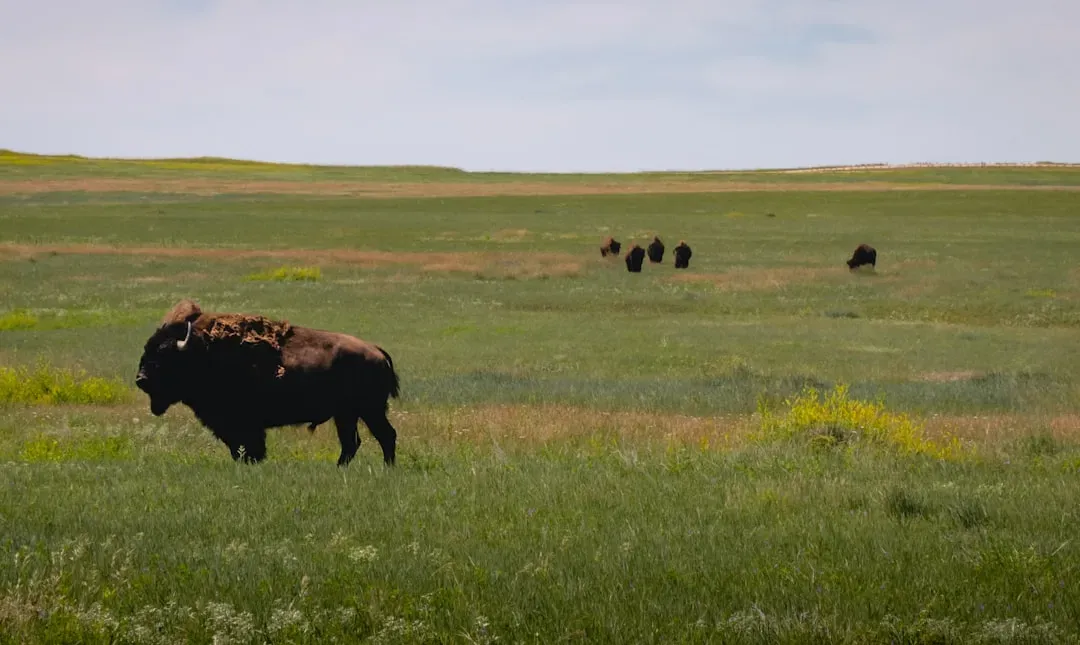
Theodore Roosevelt National Park in North Dakota protects free-roaming plains bison herds that maintain genetic diversity from early conservation efforts. The badlands landscape, sculpted by wind and water, provides habitat for these massive animals that once dominated the Great Plains. Visitors can witness bison moving through colorful geological formations that showcase millions of years of sedimentary deposits. The park honors the conservation legacy of the president who helped establish the National Park Service and championed wildlife protection during his lifetime.
Isle Royale National Park: An Ongoing Wilderness Experiment
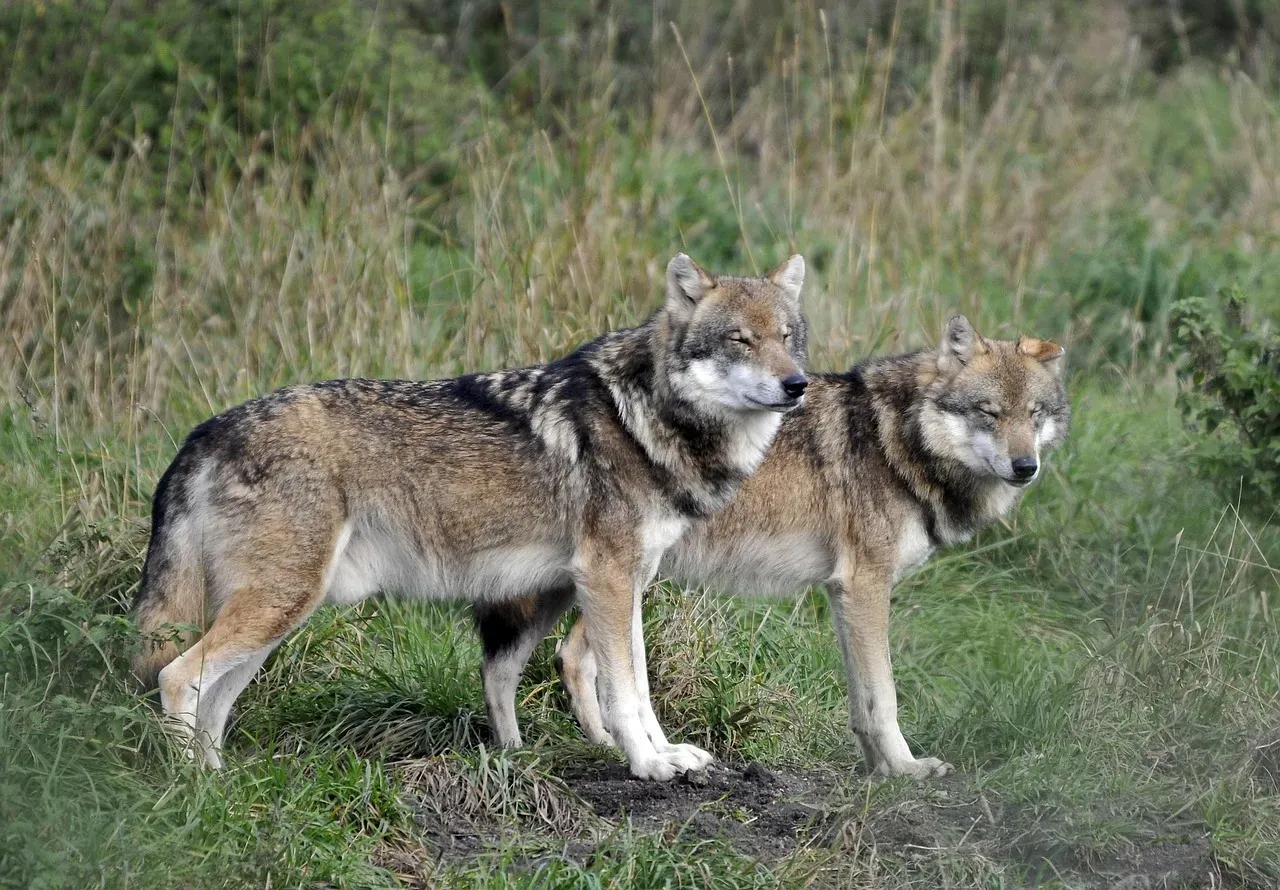
Isle Royale in Lake Superior hosts one of the longest continuous predator-prey studies ever conducted, tracking wolf and moose populations for over six decades. Michigan Technological University researchers have documented the complex ecological relationships on this isolated island since the 1950s. The remote location, accessible only by boat or seaplane, creates a natural laboratory for studying ecosystem dynamics. Visitors willing to make the journey discover a true wilderness where nature operates with minimal human interference, offering rare glimpses into ecological processes that have largely disappeared elsewhere.
Capitol Reef National Park: Utah’s Forgotten Geological Wonder
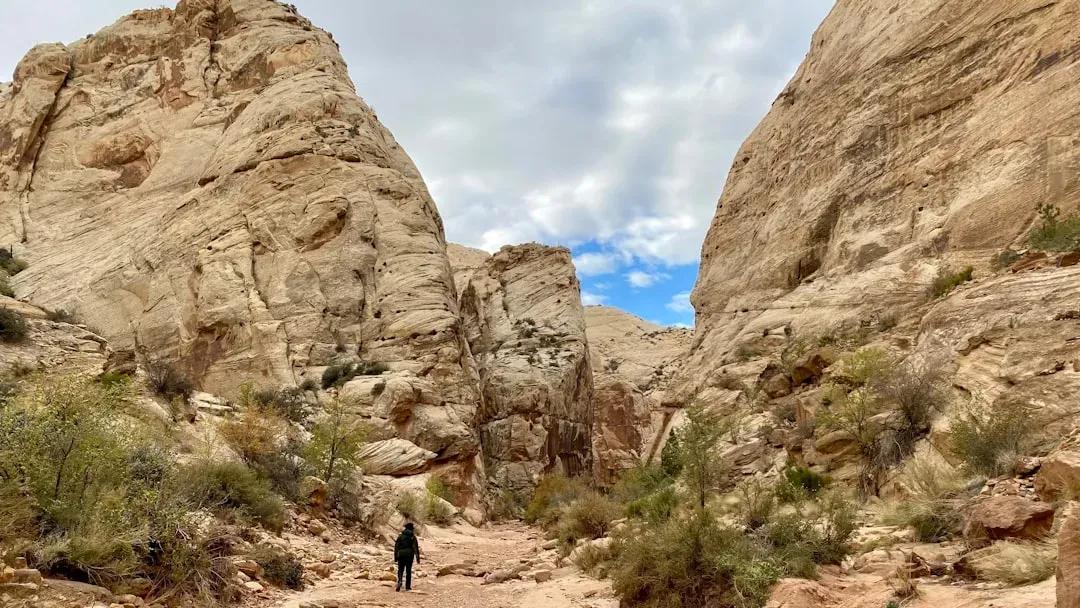
Capitol Reef receives less than one-third the visitors of nearby Zion and Arches, despite showcasing equally spectacular geological features carved by wind and water. The Waterpocket Fold, a nearly 100-mile warp in the Earth’s crust, creates dramatic cliffs and canyons that glow in shades of red, orange, and cream. Historic orchards planted by Mormon settlers still produce fruit that visitors can harvest during designated seasons. The park’s relative obscurity means trails and viewpoints remain uncrowded even during peak travel months.
Dry Tortugas National Park: A Fortress in the Sea

Dry Tortugas sits 70 miles west of Key West, accessible only by boat or seaplane, which naturally limits visitor numbers while preserving pristine coral reef ecosystems. Fort Jefferson, a massive 19th-century fortress, dominates Garden Key and tells stories of military history and Civil War-era imprisonment. The surrounding waters teem with marine life rarely disturbed by human activity. Crystal-clear visibility and abundant sea turtle populations make this isolated park a paradise for snorkelers and divers seeking unspoiled underwater landscapes.
Pinnacles National Park: Sanctuary for America’s Largest Bird
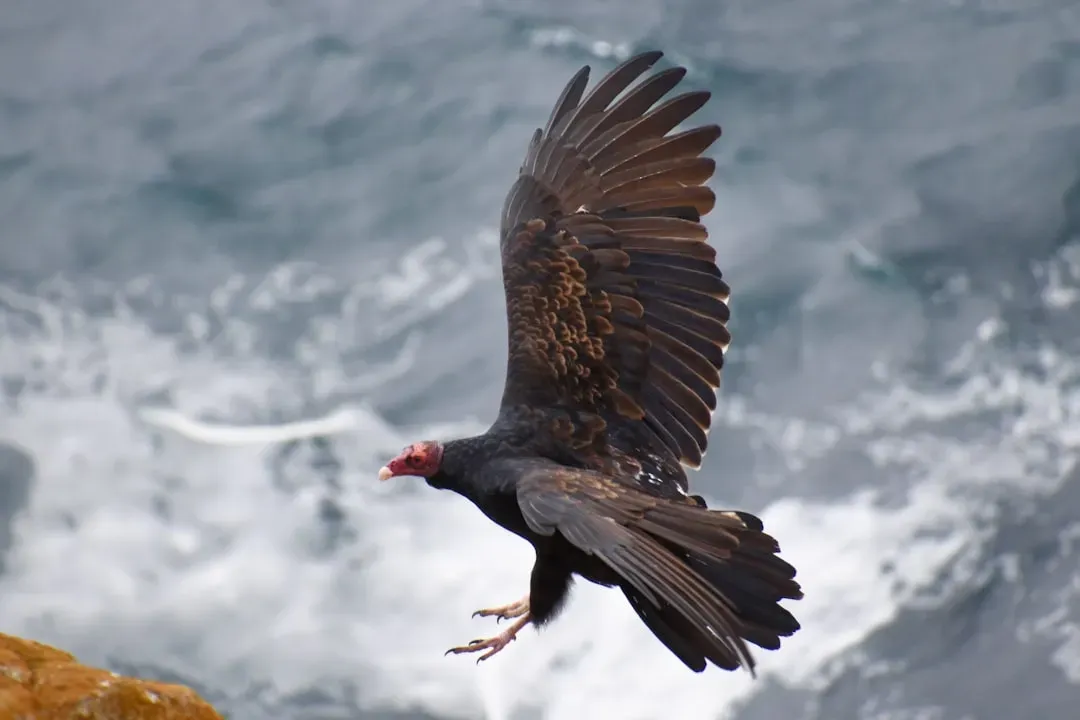
Pinnacles National Park in California plays a critical role in California condor recovery through managed habitat protection and breeding programs. These massive birds, with wingspans reaching nearly 10 feet, were pushed to the brink of extinction but now soar above the park’s volcanic rock formations. The jagged spires and talus caves create unique ecosystems formed from ancient volcanic activity along the San Andreas Fault. Spring wildflowers blanket the hillsides, while rock climbers scale the dramatic pinnacles that give the park its name, all beneath the watchful presence of one of North America’s rarest raptors.