
Texas Brisket
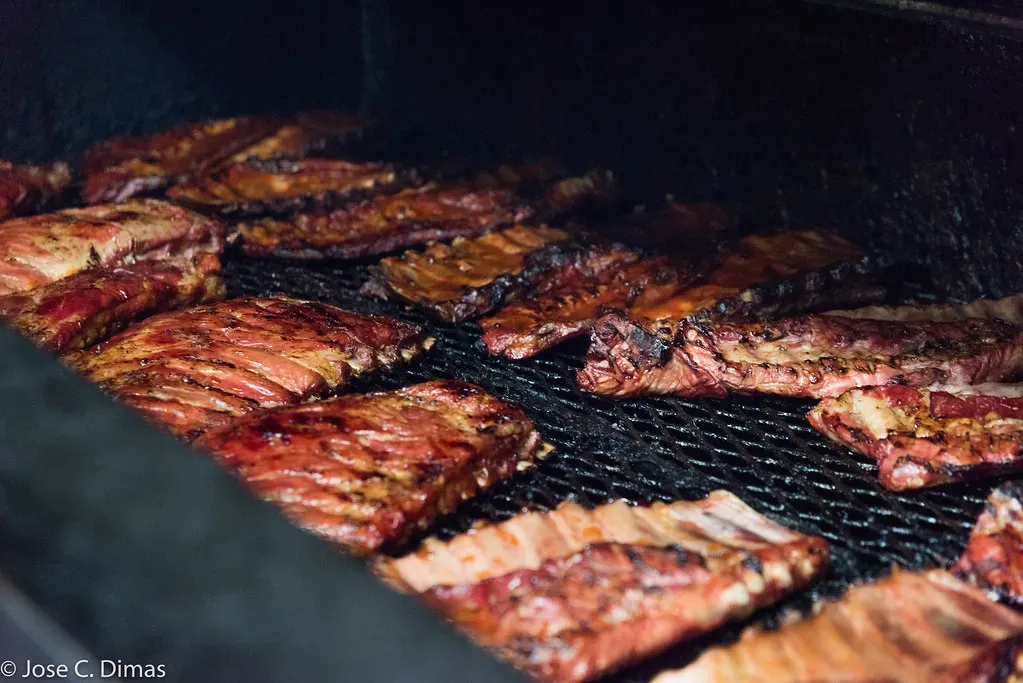
Beef brisket is the centerpiece of Texas Barbecue, and experiencing this smoky, tender meat is almost a religious experience for food lovers. Dedicated fans consistently line up early to taste brisket, with venues like Franklin BBQ putting new-wave Texas barbecue on the map. The magic happens through slow smoking over wood, creating a dark crust and pink smoke ring that signals hours of careful preparation.
What separates Texas brisket from other regional barbecue styles isn’t just the meat itself. Research confirms that gumbo originated in Louisiana in the early 18th century, while Texas developed its own distinct identity around beef. The state’s cattle ranching heritage made beef the natural choice for pitmasters.
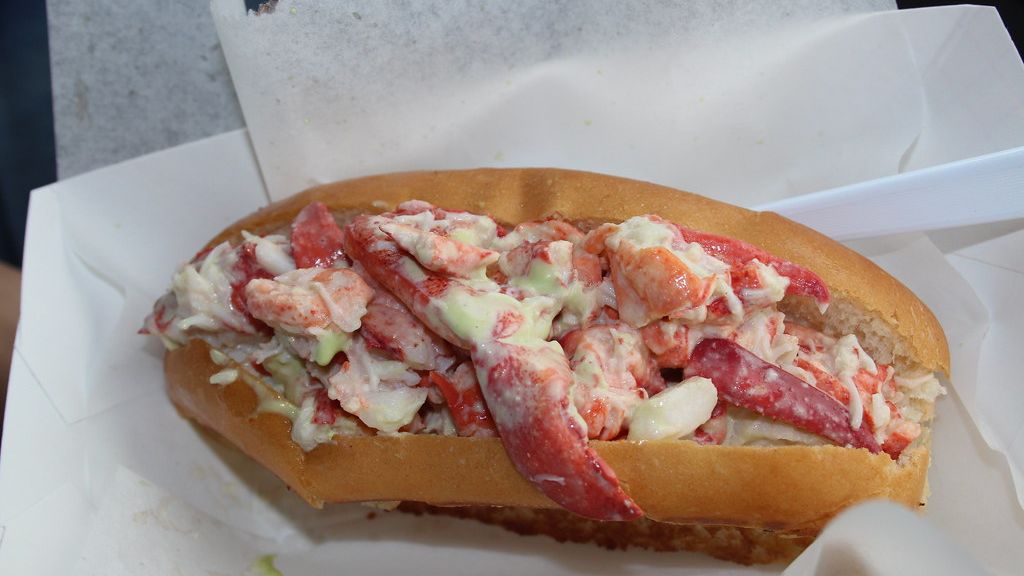
New England Lobster Roll
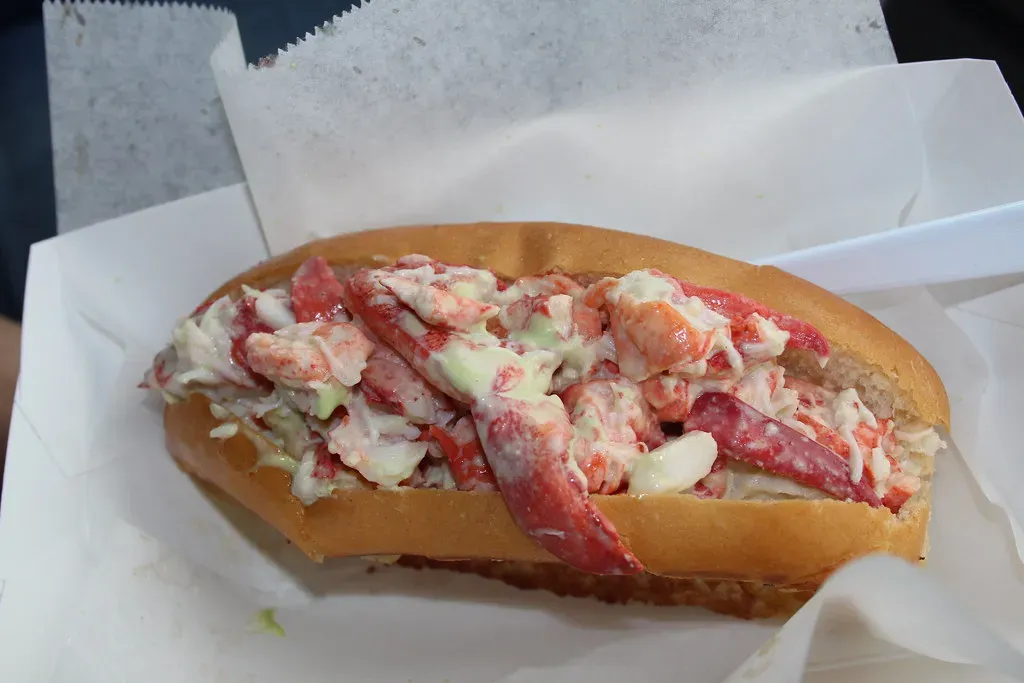
The Encyclopedia of American Food and Drink claims the lobster roll originated as a hot dish at a restaurant named Perry’s in Milford, Connecticut, as early as 1929, though the Maine style has become the most recognizable version nationwide. The Maine-style roll features chilled lobster meat lightly dressed in mayonnaise and served on a toasted, buttered bun. The beauty lies in its simplicity, letting the sweet lobster flavor dominate.
Maine lobster rolls have garnered a devoted following for their balance of simplicity and indulgence, perfectly showcasing the quality and freshness of Maine lobster. When driving through coastal New England, stopping at a seafood shack for a lobster roll is practically mandatory, even though prices can make your wallet wince a bit.
New Orleans Gumbo
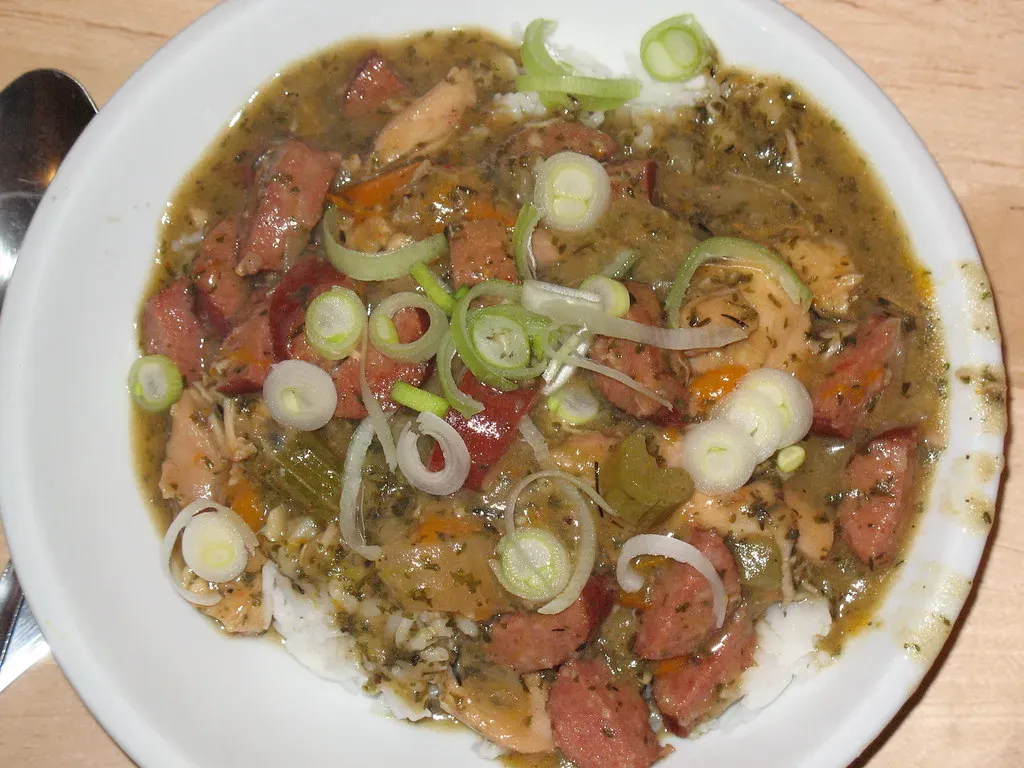
With influences ranging from Native American to African and ingredients that might include seafood and sausages, Louisiana’s beloved state dish is notoriously hard to pin down. African, French, Spanish, Native American, and Caribbean people have all contributed to gumbo’s rich history, with the word thought to have originated from the West African term “ki ngombo,” meaning okra. This cultural melting pot creates something truly unique.
Since the early 1800s, Creole gumbo has been a popular staple for New Orleans residents, with many recipes dating back to this period. The dish typically starts with a dark roux and includes the “holy trinity” of celery, onions, and bell peppers, served over rice.
Chicago Deep Dish Pizza
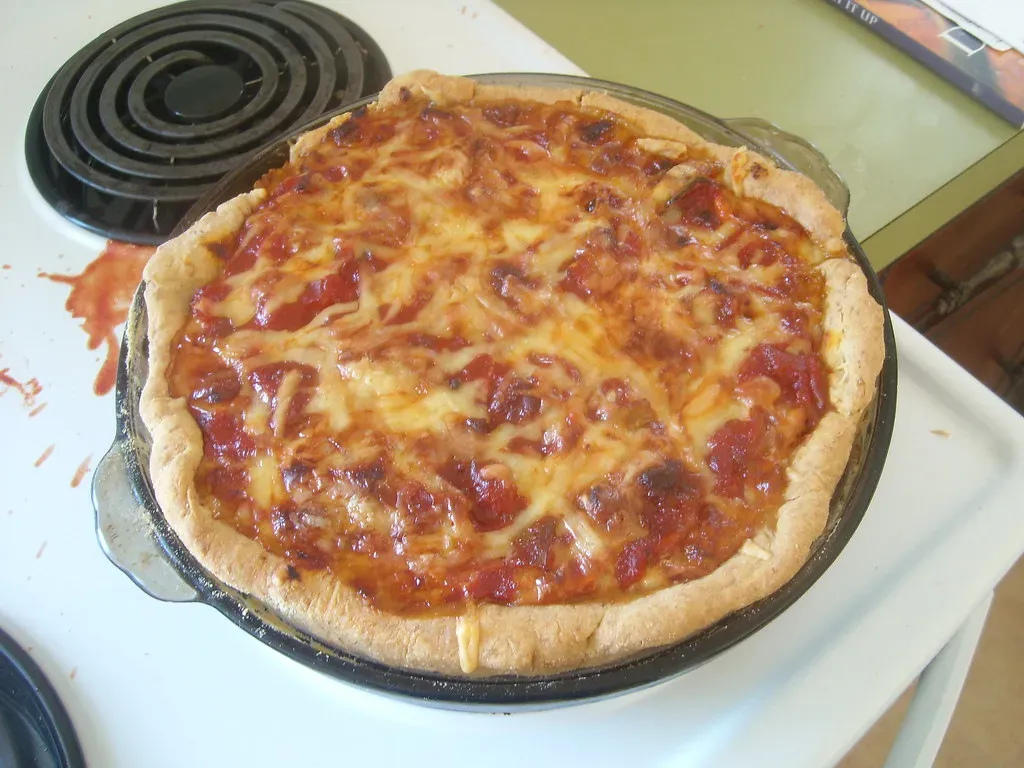
Chicago-style deep-dish pizza was invented at Pizzeria Uno in Chicago, founded by Ike Sewell and Richard Riccardo in 1943, with Riccardo’s original recipe for pizza cooked in a pie pan published in 1945. The construction flips traditional pizza logic upside down, literally placing tomato sauce on top of the cheese rather than underneath. The pan used to bake deep-dish pizza gives it its characteristically high edge, which provides ample space for lots of cheese and chunky tomato sauce.
Chicago deep-dish pizza was the consequence of economic and cultural shifts during World War II, as the ingredients necessary for pizza dough were not among rationed foods. Today it remains polarizing, with passionate defenders and equally passionate critics who claim it’s not really pizza at all.
Philadelphia Cheesesteak
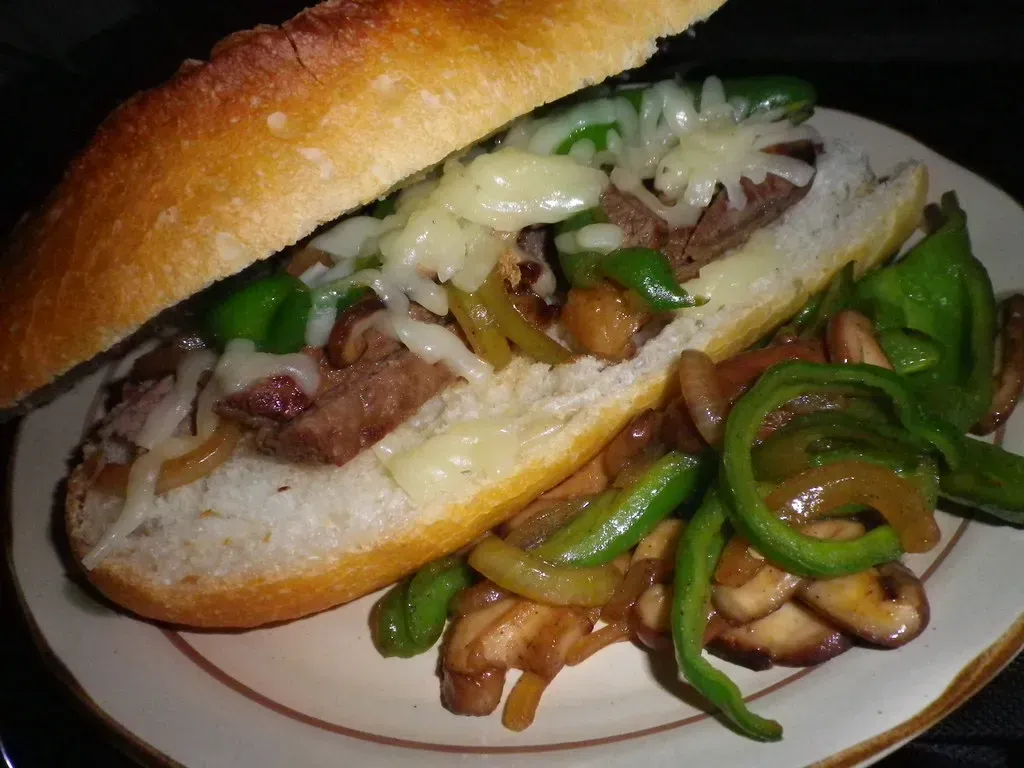
Philadelphians Pat and Harry Olivieri are often credited with inventing the sandwich by serving chopped steak on an Italian roll in the early 1930s, originally owning a hot dog stand before deciding to make a new sandwich using chopped beef and grilled onions. The cheese came later. According to Pat’s son Herb Olivieri, American cheese was first added by manager “Cocky Joe” Lorenza at the Ridge Avenue location in March of 1951.
American cheese, provolone, and Cheez Whiz are the most commonly used cheeses put on the Philly cheesesteak. The sandwich has become so tied to Philadelphia’s identity that presidential candidates have been criticized for ordering them incorrectly, proving that in Philly, how you eat matters almost as much as what you eat.