
The Telephone Brought Voices Across Distances

Alexander Graham Bell received U.S. Patent 174,465 on March 7, 1876, marking the start of a communication revolution. His invention allowed people to speak across distances in real time, something previously impossible. The telephone emerged as one of the most successful products ever, fundamentally changing how businesses coordinated and how families stayed connected. What started as a device for transmitting vocal sounds telegraphically quickly became indispensable to modern life.
Edison’s Light Bulb Illuminated the Night

On January 27, 1880, Thomas Edison received the historic patent embodying the principles of his incandescent lamp that paved the way for the universal domestic use of electric light. Edison didn’t stop with improving the bulb – he developed a whole suite of inventions that made the use of light bulbs practical. Before this, work and leisure ground to a halt when the sun went down. By October 1879, Edison’s team had produced a light bulb with a carbonized filament that could last for 14.5 hours, and they continued experimenting until settling on one made from bamboo that gave lamps a lifetime of up to 1,200 hours.
Ford’s Assembly Line Made Cars Affordable
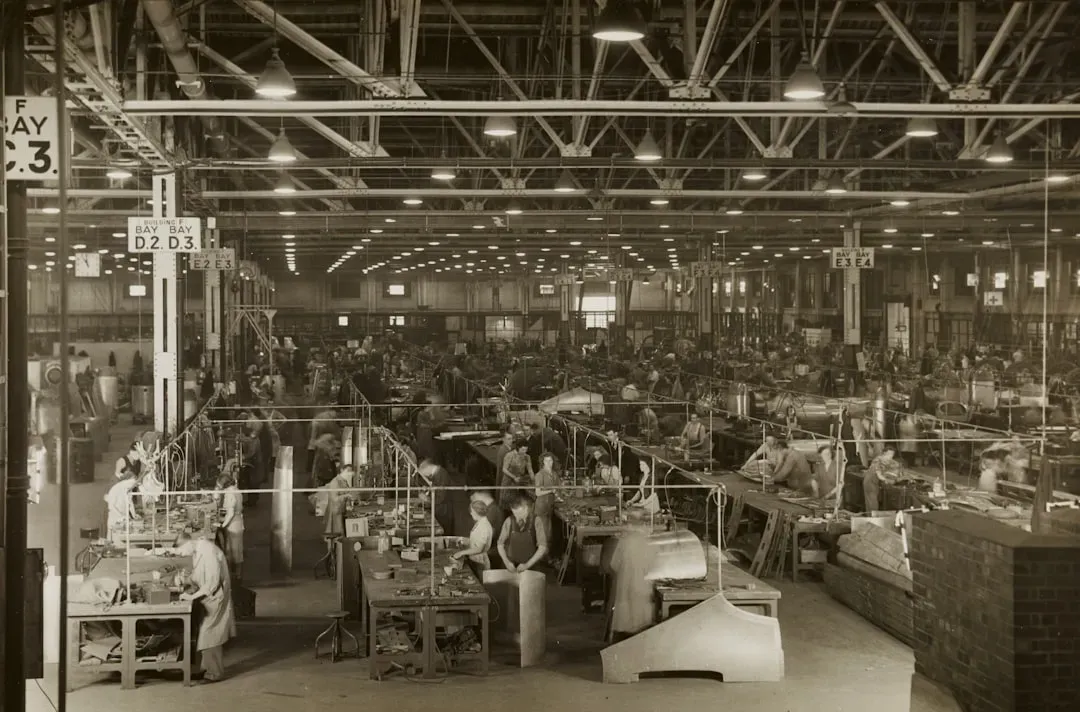
In October 1913, Henry Ford introduced the moving assembly line at the Highland Park factory in Michigan. What took workers 12.5 hours to assemble was reduced to just 93 minutes, a stunning leap in productivity. This wasn’t just about speed, though. The staggering increase in productivity allowed Ford to drastically reduce the cost of the Model T, thereby accomplishing his dream of making the car affordable to ordinary consumers. The affordable Model T changed the landscape of America, hastening the move from rural to city life.
Refrigeration Transformed Food Safety

Let’s be real, refrigeration changed everything about how we eat. Before widespread household refrigerators in the 1920s, food preservation was a constant challenge. Milk was prone to rot before pasteurization and refrigeration, leading people to dump preservatives like formaldehyde in it, an embalming compound harmful to humans. The introduction of reliable refrigeration meant families could store perishable foods safely for days or weeks rather than hours. This shifted diets dramatically, allowing year-round access to fresh foods that were previously only available seasonally or locally.
Air Conditioning Reshaped Where People Live

Modern air conditioning, invented by Willis Carrier in 1902, started as a solution to humidity problems in a printing plant. Carrier designed a system that controlled humidity using cooling coils and secured a patent for his “Apparatus for Treating Air,” which could either humidify or dehumidify air. By the late 1960s, most new homes had central air conditioning, fueling population growth in hot-weather states like Arizona and Florida. The Sun Belt’s explosive growth would have been nearly impossible without this technology, making previously inhospitable regions comfortable for millions.
Electric Washing Machines Freed Up Time
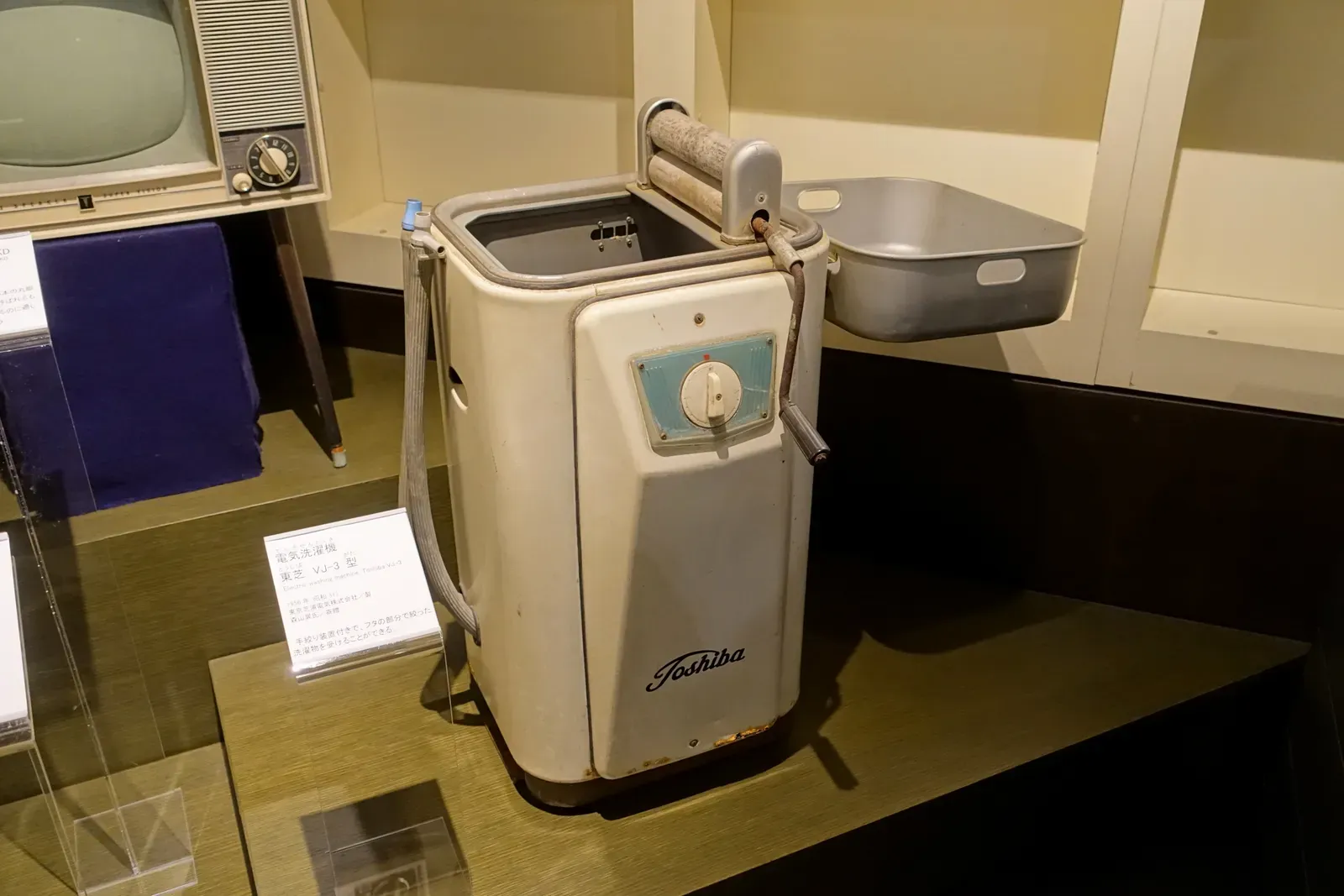
Washing clothes once consumed entire days of backbreaking labor. Electric washing machines, which gained popularity in the early twentieth century, dramatically altered domestic life. By late 1913, Ford workers experienced labor turnover of 380 percent due to assembly line conditions, but the company’s announcement to pay five dollars for an eight-hour day compared to the previous rate of $2.34 for a nine-hour day made many workers willing to submit to the relentless discipline. This shift in workplace efficiency mirrored the changes happening in homes, where appliances reduced hours spent on repetitive chores. Women especially benefited from having more time for education, employment, or leisure.
The Internet Connected the World
The internet originated from ARPANET, a U.S. government research project launched in 1969, though few could have predicted its eventual impact. What began as a military communication network evolved into the backbone of modern civilization. Within decades, the internet fundamentally changed education, commerce, and social interaction worldwide. Today it’s hard to imagine daily life without instant access to information, entertainment, and connection. From ordering groceries to attending virtual meetings, the internet touches nearly every aspect of contemporary existence.
Personal Computers Brought Technology Home
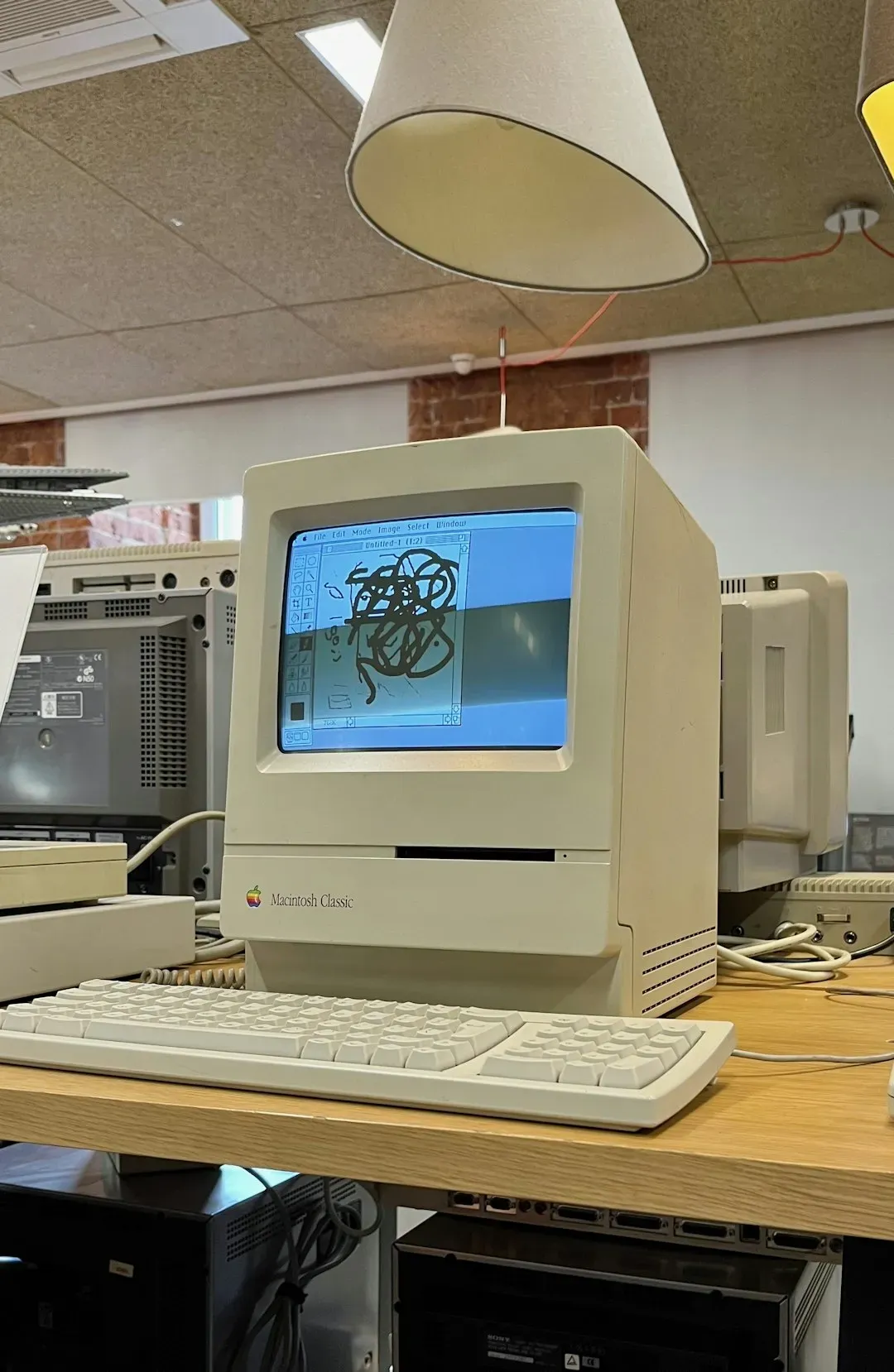
American companies like Apple and IBM popularized personal computers in the late 1970s and early 1980s, democratizing access to computing power. Before this, computers were massive machines accessible only to large institutions, universities, and corporations. The personal computer revolution put digital tools on kitchen tables and in home offices across the nation. This shift empowered individuals to write, calculate, create, and eventually connect online from their own homes. The PC laid the groundwork for the digital age we inhabit today.
Microwave Ovens Sped Up Meal Prep
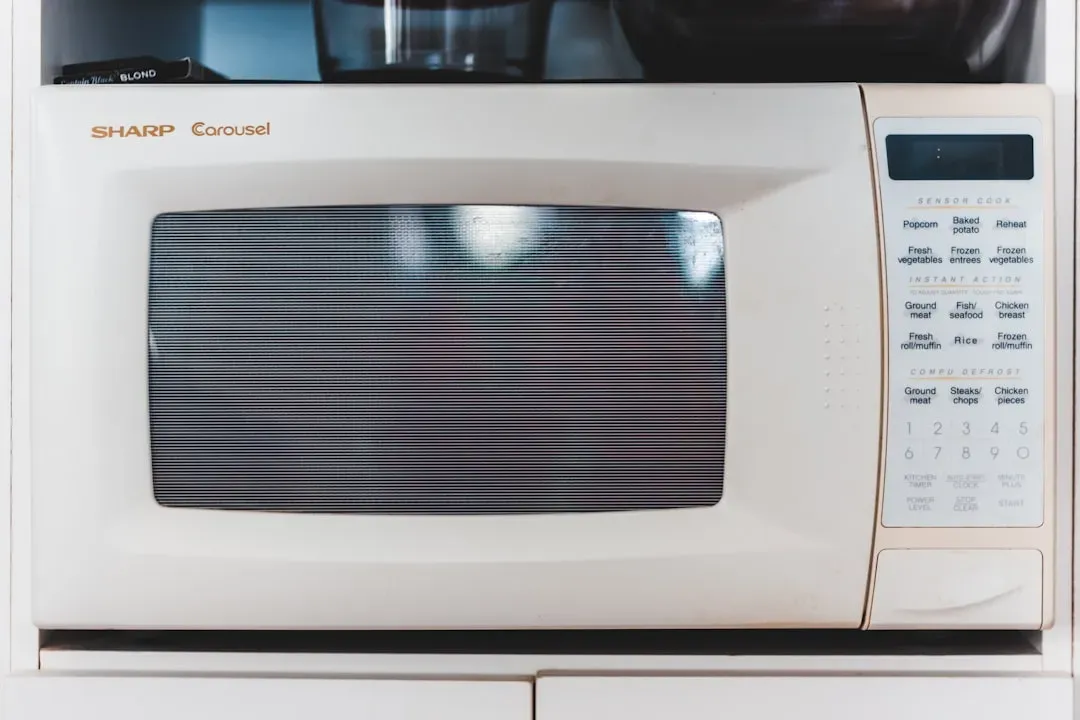
The microwave oven was first commercially sold in the United States in 1947, though early models were enormous and expensive. As the technology improved and prices dropped, microwaves became kitchen staples. They changed cooking habits by dramatically reducing meal preparation time, making it possible to heat food in minutes rather than hours. For busy families juggling work and home responsibilities, the microwave offered unprecedented convenience. Leftovers became easier to enjoy, and frozen meals became a billion-dollar industry.
Smartphones Put Everything in Your Pocket

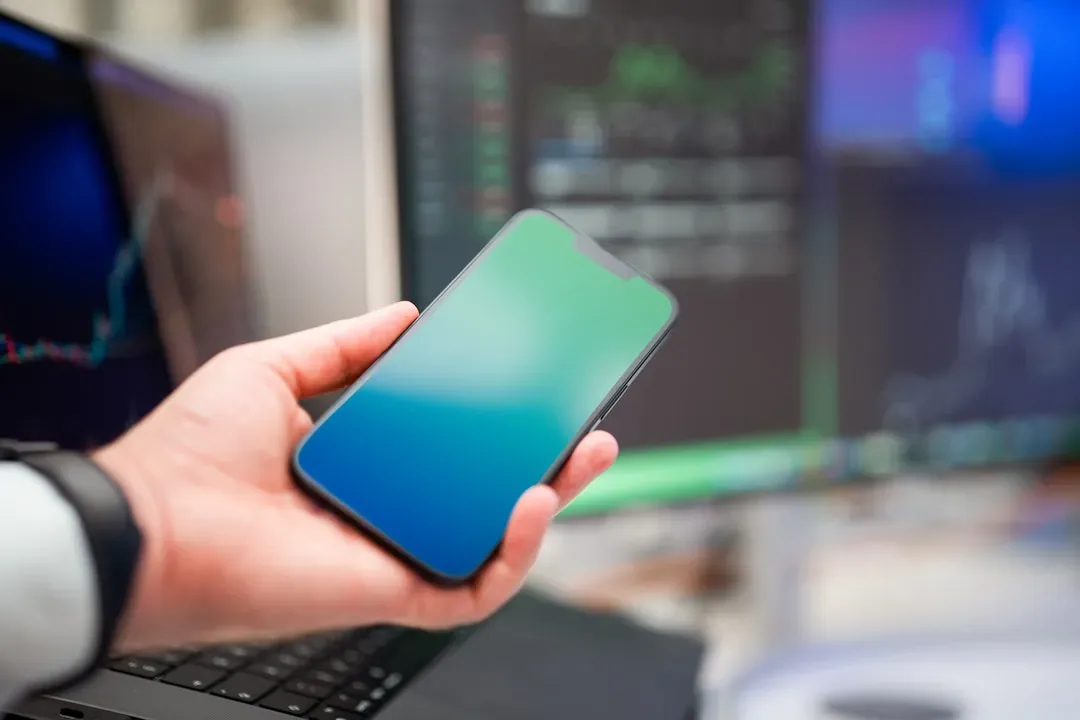
The smartphone, popularized by American tech companies in the 2000s, combined communication, computing, navigation, and media tools into a single device. This convergence fundamentally altered how people interact with the world. Smartphones now serve as cameras, maps, music players, books, calendars, and portals to infinite information. They’ve changed social behaviors, business practices, and even mental health discussions. Today, most Americans carry more computing power in their pockets than existed in entire buildings just decades ago, making the smartphone arguably the most transformative personal technology of the modern era.