A Nation Stunned by Live Tragedy (Image Credits: Cdn.mos.cms.futurecdn.net)
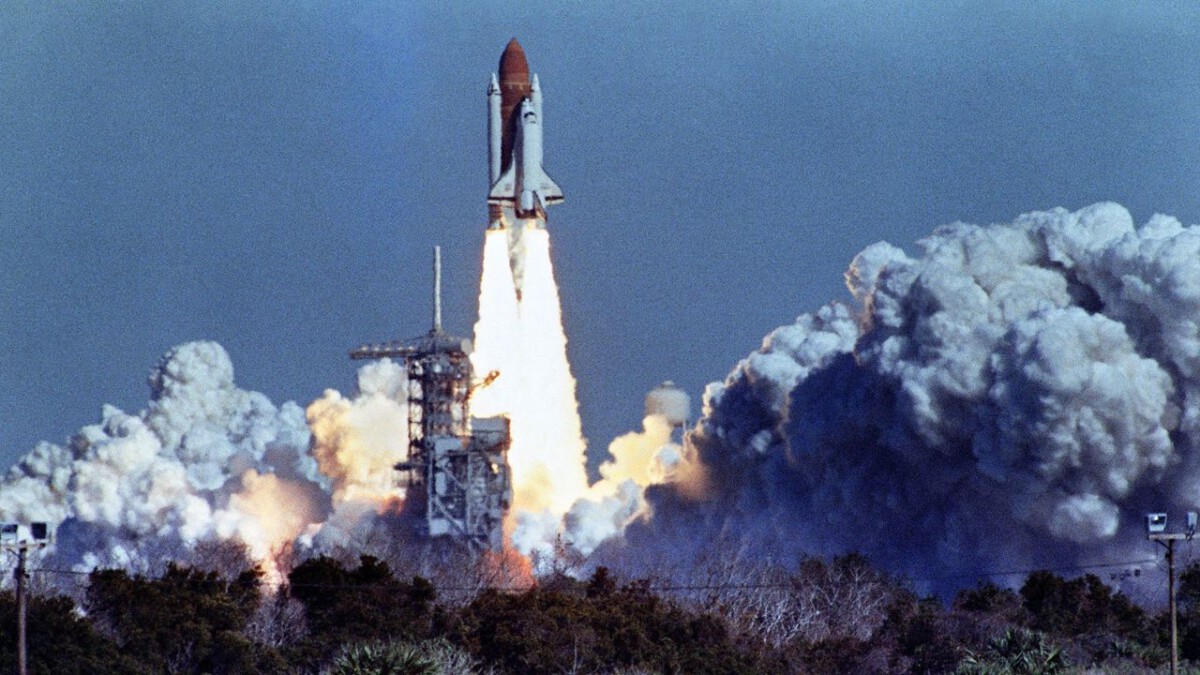
Kennedy Space Center, Florida – The space shuttle Challenger exploded 73 seconds after liftoff on January 28, 1986, claiming the lives of seven astronauts and exposing the fragile edge of space exploration.
A Nation Stunned by Live Tragedy
Millions watched in horror as the shuttle broke apart in a plume of fire and smoke, broadcast live from Florida’s launchpad. The crew included teacher Christa McAuliffe, whose presence aimed to inspire students nationwide. Engineers had warned of risks from cold weather affecting O-ring seals, but launch proceeded amid pressure to maintain schedules.
The Rogers Commission, chaired by William P. Rogers, delivered a 260-page report pinpointing flawed decisions and technical failures. Investigators highlighted unwarranted assumptions by managers. That inquiry reshaped NASA’s safety protocols, grounding the shuttle fleet for over two years.
Pattern of Losses Across Eras
Challenger marked neither the first nor last such catastrophe. Seventeen years later, Columbia disintegrated during reentry on February 1, 2003, killing another seven due to wing damage from foam debris. Separate probes revealed recurring issues in technical oversight and organizational culture.
Earlier incidents compounded the toll. A fire during an Apollo 1 test on January 27, 1967, took three lives on the pad. Soviet missions suffered too: Soyuz 1 crashed on April 24, 1967, killing one cosmonaut, while Soyuz 11’s crew perished from cabin depressurization on June 29, 1971.
- Apollo 1: 3 fatalities (1967)
- Soyuz 1: 1 fatality (1967)
- Soyuz 11: 3 fatalities (1971)
- Challenger: 7 fatalities (1986)
- Columbia: 7 fatalities (2003)
Near-Misses in Today’s Orbit
Recent operations reveal ongoing vulnerabilities. In 2013, astronaut Luca Parmitano faced a spacesuit helmet flood during an International Space Station spacewalk, forcing an early end. Debris strikes damaged docked vehicles like Russia’s Soyuz-MS 22 and China’s Shenzhou 20, prompting safe but delayed returns in 2023 and 2025.
Commercial ventures faced setbacks too. Boeing’s Starliner, on its 2024 crewed debut, encountered thruster failures and helium leaks, stranding astronauts Butch Wilmore and Suni Williams until a SpaceX ride home nine months later. Blue Origin’s New Shepard suffered uncrewed failures, and Virgin Galactic lost a pilot in a 2014 test flight.
Balancing Speed, Safety, and Innovation
Launch rates have surged from weeks apart to daily occurrences, driven by companies like SpaceX. NASA reviews past lessons, hardware, and expert input before approving crewed flights. During a January 16, 2026, briefing, flight director Jeff Radigan stressed caution for Artemis 2 and Crew-12 missions: “This is not a rush… We may run into an issue, and the last thing we want to do is make a decision too early.”[1]
Experts like historian Ron Doel noted the challenge: “Lessons learned is difficult… since the systems themselves are not static.” Astronomer Pauline Barmby emphasized exhaustive pre-launch testing, yet acknowledged untestable space surprises. Retired astronaut Chris Hadfield’s advice resonates: Do not make things worse amid deliberate decision-making.
Key Takeaways
- Human spaceflight claims 21 lives in major U.S. and Soviet incidents since 1967.
- Increased private involvement amplifies both opportunities and risks.
- Rigorous reviews evolve, but the unexpected persists in complex systems.
Four decades after Challenger, spaceflight demands humility before its unforgiving physics. Advances promise more access, yet remind us safety hinges on vigilance. How can agencies and companies further minimize these perils? Share your views in the comments.