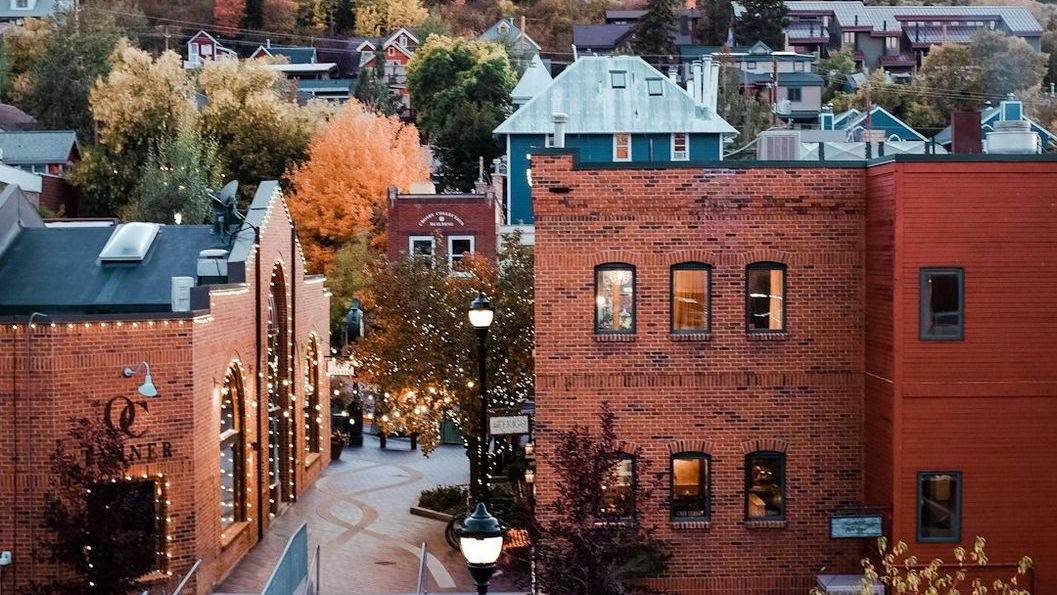

It’s Not About Charm or Grit – It’s About Numbers

Let’s be honest, the story about small-town revival is usually wrapped in nostalgia. You’ve heard it before: tight-knit communities, strong values, a slower pace. That stuff matters, sure, but it’s not what’s actually driving the turnaround. Heartland Forward’s 2024 analysis of 527 micropolitan areas ranked places like Los Alamos, New Mexico at the top based on measurable economic indicators including average pay, employment, real GDP, and personal income. This isn’t vibes or anecdotes. These are verifiable metrics tracked over multiple years.
The rankings aren’t random. The methodology examines short-term growth from 2021 to 2022 and medium-term growth from 2017 to 2022, focusing on metrics like young-firm employment and knowledge intensity. That’s evidence towns are adding jobs in businesses that actually have a future, not just scraping by.
People Are Actually Moving In, Not Just Passing Through
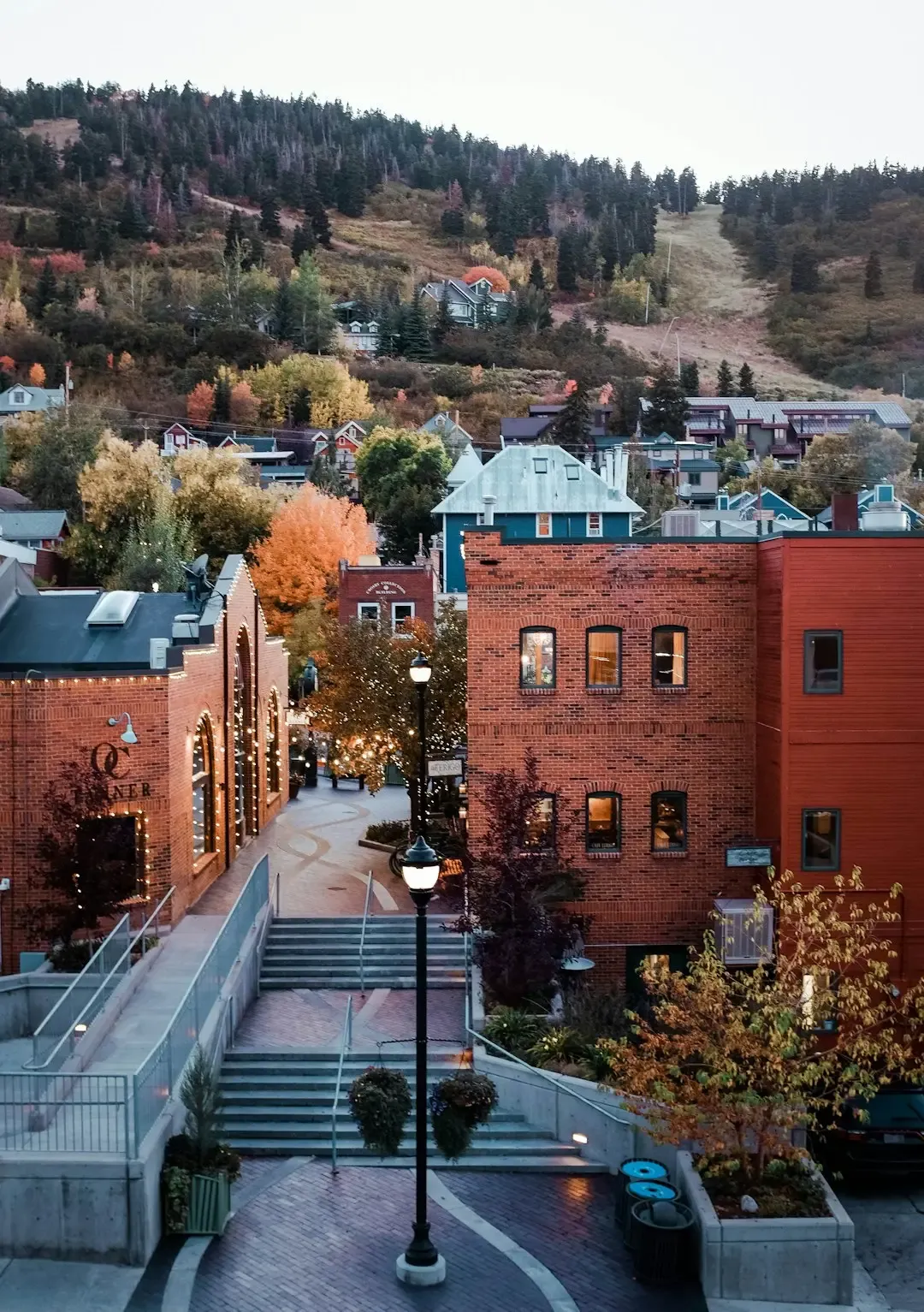
Migration out of counties with more than one million residents in 2023 remained nearly twice as high as before the pandemic, while migration into the country’s smallest metro areas and rural counties rose in 2023 from already near record levels in 2022. Think about what that means. Big-city residents aren’t just leaving – they’re landing in places most people assumed were emptying out. The country’s rural counties and smallest metro areas with fewer than 250,000 residents became the top destination for people moving within the country for the first time in decades, and the net number of people moving to them rose again last year.
This flip happened faster than almost anyone predicted. For years, the pattern was clear: young people fled small towns for opportunity elsewhere. That script has been rewritten.
Metro Growth Isn’t Slowing – It’s Just Spreading Differently
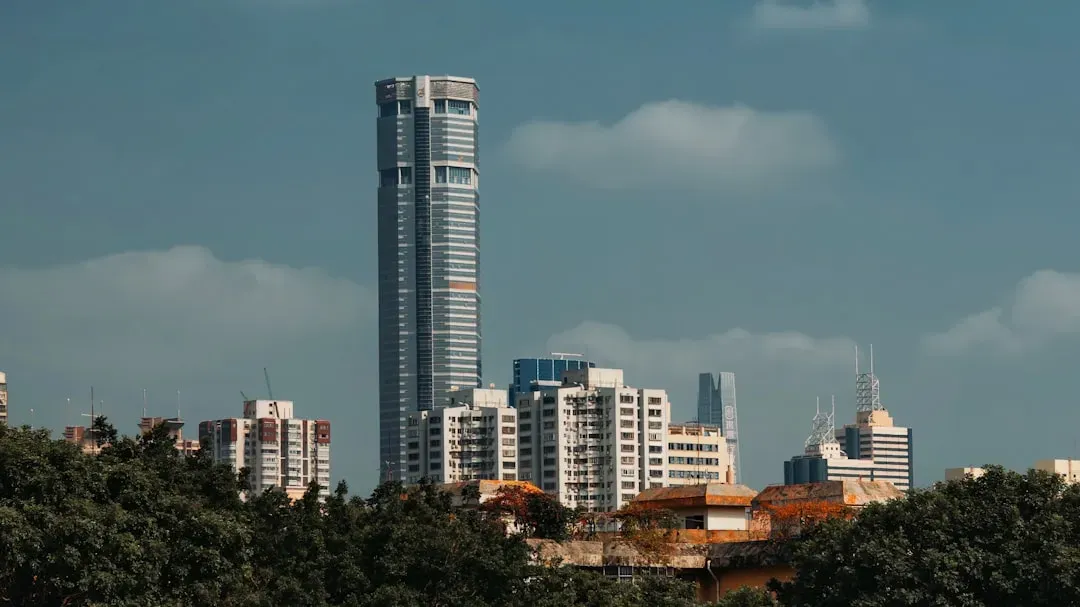
Here’s where it gets tricky. Between 2023 and 2024, the number of people living in a U.S. metro area increased by nearly 3.2 million, or around 1.1 percent, compared to the total U.S. population increase of nearly 1 percent. Metro areas are still winning, but smaller metros are now part of that win. The population in nearly 90 percent of U.S. metro areas grew from 2023 to 2024, up from 317 between 2022 and 2023. The revival isn’t about cities dying – it’s about mobility reshaping where people go.
Remote Work Is the Real Economic Engine

You’ve probably heard about the remote-work wave, but the data back up the hype. The share of days worked from home stabilized around 27 percent in survey data through June 2024, compared to about 5 percent prepandemic. That’s a fivefold increase that hasn’t reversed. With many more people in working ages now able to work from home at least some of the time, it’s likely that some people are more willing to live further away from their place of employment than they would have in the past.
Remote work doesn’t just let people live anywhere. It lets them bring their income to places with lower costs, and that changes everything for local businesses and housing markets. Counties with higher rates of work-from-home adoption aren’t just surviving – they’re outperforming neighbors that lack that flexibility.
Broadband Funding Is Real and Targeted
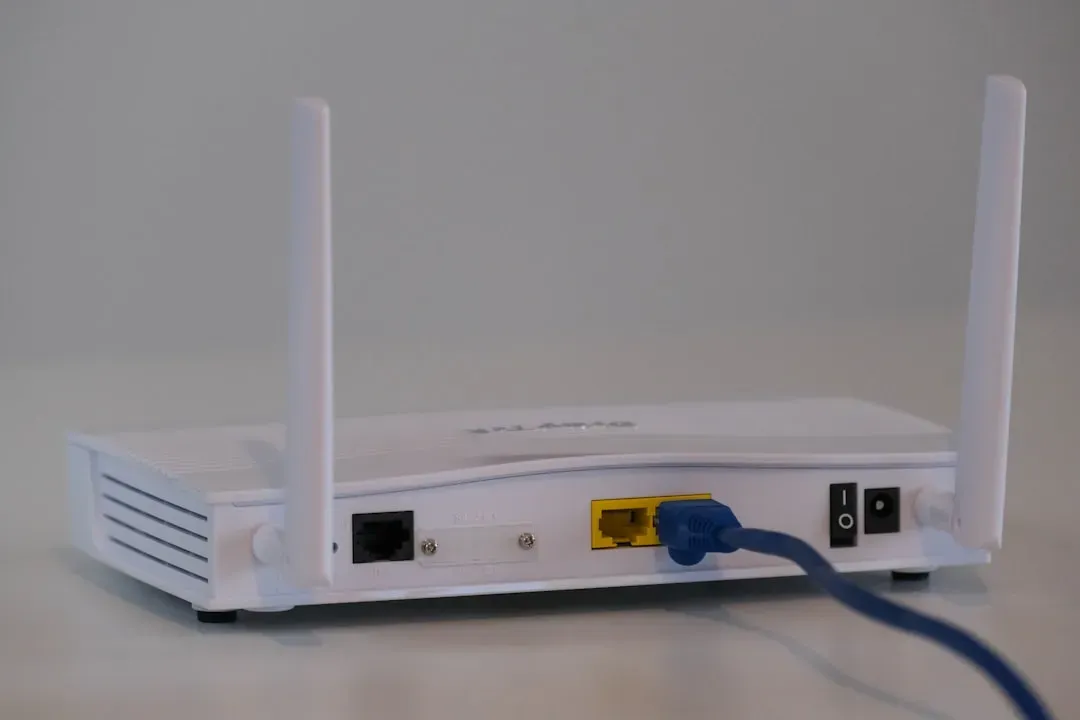
The Broadband Equity Access and Deployment Program is a $42.45 billion federal grant program that aims to connect every American to high-speed internet by funding partnerships to build infrastructure, with allocations announced for all 56 states and territories in June 2023. This is serious money aimed at solving a specific problem. Towns stuck with dial-up speeds or spotty service are now getting access to fiber and high-speed connections funded by this federal push.
Without decent internet, remote work is impossible. With it, a town becomes a legitimate option for people who would have dismissed it five years ago.
There Are Actual Standards for What Gets Built
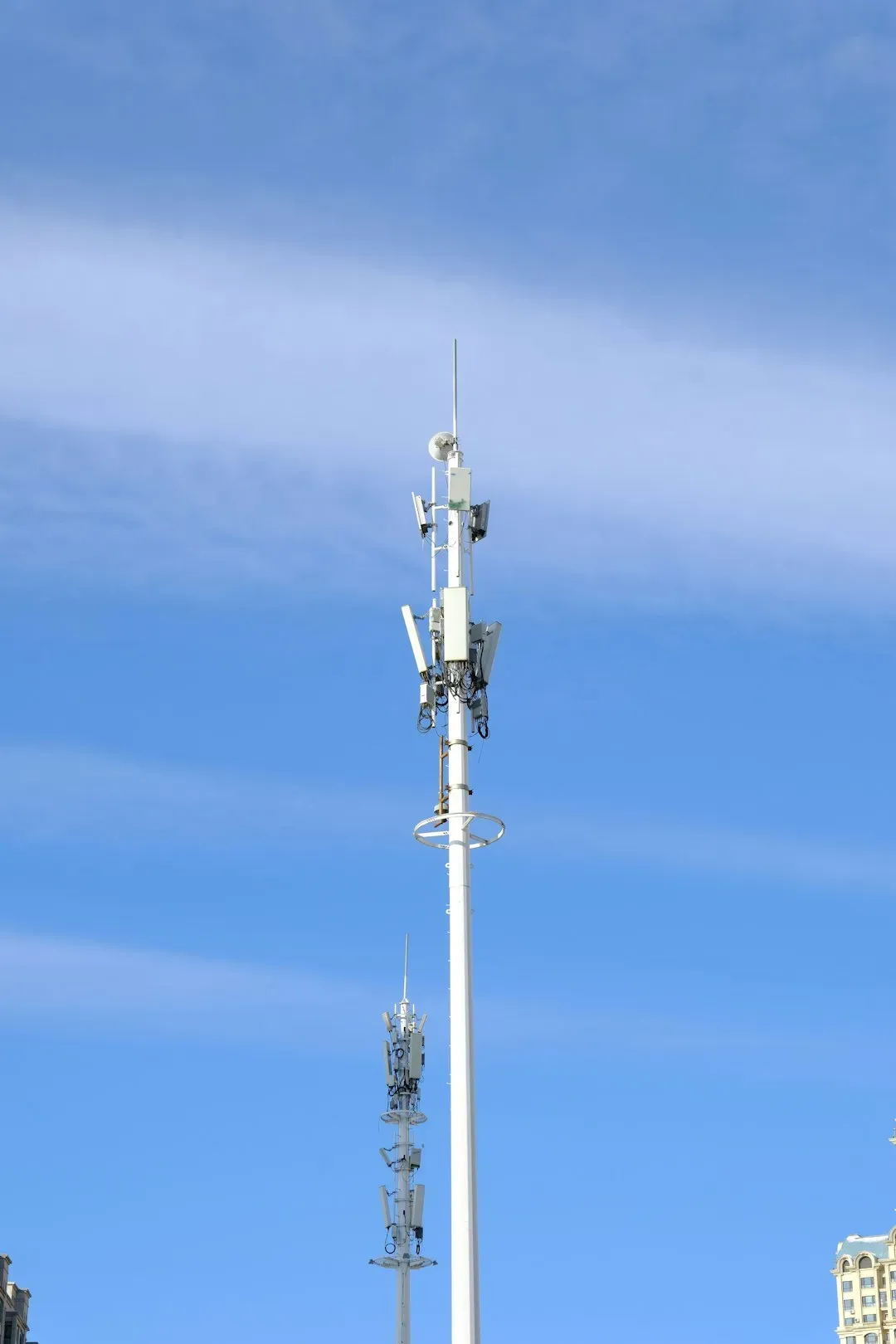
The federal money isn’t a free-for-all. A broadband network built with BEAD funding must be capable of providing broadband service with at least 100 megabits per second for downloads and 20 Mbps for uploads, a low network latency enabling real-time interactive applications, and a low network outage rate of less than 48 hours over any 365-day period. That means towns are getting infrastructure that’s actually usable for modern work and life, not just a token upgrade.
Downtown Reinvestment Is Producing Hard Numbers

Main Street America programs aren’t just painting storefronts and hosting farmers markets. In 2023, its local programs generated $5.68 billion in local reinvestment, supported 6,630 net new businesses, and helped create 35,162 net new jobs. Those are real jobs and real dollars circulating through local economies. The focus on downtown cores is smart – vibrant downtowns signal to potential newcomers that a town is serious about its future.
The Revival Has Decades of Momentum Behind It
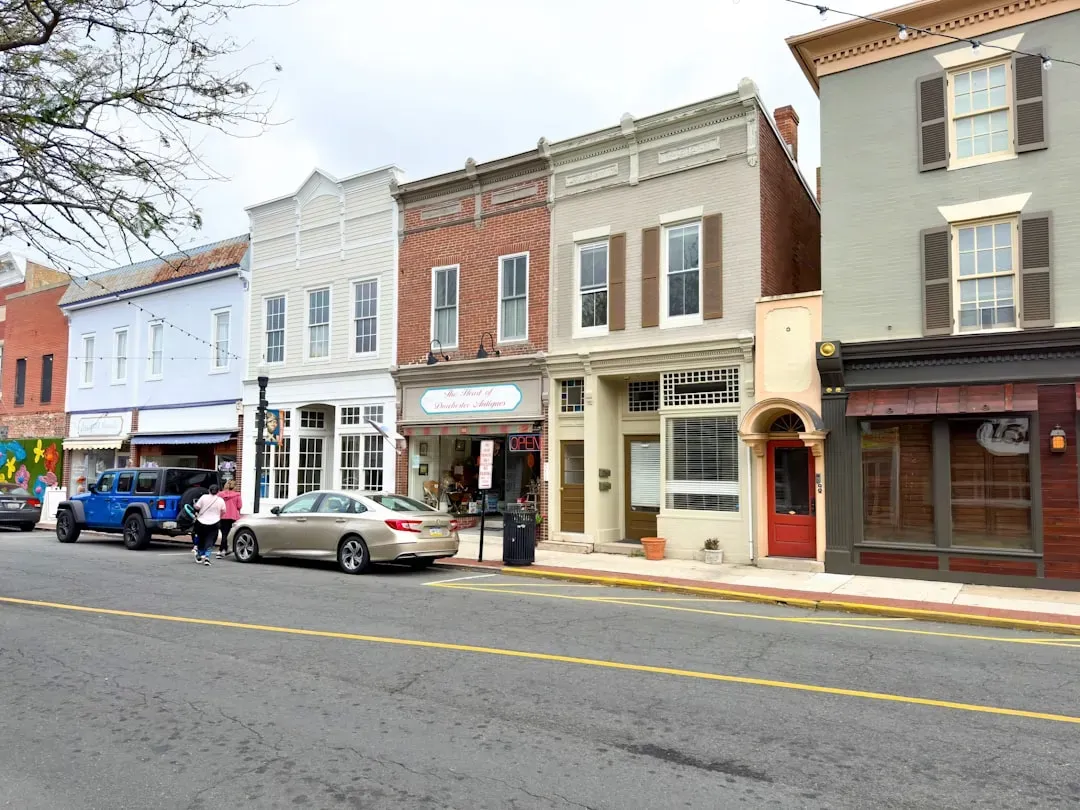
This isn’t some flash-in-the-pan trend. Since 1980, the Main Street movement has generated $115.27 billion reinvested locally and a net gain of 815,894 jobs. That kind of long-haul track record means the model works and towns can replicate it. It’s not just about one grant or one year – it’s sustained effort over time that compounds.
Even “Declining” Places Are Reversing Course
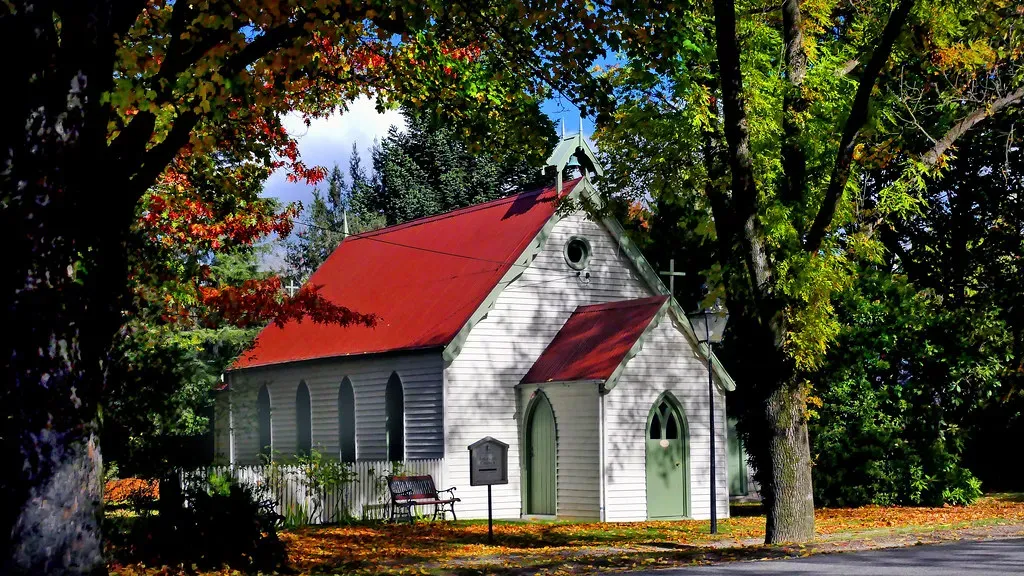
Michigan is a case worth watching. Recent Census-estimate reporting highlighted Michigan’s continued growth through mid-2025 and noted a net gain in domestic migration, meaning more people are moving in from other states than leaving. That’s the kind of turnaround that lifts smaller cities and towns too, not just the big metros. Places written off as rust-belt casualties are showing signs of life that contradict the doom-and-gloom narrative.